It’s surprising how something as tiny as a flower can spark a foam-finger debate at a craft table. Crochet Rose vs Fabric Rose—two stars on the same floral stage, both darling in their own right, but wildly different in vibe, feel, and upkeep. Let’s break down the petals and threads without needless drama.
What even counts as a “rose” here?
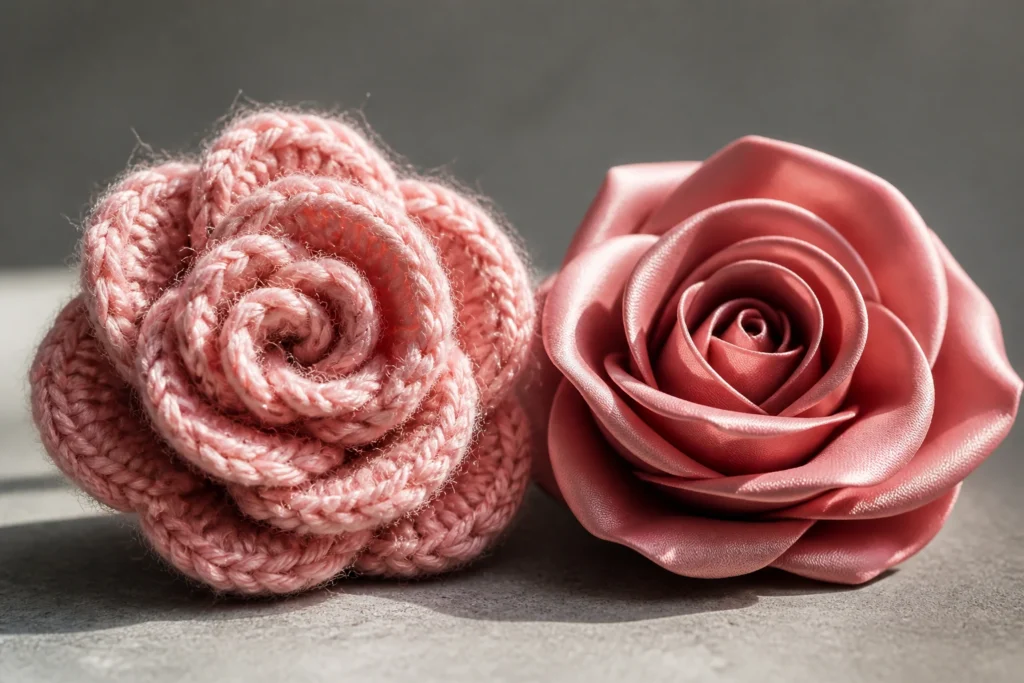
Let’s start with the basics. A crochet rose is made from yarn or thread, shaped with stitches, and ends up with a fuzzy, tactile surface. A fabric rose is created from ribbon, satin, or other textiles, often cut and folded or stitched into a layered bloom. One is a textile child of the hook; the other a fabric offspring of a sewing kit. Both can look stunning, but they behave differently in real life—cardboard poseurs aside.
Feel and texture: that first impression
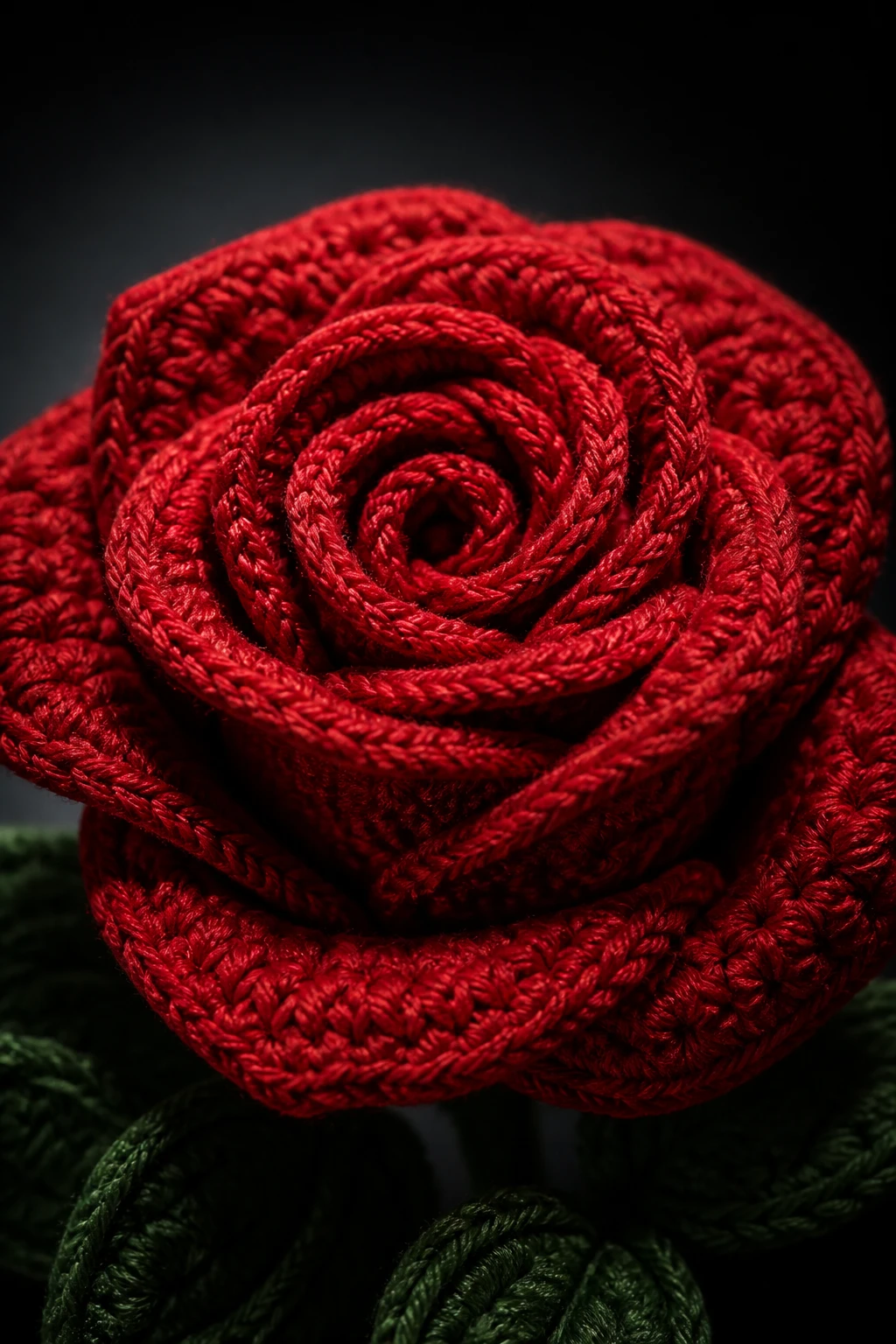
– Crochet Rose: Soft, cuddly, a touch fuzzy. It has a handmade wobble that says “I spent time here.” The texture catches light in a way that gives depth on camera but can snag a sweater if you’re not careful.
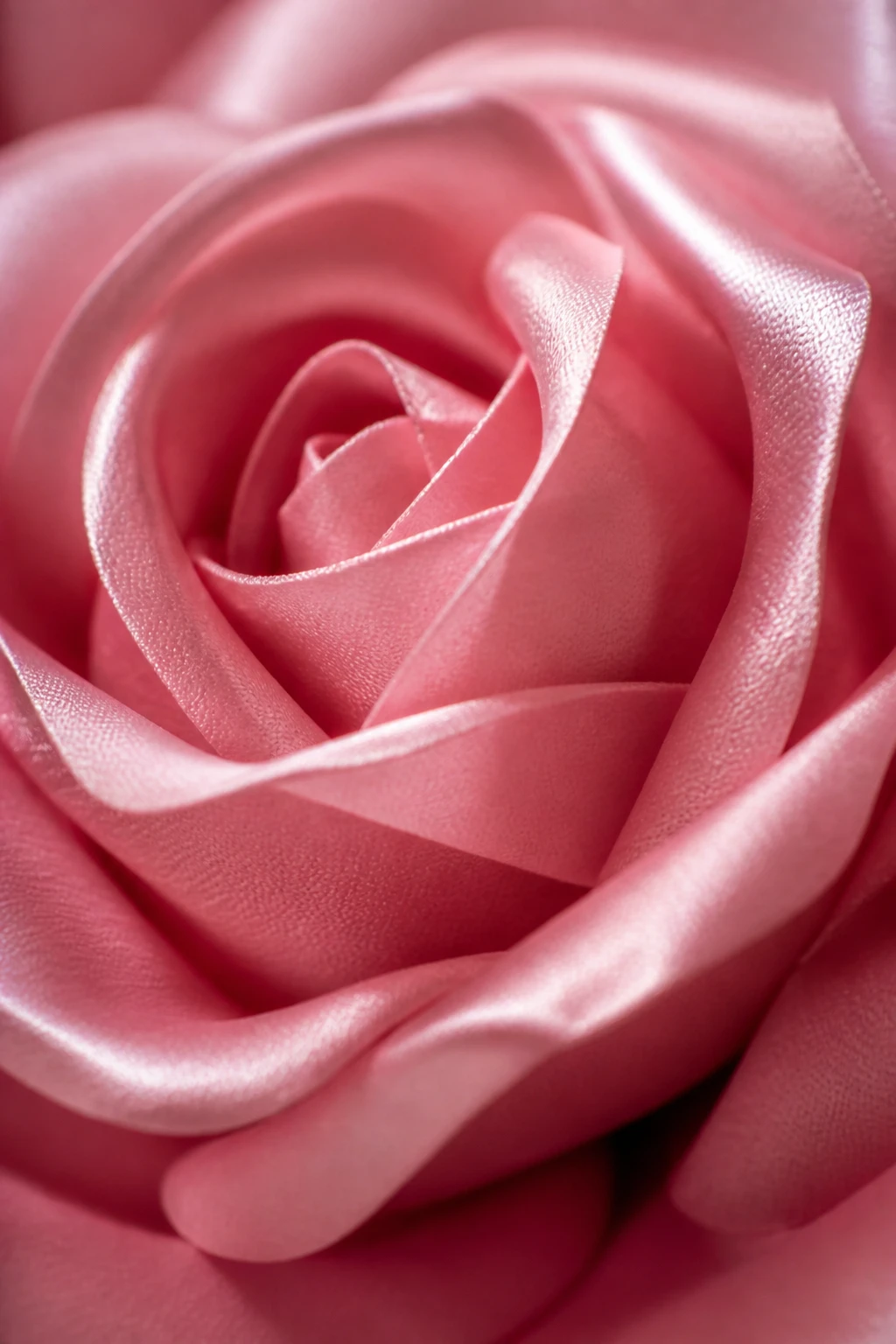
– Fabric Rose: Smooth, sleek, almost velvety on the petals. It lies flat and tidy, with a polished look that reads as more refined in formal arrangements. If you want a bloom that says “luxury wedding bouquet,” this is a strong contender.
Durability and care: which one lasts longer?
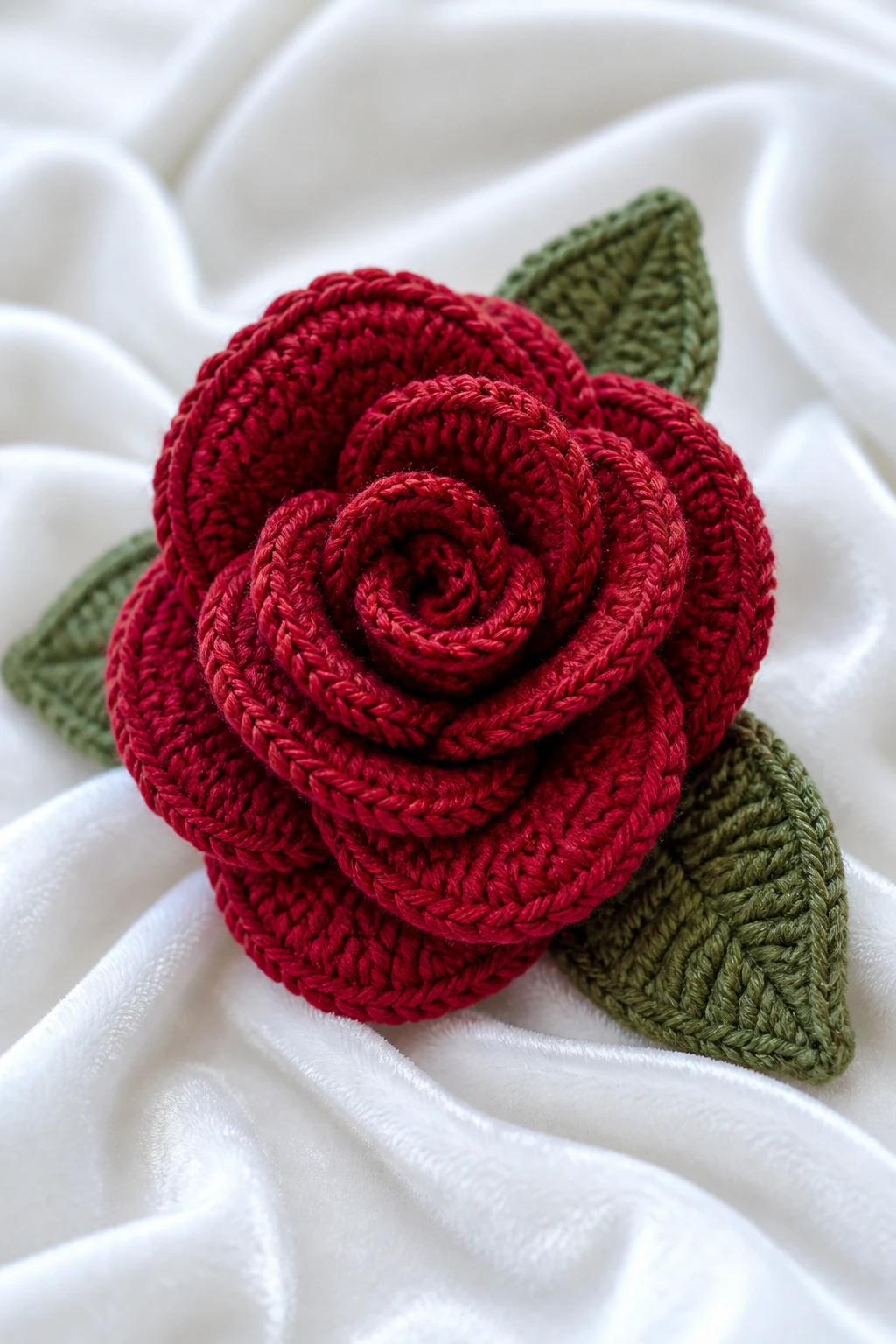
– Crochet Rose: Durable for daily wear or display. They shrug off a little dust, resist slight bending, and hold their shape well with a bit of starch or stiffener if you want a crisp outline. Washability depends on yarn type—avoid hot water on sensitive fibers, and you’ll survive a gentle hand wash or spot clean.
– Fabric Rose: Not as forgiving if you’re rough with it. Some ribbons bleed dye, some fabrics snag, and heat can warp fine petals. If you use high-quality ribbon and proper stiffener, it can last ages, but it’s more sensitive to humidity and sunlight.
Color options and customization: DIY dreamscape
– Crochet Rose: Colorways are limitless but require yarn choices. You can mix fibers for texture or go solid for a classic look. You can also “age” a rose with slightly over-dyed threads or subtle shading to mimic real-life blush tones.
– Fabric Rose: Color choices feel almost endless once you’re prowling fabric stores. You can get gradient ribbons, metallic edges, satin sheen, or even print patterns onto petals. The sky’s the limit, but the assembly might take a bit longer than a quick crochet session.
Time, effort, and learning curve: how fast can you grow a petal?
– Crochet Rose: If you’re already into knitting or crochet, a single rose can come together in under an hour with practice. Beginners may take a bit longer, but you’ll be surprised how quickly starch and shape become second nature.
– Fabric Rose: Faster to certain people, slower to others. The cutting, folding, stitching, and wiring add steps. If you’re a sewing natural, you’ll speed through it. If you’re new to wiring and gumpaste-like stiffeners, give yourself extra time and patience.
Applications: where these roses shine
– Crochet Rose: Great for heirloom jewelry, brooches, hair clips, and mixed-media art. They work wonderfully in shabby-chic decor or cozy crafts, where the handmade vibe adds warmth. FYI, they also play nicely in wreaths and garlands that you’ll actually want to look at every day.
– Fabric Rose: Perfect for wedding bouquets, boutonnieres, and formal centerpieces. They photograph beautifully and look elegant when grouped with greenery. If you need a rose that photographs cleanly in glossy magazines, fabric wins.
Subsection: Making a crochet rose (quick dive)
Materials you’ll want
– DK or worsted weight yarn (your choice of color)
– A hook in the right size
– Scissors, tapestry needle
– Optional stiffener or glue for shaping
– Flower stem or wire for a polished stem
Steps (spoiler: it’s approachable)
– Start with a tight center, then spiral out to create layered petals.
– Adjust petal size as you go for a natural look.
– Shape the bloom with gentle rolling and pinching. A light dab of glue or fabric stiffener helps keep the petals in place.
– Attach to a stem for a bouquet-ready finish or mount on a clip for hair accessories.
Subsection: Making a fabric rose (quick dive)
Materials you’ll want
– Satin or silk ribbon, or any sturdy fabric you love
– Wire and floral tape
– Scissors, hot glue or needle and thread
– Optional stamen or center bead for a realistic touch
Steps (still pretty approachable)
– Cut ribbon into petal shapes, or use a pre-rolled technique for a classic look.
– Layer petals, securing with glue or stitch through their bases.
– Add a wire stem and wrap with floral tape for resilience.
– Fluff and shape the petals to your preferred fullness.
Brand-new ideas to try this weekend
– Crochet rose earrings: tiny petals, big style. Pair with a crochet leaf for a balanced set.
– Fabric rose boutonnières: lightweight and elegant for weddings or proms. Use a thin wire stem to keep them looking crisp all night.
– Mixed-media bouquet: combine crochet roses, fabric roses, and real greenery for a textural wow.
Care tips to keep your blooms fresh-looking
– For crochet: store away from direct sunlight to prevent color fading. A quick dust-off with a soft brush keeps the fuzz in check.
– For fabric: keep them away from moisture to avoid dye transfer and mold. A cool, dry place is your friend.
FAQ
Are crochet roses easier to customize than fabric roses?
Yes and no. Crochet roses thrive on color control and texture experiments—you can mix yarn weights, add variegated skeins, or use gradient yarns for depth. Fabric roses excel in color intensity and finish, especially when you want a high-gloss look. Imo, start with what you’re most excited about, then experiment with the other later.
Which type holds up better in a DIY wedding bouquet?
Fabric roses tend to look more polished in photos, but crochet roses win for longevity and memory-making because they’re less prone to dye transfer and humidity damage. If you want something you’ll keep forever, consider mixing both: fabric for the front-facing blooms, crochet for the filler greenery and texture.
Do crochet roses fade quicker than fabric roses?
Colorfastness depends on the materials. High-quality cotton or acrylic yarns hold up fairly well with proper storage. Fabric roses can fade if they’re cotton-based and exposed to sunlight, especially with vibrant dyes. FYI, store roses in a cool, dark place to keep colors true.
Can I wash crochet roses?
Usually yes, with care. Spot-clean gently, or hand wash in cool water with a mild detergent. Avoid harsh agitation that could loosen the petals. Dry flat away from heat to maintain shape.
Which one should a beginner start with?
Start with crochet if you’ve got a hook or two lying around. It’s forgiving, portable, and you’ll see progress quickly. If you’re more comfortable with sewing or ribbon work, fabric roses are a fun, fast win that still looks impressive to friends and family.
Conclusion
Crochet roses and fabric roses each bring their own magic to the table. Crochet offers tactile depth, texture, and a cozy handmade vibe that ages beautifully with you. Fabric roses bring sleek elegance, color punch, and a bridal-ready polish that photographs like a dream. The choice isn’t about one being “better” than the other; it’s about what mood you’re chasing and how much time you want to invest.
If you’re new to both, try a quick starter project of each. You’ll quickly spot which you’d reach for when a project calls for “romantic with a touch of whimsy” or “polished and picture-perfect.” IMO, the real joy is mixing and matching—you can layer both types in a single arrangement for contrast that’s hard to beat. So grab your scissors, hooks, and ribbons, and let the roses do the talking.