
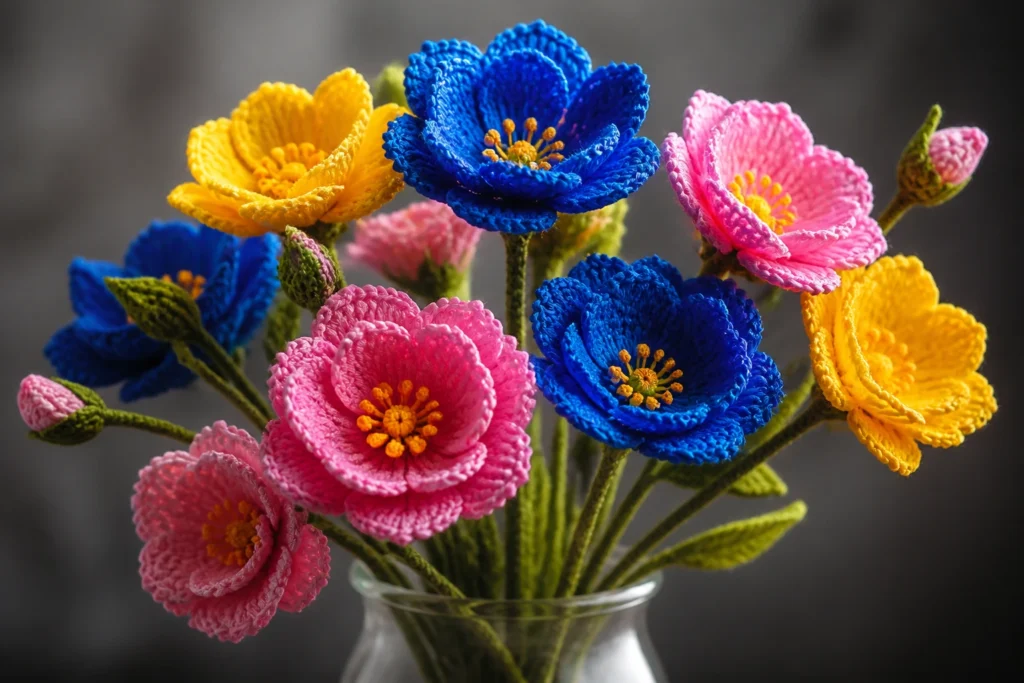
It’s amazing how a single ball of yarn can turn into a garden of crochet flowers. If you’re chasing petals that pop and centers that gleam, you’re in the right neighborhood. Let’s cut to the chase: the best yarn for crochet flowers isn’t one-size-fits-all. It’s about texture, drape, and what you want your bouquet to do.
What makes yarn the right fit for crochet flowers?
Flowers aren’t just pretty; they need to hold their shape, unfurl nicely, and resist the dreaded droop from humidity. The right yarn gives you crisp petals, vibrant color, and just enough stiffness to stand up on stems. Think of it like choosing makeup for a stage performance: you want texture, color, and staying power without feeling heavy.
– Texture matters: crisp petals versus fluffy, depending on your look.
– Fiber choice changes feel and stiffness.
– Hook size and technique affect final flower shape as much as the yarn.
Bottom line: the perfect yarn for crochet flowers balances stiffness with pliability and vibrant color.
Common fiber options and what they do in petals
Fibers aren’t randomly chosen; they’re chosen for how they behave when you crochet them into petals. Here’s a quick tour.
Cotton: the classic for crisp petals
Cotton yarns give you clean edges and defined petals. They’re sturdy, hold shape well, and don’t stretch much. If you want flowers that look like they were pressed and arranged in a vase, cotton is your friend.
– Pros: crisp texture, strong, color holds well.
– Cons: can be a tad stiff when you overwork it; some varieties feel scratchy on the fingers.
Acrylic: budget-friendly and bright
Acrylic is forgiving, comes in endless colors, and is super easy to work with. For beginners or party decor that needs to survive a dozen gentle hugs from curious kids, acrylic shines.
– Pros: affordable, easy to find, bright colors.
– Cons: can feel plastic-y, may not block sunlight like natural fibers.
Mercerized cotton: a glossy, salon-fed yarn
Mercerized cotton adds a subtle sheen that makes petals pop in photos. It’s still cotton, but treated to take color better and feel a touch silky.
– Pros: shiny finish, color depth, good stitch definition.
– Cons: a touch more expensive, can be slick to push through hooks.
Blends: the best of both worlds?
Blends like cotton-acrylic mix offer a middle ground: stability with softer drape. They’re great when you want petals that stand up but still feel gentle.
– Pros: balanced texture, good color range.
– Cons: performance varies with the blend ratio.
Pro tip: pick a yarn labeled for amigurumi or lightweight projects; if the label mentions “crochet” or “amigurumi,” you’re likely getting a fiber that plays nicely with tight, defined stitches.
Yarn weight and its effect on flower drama
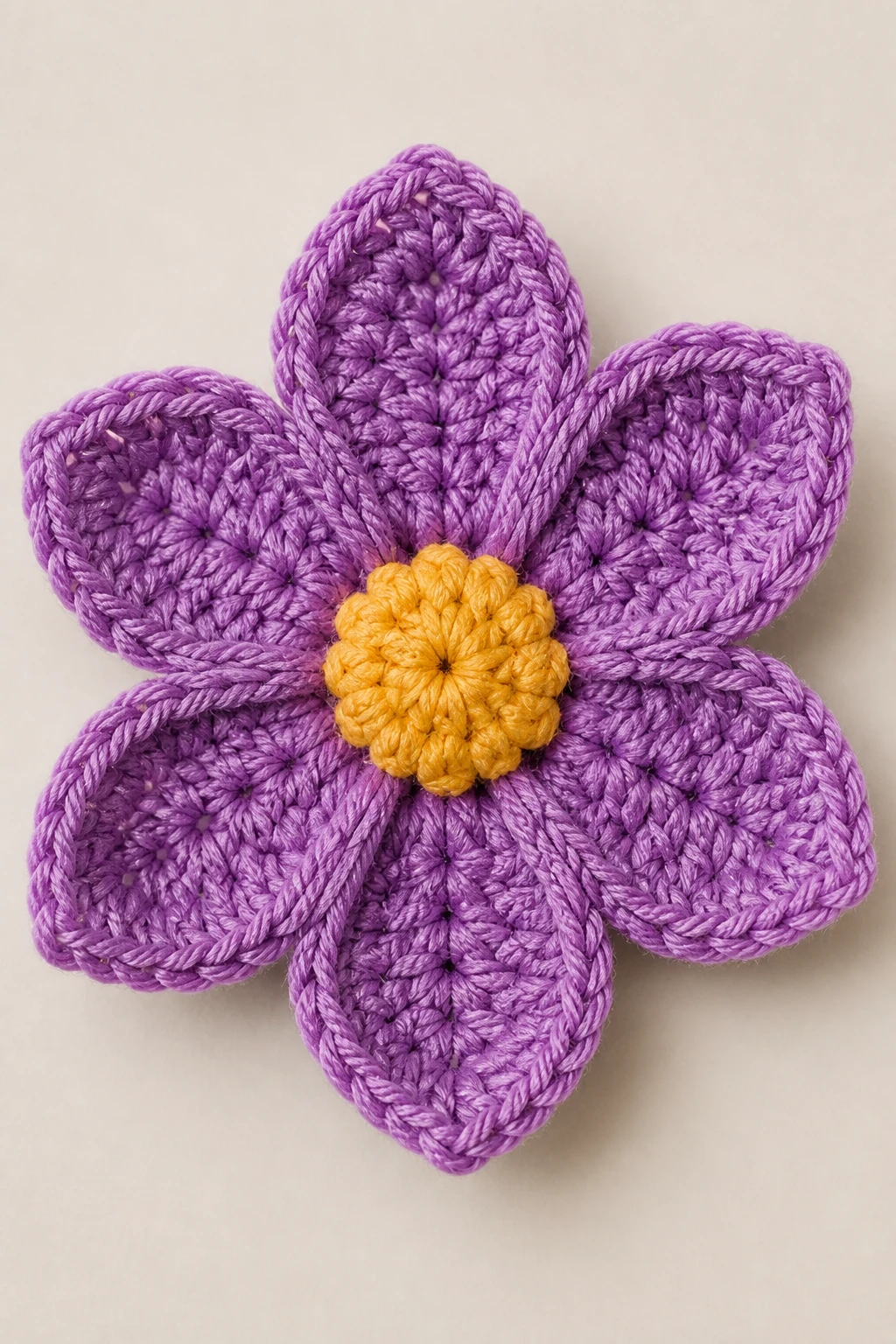
Weight isn’t just about how chunky your scarf will be. For crochet flowers, yarn weight shapes petals, centers, and overall poise.
– DK and Light (3 and 3.5): Great for delicate, petite petals. They look cute on headbands and brooches.
– Worsted (4): A solid all-rounder. Petals hold shape, centers pop, and you can make bigger blooms.
– Sock weight (2): Ultra crisp, tiny details. Perfect for tiny posies and intricate centers.
How to pick: if your goal is big, statement flowers, go heavier. If you want a bouquet of tiny, garden-fresh daisies, go lighter. And yes, you can mix weights in a project for a layered look.
Hook size and tension: the invisible duo
The hook you choose matters almost as much as the yarn itself.
– Tighter tension with smaller hooks makes petals sharper and more defined.
– Looser tension with larger hooks yields softer, more papery petals that drape nicely.
If you’re chasing that “oh wow, the petals really hold their shape” look, you’ll likely want a 3.5-4.0 mm hook for DK to worsted weight cotton or mercerized cotton. FYI, test a small petal swatch before committing to a full flower.
Patterns that teach you the fundamentals
Learning by doing is the fastest way to figure out what you love. Start with basic sunflower, daisy, and rose patterns to learn how different yarns behave.
– Try a simple daisy to practice staying crisp at small scale.
– Move to a sunflower to see how color changes affect the center and petal length.
– Finish with a rose to test ruffles and layering.
- Choose a yarn you like, and grab a hook size that matches the pattern’s recommendations.
- Make a tiny test flower to compare with your final piece.
- Note how the yarn’s stiffness changes as it blocks or dries (if you wet-block crocheted flowers, that matters).
Blocking, finishing, and keeping petals perfect
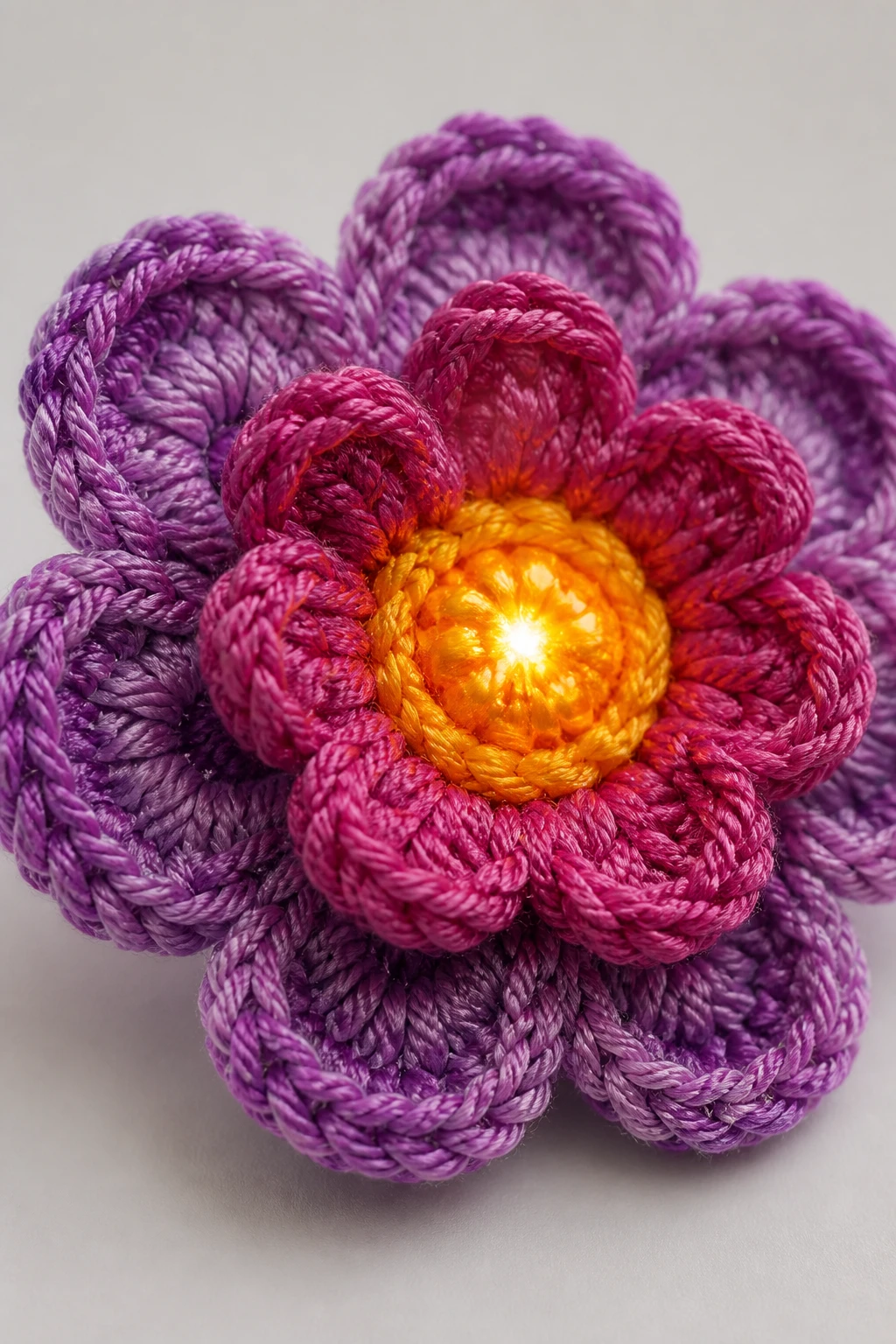
Blocking isn’t just for sweaters; it can make a huge difference for flowers too.
– Wet blocking with a gentle spray can set shapes.
– Pin petals into a natural curve for a more lifelike look.
– A light steam can help soften overly stiff petals (test first to avoid saggy blooms).
Where to block: a simple foam board with pins does the trick. You don’t need fancy equipment to get professional results.
Color, dye lot, and colorfastness in flowers
Color matters as much as texture. You want petals that pop, not colors that bleed on a sunny afternoon.
– Choose yarns with colorfast dyes labeled for crochet. Cotton tends to hold color well, but always test a swatch.
– If you’re making a bouquet, consider buying from the same dye lot to avoid subtle shade shifts.
– For multi-tone petals, plan gradient or variegated skeins to create natural depth.
Handfeel and durability: practical notes for long-term projects
You’ll handle these flowers a lot—wear and tear happens.
– Cotton feels crisp and can stiffen with blocking; you may want to soften with light steam or a teeny amount of hair conditioner rinse (test first!).
– Acrylic stays soft to the touch and is less prone to stiffness, which is great for kid-friendly projects.
– Blends balance durability and feel, which is handy for larger flowers on hats or bags.
Seasonal and themed flowers: experimenting with yarn choices
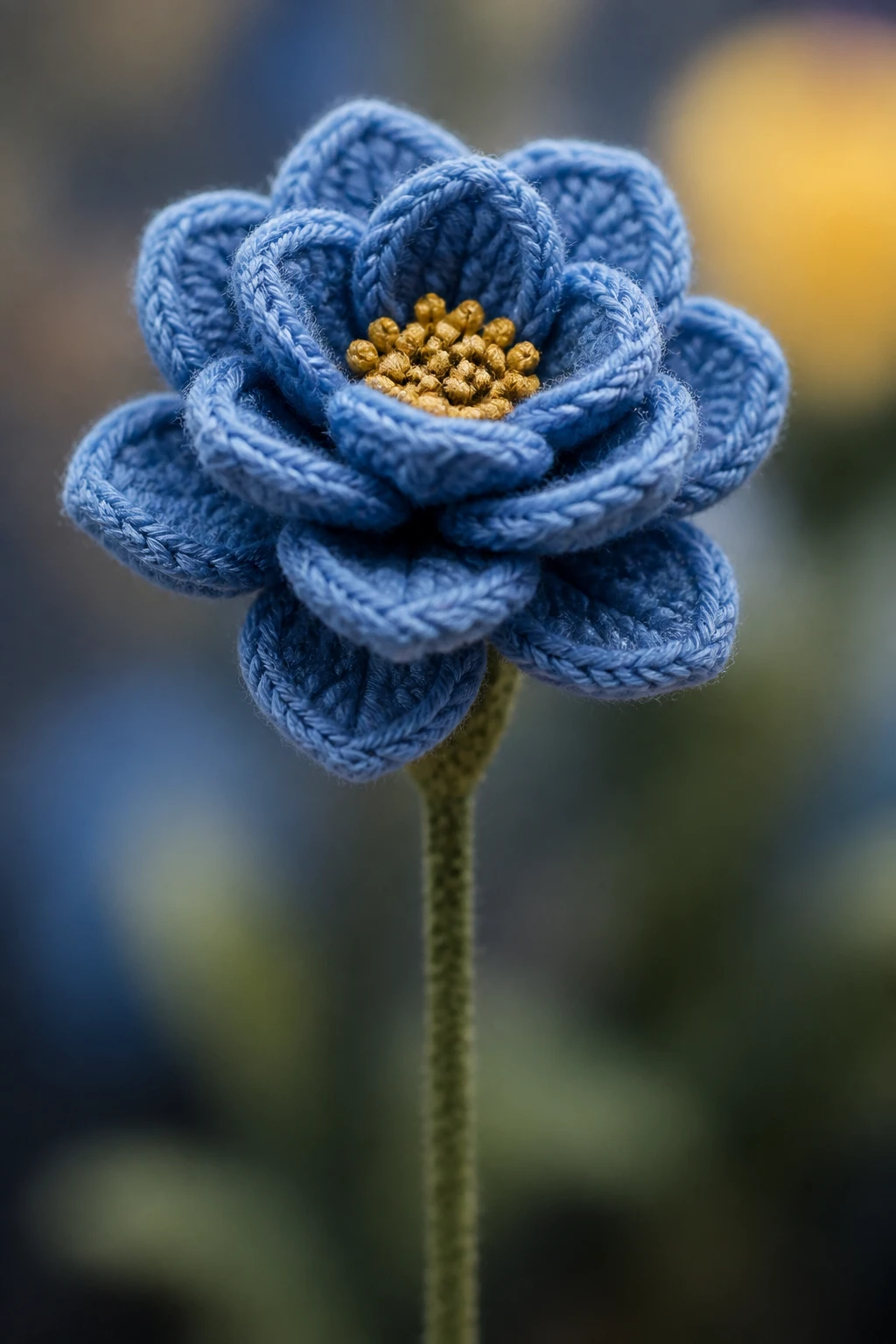
Seasonal projects let you play with color families and fiber options.
– Spring bouquets: bright cottons or mercerized cottons for crisp petals on daisies and tulips.
– Summer florals: bolder acrylics for punchy color that photographs well in sunlight.
– Autumn arrangements: deeper tones with cotton blends to keep petals sturdy against heat and humidity.
– Winter wreaths: heavier worsted weight in warm tones, with a touch of fuzzy yarn for a cozy look.
DIY starter guide: picking your first best-yarn-for-flowers kit
If you’re feeling overwhelmed by all the choices, here’s a simple starter kit.
– 2 skeins of DK cotton in contrasting colors (one light, one dark)
– 1 skein worsted acrylic in a bold color
– A universal 3.5-4.0 mm crochet hook
– A small pinboard for blocking
– A beginner-friendly flower pattern book or printout
With these, you can practice several shapes and see what you like best without breaking the bank.
FAQ
What yarn weight should I start with for beginners?
For beginners, worsted weight (weight 4) cotton or a cotton blend is forgiving and gives you nice, crisp petals without fighting you. It’s a friendly balance between ease of handling and visible texture.
Do I need special yarn for the petals to stand up?
Not necessarily. If you want petals that hold their shape, go for cotton or mercerized cotton in DK to worsted weight. Add a light blocking step and you’ll see a big difference. If you’re using acrylic, choose a sturdier variety and consider a stiffer pattern that encourages shape retention.
Can I mix yarns within one flower?
Absolutely. Mixing yarns can create depth and dimension. Try a cotton outer layer with an acrylic center for durability and a bit of pop. Just test first on a tiny sample to make sure the tension matches.
How do I prevent colors from bleeding on flowers?
Choose colorfast yarns and do a quick colorfast test before starting your project. Store your finished flowers away from direct sunlight to prevent fading. If you’re dyeing or using variegated skeins, plan the color transitions to avoid muddy petals.
Is blocking necessary for crochet flowers?
Blocking isn’t mandatory, but it helps petals stay crisp and uniform. Wet or steam block depending on yarn type, then pin to shape. You’ll notice smoother edges and more lifelike curves.
What’s your go-to yarn for a bright, bold bouquet?
My favorite combo is mercerized cotton for bright, punchy petals with a subtle sheen, paired with a bold acrylic accent for a long-lasting, colorfast centerpiece. It’s curiosity meets practicality, and yes, it photographs like a dream.
Conclusion
Choosing the best yarn for crochet flowers isn’t about chasing a universal magic bullet. It’s about pairing the right fiber, weight, and finish with the look you want. Cotton gives you crisp, defined petals; acrylic brings vibrancy and ease; blends balance both worlds. Add a dash of blocking, smart color choices, and a willingness to test a few swatches, and you’ll be stacking petals like a pro in no time.
If you’re feeling indecisive, start simple: grab a skein of cotton in a light color and a skein in a bold hue, plus a worsted-weight hook. Make a few flowers, compare textures, and let your favorites guide your next purchases. IMO, experiment is half the fun—the other half is watching your crochet bouquet come to life. Happy stitching!
How can I access step-by-step instructions for these flowers?
Which flower are you looking for, since each has different steps.