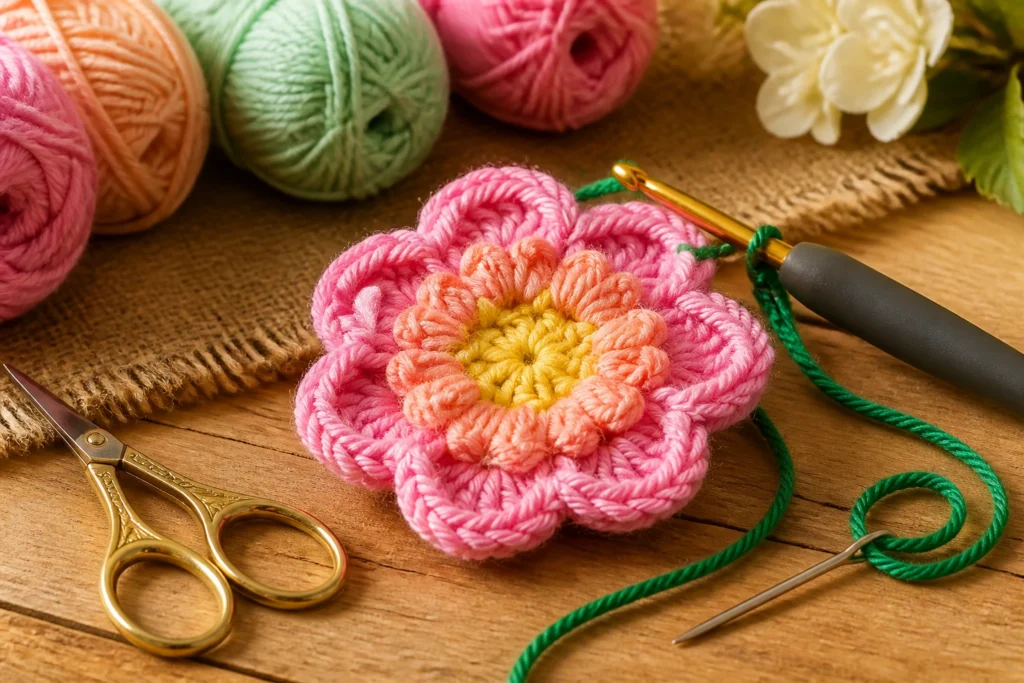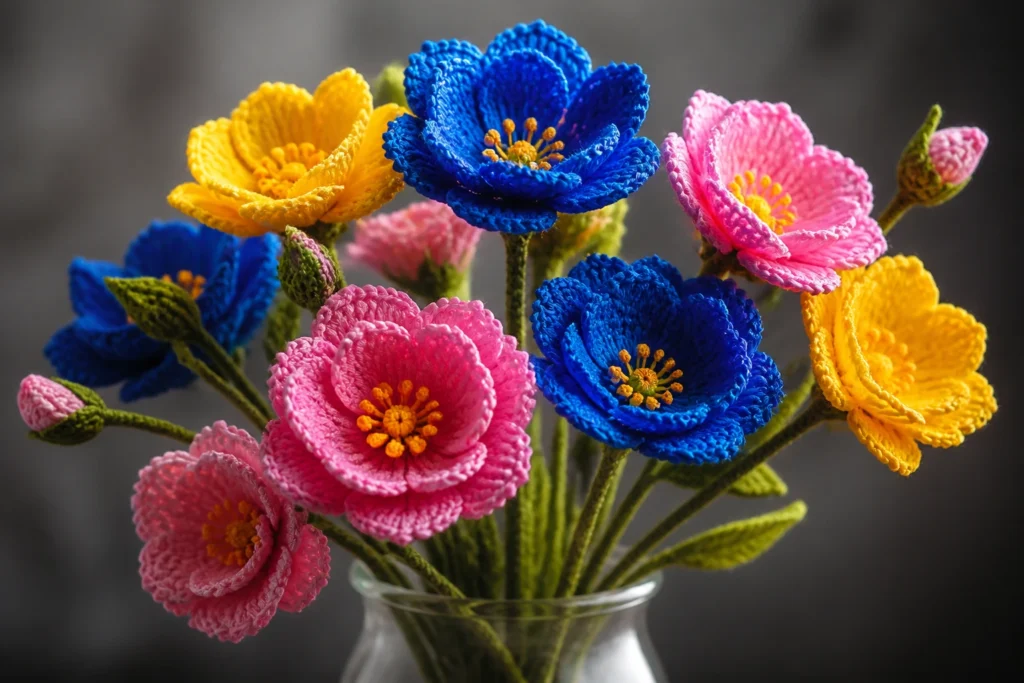
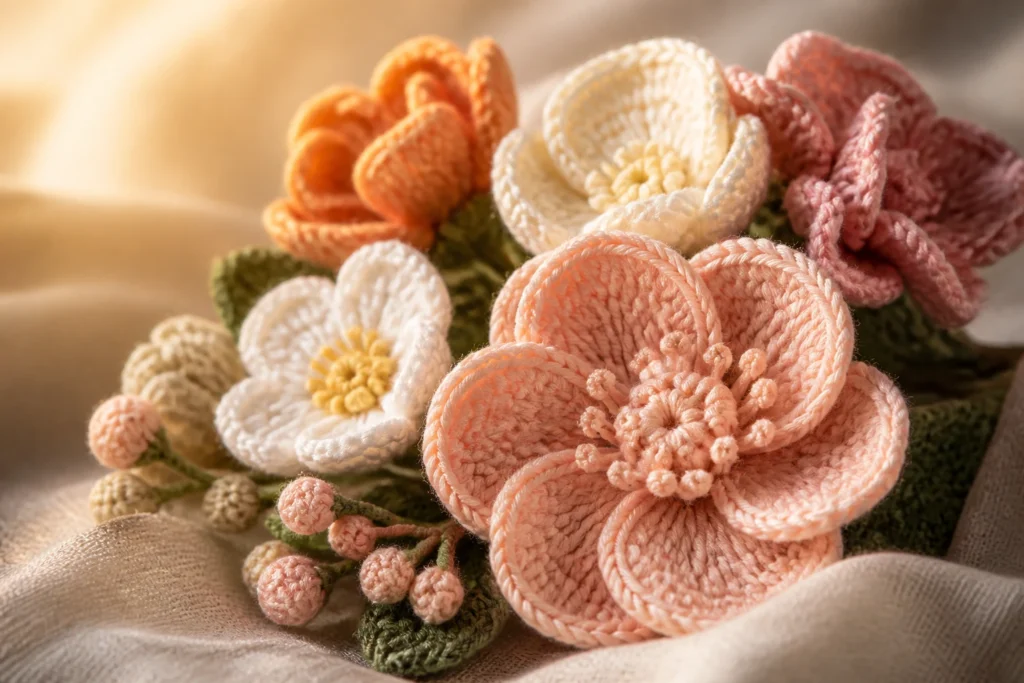
The world of crochet flowers is cute, sturdy, and surprisingly sneaky. One tiny slip can turn a blooming masterpiece into a floppy disappointment. So you’ll want the inside scoop on what not to do—before your next bouquet ends up more wilted than a sunburned daisy.
So grab your crochet hooks, a cup of something warm, and let’s spill the tea on Common Crochet Flower Mistakes. FYI, you’re not alone—everyone stumbles here. Now let’s dive in and straighten out those petals.
1. Skipping tension checks and rushing gauge
Your flower will thank you if you actually pay attention to gauge—yes, that tiny, annoying thing that sounds like it doesn’t matter until it does.
– Why it trips people up: We get excited. We want petals fast, so we snap stitches a bit tighter or looser than the pattern expects.
– The result: Flowers that don’t lay flat, petals that don’t align, and centers that look wonky.
– How to fix: Always crochet a gauge swatch. Measure your rounds, not just your stitches. If your swatch differs from the pattern by more than 10%, adjust your hook size or yarn.
Subsection: Practical gauge tips
– Start with the recommended hook, then compare your swatch to the pattern’s gauge.
– If you’re between hook sizes, test the next size up and down.
– Record your changes on a sticky note so you don’t forget next project.
2. Using the wrong yarn weight or fiber for the pattern
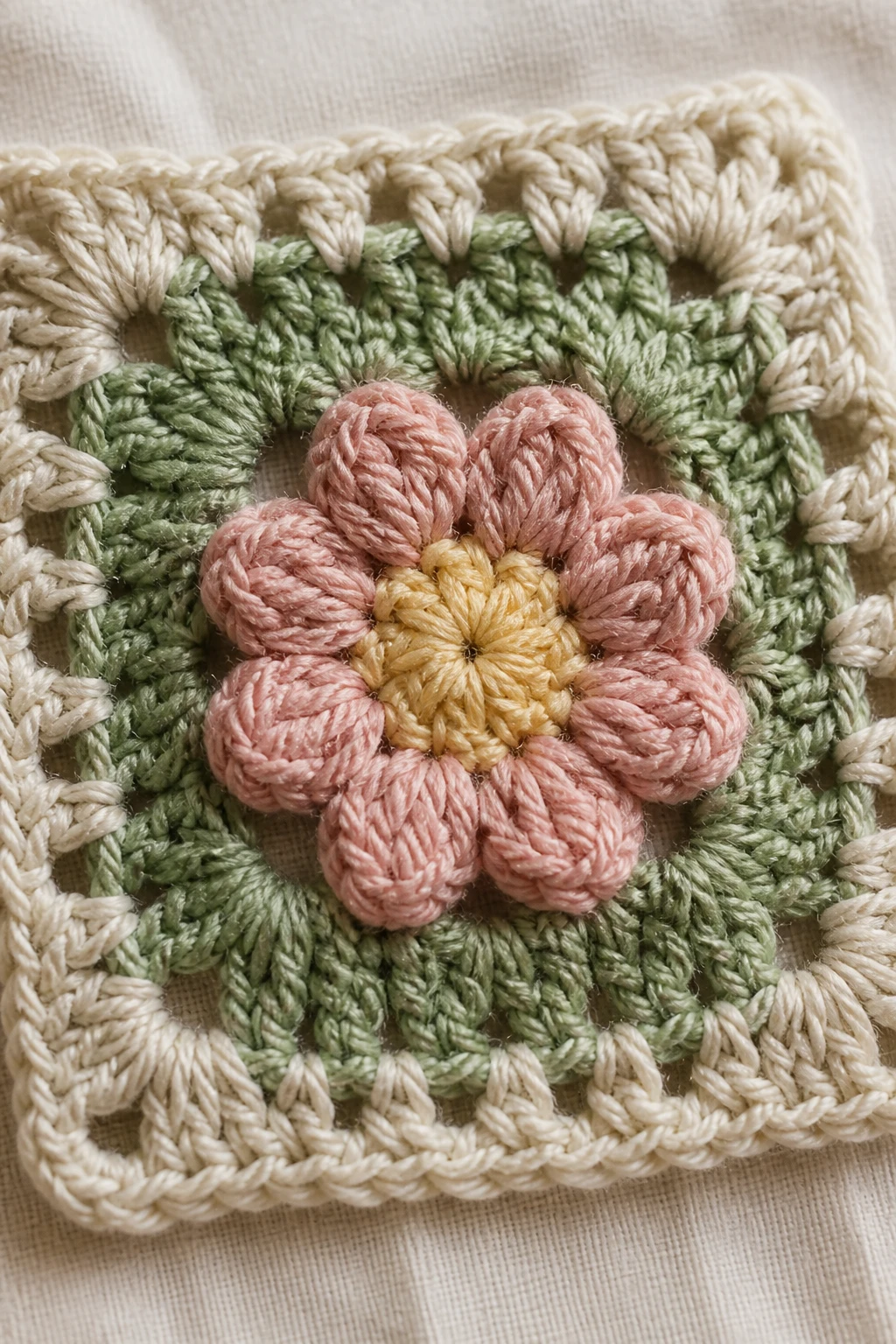
Flowers look different depending on what you use. Yarn is not a mere background character; it’s the main feature.
– Common culprits: Using bulky yarn for a delicate rose, or lightweight cotton for a chunky dahlia.
– Consequences: Misshapen petals, stiff or limp blooms, and color pooling that drives you insane.
– Quick fix: Match the yarn weight to the pattern’s recommendation. If you’re experimenting, start with a similar weight and note how your fabric behaves.
Subsection: fiber behavior matters
– Cotton holds shape well and gives crisp petals. Great for defined edges.
– Acrylic can be forgiving and affordable, but it may look plasticky if you overwork it.
– Linen and alpaca behave differently; they can shed curls or flatten with moisture. FYI, test before committing to a full bouquet.
3. Ignoring petal shapes and stitch variety
People think flowers are all about color and magic, but the shape is the real personality.
– Mistake: Repeating the same stitch everywhere without considering petal geometry.
– Impact: Flowers look flat, boring, and obviously handmade.
– Fix: Study the petal instructions and vary stitches to mimic natural petals. Use front post, slip stitches, or picots to add dimension where needed.
Subsection: getting the look you want
– Pair simple petals with a more complex center to balance texture.
– Use a slightly smaller hook for petals to keep them delicate, then switch to a bigger hook for the bloom’s base to help it stand up.
– Practice a few sample petals before committing to a full flower.
4. Skimping on finishing and blocking
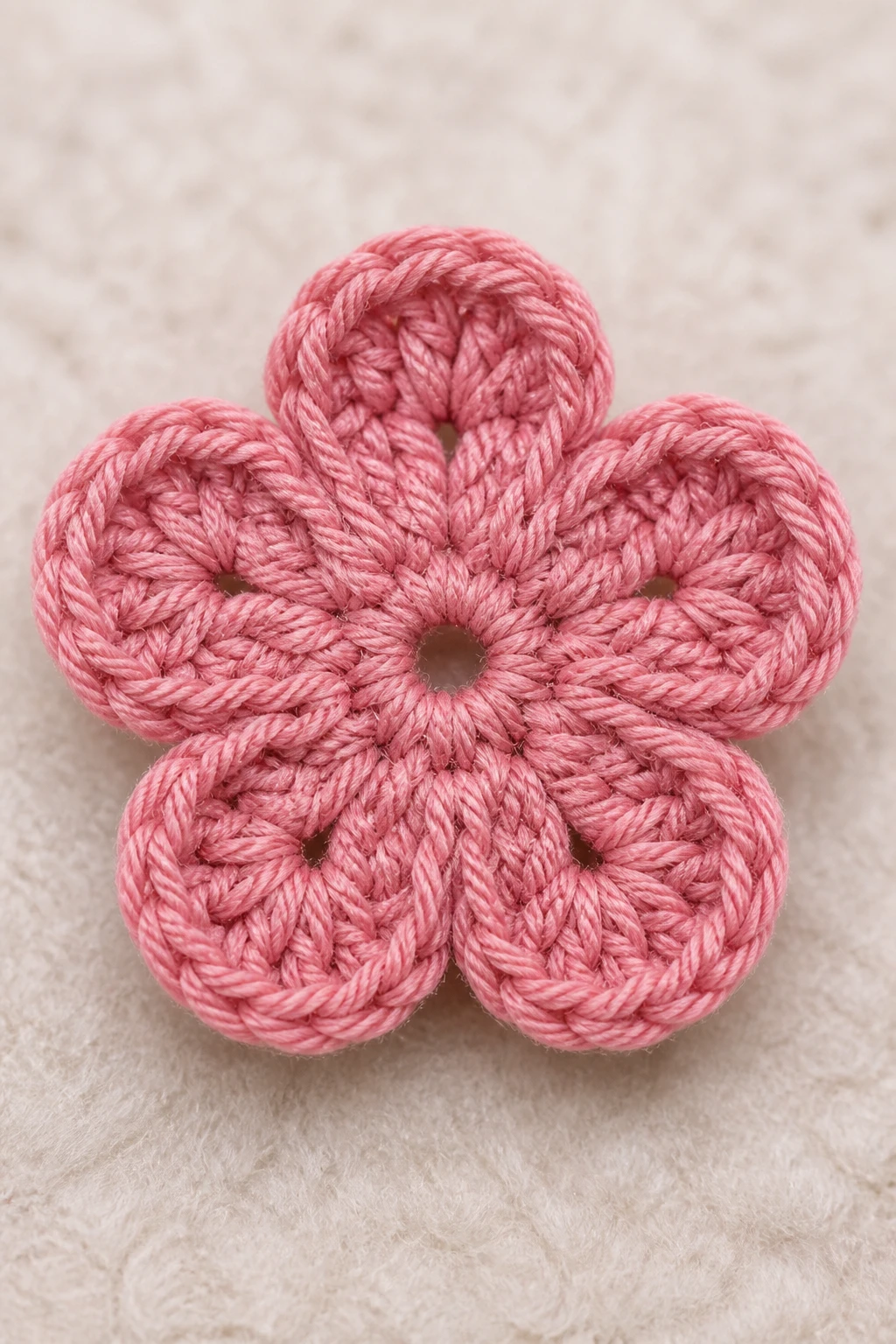
This is the moment of truth: a finished flower that still needs a pep talk to stand up straight.
– The mistake: Skipping blocking, or blocking incorrectly, leaving petals curled or uneven.
– The effect: Blooms that look draped over a vase instead of perky and proud.
– How to fix: Block gently to set shape. Use steam blocking for natural fibers or spray with water and pin to shape.
Subsection: blocking basics you’ll actually use
– Pin the bloom to the exact shape you want, then let it dry completely before removing pins.
– For stiffer flowers, use a very light steam to set the shape—don’t soak it.
– If you’re in a rush, shape while the piece is slightly damp and let it finish drying in the posture you want.
5. Not planning color changes and color management
Color is the magic spark, but it can also be a slippery slope if you don’t manage it.
– Common missteps: Changing colors mid-petal without a plan, or clashing color combos that fight each other.
– Result: Flowers with muddy look, awkward transitions, or visible joins.
– Fix: Choose a color palette first and test color transitions on a small sample.
Subsection: color tips that actually help
– Use a color-mooling technique: pick a dominant color and 1–2 accents. Keep it simple.
– Change colors at the end of a round when possible to hide yarn tails.
– Weave in tails as you go, not all at once at the end. It saves you pain and stitches.
6. Tensioning in the wrong direction: pulling too tight or too loose during finishing
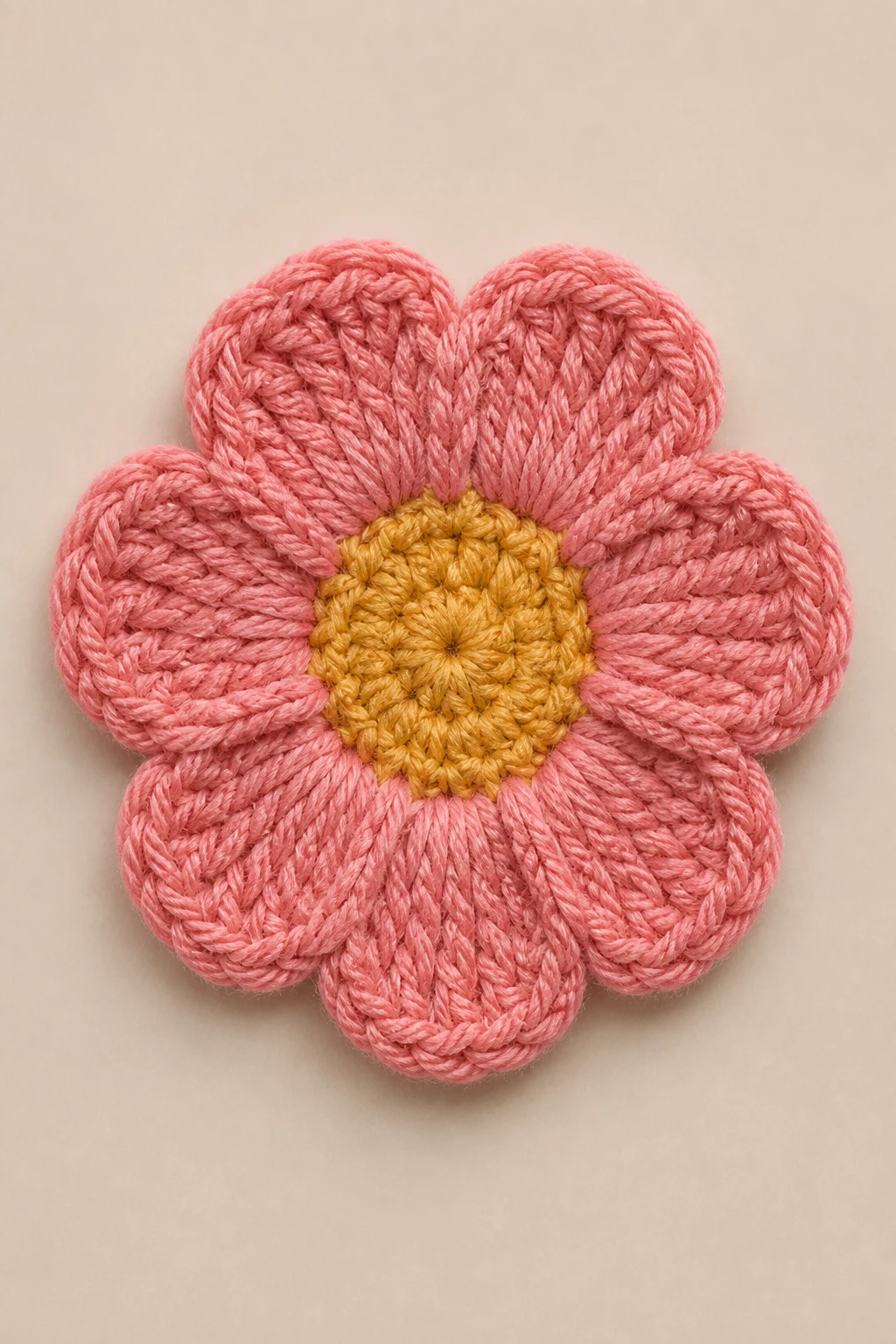
Finishing touches aren’t glamorous, but they make or break your bloom.
– The trap: You tighten the last rounds on the bloom and then the flower looks pinched.
– Outcome: Flattened edges, reduced petal curl, or a bloom that won’t sit nicely in a vase.
– Remedy: Keep finishing stitches comfortable. Stop before you reach last rounds to see if the shape looks right.
Subsection: how to test as you finish
– Hold the bloom and gauge how it sits. If it looks stressed, loosen a few rounds slightly.
– Try pinching technique in a spare moment to see how the flower holds its form.
– Remember: a little give is better than a permanently strained flower.
7. Not embracing blocking, shaping, and storage for longevity
Flowers aren’t static—they live in your world, which means moisture, dust, and handling.
– Mistake: Stashing finished pieces in a bag without shaping or protecting them.
– Result: Corners get warped, colors fade from sun exposure, or powders accumulate.
– Fix: Store in breathable bags or boxes. Keep away from direct sun. Shape on a flat surface or in a shallow container.
Subsection: easy maintenance routines
– Lightly spritz to refresh and reshape petals when needed.
– Use a soft brush to remove dust; don’t rub hard.
– If you’re displaying them often, consider a light spray of fabric protectant designed for craft fibers.
8. Productively ignoring mistakes: learning from bad results
Mistakes happen. The real win is what you do after.
– Why it matters: Each bloomed mistake teaches you something about tension, shaping, and color.
– How to approach it: Take notes, photograph your blooms, and compare to patterns or tutorials.
– Bonus: You’ll save time later by not repeating the same misstep.
FAQ
How do I know if my flower is under tension or over-tensioned?
If your petals curl inward tightly or the bloom feels stiff as a board, you’re likely over-tensioned. If edges droop, stitch work feels loose, or you can squish the petals easily, you’re under-tensioned. Do a quick gauge check and adjust your hook size or tension.
What’s the best yarn for beginner crochet flowers?
Cotton yarn is a good starting point because it holds shape well and weaves cleanly. Look for a smooth cotton in a light to medium weight. Avoid very fuzzy or slippery fibers when you’re just learning.
Should I block each petal individually or the whole flower?
Blocking the whole flower generally yields the best results because it lets the shape settle uniformly. You can block petals individually if you want extra definition, but the whole-flower method is simpler and effective.
How can I fix a flower that’s already glued to a vase or frame?
Gently steam and reshape around the vase or frame while supporting the other petals. If the glue is stubborn, consider removing the bloom and reattaching after reshaping. Always test a small area first to avoid damaging the yarn.
Is it okay to mix different flower patterns in one bouquet?
Absolutely. Mixed patterns create a natural, varied garden vibe. Just keep color coordination cohesive and use a consistent finishing approach so the bouquet reads as intentional, not chaotic.
Conclusion
Crochet flowers aren’t just cute accessories; they’re a tiny design playground. When you dodge common mistakes—tension, yarn choice, petal shaping, finishing, color, and storage—you’re basically leveling up from hobbyist to bloom artisan. So next time you dive into a floral project, remember: test a swatch, plan your colors, block with intention, and breathe life into every petal with a little patience. If you mess up, no drama—you’ve learned something new. IMO, that’s the secret ingredient to the happiest, longest-lasting crochet blooms. Happy hooking, friend.