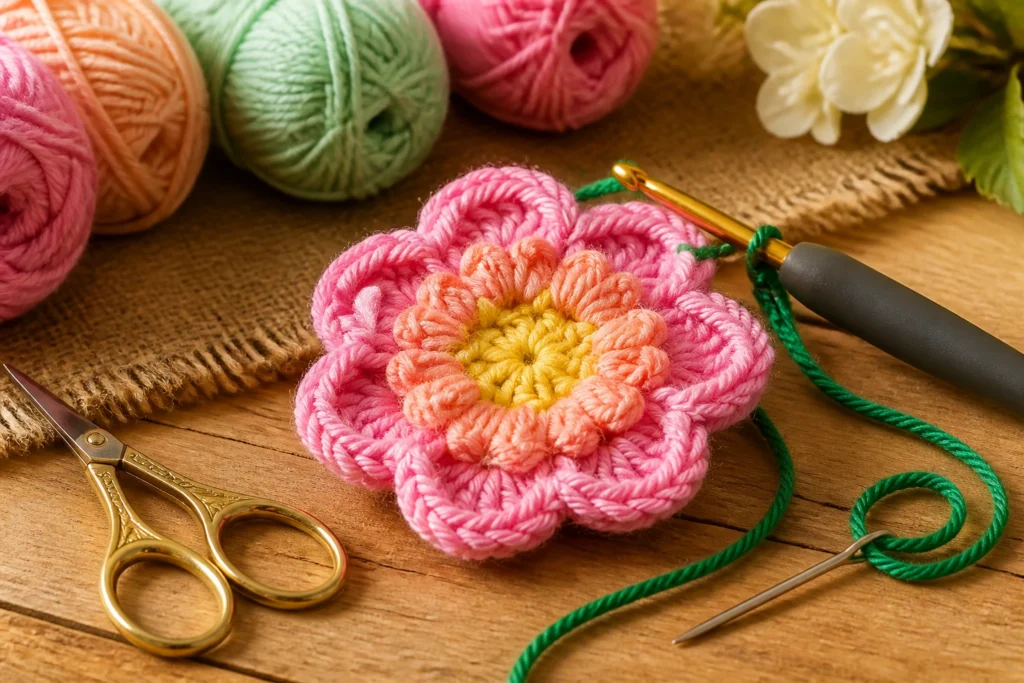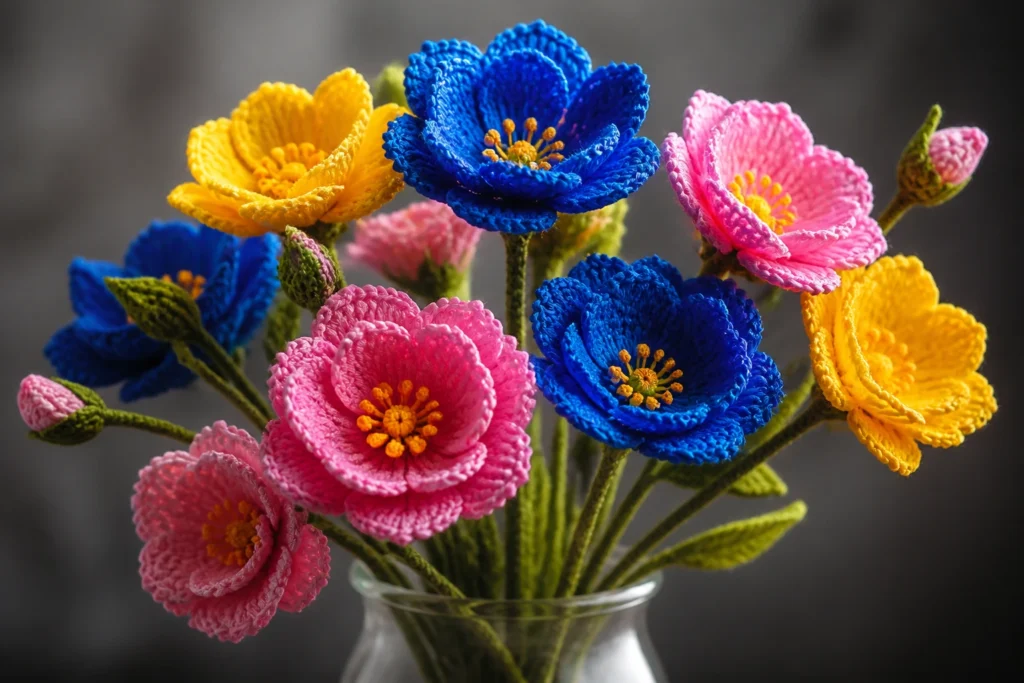

The tiny flowers you crochet deserve big love. The right yarn turns a delicate petal into a joy to stitch, not a snag-prone headache. If you’re chasing the best yarn for small crochet flowers, you’re in the right corner of the internet. Let’s find the perfect match for your blossoms without the drama.
What makes yarn great for tiny crochet flowers?
Choosing yarn for small flowers isn’t the same as grabbing a skein for a cozy blanket. You want detail, sticking power, and a finish that holds shape. Think fibers that behave, colors that pop, and a feather-light touch that doesn’t overwhelm the tiny stitches.
– Definition and stitchability: Fine yarns let you create crisp petals and defined centers.
– Slight shine and color fastness: Flowers look lively, not dull or faded after a wash.
– Durability: Small pieces should survive handling, not turn fuzzy or pill like an old sweater.
– Ease of gluing or sewing: If you’re turning flowers into accessories, you’ll want something that bonds well or stitches neatly.
FYI, not every superfine yarn works well for blossoms. The trick is balance: a thread thin enough for details, but not so slippery that the petals won’t hold their shape.
Best yarn families for tiny crochet flowers
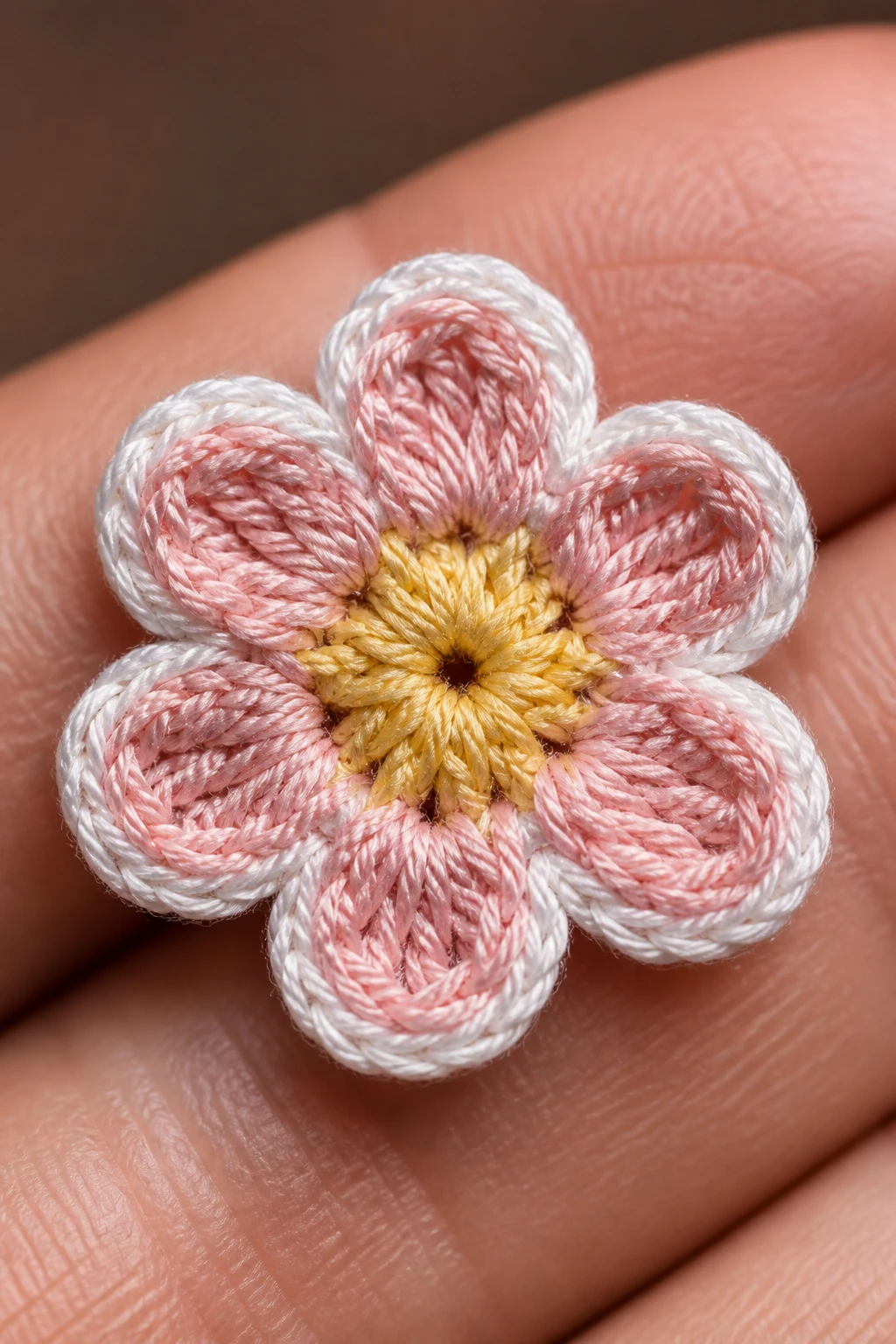
There are a few families that tend to shine when you’re making petite petals and centers. Each brings different vibes, so pick based on the look you want.
Mercerized cotton: crisp and color-fast
Mercerized cotton is a classic for small crochet. It’s smooth, a little glossy, and shows stitch definition like a champ.
– Pros: sharp petal edges, color holds beautifully, easy to sew or glue.
– Cons: slightly stiffer feel; not as forgiving on very tight tension.
– Best for: delicate posies, doilies, and applique flowers on garments.
Fine cotton blends: balance between softness and snap
If you want something a touch softer than pure cotton but still stitch-crisp, try a fine cotton blend (cotton+poly, or cotton+nylon in some cases).
– Pros: softer than mercerized cotton, still keeps its shape.
– Cons: colorfastness varies by brand; test first if you’re making a wearable piece.
– Best for: baby bouquets, headbands, and light accessories.
Lightweight acrylics: budget-friendly and forgiving
Acrylic yarns in Fingering or Sport weights can be surprisingly good for flowers, especially when you’re practicing.
– Pros: easy to find, inexpensive, forgiving with tension.
– Cons: can feel slightly fuzzy; petal edges may not be razor-sharp.
– Best for: practice blooms, whimsical garden pins, or large number of flowers for a bouquet.
Lyocell and bamboo blends: a luxe, smooth finish
These blends give a slick, smooth surface and are gentle on cotton-loving lovers.
– Pros: drape nicely, subtle sheen, good color carry.
– Cons: can be slippery to work with; check your hook size and tension.
– Best for: refined brooches, delicate tiny corsages, modern floral appliques.
Hooking up the right size: tiny flowers need tiny hooks
Finding the right hook can make or break your blossoms. The goal is clean, tiny stitches without collapsing.
– Start with a hook one size smaller than you’d use for a larger piece of the same yarn. That keeps your petals defined.
– If your stitches look loose, move to a smaller hook. If they’re too tight and won’t turn, switch up a size.
– For extremely fine petals, you might work with a steel hook in the smallest sizes your yarn supports.
Pro tip: swatch a single flower before diving into a whole bouquet. It saves you from crying into a skein of yarn later.
Color choices that make tiny flowers pop

Small flowers are all about precision color work. Subtle shading can turn a flat petal into something that feels alive.
– Solid colors work great for uniform, crisp flowers. They’re easy to match with leaves and backgrounds.
– Gradiated or shaded yarns give you instant depth without much effort. One yarn does the work for you; expect a slightly more complex colorplay in the petals.
– Contrast centers add focal interest. Try a darker yellow or a bright black or brown center to anchor the bloom.
– Colorfastness matters. If you’re making small flowers to attach to clothing, you’ll want colors that don’t bleed in the wash.
Texture matters: how fiber finish affects petals
Texture isn’t just about feel; it dictates how petals lay and how the flower keeps its form.
– Smooth finishes (like mercerized cotton) create clean, crisp petals that stand out.
– Soft, plied finishes add a touch of plush, which can be charming for cuddly décor but may need gentle shaping.
– Fuzzy or halo yarns look romantic but can blur edges. They’re fantastic for a vintage vibe but require careful stitching to keep centers visible.
Petal shapes and stitch strategies
Small flowers rely on clean stitchwork more than giant blooms do. Here are some go-to techniques.
– Magic ring or adjustable ring for centers keeps the middle neat without a hard knot.
– Picot edges can add dainty perimeter detail if your yarn holds a sharp edge.
– Increases and decreases control how round or flat a circle becomes, shaping petals with precision.
– Slipped stitches help tidy the joins when you switch rounds or attach to knots.
Fast-tracking with a simple five-petal flower
For beginners, a five-petal bloom is a perfect warm-up. Use a small hook, chain loosely, and use a simple puff or slip-stitch to form the petals. The key is keeping each petal proportional and evenly spaced.
Layered petals: depth without drama
If you want a little more dimension, layer two rounds of petals in the same color or a contrasting one. It adds texture and a sophisticated look without complicating the pattern too much.
Care, finishing, and keeping your flowers fresh-looking
Once you’ve crocheted a bouquet, you’ll want it to look good for ages. Here are practical tips.
– Blocking helps your petals keep a crisp shape. A gentle dampen-and-straighten approach works wonders for most cottons.
– Stiffening or shaping sprays are optional but handy if you want permanent forms for brooches or headbands.
– Fray-prevention threads or a dab of glue along the base can keep petals from fraying at the joins, especially if you’re using fuzzy yarns.
– Washing depends on the yarn. Cotton generally holds up well; most synthetics tolerate machine washing, but always check the label. FYI, some delicate blends prefer hand-wash only.
DIY project ideas: tiny flowers that bring big smiles
Tiny flowers aren’t just cute to look at; they’re versatile.
– Hair accessories like clips and headbands get an instant upgrade with a string of small blossoms.
– Greeting cards with little floral clusters glued on top—brownie points for texture!
– Bracelets and necklaces using a fine cord can showcase micro-flowers as a delicate centerpiece.
– Clothing embellishments can have a garden vibe with tiny floral appliques, especially on cardigans or denim jackets.
FAQ
What yarn weight is best for ultra-tiny crochet flowers?
For tiny flowers, use fine yarns, typically fingering weight or lighter (sometimes called 2-ply). These give you crisp petals without bulk. If you’re just starting out, a light DK can work, but expect a slightly chunkier bloom.
Can I use regular full-size yarn for small flowers?
You can, but you’ll end up with petals that are too thick and stitches that feel heavy. It’s not impossible, but it’s not ideal. You’ll sacrifice detail. If you’re experimenting, give it a try, but plan to switch to a finer yarn for the final look.
How do I prevent petals from curling or warping?
Block your flowers after shaping. A light steam helps set the petals. Using a snug gauge, keep tension even as you crochet. If you’re using fuzzy yarns, consider a light stiffener or a tiny stake in the center to help hold shape.
What’s the easiest way to attach tiny flowers to fabric?
Two simple options: sew them on with a needle and thread for a clean look, or glue them with a fabric-safe glue if you’re not sewing. If the project will be washed, sewing is more durable. FYI, a dab of fabric glue on the base can work for non-wash items.
How many petals should a small flower have?
Most tiny flowers hover around five to six petals. Five is classic and easy to loop; six gives a fuller look without becoming too busy. It’s a good idea to test a couple of counts in your swatch.
Do I need special needles or tools beyond hooks?
Not really. A good pair of tiny scissors, a tapestry needle for weaving in ends, and a fine glue applicator if you’re attaching pieces are all you need. If you’re stubborn about edges, a small, sharp perle thread needle helps for minute finishing touches.
Conclusion
Tiny crochet flowers aren’t just cute; they’re a chance to play with texture, color, and technique on a micro scale. The best yarn for your blossoms balances crisp detail, colorfastness, and a finish that stays true after all the handling. Mercury-straight cottons are reliable for crisp petals, while fine blends and luxurious naturals offer subtle drama. Try different yarns, see which bloom speaks to you, and don’t be afraid to mix yarns for multi-dimensional florals.
If you haven’t found your favorite yet, give a few weights a try, swatch, and compare. IMO, the magic is in the details: the way a single tiny petal catches the light, or the way your bouquet holds its shape after a gentle tug. Happy stitching, and may your tiny flowers bloom bright and bold. FYI, experimentation is part of the fun—so embrace it.