Knock, knock—the wrong hook might miss a loop, but the right one can unlock hours of cozy, crafty joy. Aluminum or plastic crochet hooks: which team are you on? If you’re sick of snagging yarn or gnawing at your hooks like a hamster, you’re in the right place. Let’s break down what actually matters when you pick a hook.
Why the material debate even matters
Choosing between aluminum and plastic isn’t just about price or color options. It affects how smoothly your yarn slides, how long your wrists stay happy, and how often you end up cursing at dropped stitches. FYI, tiny differences pile up into big wins (or big frustations) over a long project.
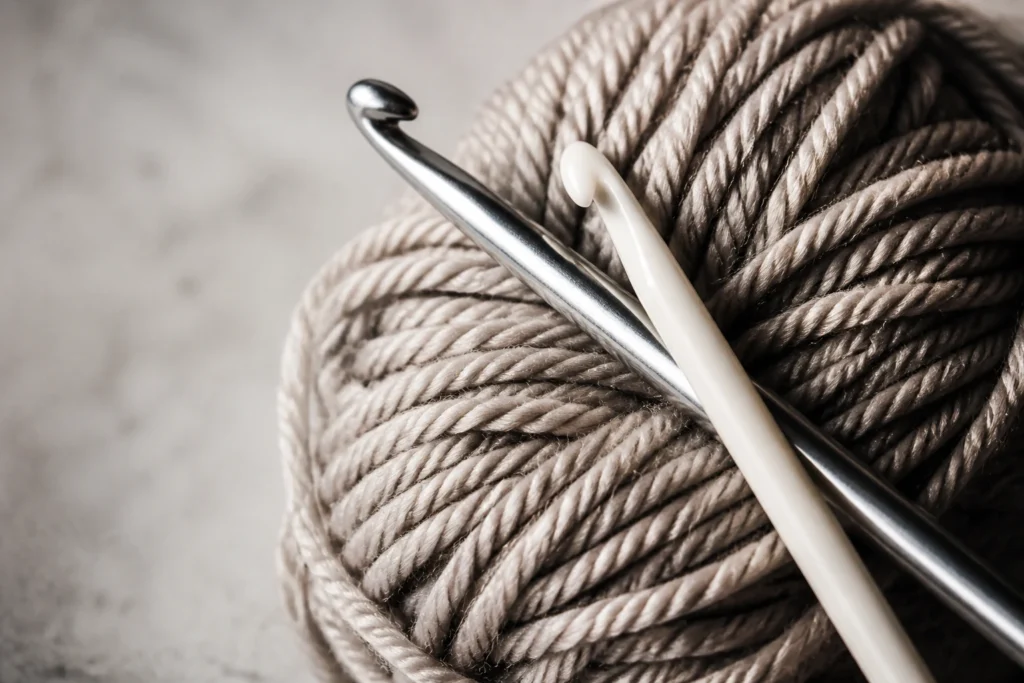
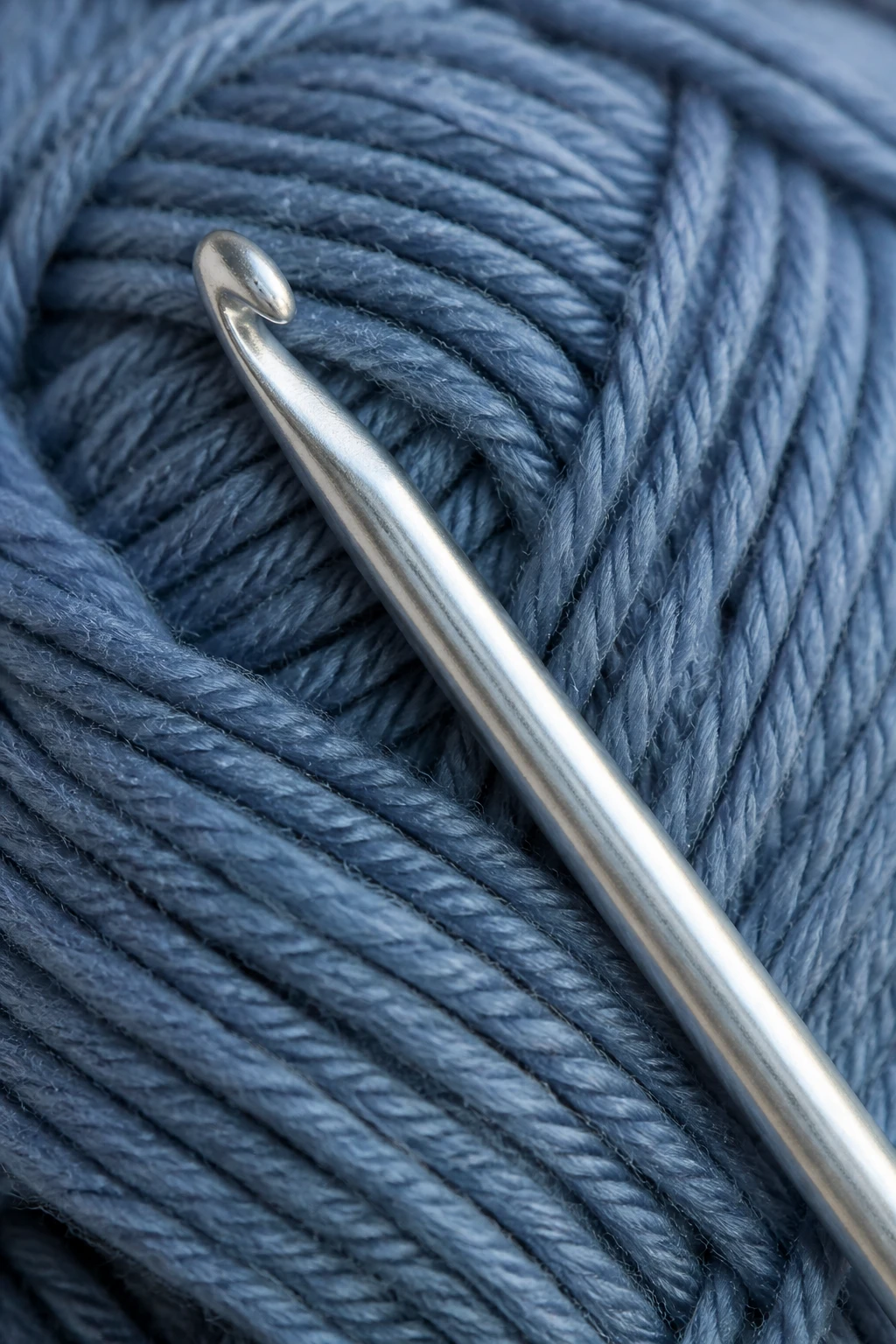
Aluminum hooks: the silver bullet—or is that a smirk?
Pros
- Slippery surface that loves smooth yarns. If your yarn is cotton or silk, you’ll fly.
- Durable as a tank. Drop it? Minor dent. Bend it? Unlikely. It’s built like a tiny metal Ninja.
- Sturdy for big hooks. If you’re into Tunisian stitching or chunky blankets, aluminum won’t quit on you.
Cons
- Cold or slick feel can take a minute to warm up to if you’re used to wood or resin.
- Weight can be a factor on long sessions. Some folks notice fatigue in the hand after a marathon row of stitches.
- Price can be higher than basic plastics, especially for craft sets with lots of sizes.
What type of hook profile matters most?
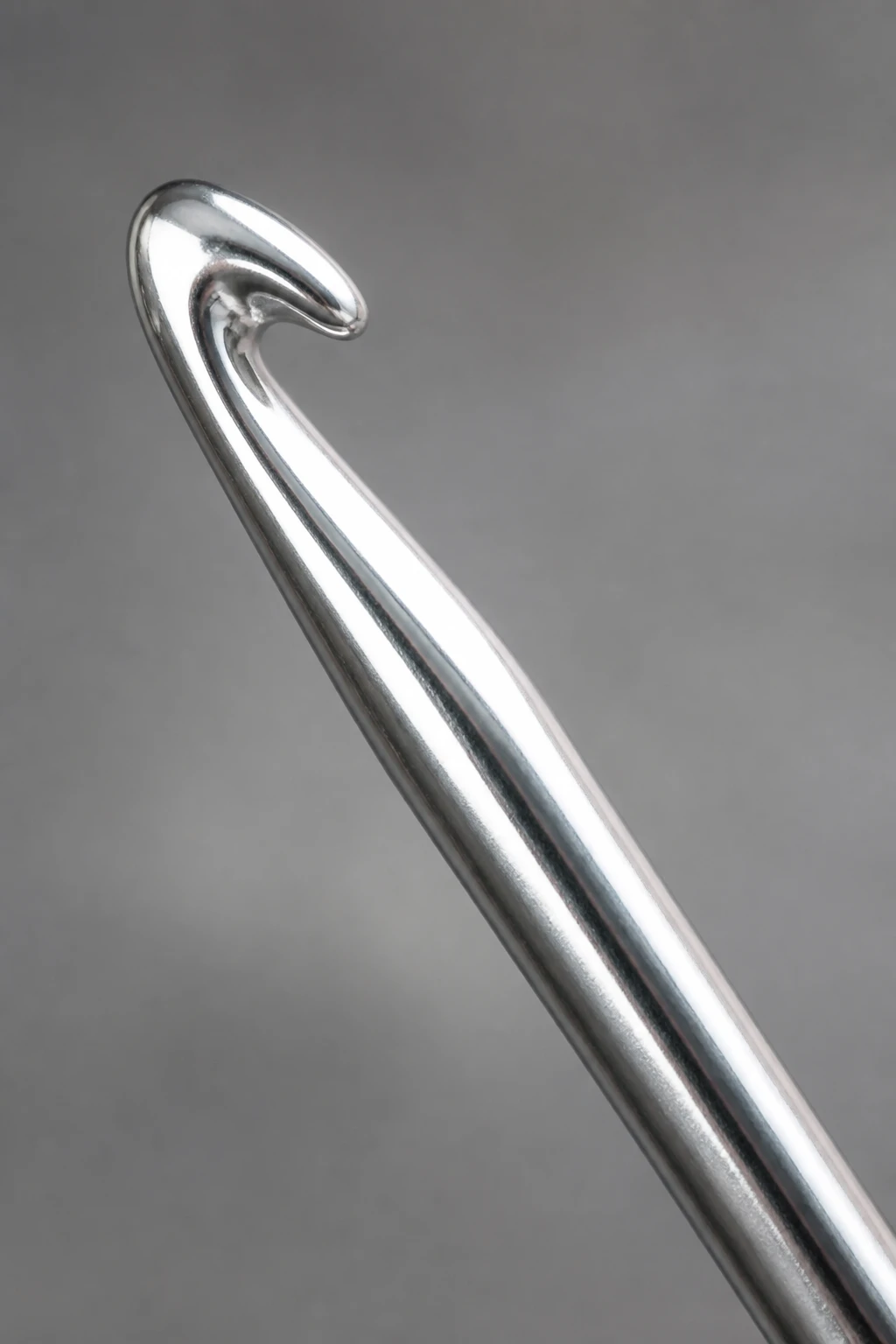
Aluminum hooks come in a few profiles—slim, ergonomic, knurled grips. If you grip with a relaxed, loose hand, a slim profile might feel too sharp. Ergonomic shapes that cradle your thumb can save your joints on a long project. FYI, it’s not a universal fix, but it helps a lot if you crochet with precision rather than panic.
Plastic hooks: color, comfort, and cost-cutting charm
Pros
- Affordable and lightweight. Great for beginners who aren’t sure how crazy they’ll get with yarn chaos.
- Warm, tactile grip on some models. If you’re into long sessions, a soft-touch plastic can feel like a hug for your hand.
- Colorways and fun shapes. Want a neon pink hook to brighten a gloomy project? Plastic has you covered.
Cons
- Less durable than metal. Dropping a plastic hook on concrete might leave a dent or a crack.
- Surface can be a tad sticky with certain fibers like bamboo blends or super-fine merino, which can slow you down.
- Smaller size range in higher-end crafts? Sometimes, yes. Budget sets may omit some larger or unusual sizes.
Ergonomics and grip: does plastic really help?
Some plastic hooks feature cushioned handles or textured grips that feel like a mini ergonomic upgrade. If your hands ache after a couple of hours, this can be a lifesaver. But beware—the grip may wear down with heavy use, and you’ll be back to square one. It’s a trade-off, not magic.
How the feel translates into actual projects

Do you notice different tension when you switch materials? Absolutely. Aluminum tends to glide, so your stitches can come out looser if you’re not mindful. Plastic, with a bit more friction, can help you keep tension consistent—especially for beginners or tricky stitches.
Yarn compatibility matters more than you think
Fine merino vs chunky polyester behaves differently on each surface. If you’re knitting with slippery silks, aluminum can help you move fast and smooth. If you’re working with fuzzy, halo-rich yarns, plastic’s grip might keep loops from sliding off the hook too easily. Try a quick test: chain a few stitches with each hook on your yarn and compare tension.
Project types: which hook shines where?
- Amigurumi: tight stitches and smooth shaping benefit from aluminum’s clean glide, but plastic can help keep tiny hands from cramping on long rounds.
- Garments: both materials work, but aluminum helps you cruise through larger, stock-stitch sections—just don’t overdo your wrist twist.
- Blankets and throws: heavier is not a crime. Aluminum can be your reliable workhorse; plastic keeps things budget-friendly for larger gauge projects.
Durability, maintenance, and care
Maintenance basics
- Clean regularly to remove oils and fibers that clog the hook’s throat. A quick wipe with a damp cloth works wonders.
- Avoid harsh cleaners. You’re not washing dishes; you’re just keeping your hook happy.
- Store in a padded pouch or dedicated case to prevent nicks and bending—especially for aluminum hooks.
Longevity expectations
- Aluminum hooks resist wear and keep their shape for ages. If you’re not a brutal dropper, they’ll outlive most other materials.
- Plastic hooks can crack or bend if they’re made from cheaper plastics. If your project involves aggressive tugging or long sessions, consider sturdier options or a backup metal hook.
Cost, value, and bang-for-your-buck
Let’s be real: budget matters. You don’t need to max out your credit card to crochet happily.
Prices at a glance
- Aluminum hooks: mid-to-high range, but many enthusiasts consider them a long-term investment due to durability.
- Plastic hooks: excellent entry point, especially for beginners or casual crocheters. Sets often give you a rainbow of sizes for a small price.
Value over time: do you save money with metal?
If you crochet a lot, aluminum reduces the need to replace hooks frequently. Think of it as buying fewer, better tools. On the other hand, plastic hooks allow you to experiment with sizes and grip styles without guilt. IMO, a small set of aluminum for your workhorse sizes plus a plastic starter set for variety is a smart combo.
Ergonomics and personal fit
Your grip matters more than you might admit. The wrong hook can cause wrist fatigue, leading to longer-term issues like tendinopathy or repetitive strain injuries. So, how do you find a match?
Size, weight, and grip feel
- Lightweight plastic for beginners who want easy handling.
- Heftier aluminum for those who prefer a stable, grounded feel and don’t mind a little extra weight.
- Ergonomic shapes can mitigate hand fatigue across long projects. Try before you buy if possible.
Experimenting safely
Start with a few rows in each material to see how your wrists respond. If you notice tingling or discomfort, switch sooner rather than later. FYI, listening to your body saves you from regrettable crochet-related drama.
Shiny vs comfy: the aesthetics of crochet hooks
Okay, yes, color and finish don’t affect the stitch, but they do affect mood. A tool you love looking at makes you more inclined to pick it up. Aluminum gleams like a tiny sculpture. Plastic hooks come in neon or pastel rainbows that could guilt-trip you into finishing a project just to show off the colorway.
Personal style matters
Do you want your hook to blend in or stand out? If you’re often photographing your work, a stylish hook might become part of your art. Just remember: style should support function, not sabotage it.
FAQ
Are aluminum hooks better for beginners?
Not necessarily. Beginners benefit from comfort and grip as much as glide speed. Plastic hooks with ergonomic handles can be friendlier when you’re still learning tension control. If you stick with crochet long-term, investing in a couple of aluminum hooks for key sizes makes sense later on.
Can I mix materials in a single project?
Absolutely. In fact, many crocheters do it for specific reasons—grip comfort on a long row with plastic, then switch to aluminum for a fast finish. Just keep an eye on tension consistency and your hand fatigue. FYI, it can be a mini science experiment, and that’s part of the fun.
Do nice plastic hooks exist, or should I always pick metal?
Nice plastic hooks absolutely exist. Look for high-quality, durable plastics with smooth throats on sizes you use often. They’re great for beginners or travel kits. If you want the best of both worlds, carry a compact plastic set for portability and a couple of aluminum hooks for performance.
What about maintenance—how often should I clean my hooks?
Wipe them weekly if you crochet often, more if you’re sweating over a big project in a sweaty season. Use a soft cloth with mild soap and water, then dry thoroughly. Don’t soak metal hooks; you’ll thank me later when they don’t corrode in the sink.
Is one brand better than another?
Brands vary in finish, weight, and grip feel. Some people are loyal to specific ergonomic designs. The best approach: try a couple of sizes and feels, then commit to what makes your yarn sing and your wrist happy. IMO, the most important thing is comfort and consistency in your hands, not the brand name on the hook.
Conclusion
Aluminum hooks bring a glidey efficiency and durability that many crafters swear by, especially for bigger projects or slippery yarns. Plastic hooks offer affordability, warmth, and ergonomic options that help beginners and travel crocheters. The real magic lies in picking what fits your grip, project load, and budget—and then keeping your wrists happy while you stitch your way to cozy creations.
So, are you team metal, team plastic, or a delightful hybrid? Try a few sizes and see how your hands respond. And if you’re still not sure, borrow a friend’s hook or swing by a local yarn store to test-drive a couple of options. Happy hooking, friend—may your stitches stay even and your yarn never end up on the floor.