Inline vs Tapered Crochet Hooks Explained
Ever picked up a crochet hook and felt like you wandered into a gear shop for wizards? The truth is, the right hook shape can turn a slog into a snack. Inline and tapered hooks are the two big camps, and they each have their quirks, plus their own fans. Let’s cut through the hype and figure out which one actually fits your style.
What exactly are inline and tapered crochet hooks?
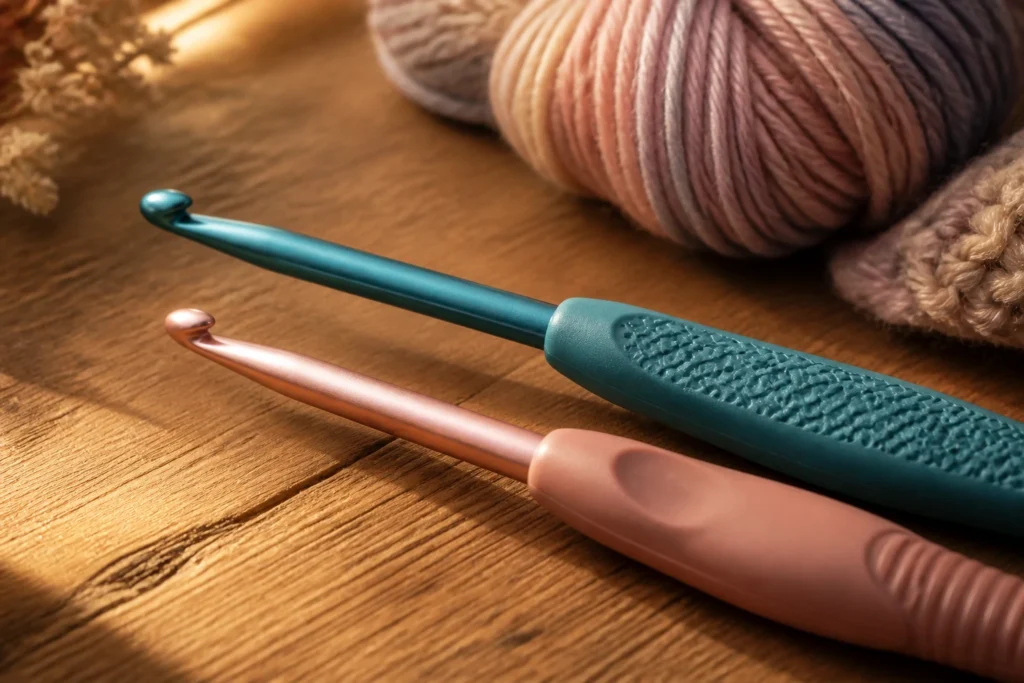
So, what’s the difference, really? An inline hook has a smooth, equal-width shaft from the head right to the handle. It feels like it belongs in a straight line, no surprises. A tapered hook narrows gradually from the head toward the grip. Think of it as a tiny funnel for your stitches, designed to guide yarn through with a little extra grip.
If you’re new to crochet tools, don’t worry — it’s not a secret handshake you need to decipher. It’s just about how the hook’s body meets the yarn. Inline hooks tend to feel balanced in hand with uniform tension. Tapered hooks prize aerodynamics for your grip and sometimes claim they help with snagging less yarn or pulling loops through easily. FYI, not all projects care about the shape; some people adore one style and never look back.
How the shapes actually feel while you work
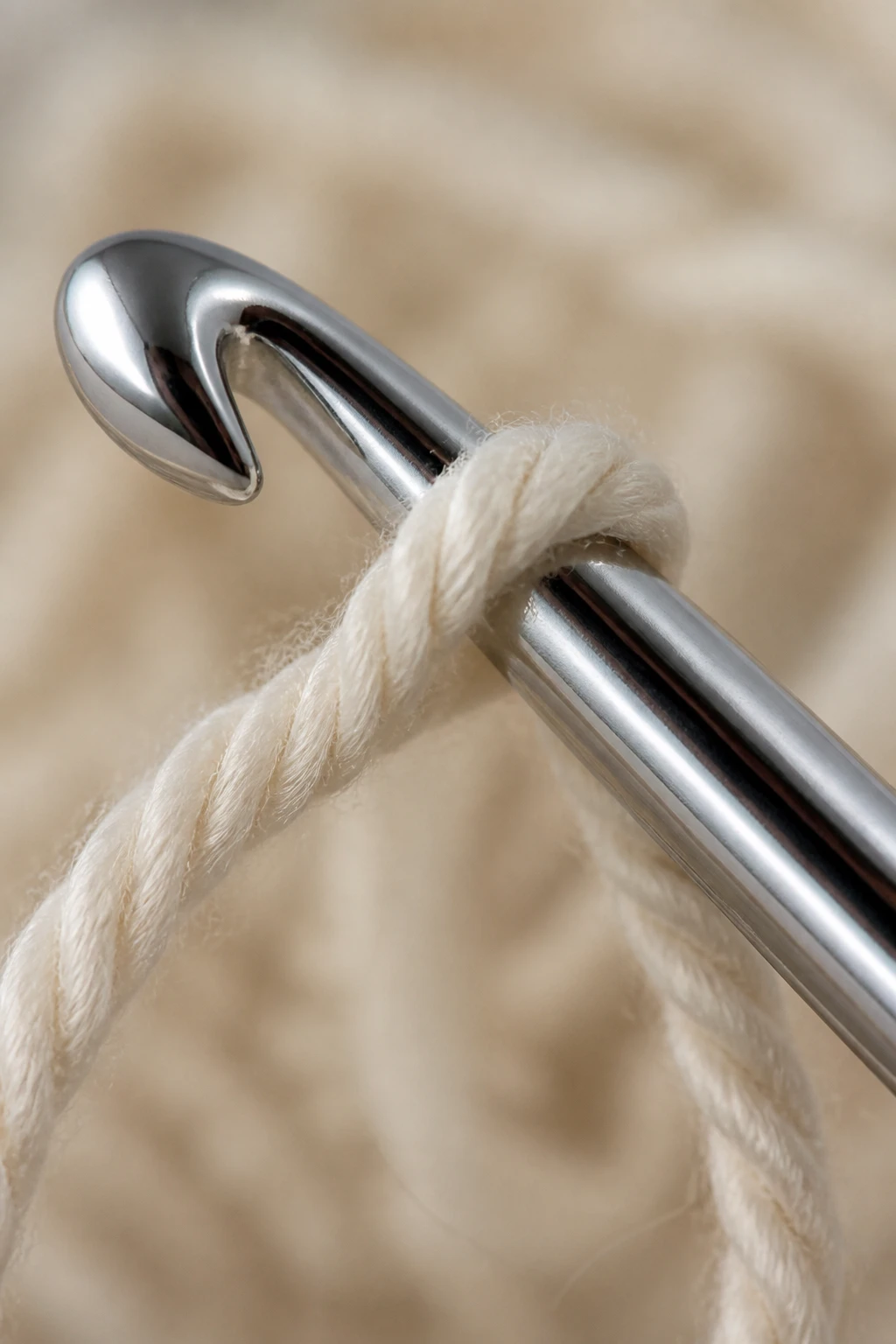
This is where the rubber hits the yarn. The feel of your hook can change your rhythm more than you expect.
– Inline hooks: Expect a steady, neutral balance. Your yarn glides along the entire shaft, and your grip stays compact. Great for tight stitches or projects that require consistent tension. Do you like feeling like you’re steering a calm boat or a rollercoaster? Inline is the steady boat.
– Tapered hooks: The narrowing shaft can feel like it’s guiding your yarn tip. Some crocheters swear the taper helps reduce snagging and gives a smoother transition into the stitch. Others find the narrowing area a touch fiddly, especially with slippery fibers like fingering weight silk. If you hate fighting with your yarn, the taper might be your friend.
Anecdotally, beginners often lean toward inline for a more predictable ride, while more experienced crocheters experiment with tapered hooks to chase a certain rhythm. But hey, your hands, your nerves, your yarn — your choices.
Which projects tend to shine with each hook type?
Not all hooks are created equal for every project. Let’s break it down by common uses.
Inline shines for:
- Sturdy fabrics with consistent tension, like granny squares or blankets with tight stitches.
- Projects that demand long, straight sessions without fiddling with the tool’s grip.
- Beginner swirls where you want predictable stitch formation.
Tapered shines for:
- Delicate yarns that like to snag less due to a guiding tip.
- Texture work where a smoother hand-off of yarn reduces fatigue.
- Projects requiring a light touch and quick transitions, like lace motifs or cables.
If you’re still unsure, try a quick side-by-side test on a small swatch. Use the same yarn, same hook gauge, but swap hooks halfway through. Do you feel the tension staying the same, or does one hook nudge you toward a different tempo? That’s your signal.
Ergonomics matter: grip, hand fatigue, and control

Hook design isn’t just about the tip and shaft. The handle and balance play huge roles in comfort.
– Inline ergonomic vibe: Often paired with a straight or slightly contoured handle. You’ll find many inline hooks that feel like an extension of your hand. If you crochet for hours, consider a cushioned or larger grip to reduce fatigue.
– Tapered ergonomic vibe: The taper can subtly shift the center of gravity, sometimes making it feel easier to pivot. Some people love a slim, nearly cylindrical handle that lets fingers rest in a natural grip. If you’ve got joint stiffness or cramping after sessions, test both styles to see which puts less strain on your hands.
Try this quick comfort test: hold each hook as if you’re about to crochet for 10 minutes. Do you notice any strain in your thumb, wrist, or grip? If yes, that’s your cue to lean into the one that feels more forgiving.
Materials, sizes, and the “feel” of different fibers
No, we’re not just chasing aesthetics here. Material and size change the experience, and the hook shape interacts with both.
– Materials: Aluminum hooks glide super fast and have a slick feel, which some people adore. Steel hooks are tiny champs for fine lace. Wood and bamboo offer a warm, grippy surface that slows you down a touch but can feel luxurious. The material can influence how a taper behaves too—wood might grab a bit more on a tapered shaft than metal.
– Hook sizes: A larger hook size creates a looser weave with bulkier stitches. Smaller hooks demand more precision. Inline hooks tend to feel predictable with any size, while tapered hooks might feel noticeably different as the shaft narrows. If you’re learning, you may want to start with mid-range sizes to avoid fighting both the hook and the yarn at once.
– Fibers: Slippery fibers (silk, bamboo, some acrylics) can benefit from a hook with a little grab to avoid slipping. Textured or bulky yarns can behave nicely on a smooth, inline shaft that keeps stitches even. Experiment to see what feels like magic for your favorite yarns.
Maintenance, durability, and how long these babies last
We’re not talking lifespans of pets here, but a well-chosen hook can last for years.
– Durability: Metal hooks tend to survive more wear and tear, especially if you drop them or jam them into a bag. Wooden hooks are gorgeous and warm but can crack if treated roughly or left damp. Inline vs tapered doesn’t drastically change durability, but the material choice does.
– Maintenance: Wipe metal hooks clean to avoid any dye or yarn residue tangling with future projects. Wooden hooks benefit from a dry cloth and occasional conditioning oil to keep the wood from drying out. A tiny bit of elbow grease after a messy project keeps both shapes happy.
– Longevity: If you crochet a lot, invest in a couple of mid-range hooks in both inline and tapered forms. You don’t need to go fancy on every project, but having options means you won’t crash into decision fatigue mid-swatch.
How to pick your path: a practical guide
Let’s turn this into action, not philosophy.
– If you’re a total beginner: Start with an inline hook in a comfortable material (aluminum or wood). It gives a straightforward feel and steady tension. Try a mid-size hook first, like a 5.5 mm or 6.0 mm, with medium-weight yarn. See how it sits in your hand, how your stitches look, and how long you can crochet before fatigue creeps in.
– If you love texture work or lace: Consider a tapered hook. The narrowing can help with fine stitches and delicate yarns. Go for smoother fibers to reduce snagging, and test small swatches to tune your rhythm.
– If you crochet a lot in short bursts: You might want a tapered hook for the grip and flow, or you might settle on inline if you crave a brisk pace. Either way, a comfortable handle is non-negotiable. Ergonomics beats fancy branding every time.
– If you’re chasing speed: Metal inline hooks with balanced weight can move quickly through yarn. If you find a tiny bit of snag free, a tapered hook might also speed you up by reducing friction in the right places.
– If you’re trying different hobbies or yarns: Keep both styles in your bag. A quick switch can save a project when you encounter a stubborn yarn.
FAQ: quick answers to common questions
Do inline or tapered hooks really change gauge?
Most people notice a subtle difference in tension, but the overall gauge should stay roughly the same if you’re using the same yarn and hook size. Your natural style and how you hold the hook can influence gauge more than the shape alone.
Is one style better for beginners?
Inline hooks tend to feel more predictable for someone just starting out. They smooth out the learning curve a bit because the shaft doesn’t narrow toward the grip. That said, you’ll hear plenty of seasoned crocheters swear by tapered hooks once they’ve found their rhythm.
Can I use any hook with any yarn?
You can, but you’ll get better results if you match hook size to yarn weight and fiber. A super-thin lace yarn with a chunky taper can look quirky. The goal is to reduce tangling and tension fluctuations, not to win a gear battle.
How do I know if my hook is too big or too small?
The rule of thumb is to test a swatch and check your fabric. You want stitches that look even and taut without feeling like you’re fighting the yarn. If your loops collapse or your fabric looks dense with stretching, you might need a different size or a different hook shape.
Are wooden hooks worth it for inline vs tapered?
Wood offers grip and warmth; many folks adore wooden inline and tapered hooks alike. They’re slower to glide than metal but can be kinder on the hands, especially for longer sessions. If you love texture and a cozy feel, give wood a shot for both styles.
In the wild: personal wins and misadventures
Here are a few relatable moments from the crochet trenches.
– The “one more row” trap with an inline hook: You get so used to the steady pace that you swear you can finish the entire blanket before dinner. Spoiler: you can’t, but you’ll regret nothing.
– The tapered hook that saved a lace project: While wrestling with a delicate mohair, the taper helped guide the yarn through tight stitches without snagging. The victim was not the yarn; it was the stubborn hook that finally surrendered to your new flow.
– The bag of hooks that never sees daylight: We all have that stash where a favorite inline lives and a favorite tapered lives, yet the one we reach for most changes with the project. Your hook soulmate isn’t set in stone; it’s whatever makes your hands happiest on a given day.
Experimenting without breaking the bank
You don’t need to max out your credit card to find your groove.
– Start with a small pair: Buy one inline and one tapered hook in the same material and similar sizes. A mid-range price point is smart until you know what you love.
– Borrow or swap: If you can, borrow hooks from friends or join a local crochet group to test different shapes. The feedback you get from real hands is gold.
– Keep a tiny note: Jot down what you used, what yarn, what project, and how it felt. It becomes your personal mini-guide for future shopping trips.
Conclusion
Choosing between inline and tapered crochet hooks is less about “right” and more about “fits my flow.” Inline hooks offer steady, predictable control and are great for beginners and steady paces. Tapered hooks add a guiding feel that can reduce snagging and improve rhythm on delicate or textured work. Both shapes have their superpowers, and you’ll likely end up with a small crew of favorites rather than a single hero.
If you’re starting fresh, grab an inline hook in a comfortable material and size to test the waters. Then pick up a tapered hook later to see if your approach to yarn and stitches shifts. FYI, there’s no one-true path here—only the path that makes your crochet easier, more fun, and a little more magical.
Happy stitching, and may your yarn never tangle in your coffee cup again.