Starting a new hobby can feel like staring into a yarn bin that’s somehow both chaotic and comforting. You don’t need a fancy setup to begin crocheting, just a few basics and a dash of curiosity. Let’s cut straight to the chase: here’s what you actually need to start crocheting today, plus practical tips to keep you hooked.
What you’ll actually need to start crochet (no fluff, just the essentials)
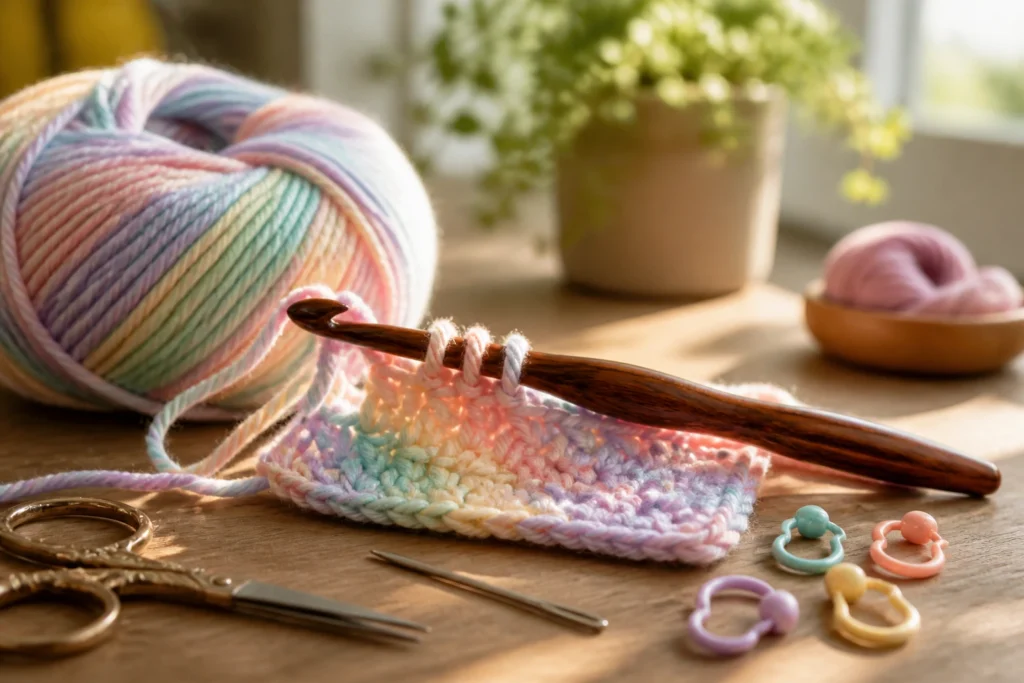
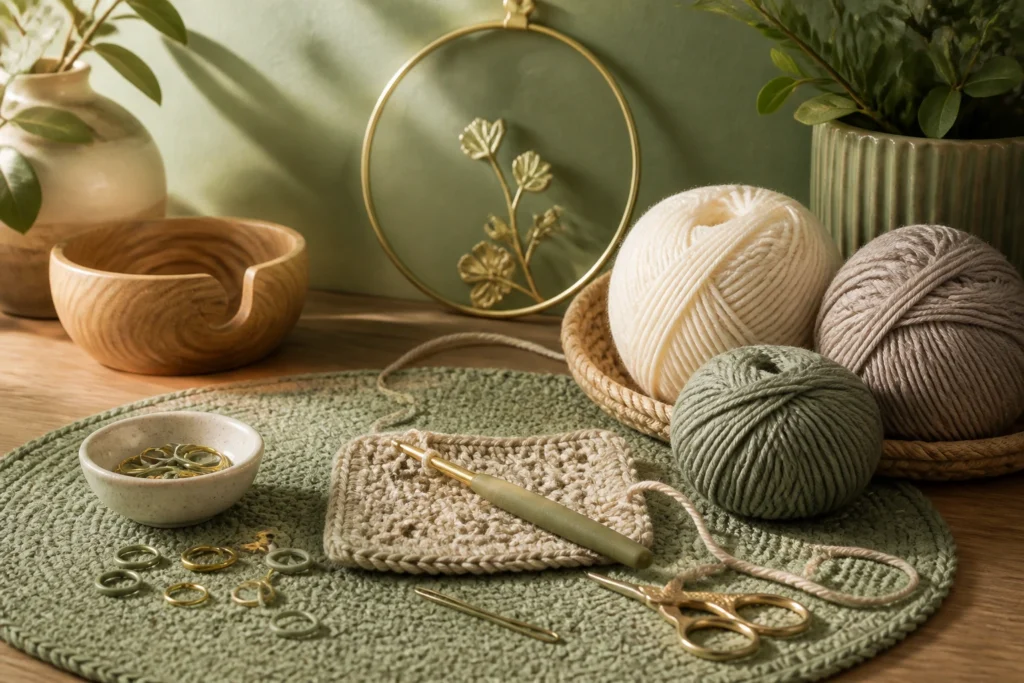
Crochet is one of those crafts that greets beginners with a friendly wink. You don’t need a ton of gear to get going, and you’ll learn a lot by doing. Here’s the bare minimum you’ll want in your cozy corner, plus a couple of optional extras that make life easier.
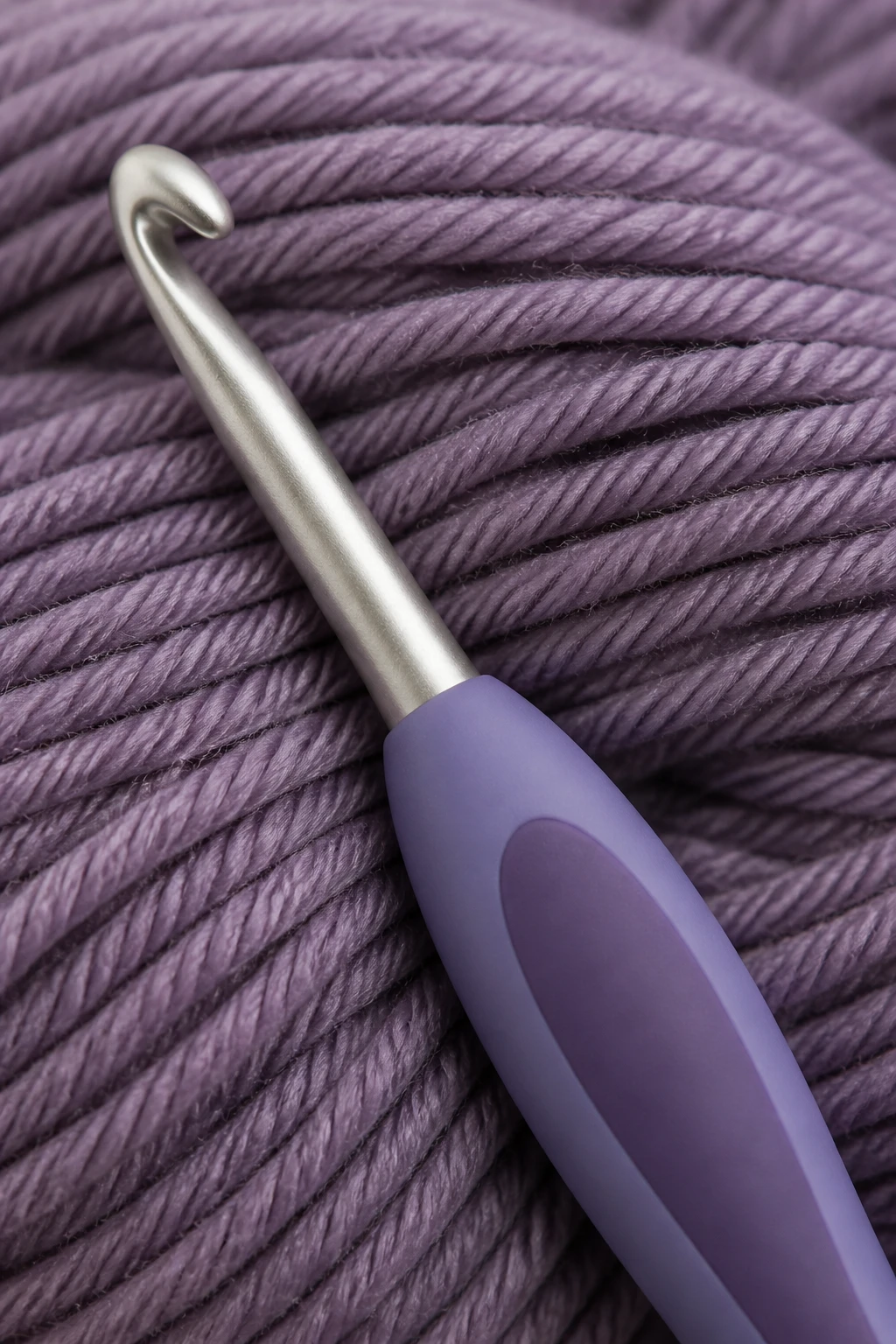
- Crochet hook – pick a medium size (G/6 or 4.0 mm) if you’re unsure. It’s the Goldilocks zone: not too big, not too small. Ergonomic handles can help if you plan to crochet for longer sessions.
- Yarn – start with a smooth, medium-weight yarn (often labeled as worsted weight or 4). Avoid fancy textures and novelty yarns until you’ve got the basics down; they can confuse your tension.
- Scissors – a small, sharp pair that you actually remember to put back on your desk. You’ll thank me later when you’re snipping ends like a pro.
- tapestry needle – also called a yarn needle. This is for weaving in ends and finishing your projects so they look polished.
- Stitch markers (optional but handy) – these help you keep track of your rounds or stitch pattern. Don’t stress if you don’t have them yet; you can use a scrap piece of yarn or a paperclip to improvise.
- Tablet or a stash of patterns – you’ll want something to reference, whether a beginner’s cheat sheet or a straightforward pattern you found online.
Let’s add a quick reality check: your first project will likely be a little rough around the edges. That’s not a failure; that’s growth. It’s like learning to ride a bike with training wheels. You wobble, you laugh, you keep pedaling.
Choosing your first project: what to make when you’re new
Your first crochet project should be something forgiving, quick, and with visible progress. Here are a few excellent starter options that won’t break your heart if you mess up a stitch or two.
- Dishcloths or washcloths – quick to finish, easy to wash, and the rhythm of a simple stitch pattern is perfect for building confidence.
- Beginner scarf – a long, straight project that teaches you basics without overwhelming you with shaping.
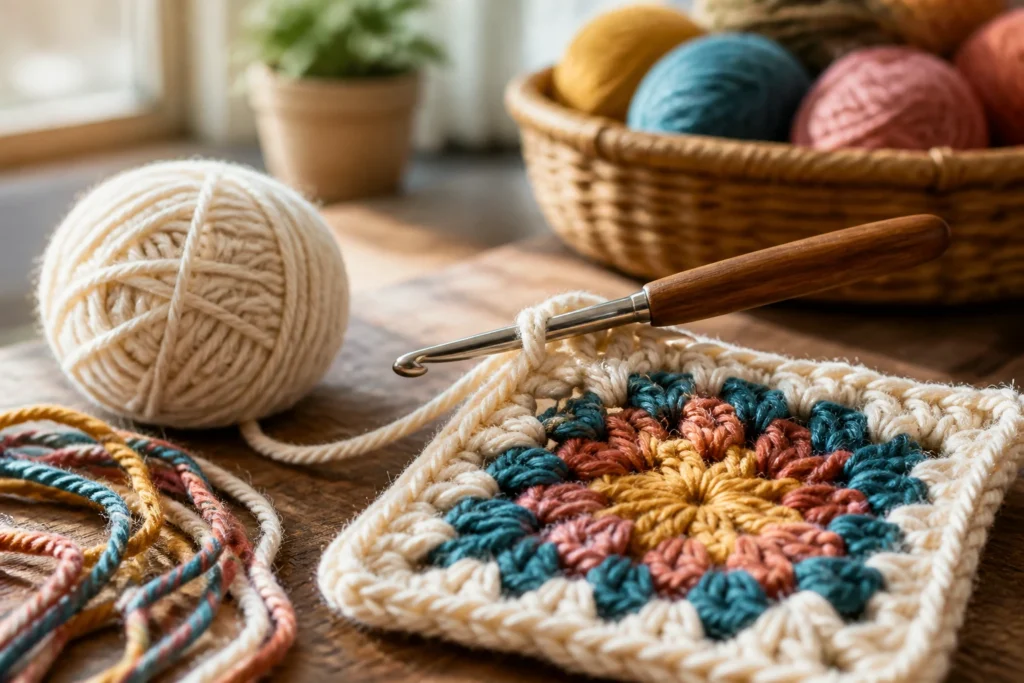
- granny squares – a classic for a reason. They’re modular, portable, and you can join them later into a blanket or bag.
- Headbands or simple hats – small, functional, and you’ll get to practice tension and even stitch gauge.
If you’re tempted by something fancier, I get it. But start simple and celebrate the tiny wins. By the time you finish that scarf, you’ll feel like a crocheting wizard.
Basic stitches you’ll use over and over
Understanding a handful of stitches will unlock a lot of potential. The good news: you only need a handful to begin making real pieces. Here are the core stitches you’ll rely on, with quick tips to keep your tension friendly.
Slip knot and chain (the warm-up)
– The slip knot is how you anchor your yarn to the hook. It’s tiny but magical because it unlocks your entire project.
– A foundation chain (ch) creates the base row for most projects. Don’t pull too tight, and don’t leave it too loose. Aim for a comfortable, consistent tension.
Single crochet (sc) and half-double crochet (hdc)
-sc creates a tight, sturdy fabric. It’s great for dishcloths and hats.
-hdc gives a slightly looser feel, which can be perfect for scarves and blankets where you want some drape.
Double crochet (dc) and treble crochet (tr)
– These stitches build height quickly and are perfect for blankets and warm accessories.
– Practice your tension; you’ll likely notice gaps if you yarn over or pull the working loop too tightly.
Tips to keep stitches even:
– Keep a relaxed grip on the hook; don’t white-knuckle it.
– Move your yarn with your thumb and forefinger rather than your entire hand.
– Count your stitches regularly—mistakes love to hide in the middle of a row.
Tension, gauge, and why they actually matter
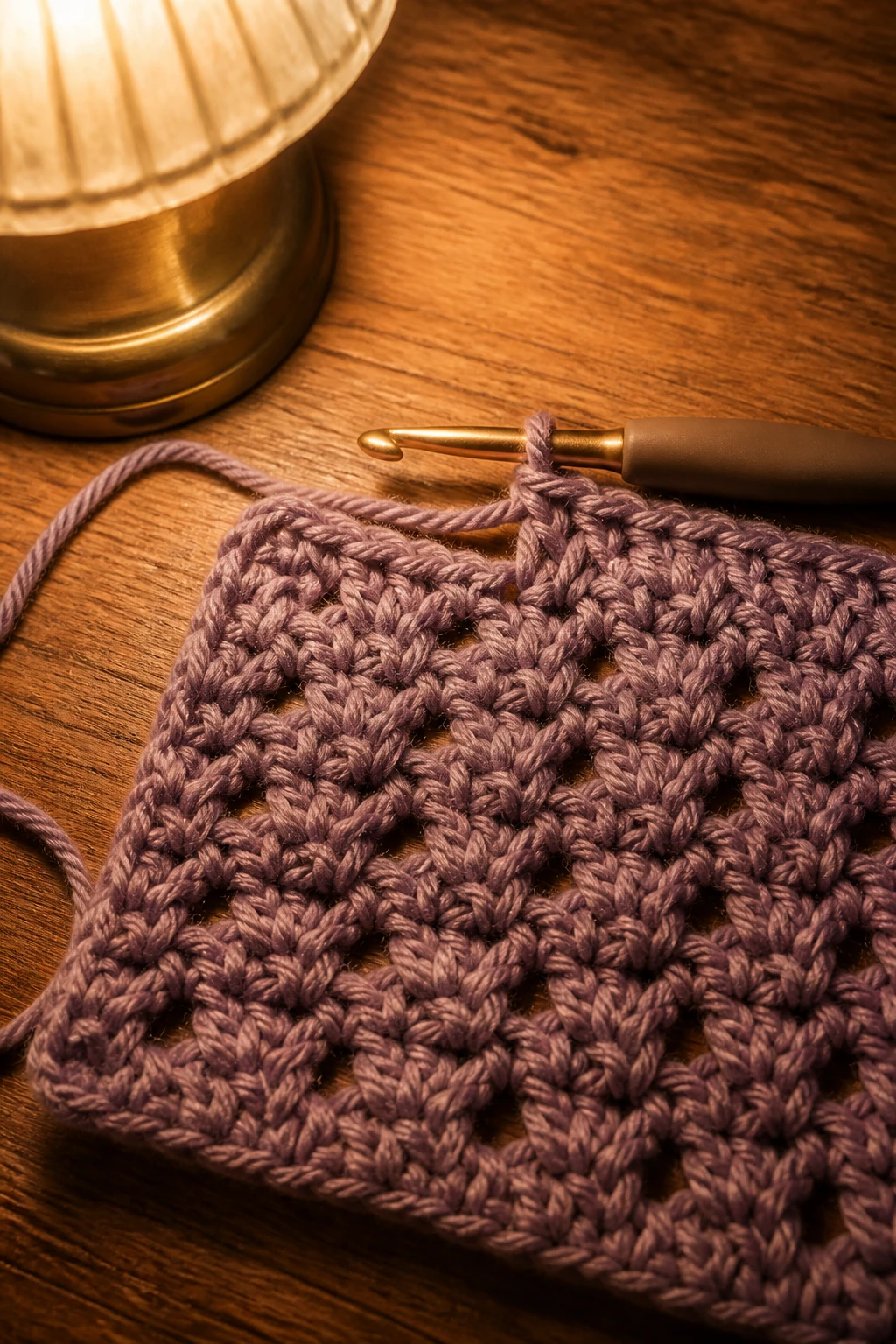
Gauge is the big boss of crochet. It determines whether your project actually fits or turns into a fuzzy sock animal. It’s not glamorous, but it saves you from shouting at your future self.
– Gauge is simply how many stitches and rows you get per inch with a given hook and yarn.
– If your gauge isn’t right, your blanket might come out as a scarf, or your hat could resemble a sleeping bag for a small cat.
– Swatch a tiny square before you commit to a big project. If your gauge is off, adjust the hook size up or down until it matches the pattern.
How to swatch quickly:
– Make a small rectangle with a few rows of your chosen stitch.
– Measure how many stitches and rows fit in an inch.
– Compare to the pattern’s gauge and tweak as needed.
You’ll probably end up underestimating how long a project takes. Humor your future self and build in a little extra time for mistakes, coffee breaks, and accidental yarn tangles.
Tools that actually make crochet easier (beyond the basics)
As you fall deeper into the hobby, you’ll discover little helpers that make life easier. Here are the practical upgrades that tend to stay in the rotation.
- Ergonomic hooks – comfortable grips reduce hand fatigue, especially for marathon sessions on a blanket or sweater.
- Lightweight, bright lamp – good lighting saves your sanity when you’re counting stitches and chasing tiny tails.
- Stitch markers – yes, they’re nice, but you’ll realize you actually use them a lot in patterns with repeating rounds.
- Yarn bowl or bag – keeps your yarn from rolling away mid-row. A small victory for organization.
- Project bags – keep your yarns, hooks, and patterns together. Bonus: you’ll actually finish things instead of starting a dozen projects at once.
Optional fun stuff for the nerds among us:
– A row counter to track rounds in circular patterns.
– A blocking mat and pins for shaping finished pieces (hello, blankets that lie flat instead of curling into a donut).
– A yarn winder and swift for a neat, tidy skein setup.
Color, texture, and choosing yarn without losing your mind
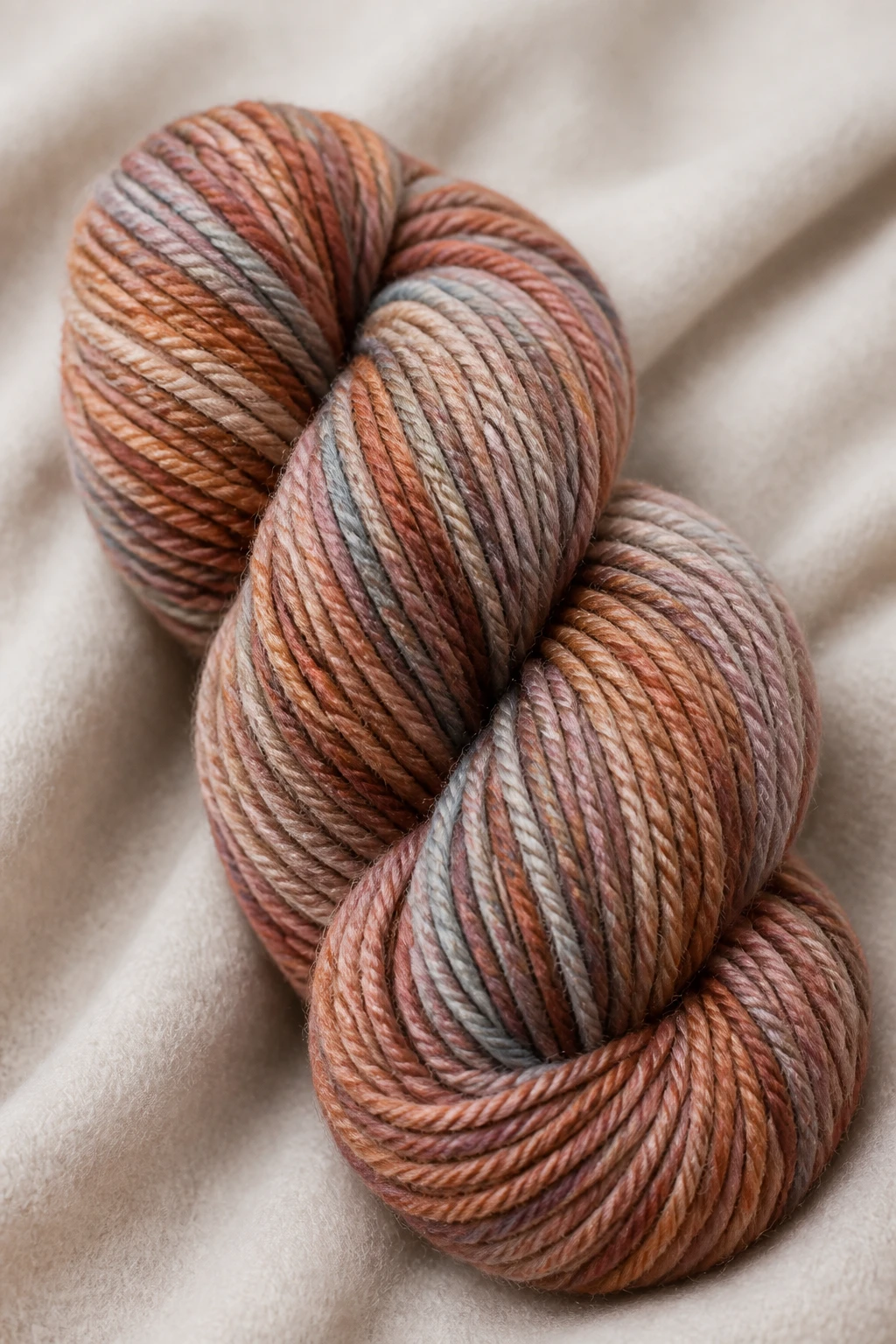
Yarn is part craft, part personality. It sets the mood of your project and can dramatically influence how much you enjoy crocheting.
– Start with acrylic yarn for beginners. It’s affordable, forgiving, and easy to care for.
– If you want something softer, look at blends like cotton/acrylic. They’re comfortable to touch and still beginner-friendly.
– Consider the weight: worsted (4) is the Goldilocks option for beginners—easy to handle, visible stitches, and a satisfying result.
– Don’t overthink color choices. A simple two-color project teaches you color changes, while a variegated yarn gives a fancy look with minimal effort.
Tips for color usage:
– Choose high-contrast colors when you’re learning a stitch pattern. It’s easier to see your stitches.
– If you’re using variegated yarn, let the color changes guide your pattern rather than forcing a complex design on top of it.
– Buy a small ball or skein to test feel before committing to a large project.
How to learn and stay motivated without burning out
Crocheting is a journey, not a sprint. The key is consistency, not perfection. Here are practical habits to keep momentum without burning out.
– Set small, achievable goals: “Finish a dishcloth this week,” or “Learn one new stitch this month.”
– Batch practice sessions: even 15–20 minutes a day adds up fast.
– Keep a simple project in your bag: you’ll be surprised how much progress you can make during commutes or waiting in line.
– Celebrate tiny wins: finishing a row without mistakes deserves a tiny victory dance.
If you get stuck:
– Watch a quick tutorial video on YouTube. Seeing the stitch in motion can answer questions you didn’t know you had.
– Text a friend who crochets and vent about a tricky stitch. You’ll both feel seen and less alone in the frog-stitch black hole.
– Take a break. A little distance helps you see the problem with fresh eyes.
Care, maintenance, and finishing like a pro
Your project isn’t finished the moment you tie off. Finishing touches matter for longevity and presentation.
– Weaving in ends: use a tapestry needle to hide loose ends securely. A neat tail tucked in a few stitches will survive washing and wearing.
– Blocking: for certain projects, especially garments and blankets, blocking helps even out stitches and set the final shape.
– Washing and care: check yarn label care instructions. Acrylics usually wash beautifully in warm water; natural fibers may need gentler treatment.
Common finishing mistakes to avoid:
– Leaving ends too short; they slip out.
– Not securing yarn tails well enough; you’ll notice pull-outs after a few uses.
– Skipping blocking on blankets; you’ll end up with a crumpled rectangle instead of a cozy square for a photo.
Projects that actually look good in real life (and not just in your progress photos)
If your goal is to show off your skill without drowning in complexity, try projects that look more impressive than they are.
- Textured scarves – use simple stitches in a block pattern to add interest without complicated shaping.
- Dish towels with a border – quick and practical, and you can test different border stitches for a subtle wow factor.
- Color-block blankets – large surface area means you can switch colors as you go, without fancy colorwork math.
- Simple hats – learn to shape with decreasing rounds; your friends will be impressed with your “adult” skills.
If you crave more challenge:
– Try a shawl with a basic lace pattern. It teaches you how to read charts and manage larger projects.
– Make a tote bag with sturdy stitches and a simple strap. It’s useful, too, which helps with motivation.
FAQ
Do I need to buy a fancy, expensive set of hooks to start?
Crochet hooks come in many shapes and prices. Start with a basic aluminum or plastic hook in a mid-range size. If you enjoy crocheting, you can upgrade to an ergonomic handle later. You don’t need to break the bank to get comfortable.
What yarn weight should beginners use for their first project?
Worsteds (weight 4) are the sweet spot for beginners. They’re easy to handle, show stitches well, and you can finish a small project quickly. Avoid tiny fingering weight yarn until you’re comfortable with tension.
How long does it take to learn crochet well?
That depends on how often you practice and your goals. Most people start feeling confident after a few weeks of regular practice. You’ll level up gradually, and that’s part of the fun. Stay curious and don’t compare your early results to seasoned pros.
Is it worth watching tutorials, or should I just read patterns?
Both help, but many people are visual learners. A quick tutorial can overcome a stubborn stitch tension problem faster than a stubborn vibe check on your pattern. Mix both: follow a pattern, then jump to a short video if you’re stuck.
Can I crochet with DIY or leftover yarn scraps?
Absolutely. Small scraps are perfect for swatching and practicing color changes or new stitches. It’s a great way to test ideas without investing in a full skein.
How do I prevent yarn from tangling while I crochet?
A simple yarn bowl or a small basket helps keep your yarn from rolling away. Keep your working yarn snug but not tight, and unwind gradually as you work. If you’re moving around, a tote bag with a handle can keep your setup tidy.
Conclusion
Crocheting is an inviting hobby that rewards curiosity more than perfection. With a few basics—hook, yarn, scissors, and a needle—you can start turning strings into cozy, tangible things right away. Don’t overthink it: pick a simple project, practice the core stitches, and enjoy the small wins along the way. FYI, you’ll get better with every row you complete, and soon you’ll be stitching up blankets, hats, and baby booties with a smile. So grab your hook, pick a skein, and let’s get hooked—literally.