I’m guessing you’re itching to start your crochet journey, but the hook scene is a jungle. Which hook fits beginners best? What even is a “size G” vs “size J”? Let’s cut through the clutter and get you stitching with confidence.
Why the right hook matters more than you think
You can stitch with almost any hook, but the wrong one turns calm sweater weather into a gnarly session of cramping and dropped stitches. The good news? A beginner-friendly hook lot exists, and it doesn’t demand a fancy vocabulary. Pick the right size, comfort grip, and smooth shaft, and suddenly your chains glide like a well-oiled zipper.
– Comfort matters: ergonomic handles reduce hand fatigue.
– Smooth finish matters: snag-free metal or gleaming wood feels nicer to work with.
– Size matters: the hook’s gauge pairs with your yarn to keep your stitches even.
Hook types you’ll actually want to use

There are more options than toppings on a pizza, but you don’t need them all. Here are the ones most beginners reach for.
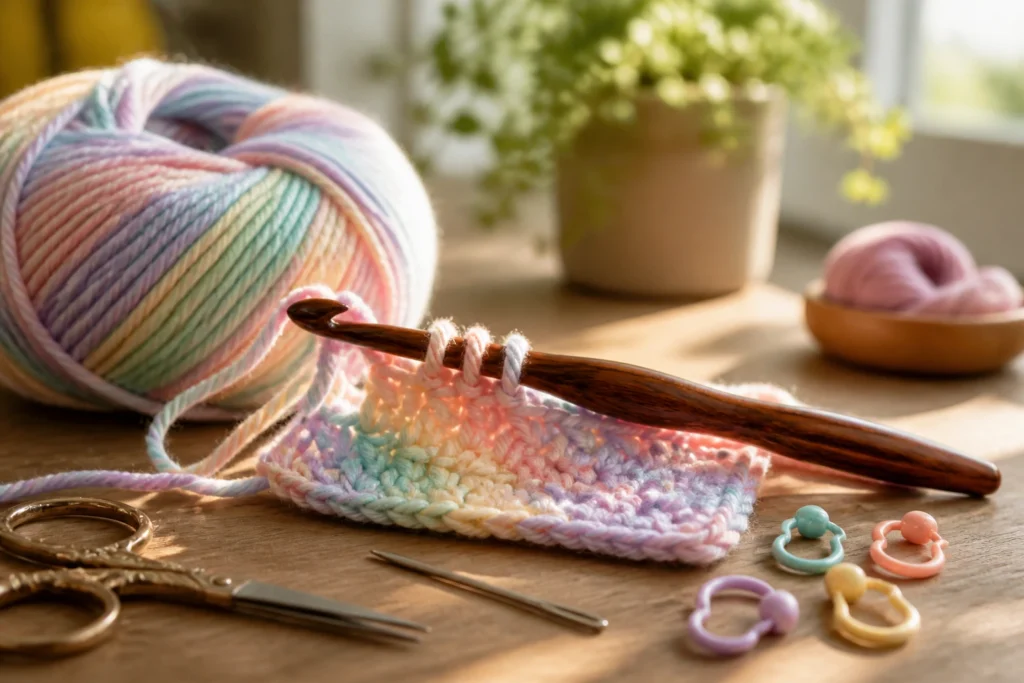
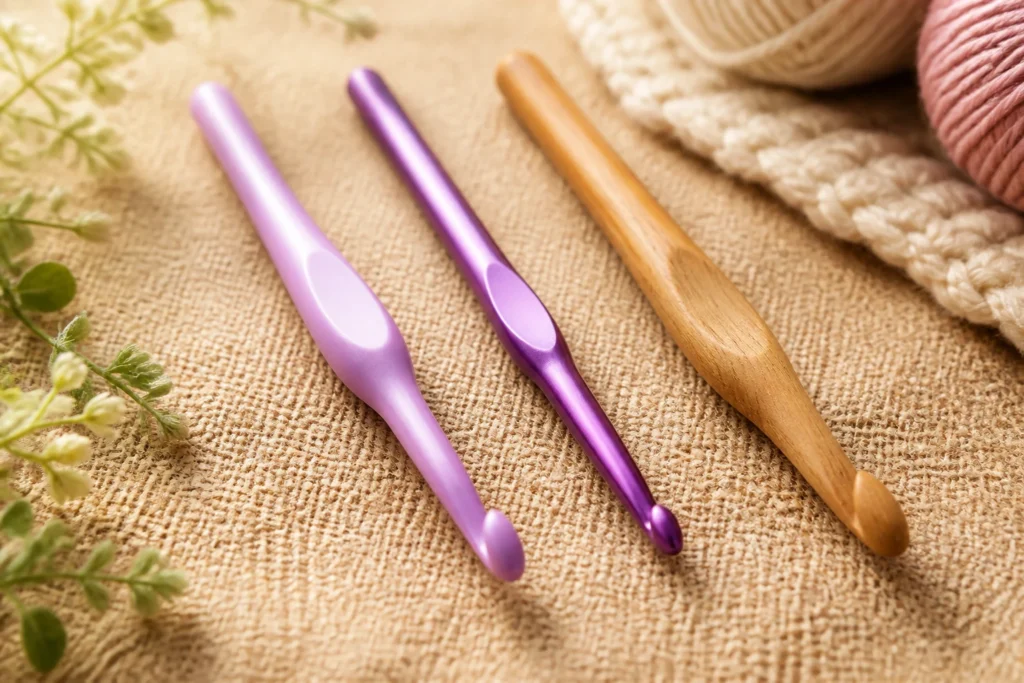
Plastic hooks are light, inexpensive, and forgiving. They glide nicely on cotton blends and acrylics, and you won’t cry when you misplace one at the coffee shop.
Aluminum hooks are fast, slick, and durable. If you want to feel like you’re crocheting at warp speed (okay, maybe it’s just a vibe), aluminum is your wingman.
Wooden hooks bring warmth and grip. They’re a bit warmer to the touch and can feel “cozy” in your hand. Some folks love the friction; others find it annoying. Try a sample if you can.
Ergonomic hooks with cushioned handles reduce fatigue during long sessions. If your hands complain after 15 minutes, these could be your best friend.
What size should a beginner start with?
Size is about yarn weight and stitch visibility. A common beginner setup looks like this:
– Yarn: medium weight (aka worsted weight, labeled “4”)
– Hook: size G (4.0 mm) or H (5.0 mm)
– Stitch: basic single crochet to start
Why these numbers? They’re forgiving. The stitches are big enough to see, your tension won’t be microscopic, and you won’t drive yourself to sarcasm-laden frustration too fast.
Quick tip: tension matters, but don’t chase perfection
Your tension will settle over time. If your gauge is off by a little, don’t panic—just adjust by going a hook size up or down next project. The goal is steady fabric, not laser-cut precision on day one.
Ergonomics and grip: your hands will thank you
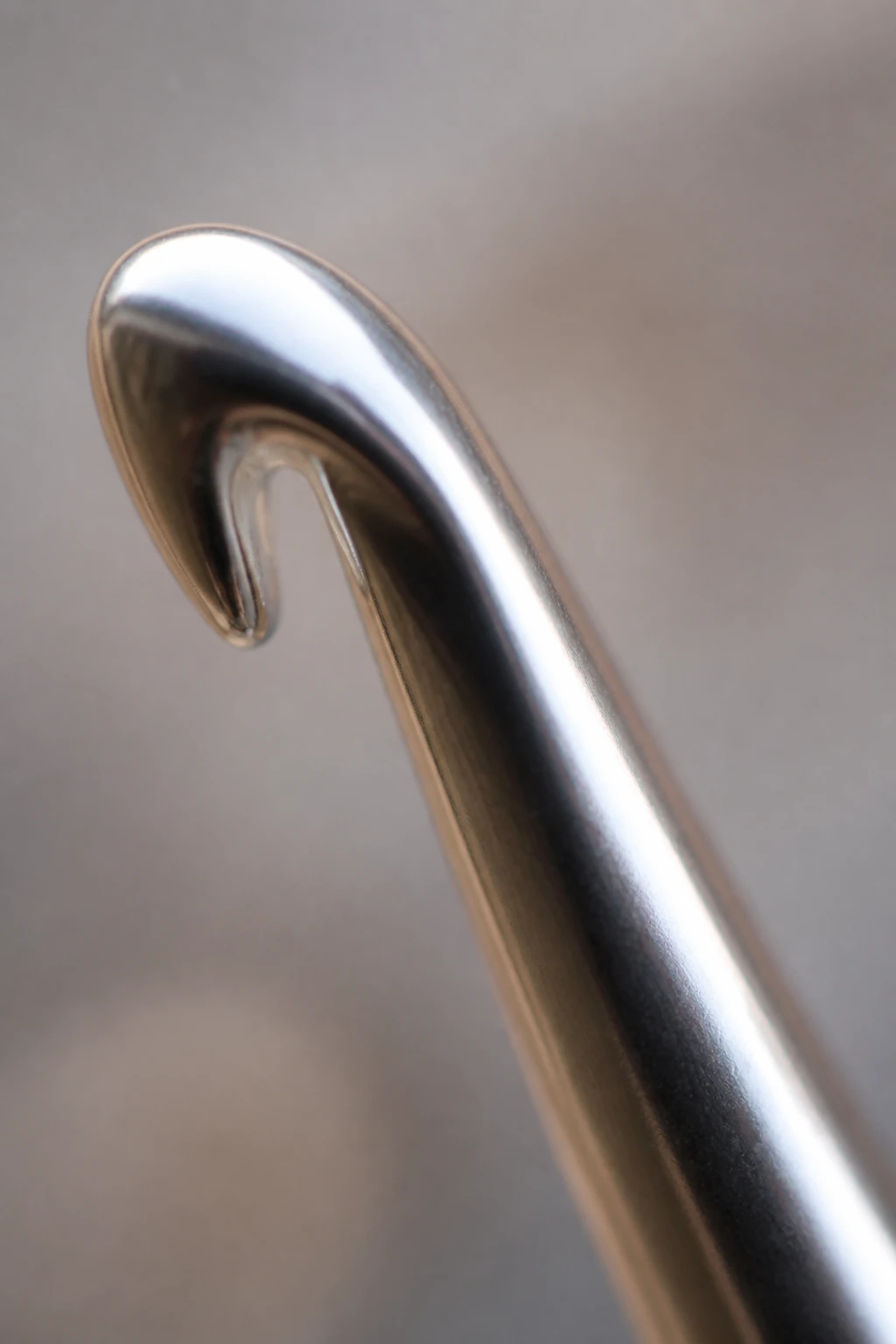
Crocheting should feel like a hobby, not a workout. Ergonomic grips can prevent fatigue and repetitive strain. Here’s what to look for:
– Soft, cushioned handles that cradle your palm
– A hook that isn’t too long or too short for your hand
– A smooth transition from grip to hook shaft to yarn guide
– Lightweight options for longer sessions
If you already have a grip complaint, consider a contoured handle or a silicone-coated grip. FYI, a coffee break helps too, but we’re here to keep you stitching.
Branding and price: what your budget gets you
You don’t need to break the bank to start. Here’s a sane way to think about it:
– Starter sets: Great value, multiple sizes in one package. You’ll figure out what you actually like.
– Individual hooks: If you know your preferred material, buy a couple of high-quality options.
– Mid-range vs budget: Budget hooks are fine for practice, but nicer joints and finishes last longer, reducing snags.
Tips to save money without suffering:
– Look for sets that include a crochet hook case. Convenience is a mood.
– Check craft stores’ loyalty programs for discounts on hooks.
– Consider secondhand options in good condition; many crocheters upgrade but still love their old tools.
Common beginner mistakes (and how to fix them fast)
Let’s stomp out the rookie vibes. You’ll thank me later.
– Mistake: Holding the hook rigidly.
Fix: Relax your grip, breathe, and let your wrist move. Loosen up and your stitches will even out.
– Mistake: Pulling yarn too tightly.
Fix: Let the yarn glide. If your stitches look like tiny knots, ease up a bit on tension.
– Mistake: Yarn snagging or hook catching.
Fix: A smoother hook finish and a properly sized hook for your yarn helps a lot. If you’re fighting every stitch, switch to a different hook type.
Perfect beginner hook pack: what to get
Here’s a practical starter kit that won’t overwhelm you.
- One ergonomic plastic hook in size G (4.0 mm) and one in H (5.0 mm) for variety
- One aluminum hook in size I (5.5 mm) for fast, smooth stitches
- One wooden hook in size F (3.75 mm) or 6 (4.0 mm) for feel and grip
- A soft-grip handle attachment for one of the ergonomics hook options, if you want to customize
- A small pouch to keep everything organized
What to do if your hand hurts
– Stop and stretch your fingers every 15–20 minutes.
– Try a lighter yarn and larger hook to reduce stress.
– Consider a soft-grip or cushioned handle. If pain persists, take a break and chat with a professional.
Choosing hooks for different projects
Starting small is smart, but you’ll want the right tool for the job.
– Baby blankets and chunky scarves: bigger hooks (H to K range) with bulky yarn look fast and feel satisfying.
– Garments and delicate lace: smaller hooks (D to F range) with lightweight yarn require precision and patience.
– Amigurumi (cute little stuffed figures): tighter stitches often need smaller hooks (B to E) to hold shape.
Subtle nuance: hook length and yarn compatibility
Some hooks feel faster or slower depending on yarn weight and fiber. Metal hooks can fly on slick synthetics, while wooden hooks grab slightly more on cottons. Try a sample swatch with your yarn to see what clicks for you.
Community picks and real-life experiences
No one wants to feel alone with a new hobby. Here’s what fellow beginners and seasoned crocheters say.
– “I started with a basic plastic hook and a ball of worsted weight yarn. It felt approachable, like a tiny win every evening.” – Mia, newbie
– “Ergonomic handles saved my wrists during a late-night crochet binge.” – Raj, former skeptic turned fan
– “I keep a tiny hook in my bag for impromptu projects. It’s oddly empowering.” – Lara, casual creator
FAQ
What size hook should I start with for worsted weight yarn?
For worsted weight yarn, start with a size G (4.0 mm) or H (5.0 mm) hook. These sizes make stitches visible, tensions manageable, and projects land on the right scale without mutiny.
Are wooden hooks better for beginners than metal?
Not necessarily. Wooden hooks offer a warm feel and grip, while metal hooks are slick and fast. If you tend to drop stitches or hate slippery surfaces, start with wood or a cushioned ergonomic option. If you love speed, metal might win you over. Try both if you’re undecided.
How many hooks should a beginner own?
Start with 2–3 hooks in common sizes (G, H, and an optional I). As you tackle different projects and yarn weights, you’ll naturally add more. You don’t need a full set right away.
What’s the best way to practice without getting overwhelmed?
Keep projects small and doable. A simple scarf in a single stitch or a baby blanket square helps you nail your tension and rhythm. Set aside a fixed practice time, like 20–30 minutes, and celebrate tiny wins.
Can I crochet with the same hook for all yarns?
You can, but it’s not ideal. Cotton, wool, and synthetics behave differently. For big projects with bulky yarn, you’ll want a bigger hook. For delicate yarns, a smaller hook helps keep stitches tight and even.
Conclusion
Starting with the right hook sets the tone for everything that follows. It reduces fatigue, improves stitch quality, and keeps the joy intact as you level up. Start with a light, comfortable setup, keep a few basic sizes on hand, and let your yarn guide your choices. IMO, your future self will thank you for being practical now rather than stubborn later.
If you want, tell me what yarn you plan to use first and I’ll tailor a super-simple starter hook plan for you. FYI, you’ll get hooked eventually—pun totally intended.