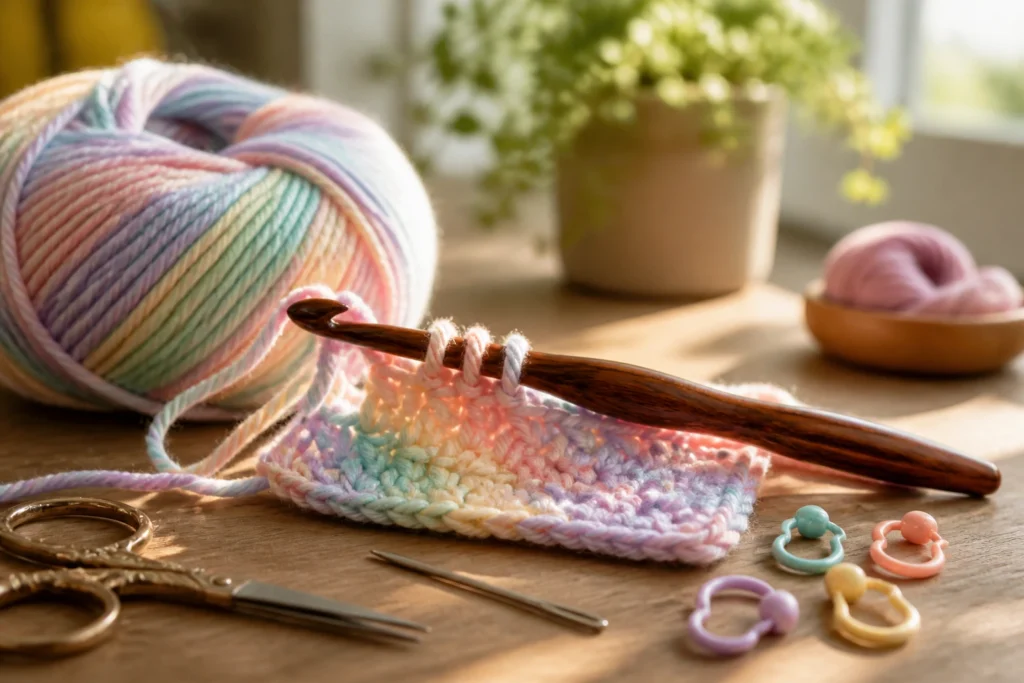
It’s a simple question with a surprisingly sweaty answer: how long does it take to learn crochet? Spoiler alert: there isn’t one perfectly tight timeline. It’s more like a friendly sprint that sometimes turns into a cozy long-distance jog. You’ll feel progress in your fingers, not just in your brain, and that’s the fun.
What counts as “learning crochet” anyway?
Before we time-box this, let’s agree on what “learn crochet” means. Do you want to tie a basic scarf in a weekend, or are you aiming to create intricate granny squares, amigurumi, or bridal lace? The level you want to reach shapes the timeline. If your goal is simply to chain, single crochet, and finish a quick project, you’re already on your way in a few hours. If you dream of perfect tension and flawless colorwork, you’re in for a longer, more rewarding journey. FYI: both paths are valid.
Starting out: the first few hours and days
– Expect to learn the basics in one sitting or over a couple of short sessions.
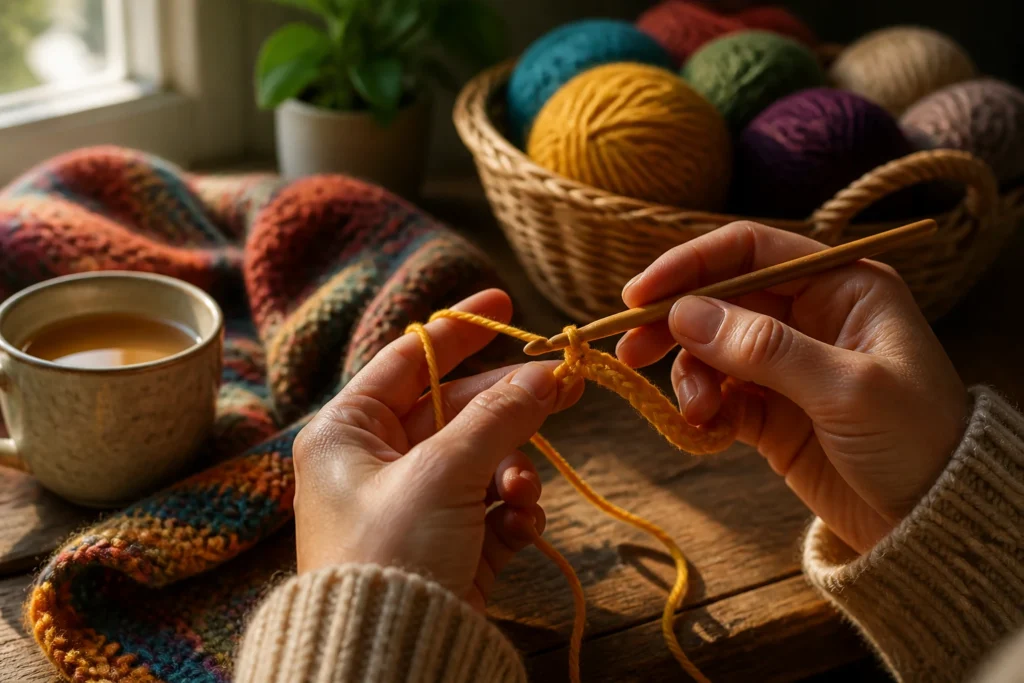
– You’ll pick up: how to hold the hook, how to wrap the yarn, and how to make your first chains.
– Your first project will likely be something forgiving, like a simple scarf, dishcloth, or a mug cozy.
What you’ll actually practice in those early days
– Gripping the hook and stabilizing your yarn
– Making basic stitches: chain, single crochet, and double crochet
– Troubleshooting common issues: crooked edges, tight stitches, and dropped stitches
– Short tips to accelerate early success:
– Use a light, smooth yarn and a hook size that feels comfortable.
– Work in a well-lit space and take mini breaks to avoid hand cramps.
– Finish small wins. Completing a tiny project boosts motivation more than adding another row on a swatch.
How fast can you see tangible results?
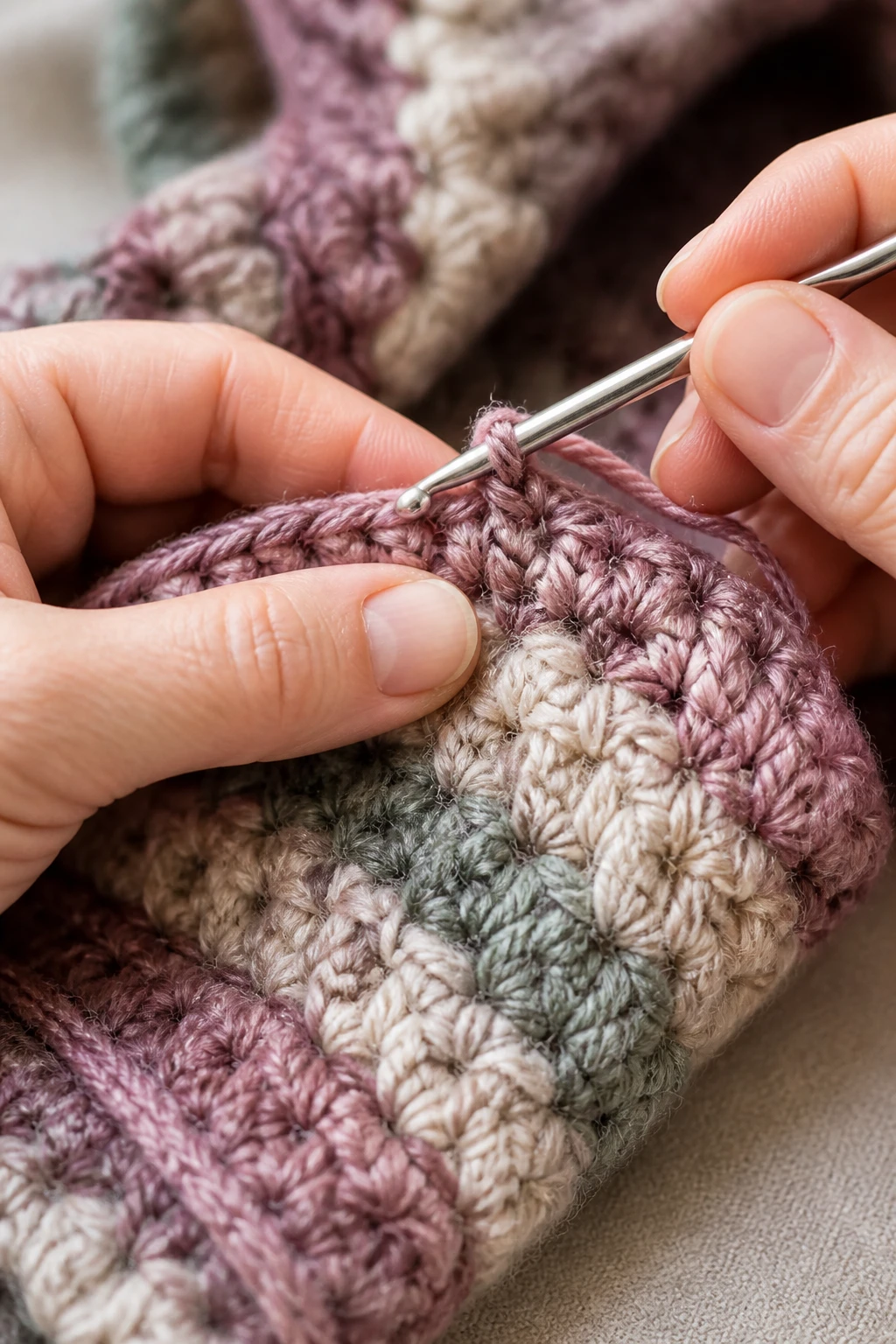
A lot of beginners wonder: will I be knitting in a week or two? Crochet tends to reward consistency more than intensity. If you practice 15–30 minutes several times a week, you’ll likely finish your first small project within 1–2 weeks. If you go full-tilt, you can crank out a simple scarf in a weekend. The vibe check: progress comes in baby steps, not giant leaps.
The reality check for impatient crafters
– You’ll improve stitch consistency as your hands memorize the motions.
– Your gauge will wobble at first, then settle into a rhythm.
– My tip: keep a crochet journal or a quick photo log. It’s amazing to look back and see how far you’ve come.
Mastery milestones: what “learning crochet” looks like over time
Think of your learning curve like a staircase with five common landing spots.
– Stair 1: Basic stitches and a simple project
– You can chain, single crochet, and maybe do a basic double crochet.
– You complete a small warm-up project and feel accomplished.
– Stair 2: Consistent tension and better edges
– Your stitches start to look even.
– You’ll notice edges aren’t curling as much and your fabric sits flatter.
– Stair 3: More stitches, more patterns
– You learn half-double crochet, double crochet variations, maybe trebles.
– You experiment with ribbing, scarves with texture, and basic color changes.
– Stair 4: Reading patterns and following charts
– You sail through simple patterns without getting lost.
– You understand abbreviations and can adapt patterns to fit your yarn and hook.
– Stair 5: Finishing like a pro
– You learn weaving in ends, blocking for drape, and proper seam finishing.
– You tackle more complex projects: hats, sweaters, amigurumi.
Is it faster to learn with a teacher or on your own?
Both paths have pros and cons.
– Self-guided learning
– Pros: flexible, inexpensive, lets you move at your own pace.
– Cons: you might develop bad habits that take longer to unlearn.
– Classes or a crochet buddy
– Pros: feedback in real time, motivation, community, quick correction of technique.
– Cons: schedule constraints, cost.
My take: start solo to get comfortable, then join a short class or ask a friend to critique your tension. IMO, the social piece helps more than you’d expect.
How long does it take to transition from hobby to habit?
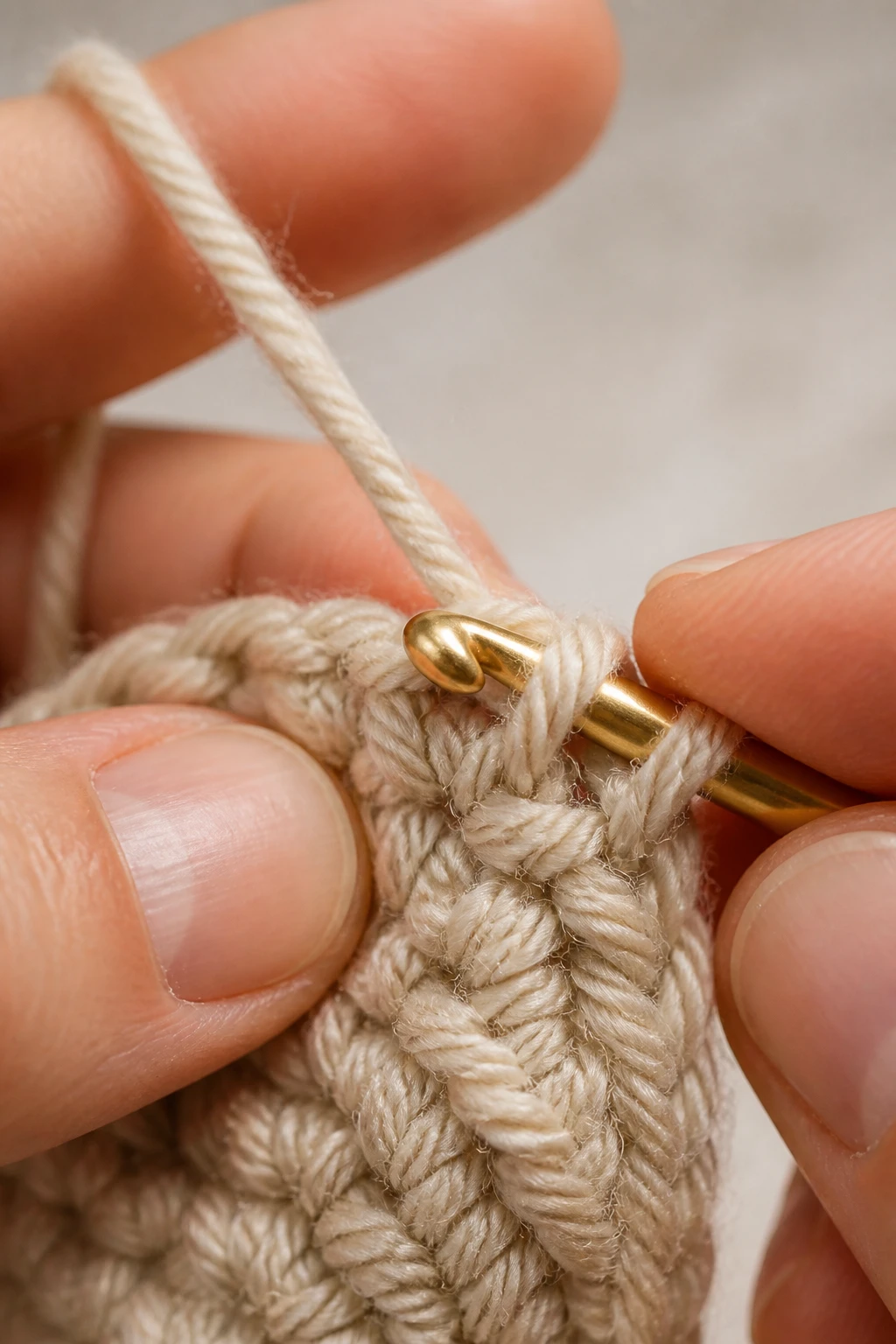
Habits form through consistency. If you crochet a little most days, you’ll create a routine in about 21–30 days. You don’t need long sessions—short, focused practice beats marathon sessions that leave you cranky.
– Suggested routine for steady progress:
– Weekdays: 15–20 minutes practicing stitches and a tiny swatch.
– Weekends: 30–60 minutes for a small project or a bigger swatch with multiple stitches.
– One targeted project per month to apply what you’ve learned.
Common speed bumps and how to blast through them
– Painful hands or wrist strain
– Breaks matter. Warm-up, stretch, and adjust your grip if you feel tension.
– Consider ergonomic hooks or lighter yarn to reduce strain.
– Tight stitches
– Loosen your grip, slow down a notch, focus on loose, even tension.
– Use a larger hook size for a while to build confidence.
– Dropped stitches and unraveling
– Learn to drop down one or two rows to rework a stitch cleanly.
– A crochet lifeline is just a scrap of yarn threaded into a row you know is correct.
– Pattern fatigue
– Rotate projects: switch between a simple scarf and a more involved project to stay engaged.
– Take notes on what you liked or found tricky for future reference.
Tools of the trade: what you actually need to get started
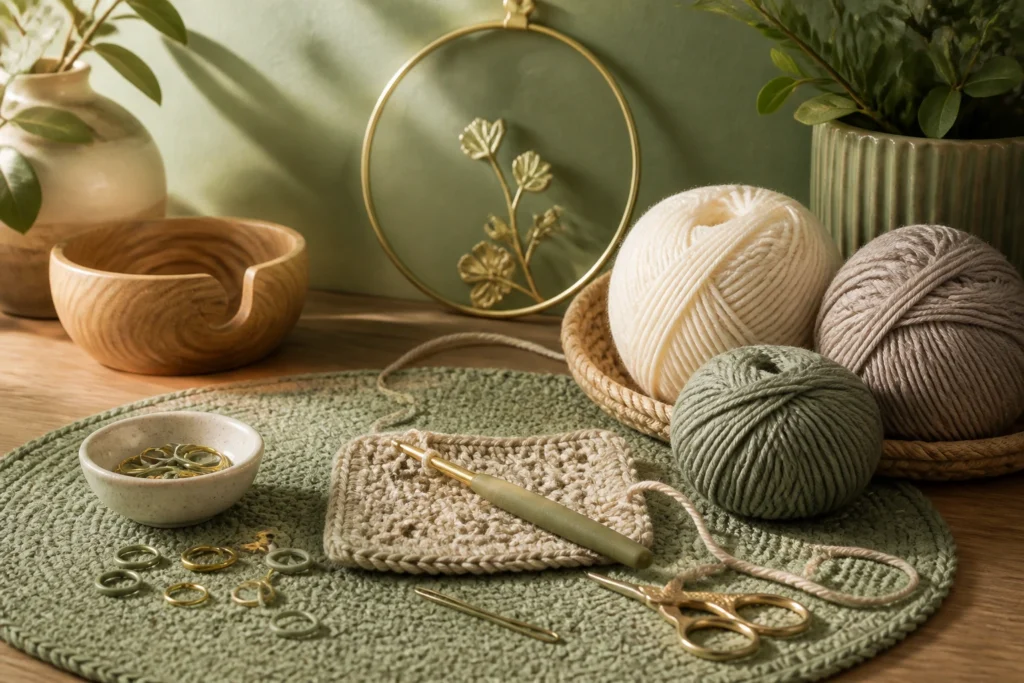
You don’t need a super-sophisticated toolkit to begin. Here’s a lean starter list.
– One soft ball of medium-weight yarn (the classic 4-ply or worsted weight)
– A crochet hook in a size that matches your yarn (usually labeled on the yarn)
– A pair of scissors
– A yarn needle for weaving ends
– A simple pattern or two to follow
– Optional but nice: stitch markers, a measuring tape
- Stay comfy: choose a hook and yarn that feel good in your hands.
- Work in bright light to see stitches clearly.
- Save space: a small, dedicated crochet corner makes practice easier.
That “I want to make sweaters tomorrow” energy
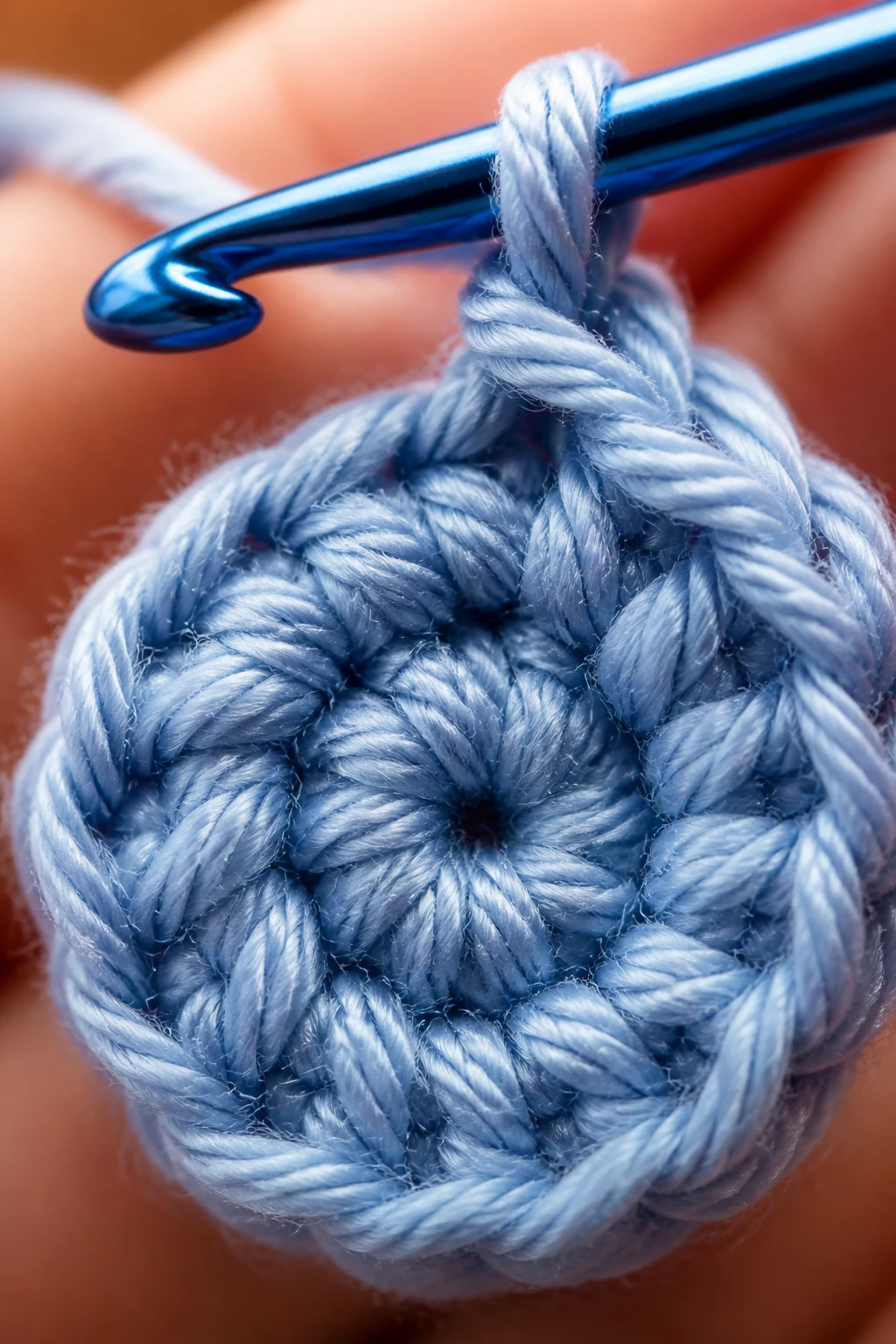
Ambition is fantastic, but crochet is a patient sport. If your dream is a cardigan, be prepared for a longer haul, but with equally satisfying payoff. Break the big goal into tiny steps:
– Step 1: master gauge swatches to match pattern measurements
– Step 2: learn increasing and decreasing to shape sleeves and bodies
– Step 3: block and assemble pieces so they actually drape right
If you’re feeling ambitious, set a realistic milestone every 4–6 weeks. FYI, momentum beats motivation when you’re learning something hands-on.
Pattern reading 101: do you really need to master it to learn fast?
Patterns are like playlists. They help you know what to do next, but you don’t need to memorize every abbreviation to start. A few basics go a long way.
– Learn common abbreviations: ch, sl st, sc, dc, hdc, tr
– Know how to read a row vs. a round pattern
– Practice following a simple chart or written pattern side-by-side
- Choose a beginner-friendly pattern.
- Mark your place with a sticky note or a highlighter so you don’t lose your thread.
- Finish the pattern, then celebrate with a victory mug shot of your project.
FAQ
How long does it take to make something useful as a complete beginner?
For a simple project like a scarf or dishcloth, expect to finish in a few hours to a couple of days, depending on how consistently you practice. With 15–30 minutes of daily practice, you’ll have something you can actually use within a week or two.
Do I need to know how to read patterns from day one?
Nope. Start with written instructions for very simple patterns. Once you’re comfortable with the stitches, patterns become a lot less scary. I’d skip fancy lace and chart-heavy things for a while—unless you’re into puzzles, then go for it.
Is crochet faster than knitting for beginners?
Most beginners find crochet faster to pick up because you can see results quickly and you don’t have to worry about dropping stitches in the same way. But patience matters for both. If you enjoy looping yarn and finishing things fast, crochet wins the confidence-boost award early on.
What if I stall or lose motivation?
Mix up your projects, join a local meetup or online group, and give yourself small, achievable goals. It’s totally normal to hit a plateau. FYI, a quick spin on a new yarn color or a different hook size can re-ignite the spark.
How important is blocking and finishing?
Blocking and finishing are the difference between good and wow. They can make a cheap yarn look like a luxurious fabric. Don’t skip finishing steps if you want your pieces to sit and drape nicely.
Conclusion
Crochet isn’t a race; it’s a personal skill you build stitch by stitch. Some days you’ll feel like a whiz, other days you’ll frog back two rows and laugh about it later. The coolest part? You’ll notice progress almost every week if you keep showing up. So grab your hook, pick a comfy yarn, and give yourself permission to enjoy the process. You’ve got this, and FYI, the journey is half the fun. Happy hooking!