It’s not a secret society, promise. Crochet isn’t brain-surgery, even if your first chain looks more like a thread worm. Is crochet hard to learn? Short answer: it can feel challenging at first, but it gets wonderfully forgiving fast. Let’s break it down like a friend who’s learned a thousand granny squares and still smiles at the messy beginnings.
Is Crochet Hard to Learn? Let’s Start With the Real Truth
Crochet has a reputation for being tricky, especially if you’ve seen someone whip up a blanket in a single evening on social media. Reality check: most of us start with simple stitches, mess a few times, and then suddenly the pattern clicks. The learning curve isn’t a cliff; it’s a gentle hill with a few switchbacks. Patience and practice are the secret sauces, not a mysterious formula.
What Makes Crochet Feel Hard at the Start?
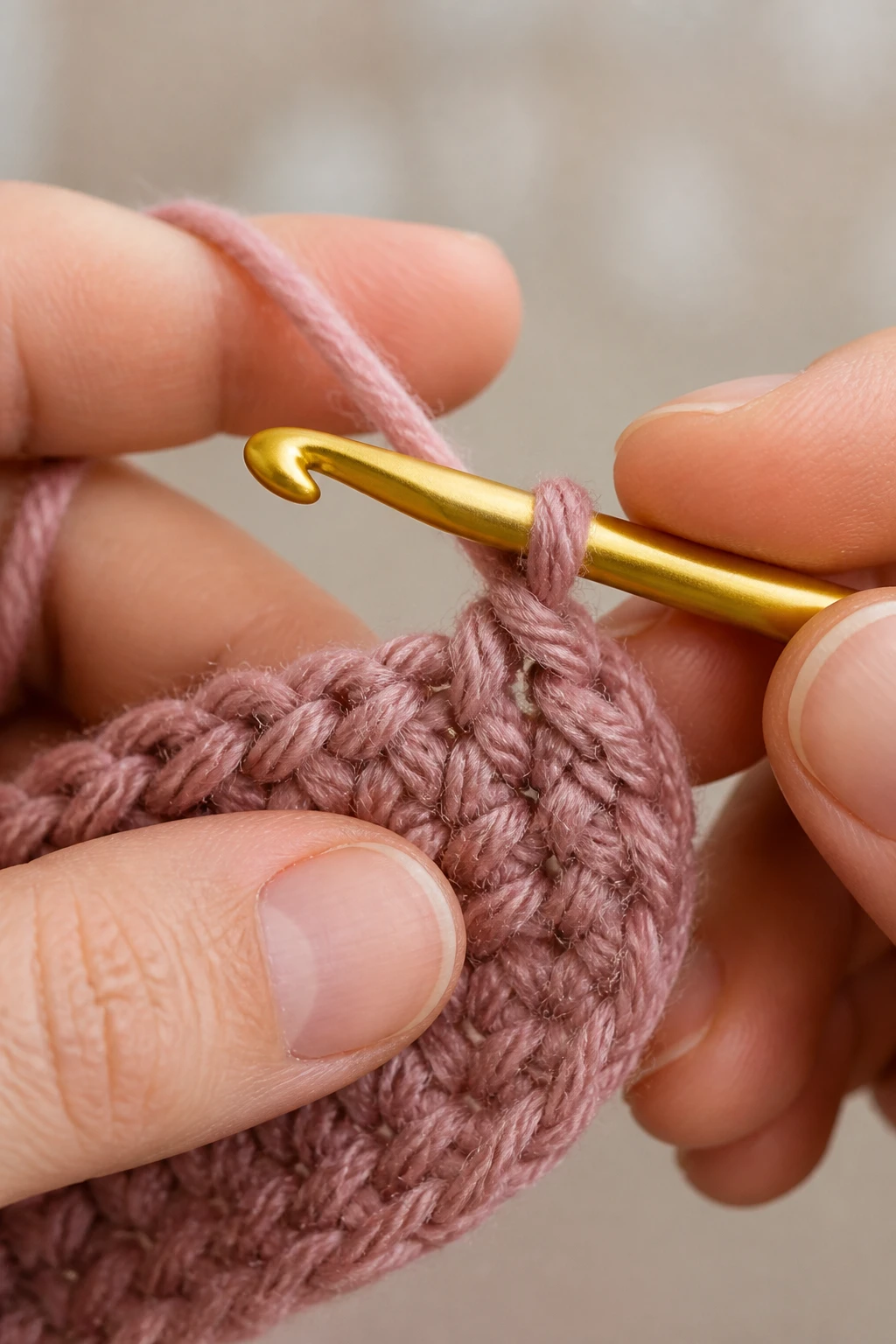
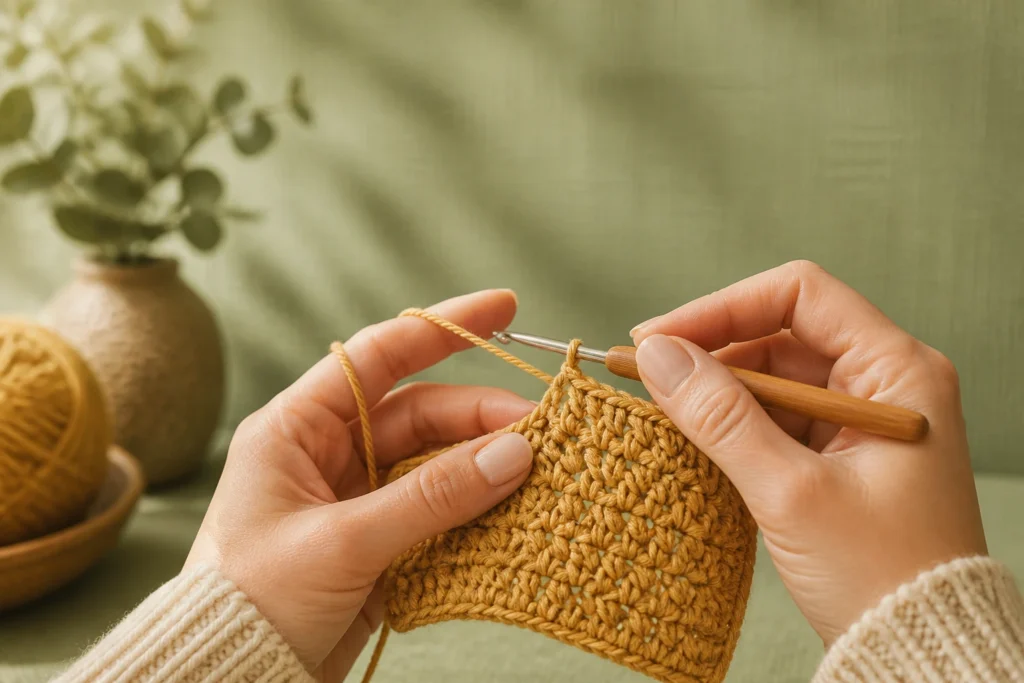
– You’re learning to coordinate both hands and eyes at once. One hand guides, the other wraps, and your brain is trying to remember: yarn over, pull through, chain, skip. It’s a lot in the first few minutes.
– Small mistakes look big. A dropped stitch or twisted loop can feel catastrophic, but it’s usually fixable. FYI, you’ll retrace steps and smile in the end.
– Sizing and terminology can trip you up. “SC,” “DC,” “HDC” sound like a secret code, but they’re just shorthand for basic stitches.
– The rhythm matters. Hook in hand, yarn over, pull through—repeat. Your speed will grow with confidence, not with a magic spell.
The Easiest Way to Get Started
Begin with the basics and build a tiny toolkit you actually enjoy using. Here’s a practical path:
- Choose the right hook and yarn. A light-colored yarn helps you see stitches. Start with worsted weight yarn (the classic middle ground) and a size that feels comfortable in your grip.
- Master a couple of stitches. The slip knot, chain stitch, single crochet, and half double crochet cover most beginner patterns. Don’t rush to fancy stitches—precision beats speed early on.
- Watch, don’t just read. Video tutorials beat deadpan diagrams when you’re starting. A quick visual cue can click the whole process.
- Practice with tiny projects. A pot holder, a bookmark, or a simple dishcloth gives you real results fast.
What Are the Absolute Must-Knows for Beginners?
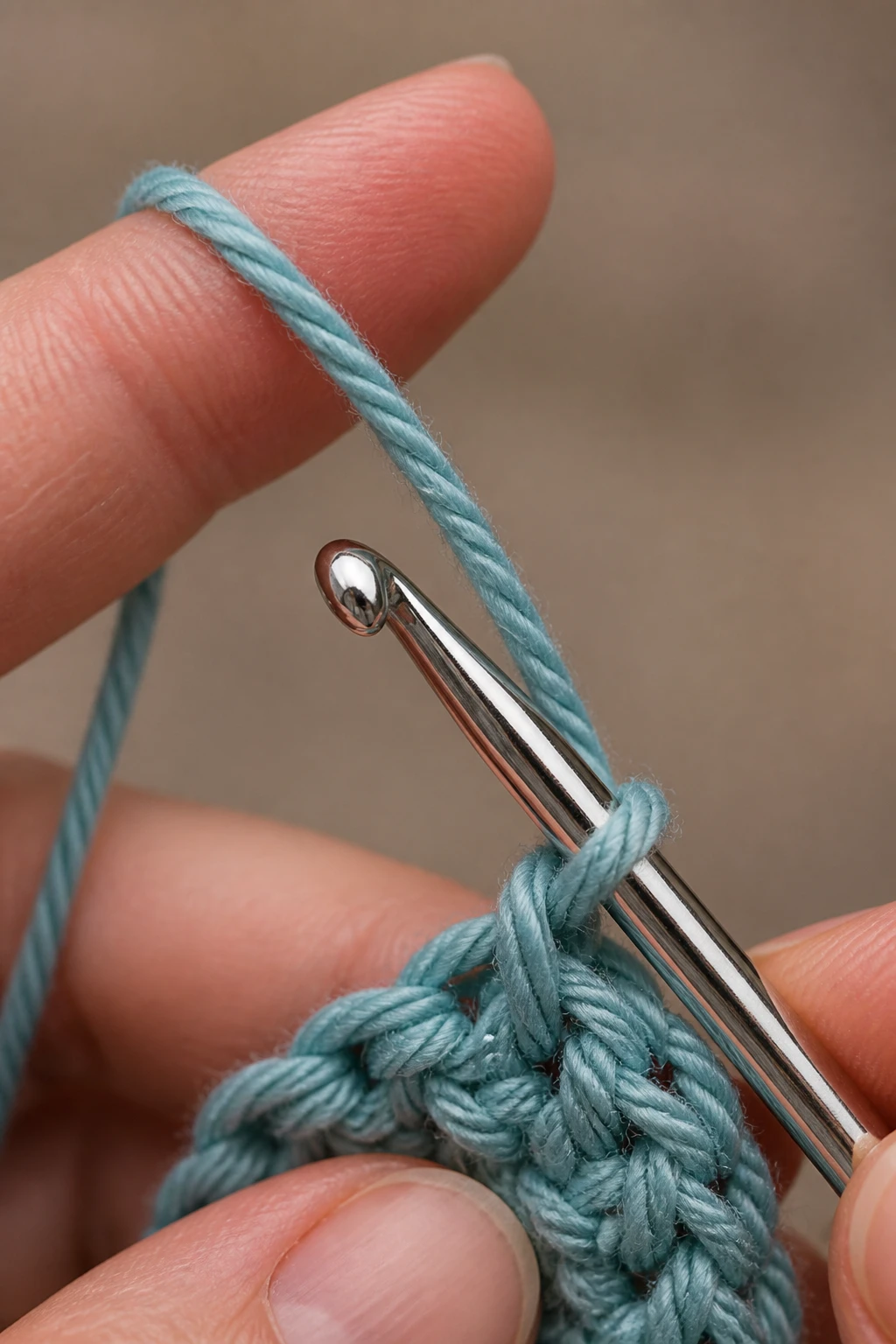
Here’s your very practical starter pack. No fluff, just the essentials.
Basic stitches that cover most projects
– Chain stitch (foundation for almost everything)
– Slip stitch (acts like a glue for joining or moving along)
– Single crochet (you’ll meet it a lot)
– Half double crochet
– Double crochet (the big workhorse for blankets and scarves)
How to read a basic pattern
– Look for the gauge and hook size. It tells you the fabric you’ll end up with.
– Note the abbreviations. If you see DC, think double crochet; if you see ch, think chain.
– Check the repeat section. Patterns usually tell you how many stitches to repeat across a row.
– Use a measure to compare swatches. If you’re off, adjust your hook size or tension.
Foundations: tension and consistency
– Tension is your friend. Too tight, you’ll hate your fabric; too loose, your stitches may gape.
– Keep a steady grip that doesn’t cramp. If your hand hurts, switch grips, rest, and regroup.
– Consistency matters more than speed. A steady rhythm yields neat rows.
Hitting Plateaus? How to Break Through Without Freaking Out
If you hit a wall, you’re not alone. Plateaus happen when you’re trying to level up to something more complex. Here’s how to push through with a little humor and a lot of grit:
– Slow down. It’s not a race. Pretend you’re teaching your future self a trick you wish you knew yesterday.
– Break patterns into chunks. Learn a section, then practice it independently before combining with the rest.
– Work on a manageable project. Instead of a grandma afghan, try a hat or a simple scarf with a neat stitch pattern.
– Pin your progress. A little daily practice is more effective than a marathon session on the weekend.
– Don’t fear ripping back. It’s part of crochet. Say it with me: rip it, fix it, knit (well, crochet) again.
Pick the Right Project for Real Confidence
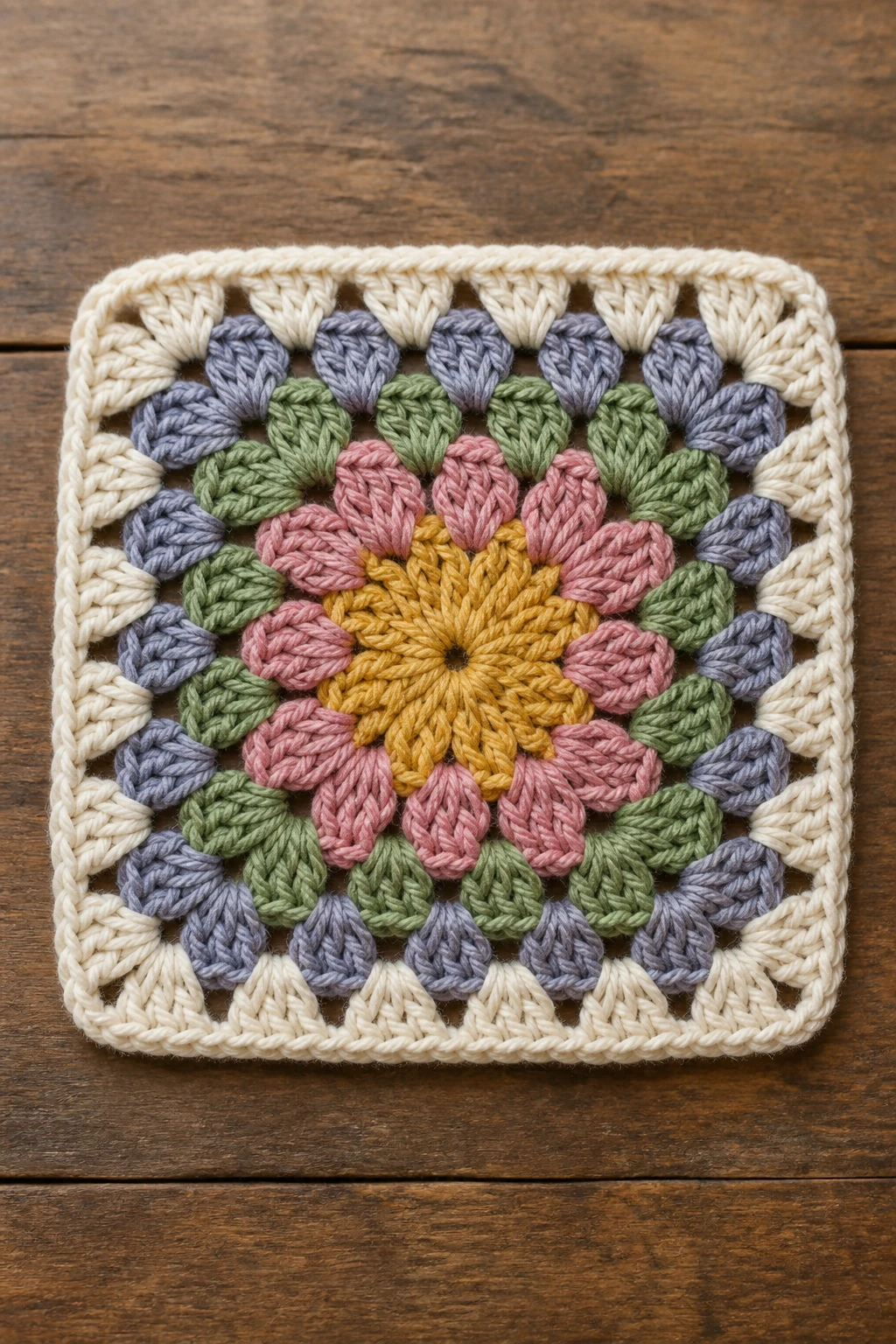
Choosing projects that align with your current skills helps a ton. You want to feel progress, not defeated before breakfast.
- Beginner wins: dish cloths, washcloths, simple scarves, granny squares with minimal rounds.
- Joy projects: cozy pet blankets, tote bags with sturdy seams, or a beanie using a straightforward stitch pattern.
- Skill-builders: basic mittens, a shallow tote, or a simple cardigan that uses simple panels.
Tools, Tips, and a Little DIY Love
Choosing the right tools can quietly change your crochet mood.
Tools that won’t make you cry
– A comfortable hook size for your hand. If your wrist aches, try a slightly bigger hook or a cushioned handle.
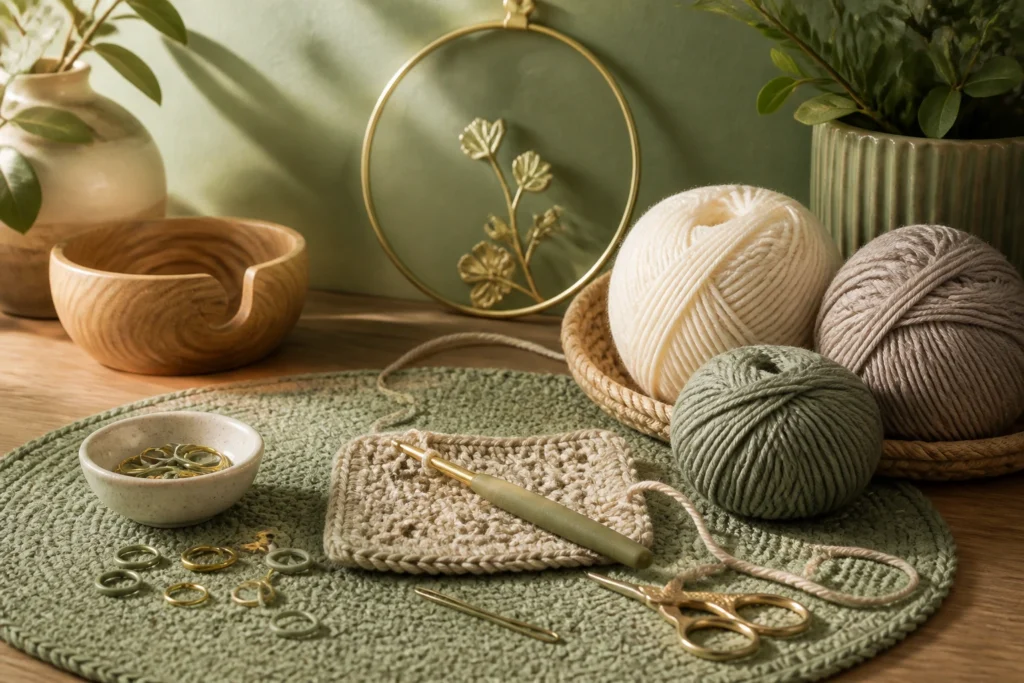
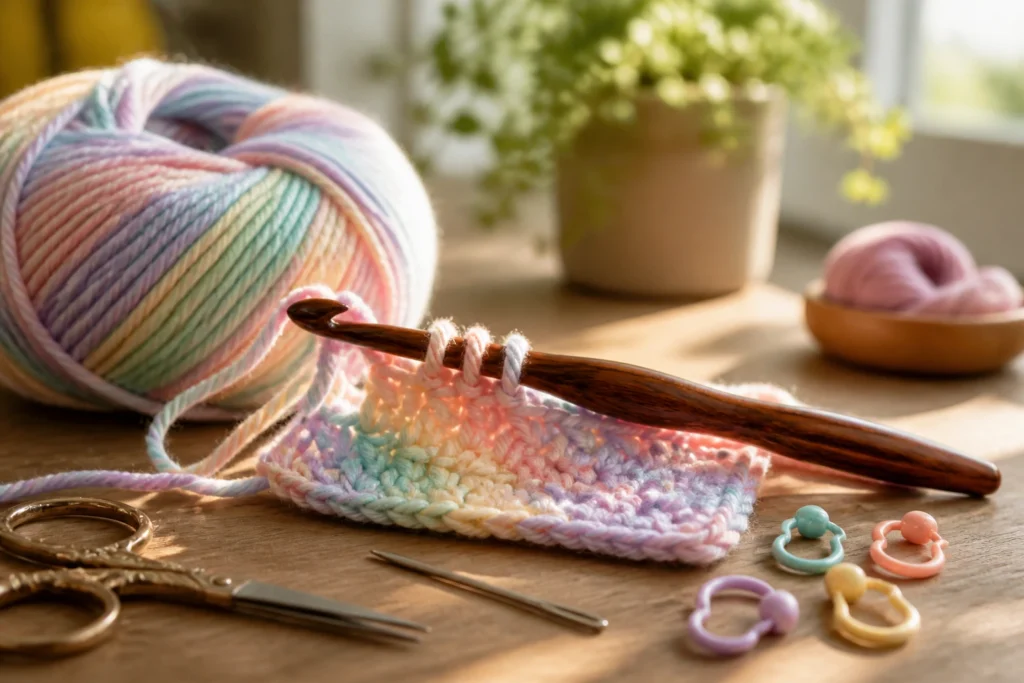
– A good pair of scissors, a yarn needle, and stitch markers. Simple, but life-saving.
– A yarn that’s easy to see and work with. Avoid novelty textures to start with.
Tips for smoother sessions
– Warm up with a quick chain practice before starting a pattern.
– Mark the beginning of rounds when you’re doing circular projects.
– Take short breaks; fatigue makes stitches wobble.
– Save your “oops” stitches for show-and-tell later so you don’t lose confidence in the moment.
Common Myths Debunked
– Myth: You need amazing hand-eye coordination to crochet. Reality: You just need to practice. It’s a skill like playing a guitar; your fingers catch on after a few sessions.
– Myth: Crochet is only for crafty types. Reality: Anyone can learn. It’s a practical outlet for creativity and stress relief.
– Myth: You’ll never finish anything. Reality: Small wins stack up. A dozen tiny projects adds up to a lot of finished items.
What I’d Tell My Beginner Self
If you could hop into a time machine, what would you tell yourself? Probably this:
– You don’t have to love every stitch on the first go. It’s okay to dislike a part of a project—move on and come back later.
– It’s normal to look at a tutorial and think you’ll never get it. You will; you’ll laugh at how little the first attempt resembled the final piece.
– You’ll hit a rhythm, and you’ll wonder how you lived so long without crochet as a coping mechanism.
FAQ: Quick Answers to Common Questions
Is crochet hard for beginners really, or is it all in my head?
Crochet isn’t inherently hard; it’s a new set of movements and a lot of terminology to absorb at first. Once you practice basic stitches and pattern reading, your brain will start recognizing the patterns, and it will feel easier. The trick is to start small and celebrate tiny wins. You’ve got this.
How long does it typically take to get comfortable crocheting?
Most beginners start feeling comfortable within a couple of weeks with consistent practice. If you’re stitching a little each day, you’ll notice progress faster than you’d expect. The key is repetition, not perfection.
What’s the fastest way to stop dropping stitches?
Practice your tension, keep your yarn over consistent, and use stitch markers on tricky rows. If you drop a stitch, take a breath, locate the unraveling, and fix it calmly. It’s a skill you’ll sharpen with time.
Should I jump into complex patterns or stick to basics longer?
Start with basics long enough to feel confident. Then, gradually challenge yourself with simple patterns that introduce new stitches or techniques. IMO, a little challenge keeps it fun, not frustrating.
Is there a right-handed vs. left-handed approach I should know?
Crochet works great for both right-handed and left-handed crocheters. Most patterns are not hand-specific. Practice will reveal which hand feels more natural; you can switch grips as needed. FYI, there’s a whole community of left-handed crochets who’ll cheer you on.
Conclusion
Crochet isn’t a secret club with a forbidden handshake. It’s a skill you learn step by step, kind of like building a tiny, cozy empire one stitch at a time. Yes, the learning curve can feel steep at first, but it eases up fast once you lock in the basics. With the right yarn, a comfy hook, and a willingness to laugh at the occasional tangled mess, you’ll be hooking along in no time.
If you’re feeling the itch to start, grab your worsted yarn, pick a simple project, and give it a go. Remember: progress beats perfection, and a few ragged stitches today can turn into a polished scarf tomorrow. FYI, the end result is worth every dropped loop, every ripped-back row, and every sigh of “I did it!” you’ll whisper to yourself. Happy hooking, friend.