Starting a crochet project and panicking about yarn quantity? Relax. You don’t need a crystal ball—just a few handy rules of thumb, a dash of nerdy gauge-reading, and the ability to estimate like a pro. Let’s break down how much yarn you actually need without turning your craft room into a skein jungle.
How much yarn do you actually need? The quick reality check
We’ve all overbought once and then had to wheeze our way through a project with a single leftover skein. Here’s the punchy truth: yardage matters more than hook size, but both depend on your project and your tension. Your best bet is to rely on pattern recommendations, then add a little cushion for mistakes, blocking, and a high-spirited gauge wobble.
– Always start with the pattern’s yardage. If it’s generous, great—if not, plan for a bit extra.
– Check your gauge. Tiny changes in tension change yardage fast.
– Add a small buffer. A 10–20% cushion is common for clothing, blankets, and complex accessories.
FYI: yarn substitution can shift numbers quickly. If you switch from worsted to DK, expect to lose or gain yardage. Plan ahead.
Understanding gauge and its impact on yardage
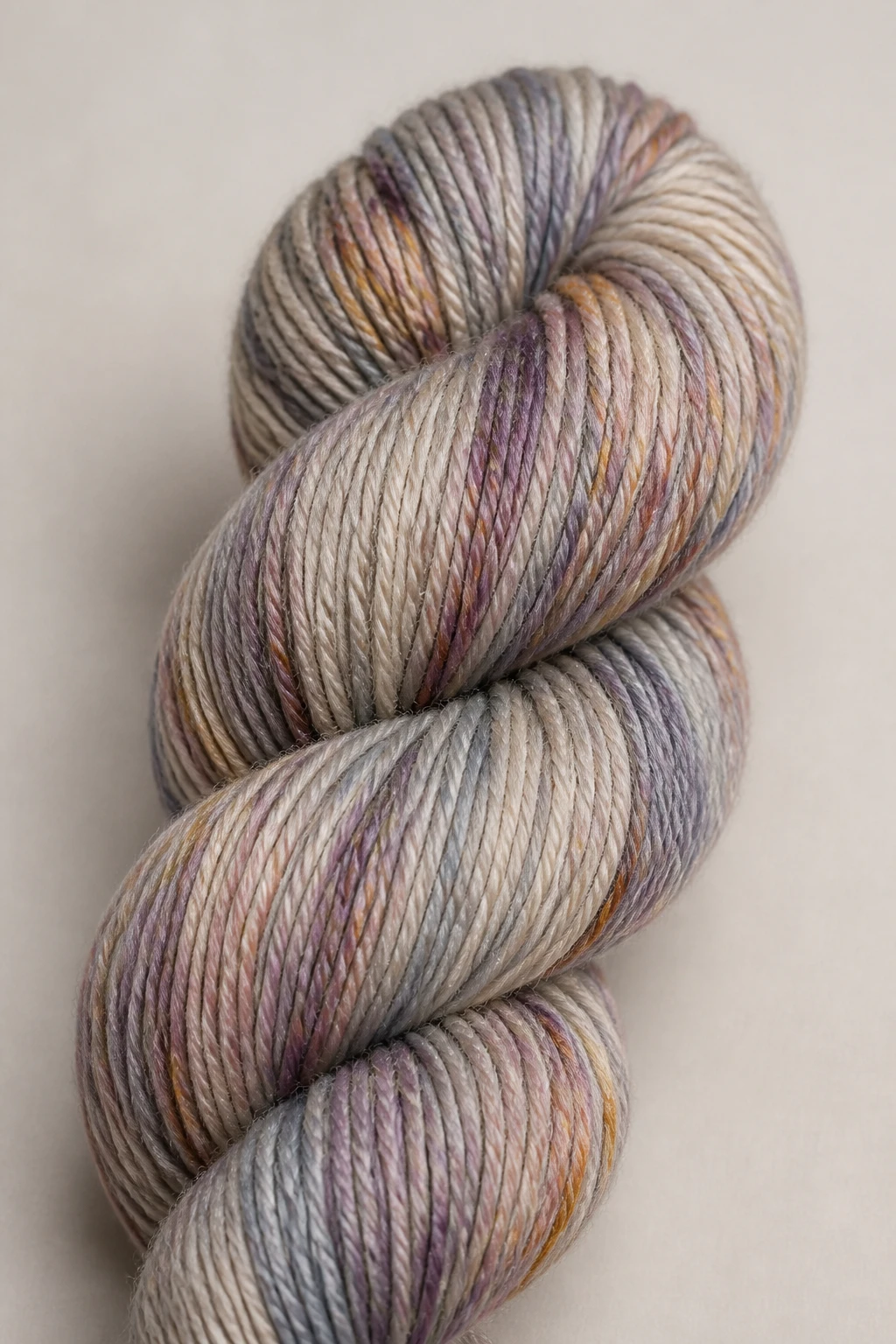
Gauge is the sneaky villain that can ruin your yardage plans if you ignore it. It’s not just about whether your stitches are tight or loose; it’s about how many stitches fit in an inch and how many rows fit in a fabric.
– Stitch gauge: dozen stitches per 4 inches? Great. But if you’re off by even a stitch or two, your final size varies.
– Row gauge: the height of your fabric changes with your row count, which changes yardage needed for a given size.
– Blocking matters: some fibers bloom, others shrink. Your gauge in the skein may not match your finished piece after blocking.
How to handle it like a pro:
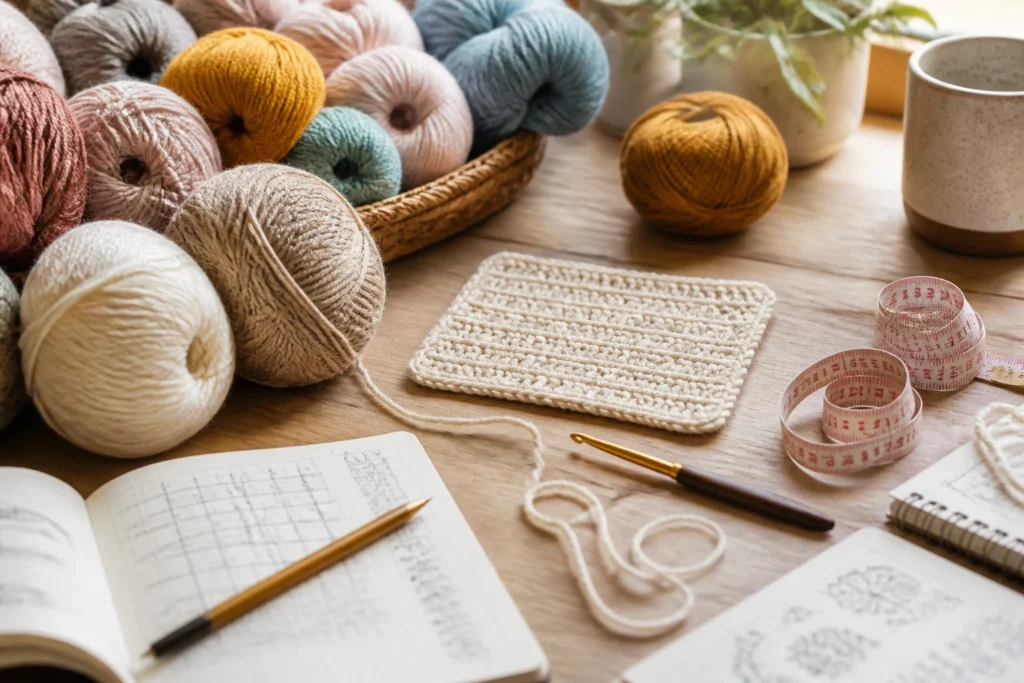
– Do a small swatch. We’re talking 4×4 inches minimum.
– Measure your gauge, then compare to the pattern’s gauge.
– Recalculate yardage if there’s a mismatch. It’s math, but it’s worth it.
Breaking down yardage by project type
Different projects demand different thinking. Here’s a practical map so you don’t misread the yarn card.
Blankets and throws
– This is where many of us go overboard. Nice, chunky blankets can eat yarn like a chocolate fountain.
– Typical yardage ranges by size:
– Baby: 900–1800 yards (820–1640 m)
– Throw: 1800–3500 yards (1640–3200 m)
– Afghans: 4000+ yards (3660+ m)
– Consider fiber, weight, and warmth. Bulky yarn means fewer yards, but bigger stitches.
Scarves, shawls, and wraps
– These are deceptively sneaky. They look small but can gobble up yardage if you go for a large or lacey design.
– Quick rule: plan for 400–1200 yards (370–1100 m) for a regular scarf or shawl, more if you’re making a wrap or a granny-spun fringed piece.
Hats, gloves, and accessories
– Small but mighty. Accessories can surprise you with yardage needs if you use bulky yarn or intricate colorwork.
– Typical ranges:
– Hat: 100–250 yards (90–230 m)
– Gloves: 150–350 yards (140–320 m) per pair
– Small accessories: 200–500 yards total
Sweaters and cardigans
– This is where gauge truly matters, because you’re making a wearable item that should fit the way you want it to.
– Yardage will swing a lot based on size and yarn weight:
– Lightweight sweaters: 900–1800 yards (820–1640 m)
– Worsted-weight sweaters: 1200–2500 yards (1100–2300 m)
– Cardigans with open fronts: similar to sweaters, but you might save some if you use colorwork strategically.
Choosing the right yarn weight for your project
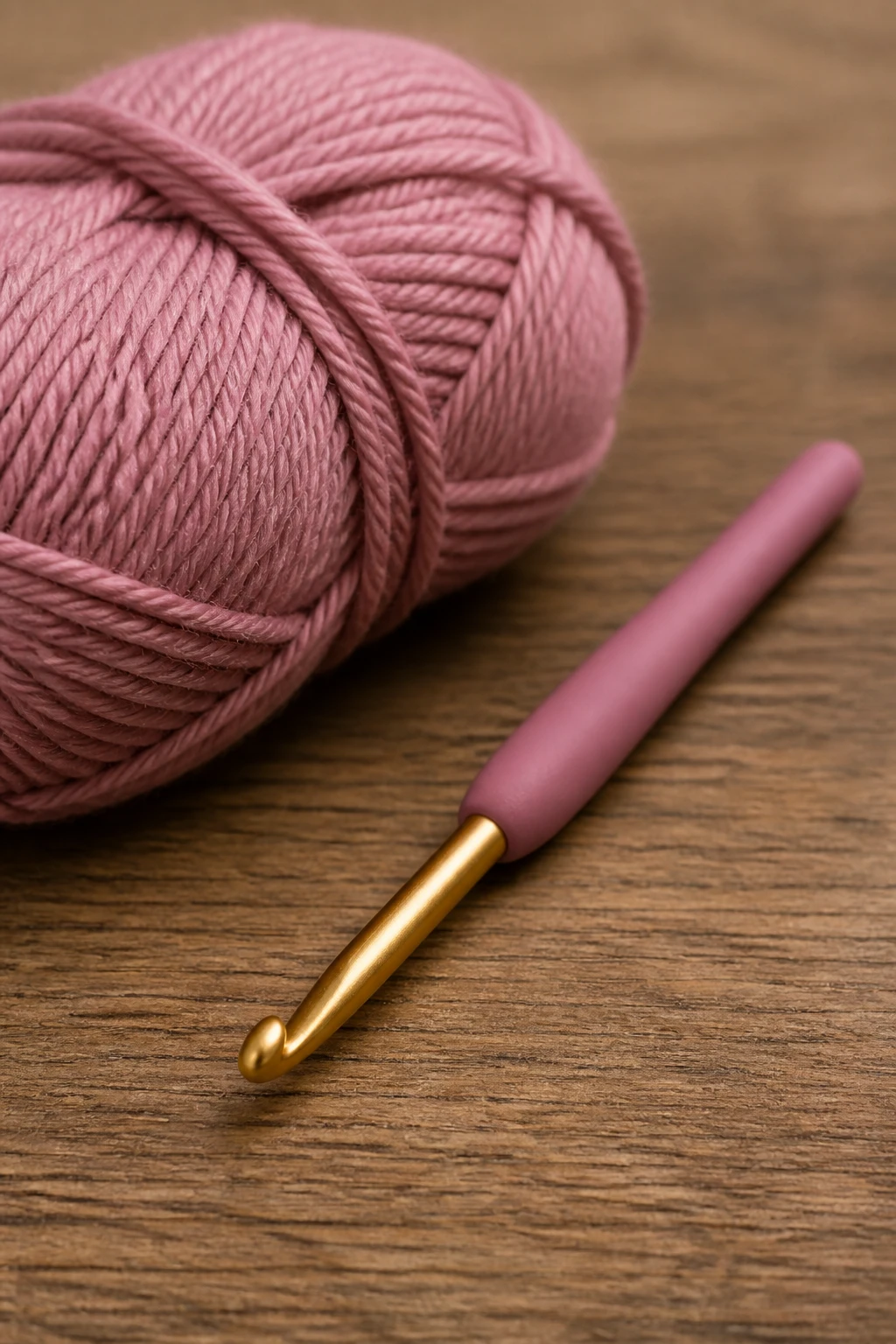
Your yarn weight (thickness) isn’t just about texture; it dramatically changes how many yards you need.
– Lighter weights (fingering, sport) = more yardage per project, but finer fabric and often more drape.
– Medium weights (DK, worsted) = common, predictable yardage. Great starting point for most garments.
– Bulky and chunky = less yardage, bigger stitches, quicker wins. Great for quick blankets, scarves, and outerwear.
Tips:
– Don’t assume heavier means less yardage always. A bulky blanket will still need miles of yarn if you’re making a large size.
– If you’re substituting weights, use the pattern’s gauge and yardage as your guide. Recalculate yardage with a gauge calculator if you can.
How to estimate yardage for a project you’re making up as you go
We’ve all been there: you see a stitch you adore and want to crochet something spicy, but you don’t have a pattern. Here’s a sane way to wing it without turning your craft space into a yarn cemetery.
– Pick a baseline swatch: 4×4 inches is enough. Count stitches and rows.
– Project what you’ll make: what’s the target size? Translate that to total square inches or stitches.
– Do a rough proportion: if 4×4 swatch uses 50 yards per 4×4, and your project is 200×200 square inches, you can estimate yardage. It’s not perfect, but it’s a start.
– Buy a little extra: add 20–30% for mistakes, blocking, and future repairs.
– Pro tip: write down your swatch gauge and the yarn used so you can replicate if needed.
Reading yarn labels like a boss
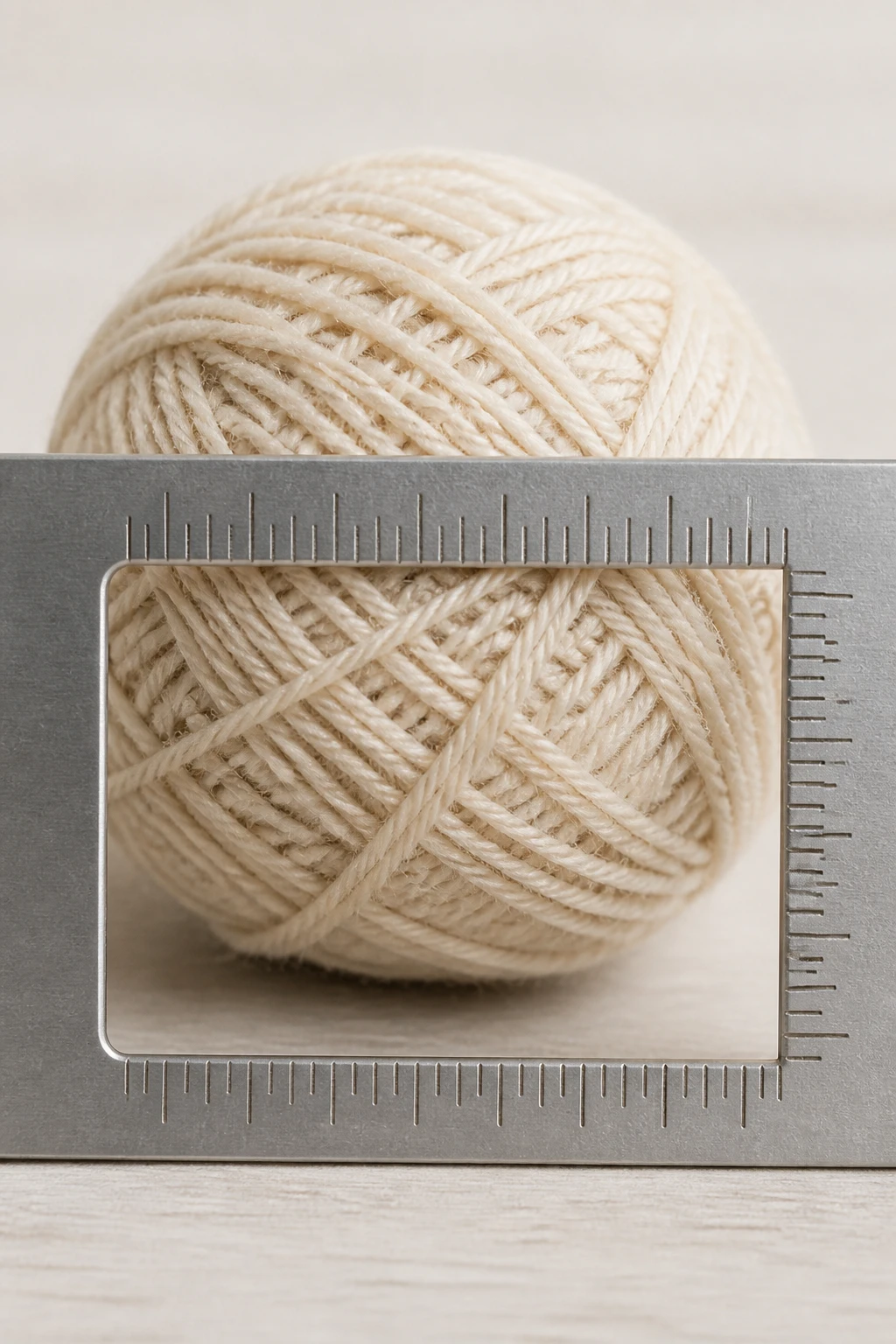
Labels tell you more than “this is soft.” They’re your road map.
– Weight category: fingering, sport, DK, worsted, aran, bulky.
– Length per skein and yardage: know how many yards you’re buying per skein.
– Yardage per project: pattern’s yardage is a helpful baseline, but you’ll want to compare to the yarn’s stated yardage to calculate exactly how many skeins you’ll need.
– Needle/hook size: this is not just for the tech-y folks. It hints at the fabric density and how many yards you’ll use.
– Fiber content: wool, cotton, acrylic, blends — fiber affects drape, warmth, and blocking behavior.
– Quick hack: if you’ll be switching brands, use a yardage equivalence chart to map patterns to your chosen yarn.
Substituting yarns without drama
Pattern tells you “worsted weight yarn,” but you find a gorgeous bulky skein on sale. Can you switch? Yes, with some math.
– Compare gauge first: ensure your chosen yarn can achieve the same gauge with a similar hook size.
– Do a mini-swatch: test a 4×4 inch swatch with your selected yarn and hook. If you’re off by more than 2 stitches per inch, recalculate.
– Recalculate yardage: if your gauge changes, multiply the pattern yardage by the ratio of your gauge, then add a buffer.
– Bonus tip: keep a note of the substituted yarn’s color composition and blocking expectations. You don’t want a sweater that shrinks two sizes after wash.
Blocking and finishing—the invisible yardage factor
Blocking can alter fabric dimensions and, yes, you guessed it, yardage needs.
– Blocking can relax stitches and shrink or stretch fabric depending on fiber.
– For lace projects, blocking can drastically change the final size, which means more or less yarn than you expected.
– Blocking adds moisture and time, not yarn, but it affects how you perceive your project and its final look.
– Quick reality check: budget a little extra yarn for blocking needs, especially for delicate fibers like lace-weight wool or mohair.
Practical planning checklist: your yarn budgeting ritual
To avoid last-minute skein hunts at 9 p.m., use this simple ritual.
– Read the pattern twice. First for the design, second for the yardage.
– Do a gauge swatch and measure. Write down stitches per inch and rows per inch.
– Compare gauge to pattern. Recalculate yarn needed with a yardage calculator or by hand.
– Add a cushion: if the project is wearable, add 15–20%; if it’s a blanket, add 20–30%.
– Make a skein inventory: label what you’ve got, the yardage, and the color. It saves you from duplicates and color misfires.
– Buy extra for accidents and future repairs. Life happens—pills, snagging, or unraveling.
– Tip: keep a running list of projects and their yarns. It helps you plan future purchases and reduces waste.
Frequently asked questions
How do I know how many skeins to buy for a pattern?
Plan based on the pattern’s yardage per size. Convert to skeins by dividing the total yardage by the yardage per skein, then add 15–20% for safety. If you’re substituting yarns, recalculate using your gauge and swatch results.
What if my gauge is off and I’m short on yarn?
Swatch again, adjust hook size, and recalculate. If you still short, you may need to substitute with a heavier or lighter yarn and tweak the pattern accordingly. In a pinch, you can fudge the pattern by a few stitches, then block to fit—careful, this can alter proportions.
Should I buy extra yarn for color-matching across lots?
Yes. If you’re using a variegated or gradient yarn, or multiple lots of the same color, buy an extra skein for later repairs or color matching. Color mismatch is the nemesis of a clean finish.
Is it ever okay to wing it on yardage?
Winging it is fine if you’re making a simple project and you’ve done a swatch. For garments and blankets, winging it is risky. Always have a cushion of yarn to avoid running out mid-project.
How does blocking affect yardage on a large project?
Blocking can change final dimensions, sometimes requiring more yarn if the fabric grows or less if it shrinks. Do a test swatch and estimate how blocking will affect your final size. Then add the cushion accordingly.
Conclusion
So, how much yarn do you need for crochet projects? It depends. It depends on gauge, fiber, weight, pattern, and how optimistic you feel about your ability to follow a gauge. The good news: with a swatch, a plan, and a little cushion, you’ll dodge most yardage surprises and finish with confidence (and maybe a new favorite blanket scent: “freshly blocked”). Remember, patterns give you a map, but your yarn stash is a character in your story. Read the clues, measure twice, and don’t forget to enjoy the process. Happy hookin’, friend.