I’ll cut to the chase: crocheting is often taught faster, knitting wins for long-term projects. Which one is easier to learn? It depends on your goals, your patience for patience, and how loud your yarn squeaks during a frogging session. Let’s break it down so you can pick confidently (without scrolling through a dozen YouTube tutorials first).
Two crafts, one cozy hobby: what actually counts as “easy”?
So what does “easy” even mean here? If you want to whip up small projects fast, crochet tends to win. If you’re after drapey fabric, shaping, and garments that require lots of stitch detail, knitting might be your jam. Easy isn’t a moral verdict; it’s a gauge of how quickly you can feel productive and enjoy the process without feeling overwhelmed.
Getting started: the first steps, side by side
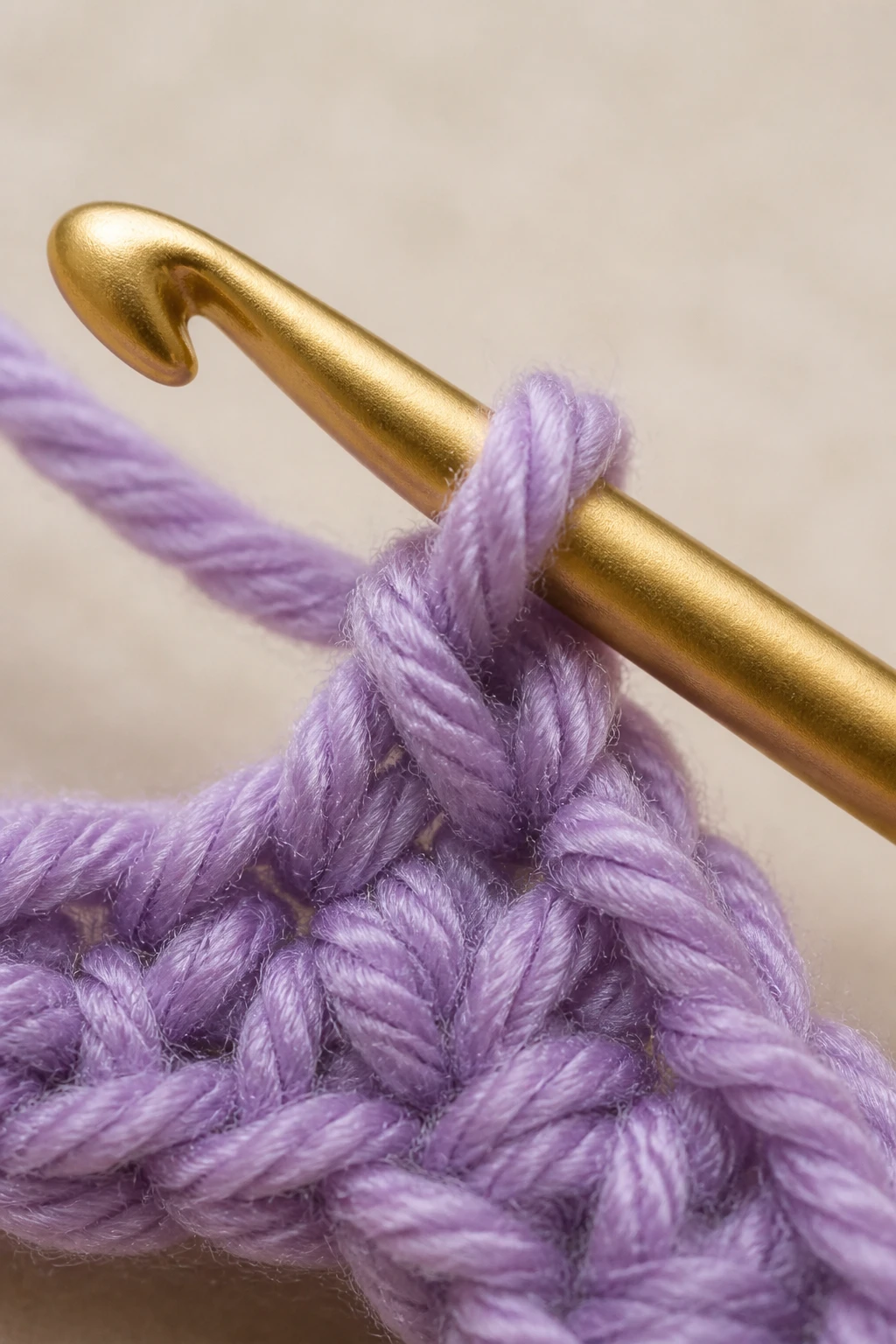
When you pick up yarn and hooks or needles for the first time, the initial experience sets the tone.
Crochet: a single hook, a simple start
– You only need one hook to begin.
– The stitches are generally chunkier, so you see progress fast.
– Plenty of beginners grab a quick scarf or granny square project and call it a win.
FYI, the learning curve here is real but forgiving. Miss a loop? You can often fix it in place with a quick tug and keep moving.
Knitting: two needles, a tiny learning curve
– You need two needles (or a set if you’re into circulars, but that comes later).
– The first stitches can feel a little fiddly, especially if you’re not comfortable with tension.
– If you’ve ever tied a knot, you’ll pick up knitting’s basics sooner than you think.
One caveat: keeping even tension matters more in knitting, so your fabric behaves. That takes a bit more muscle memory early on.
Basic techniques: what you’ll actually learn first
Let’s map out the first few skills you’ll lock in, because that’s where beginners decide whether to quit or keep scrolling.
Crochet basics: chains, slips, and some magic with a hook
– Chain stitch is your launch pad.
– The slip stitch helps you join rounds and rows.
– You’ll learn single crochet first, then maybe half and double crochet.
Optimal projects to practice: a simple dishcloth, a cozy beanie, or a small amigurumi guy who has a face you can add later.
Knitting basics: casting on, knit and purl, bind off
– Casting on makes your fabric grow from nothing.
– The knit stitch yields smooth fabric; the purl stitch gives texture.
– Bind off to finish your piece.
Your first project might be a scarf or a simple hat. The rhythm comes with time, not with a single heroic session.
Time to judge the real “ease”: speed, mistakes, and fix-ability
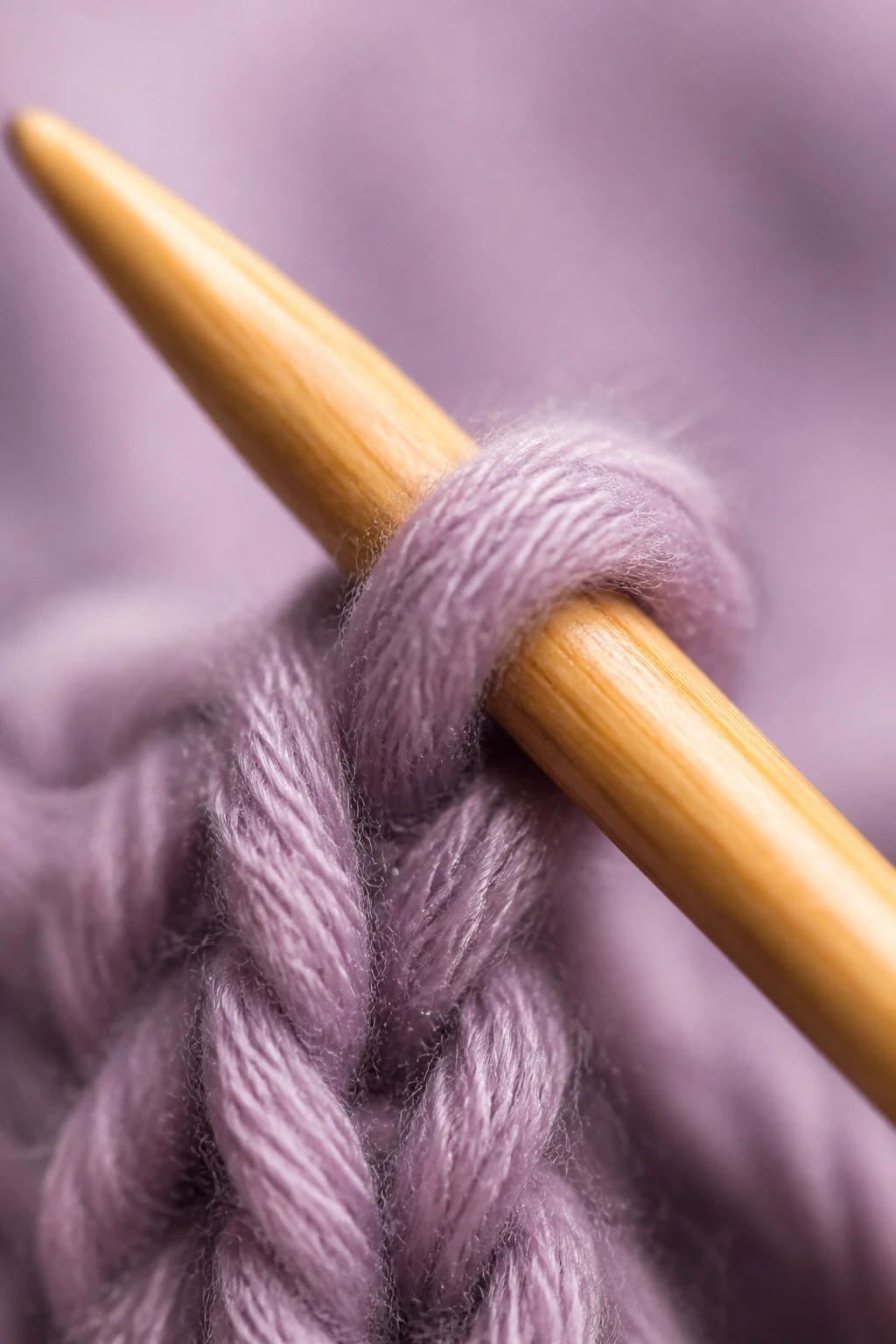
Let’s talk speed and forgiveness, because those two things determine how long you’ll stay committed.
Speed: how long does it take to finish something?
– Crochet projects tend to complete quicker because you work with constant progress on a single row or round.
– Knitting often requires more shaping and stitching, which can slow you down, but the resulting fabric can be more versatile.
If you want a quick locker-room-mock-project-to-show-off-in-2-hours, crochet probably wins.
Mistakes: how forgiving is each craft?
– Crochet mistakes are usually easy to identify and fix. One dropped loop is not the end of the world.
– Knitting mistakes can be trickier, especially if you’ve gone several rows without noticing. Rip-back can feel brutal.
Trivia: you’ll frog less when you keep tension steady. Both crafts reward patient unpicking, but knitting often requires more patience when correcting.
Projects vs. possibilities: what do you actually want to make?
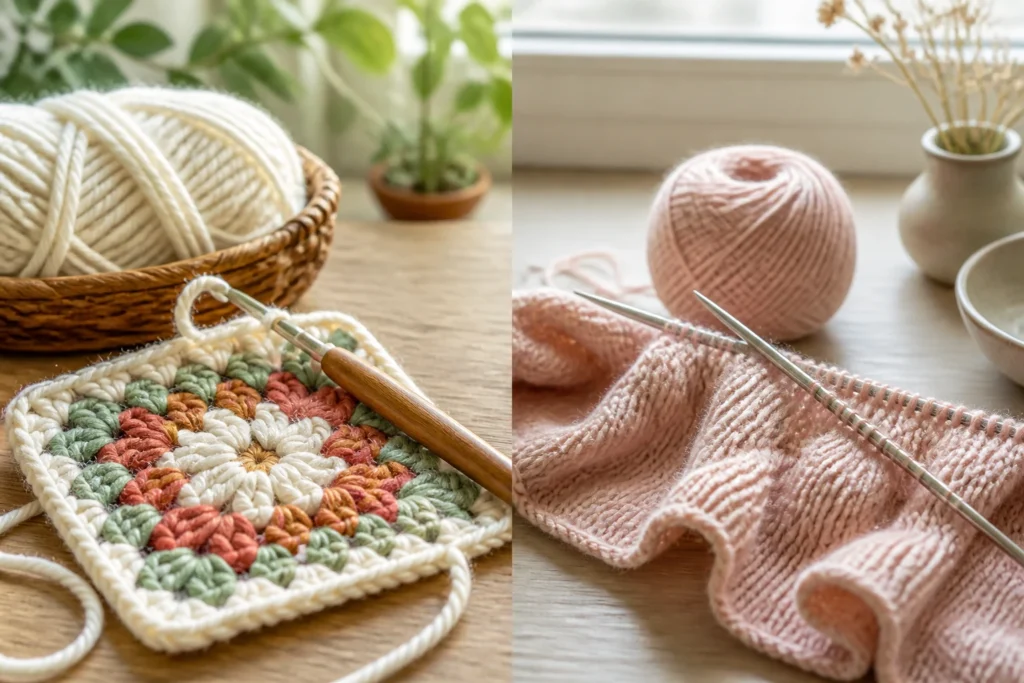
– For quick, sturdy items (coasters, blankets, amigurumi), crochet has you covered.
– For drape, silhouettes, and garments with shaping (sweaters, shawls), knitting shines.
Are you chasing the vibe of a handmade sweater or a showpiece amigurumi bunny? Your answer helps decide which craft to lean into.
Tools you’ll actually use and why they matter
The right tools can make or break your enthusiasm. Let’s keep it practical.
Crochet tools: hooks, gauge, and a little patience
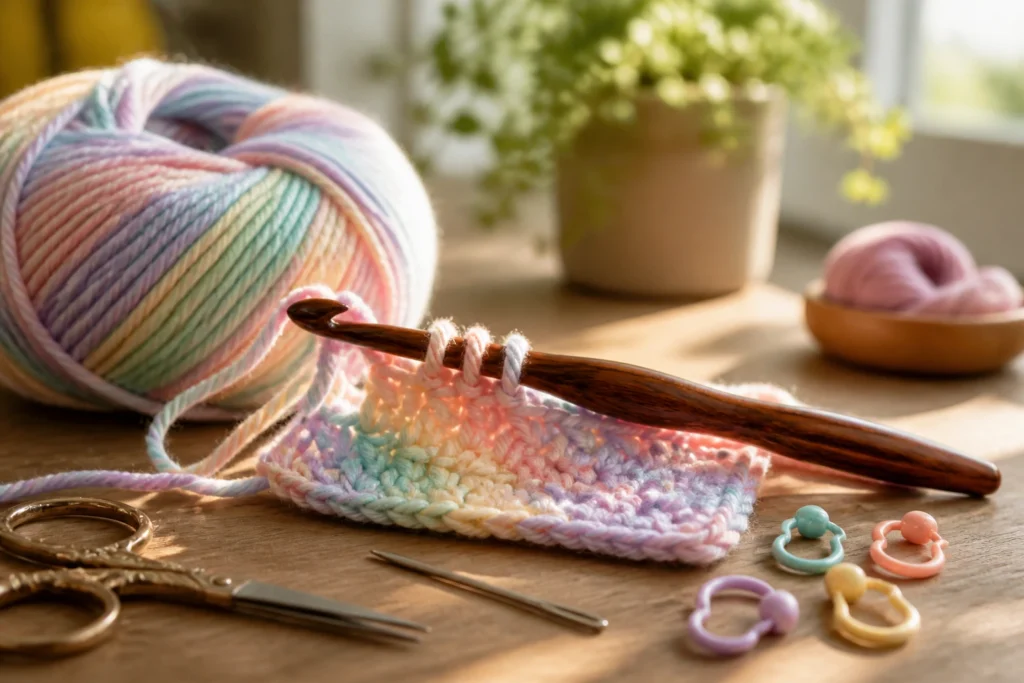
– Find a hook size that feels comfortable in your hand; a padded handle helps if you don’t want cramps after a long session.
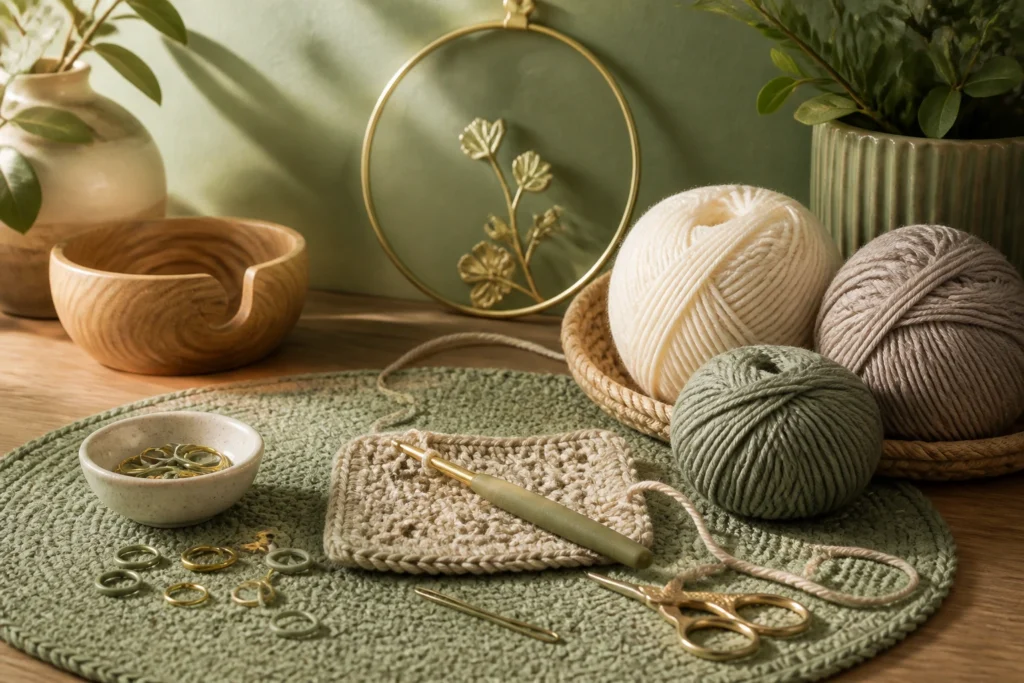
– A simple measuring tape, scissors, and a yarn needle are your BFFs.
– You’ll probably spend a week or two chasing the perfect yarn weight for your project.
Knitting tools: needles, gauge, and a bit more planning
– Start with a basic pair of wooden or aluminum needles in a comfortable size.
– A gauge swatch becomes your best friend when you’re aiming for precise measurements.
– Stitch markers, row counters, and a good notions pouch help you stay organized.
Bottom line: both crafts benefit from a few practical tools, but knitting usually requires a slightly bigger toolkit, especially once you level up into garments.
How to decide: your personality, your space, and your goals
Let’s run through some quick questions. If any apply, you’ll probably lean toward one craft.
– Do you love quick wins and visible progress? Crochet often scratches that itch.
– Do you enjoy drape and wearable projects with precise sizing? Knitting could be your calling.
– Do you want to work on busy evenings without a lot of counting? Crochet wins there.
– Do you want to tackle garment projects with shaping and complexity? Knitting wins for long-term growth.
Remember, you can totally enjoy both. Some crafters start with crochet for the confidence boost and then switch to knitting for deeper projects. IMO, diversification can be your secret sauce.
Deeper dives: common challenges and how to dodge them
Maintaining tension: why it matters and how to fix it
– Tension affects fabric density. Too tight and stitches snap; too loose and it looks sloppy.
– Practice: keep yarn relaxed, let your hands breathe, and don’t grip the hook/needles like a stress ball.
– Quick fix: if you notice drift, pause, adjust your grip, and recheck your work every few rows.
Yarn choice and project match: avoid heartbreak
– Lightweight yarns aren’t always beginner-friendly. They show every mistake and are harder to see stitch by stitch.
– Choose a medium-weight yarn (think worsted or DK) in a solid color for practice. It’s forgiving and easy to see.
– For crochet, a simple cotton or acrylic blend works great for beginners. For knitting, a smooth wool or wool-blend helps smooth tension.
Joining rounds and seams: a few minor tricks
– Crochet: chaining to join and turning can feel intuitive once you see the pattern. Granny squares? They become your warm-up playlist.
– Knitting: seam quality matters more with garments. Take notes on seaming methods ( mattress stitch, mattress-like options) and invest in a decent yarn needle.
FAQ: quick answers to common questions
Is crochet really easier for complete beginners?
Generally yes, especially for getting quick results. One hook, simple stitches, and you can see progress fast. You’ll likely master a basic project in a weekend, which is a solid win if you’re chasing instant gratification. IMO, crochet feels friendlier for absolute newcomers, but that doesn’t mean knitting isn’t worth a try.
Can I learn both at the same time?
Totally. Some people start with crochet to build confidence, then add knitting later. Just don’t overwhelm yourself with two new sets of techniques at once. FYI, alternating days or weeks works well—your brain will thank you for the mental variety.
Which is better for wearables and garments?
Knitting tends to excel here because fabric drapes nicely and you can shape garments with ease. If you want cozy, structured items like scarves or blankets, crochet can still be a star player with the right stitches and patterns.
What about amigurumi and toys?
Crochet often steals the show for amigurumi. The tight stitches prevent stuffing leakage and give you that cute, compact look. If you’re aiming for shapes that hold up well, crochet is a strong contender.
Do both crafts require expensive gear?
Not at all. Start with a basic hook and a skein of yarn, and you’re in. As you get serious, you’ll pick up nicer needles or hooks, plus a few specialty yarns. Budget-friendly options exist for both, so you won’t break the bank chasing hobbies.
The verdict: which is easier to learn?
If you want fast wins, less intimidation, and a quick path to visible results, crochet usually takes the crown for ease of learning. If you crave texture, shaping, and furniture-grade or wearable garments, knitting is your longer, more nuanced journey—but the payoff can be deeply satisfying. FYI, you don’t have to pick one forever. Start with crochet to build confidence, then try knitting for a completely different creative outlet.
Conclusion
No doomscrolling required here: both crochet and knitting are fantastic outlets for creativity, stress relief, and the kind of gentle obsession that yarn lovers live for. The easiest choice is the one that keeps you excited to pick up your project again tomorrow. So grab a hook or a pair of needles, pick a simple starter project, and let the yarn do the talking. If you’re unsure, start with crochet for that quick victory lap—then you can always switch lanes later. Happy crafting, friend.