I’ll be honest: you don’t need every fancy gadget to start crocheting, but you do need a solid supplies checklist. Let’s get you set up so you can actually enjoy the hooky goodness without drowning in choices.
What you’ll need to get started: the essentials
So you want to crochet, not catalog shopping. Here are the basics that won’t break the bank and won’t make you sneeze at your own stash.
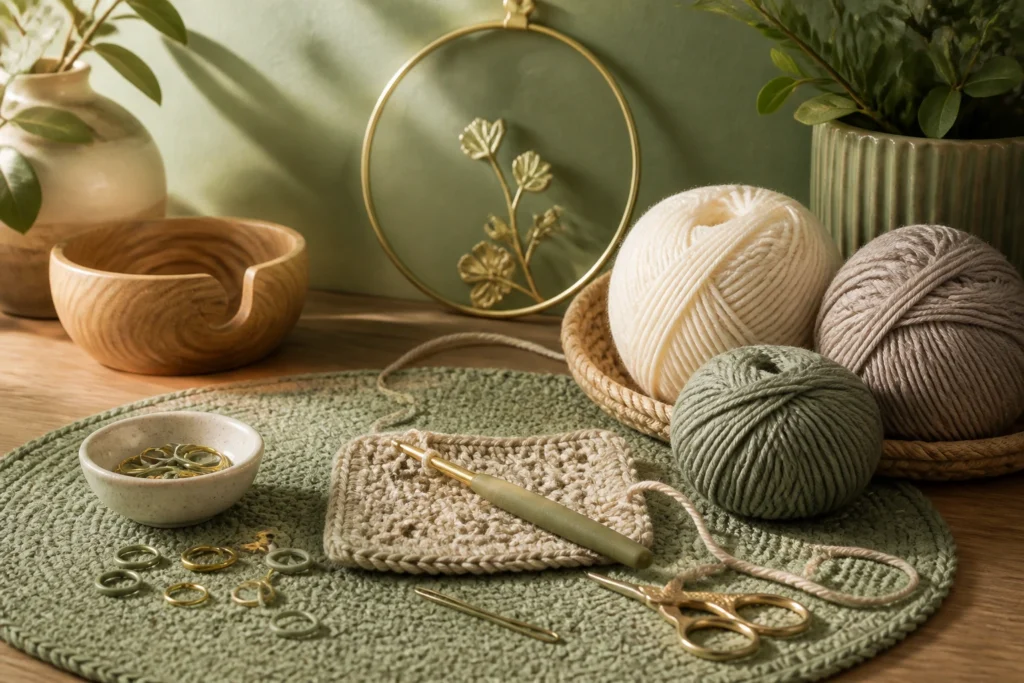
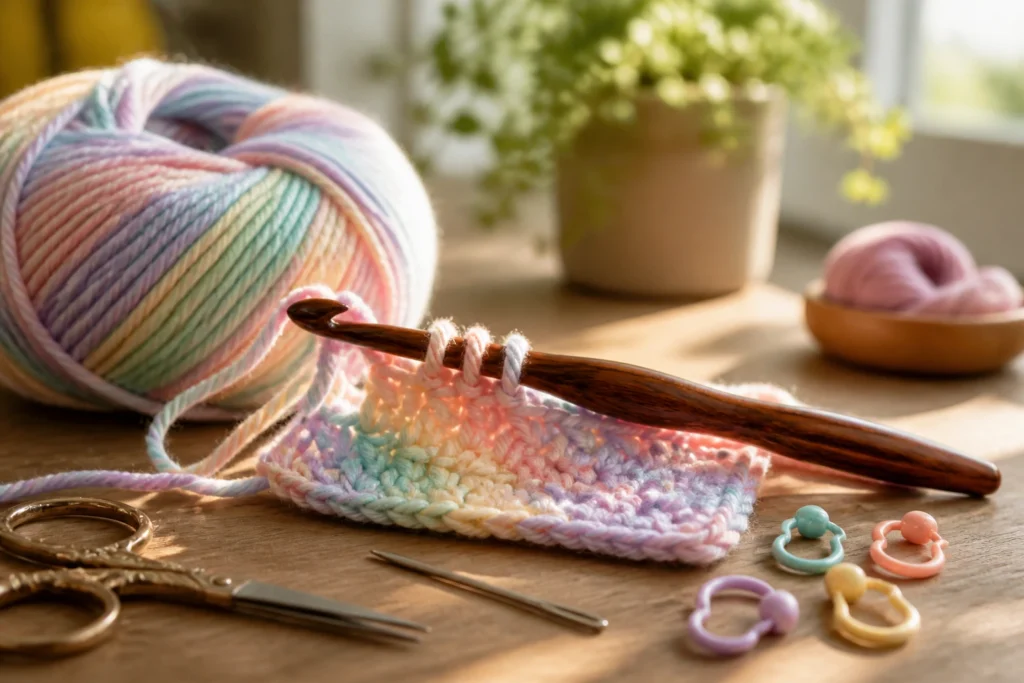
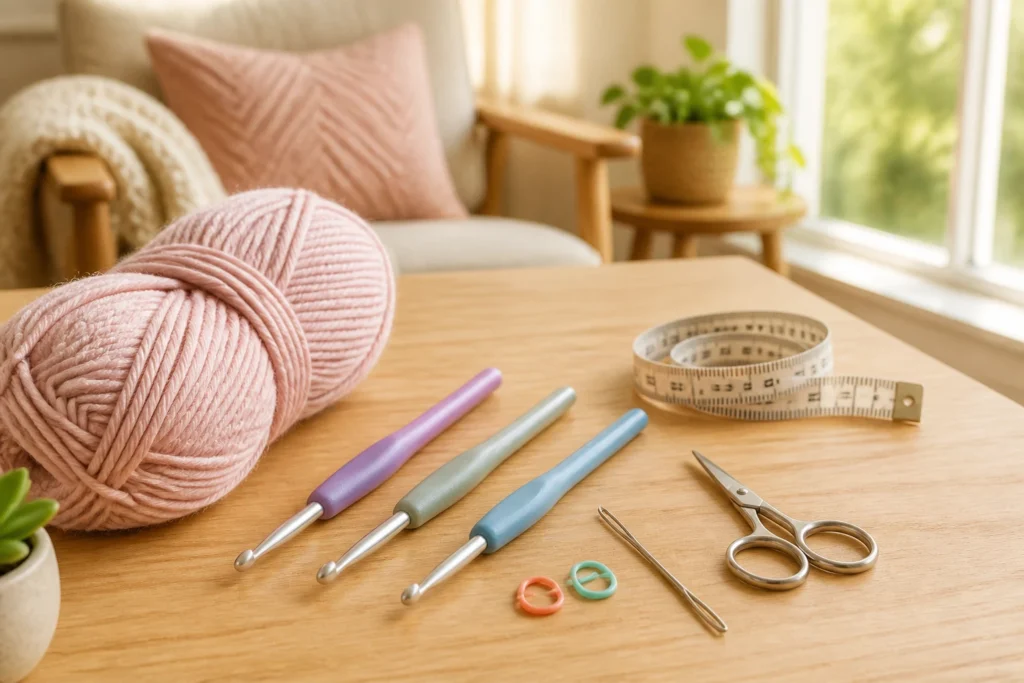
- Crochet hooks in a few sizes. A light, versatile starter set might include size G/6 (4.0 mm), H/8 (5.0 mm), and I/9 (5.5 mm). If you’re unsure, start with a medium size and add later.
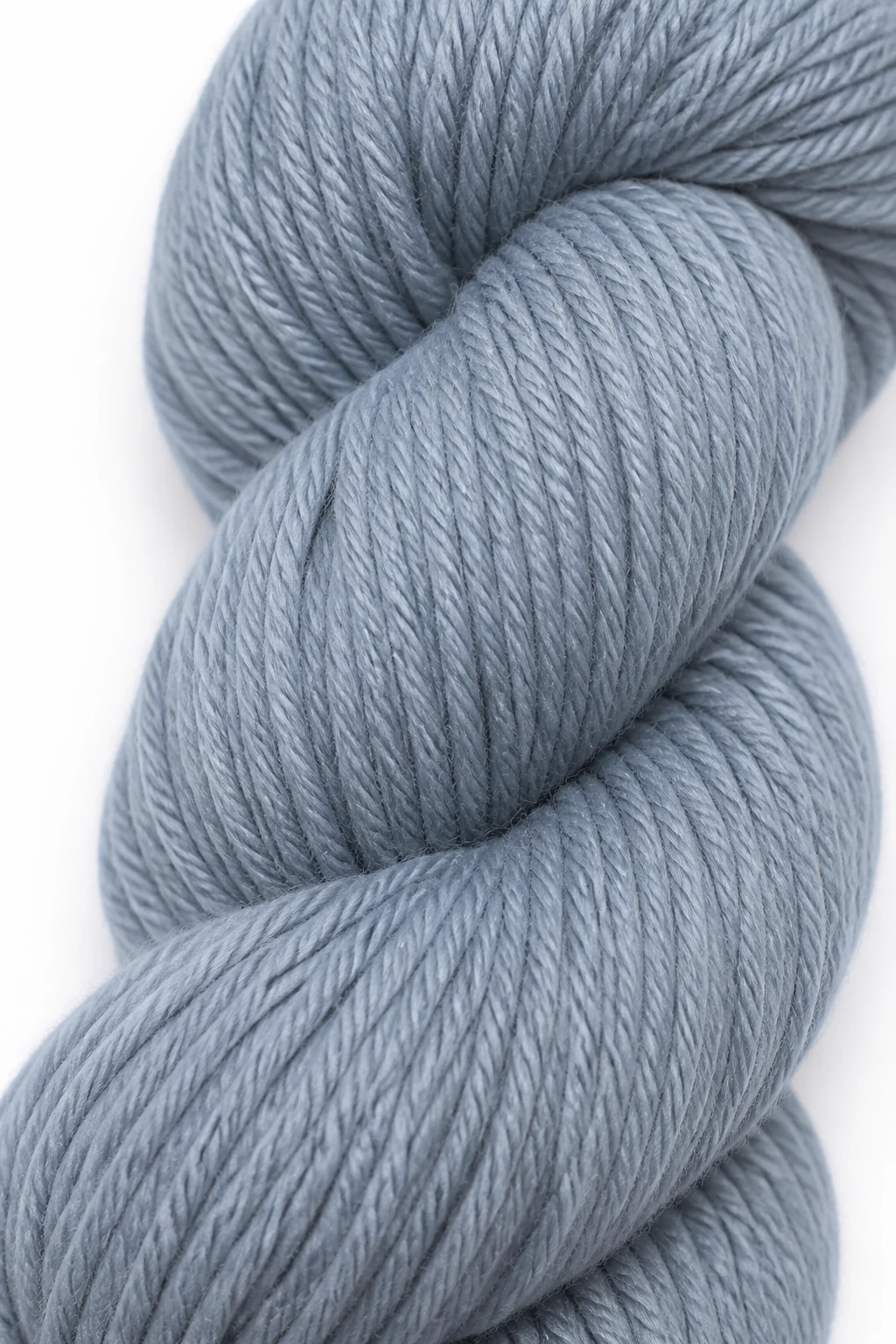
- Yarn labeled “worsted weight” (category 4) is a safe bet for beginners. Pick a smooth, medium-fiber yarn in a light color so you can actually see your stitches.
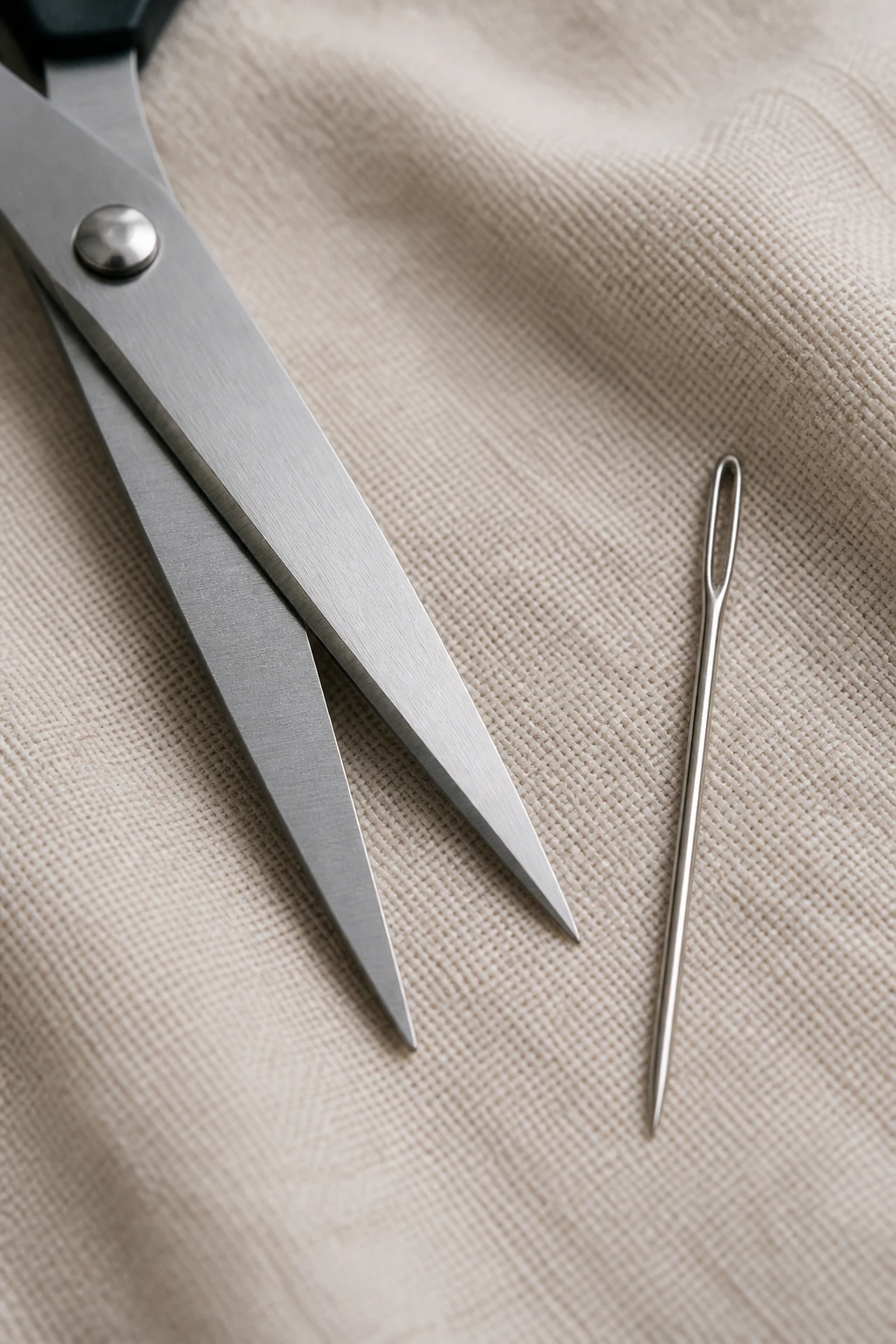
- Scissors for snipping ends like a pro and not playing hide-and-seek with scraps.
- Yarn needle or tapestry needle to weave in ends. Look for a blunt tip so you don’t scratch your future masterpiece.
- Stitch markers to keep track of rounds or tricky pattern stitches. A simple piece of yarn works in a pinch.
- Measuring tape or ruler for gauge swatches, because size matters—especially if you’re aiming for a hat or scarf that actually fits.
- Good lighting and a comfy chair. If you can’t see your stitches, you’ll hate life and your project.
Choosing the right yarn and hook: not as scary as it sounds

The right pair makes everything smoother. The wrong pair leads to dropped stitches and questionable necklines. Here’s how to pick without drama.
Yarn weight, texture, and color
- Yarn weight matters. Start with worsted or DK weight; they’re forgiving and easy to handle. Avoid super bulky or thread-thin stuff until you’ve got basics down.
- Texture helps you learn. Smooth yarn (like acrylic or cotton blends) shows stitches clearly. Rough textures can frustrate beginners—save those for later.
- Color choose wisely. Light colors reveal mistakes better than darks. You’ll thank yourself when you’re hunting for a dropped stitch.
Hook size and what it does
- Smaller hook, smaller stitches. If your yarn label says 4.0 mm, start there. Larger hooks create loose, floppy fabric; smaller hooks tighten up.
- Comfort matters. Look for hooks with a comfy grip if you know you’ll be crocheting for long sessions. Yes, ergonomics are a thing.
Tools that actually make your life easier
You don’t need a treasure chest, but a few smart tools save time and frustration.
Stitch markers and row counters
- Use markers to mark the first stitch of a round or a tricky increase. It saves you from losing your place and crying into your yarn.
- A simple row counter helps you track progress without counting in your head like a maniac.
Needles, snips, and anything else you’ll likely forget
- Small scissors keep ends neat and make snipping painless.
- A blunt tapestry needle is perfect for weaving in ends without stabbing your fingers.
- Clear plastic bags or a storage box can keep skeins organized and prevent tangles. FYI, you’ll thank yourself later.
Getting the yarn into shape: basic technique prep
Before you start a project, you’ll want to prep your supplies so you don’t fight with every stitch.
How to choose your first pattern
- Pick something simple: a scarf, dishcloth, or a basic blanket. Clear instructions and no weird abbreviations help you learn faster.
- Skim the pattern first. Do you understand the stitches used? If not, practice those stitches in a swatch before diving into the project.
Swatching: does it really matter?
- Yes, it matters. A quick swatch helps you get gauge and feel for tension. It also minimizes fabric surprises later.
- Don’t stress the numbers too much if you’re just learning. A rough gauge can still produce useful projects. IMO, perfect gauge is overrated for beginners.
Storage and organization: keep calm and crochet on
A tidy workspace turns a hobby into a sustainable habit. Here’s how to keep things under control.
- Use clear containers for yarn so you can see what you have. It eliminates “I know I have this, I just can’t find it.”
- Store hooks by size in labeled pouches. It saves time when you’re hunting for that G hook at midnight.
- Keep a small project bag for on-the-go crocheting. It’s life, not a luxury.
Common beginner mistakes and how to avoid them
We all start somewhere. Here are the usual mistakes and quick fixes to save you frustration.
Holding the hook and yarn like a scientist
- Relax your grip. A tense grip makes your hands tired and you’ll hate crocheting after five minutes.
- Find a comfortable yarn tension. You want a steady flow, not a yank every stitch.
Tension and consistency
- Consistency comes with practice, not panic. If your stitches are too tight, loosen your grip or use a bigger hook. If too loose, go smaller or slow down a bit.
- Watch your work as you go. It’s easy to stitch through the back loop by accident and end up with a weird stripe. FYI, it’s easily fixable with a quick practice row.
Progress tracking and motivation: celebrate every loop
Keeping momentum is the trickiest part for many beginners.
- Post small wins: a neat edge, a clean seam, a finished dishcloth. Share it on a forum or with a friend—humor helps keep you going.
- Set micro-goals. One scarf, one cozy, one baby blanket. Small milestones keep you moving without burnout.
- Schedule regular practice sessions. Short, consistent sessions beat long, sporadic bursts. IMO, consistency > intensity.
Care and maintenance: your project’s long-term love language
What you do after you finish your piece matters almost as much as the stitch itself.
- Read care labels on yarn. Some fibers love gentle hand-washing; others tolerate machine washing. Your future wash routine depends on this choice.
- Block when needed. Blocking can transform an okay piece into a polished one, especially for things like washcloths or shawls.
- Store finished items clean and dry. No one wants a musty scarf stashed in a drawer like a secret villain.
Optional upgrades: once you’ve got the basics down
If you’re cruising along and want to level up without chaos, consider these upgrades.
Different yarn fibers to try
- Acrylic for budget-friendly practice and easy care.
- Cotton for sturdy dishcloths and breathable garments.
- Wool blends for warmth and a bit more resilience (but beware felting risk with hot water).
Gauge swatches and pattern reading
- Learn to read pattern abbreviations. It’s a tiny real-world skill that pays off when you upgrade to more complex projects.
- Keep a little notebook for your gauge results and hook sizes. You’ll thank yourself later when patterns misbehave.
Tools for advanced comfort
- Ergonomic hooks that reduce hand fatigue during long sessions.
- Stitch markers that don’t slip. The last thing you want is a marker doing a Houdini act.
FAQ
Do I really need a full set of hooks to start?
Not at first. Start with one or two sizes that match your chosen yarn. As you gain confidence, you can add more sizes. FYI, you’ll eventually collect a small army of hooks, and that’s normal.
Is cheaper yarn okay for beginners?
Yes, but choose something smooth and easy to work with. Budget yarns can shed fibers or split, which slows you down. If you can, pick a mid-range option that feels nice in your hands.
How many projects should I have going at once?
Avoid more than two active projects at a time if you’re a beginner. It prevents confusion and helps you finish something you can actually show off. IMO, finishing feels like progress.
What’s the biggest mistake beginners make with patterns?
Trying to skip the basics. If you don’t understand simple stitches or gauge, the pattern will feel like a foreign language. Take a breath, practice a few swatches, and then return to the pattern with fresh eyes.
How often should I practice to improve quickly?
Aim for short, regular sessions—3–5 times a week for 20–30 minutes each is a sweet spot for most people. Consistency beats intensity, every time.
Conclusion
Ready to dive in? With the right crochet supplies, you’ll glide from “what is a slip knot?” to “I made something I’m actually proud of.” Start with the basics, keep things simple, and let your projects build your skills one stitch at a time. FYI, the journey is half the fun—the yarn, the laughter, and the inevitable accidental chain sequences that somehow turn into something cozy. You’ve got this.