The bobble stitch is the sassiest little detail you can add to crochet projects. It pops, it peeks, and it somehow makes everything look instantly plush. If you’ve ever fumbled with bobble basics, you’re not alone—but you’re in the right place to fix that. Let’s dive into a guide that feels like a chat with a crafty friend who actually wants you to finish something fabulous.
What the bobble stitch really is (and why you’ll love it)
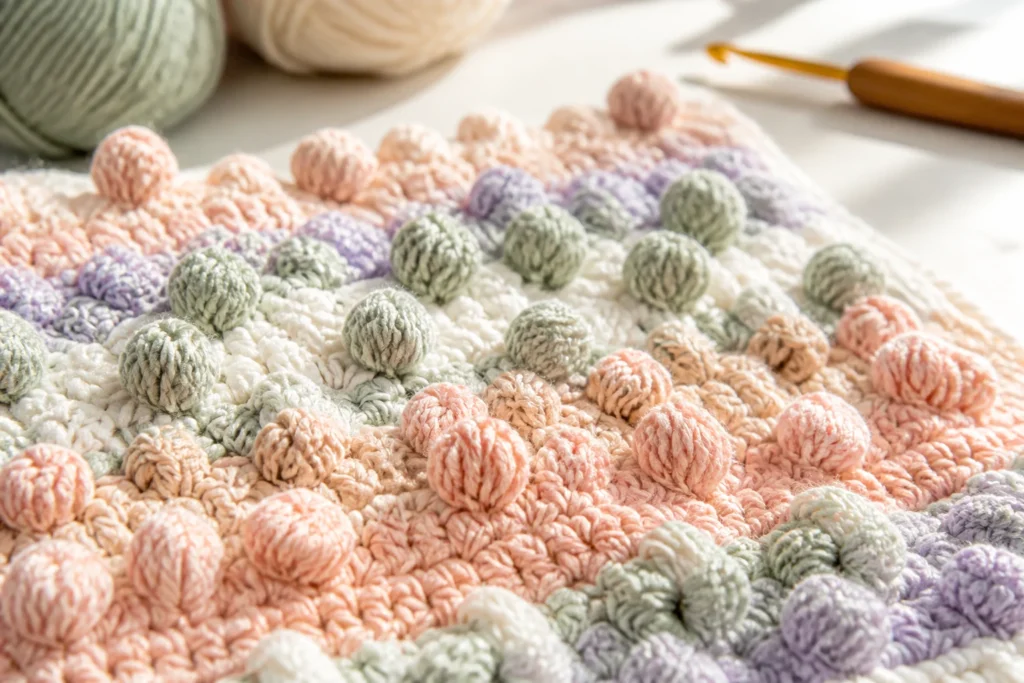
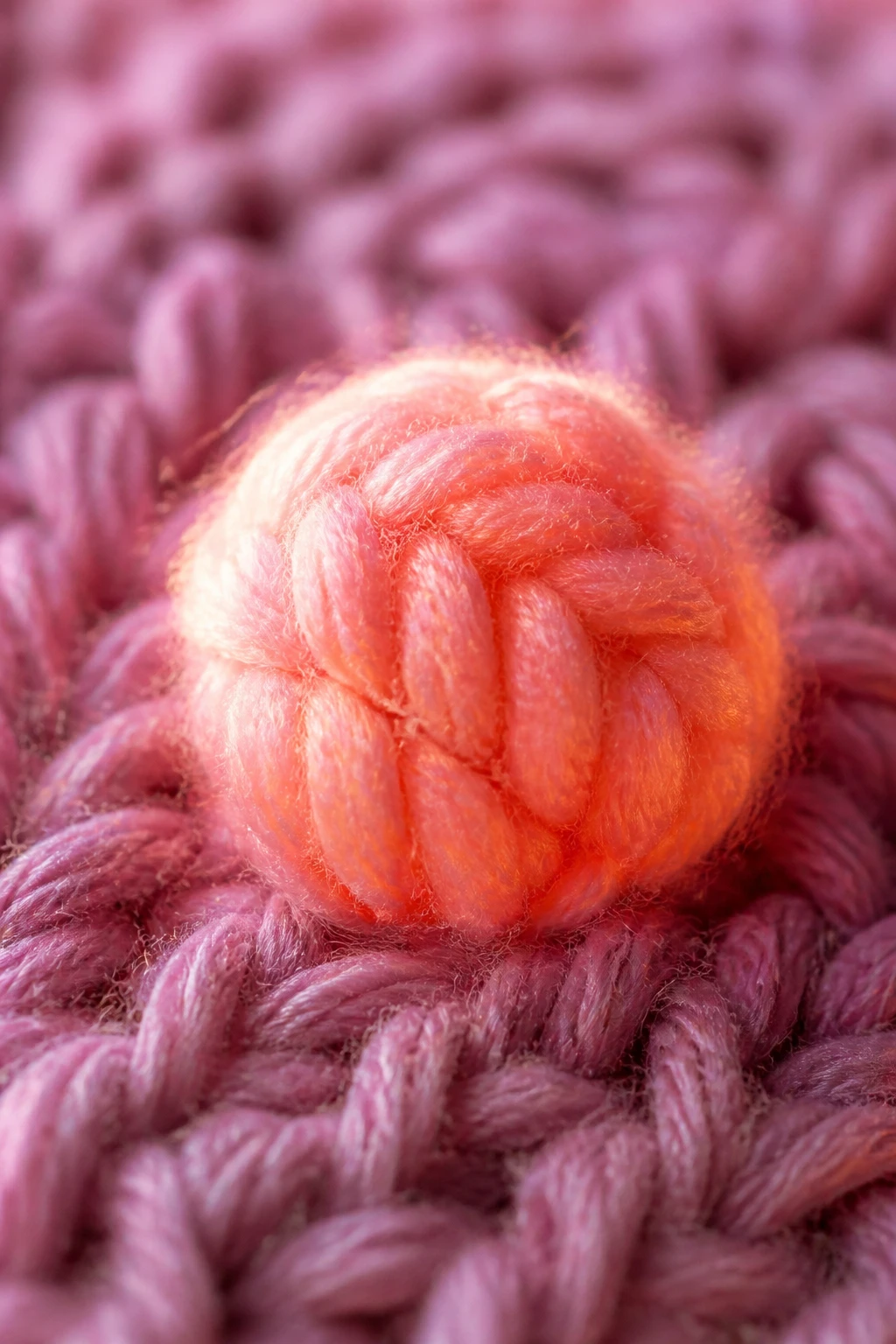
The bobble stitch is basically a cluster that creates little puff balls on your fabric. Imagine tiny popcorn kernels perched on your blanket or hat—minus the snack cravings. It’s decorative, textured, and surprisingly forgiving for beginners who want to level up their texture game.
Why I’m obsessed: bobbles give dimension without needing complicated cables or fancy tapestries. They’re like the seasoning salt of crochet—tiny, punchy, and universally loved. Plus, you can play with size by adjusting the number of wraps and stitches. FYI, you can dumb down a complex pattern by substituting plain stitches with bobbles for a crochet baby’s introduction to texture.
Getting started: tools, yarns, and mindsets

Before you loop and pull, here’s your quick setup checklist.
- Yarn choices: Smooth yarns reveal bobbles best. Think cotton blends or smooth acrylics. Textured yarns will hide some of the puff, which isn’t bad—just a different look.
- Hook size: Use a hook that matches your yarn label. If you’re chasing a punchier bobble, you can go one size smaller for a crisper stitch.
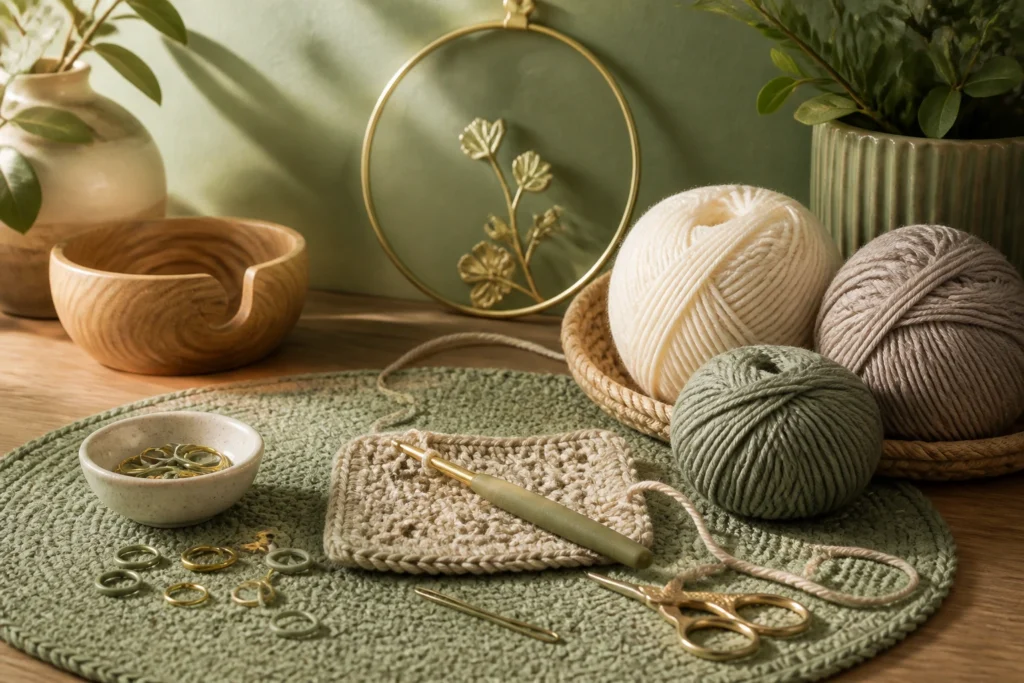
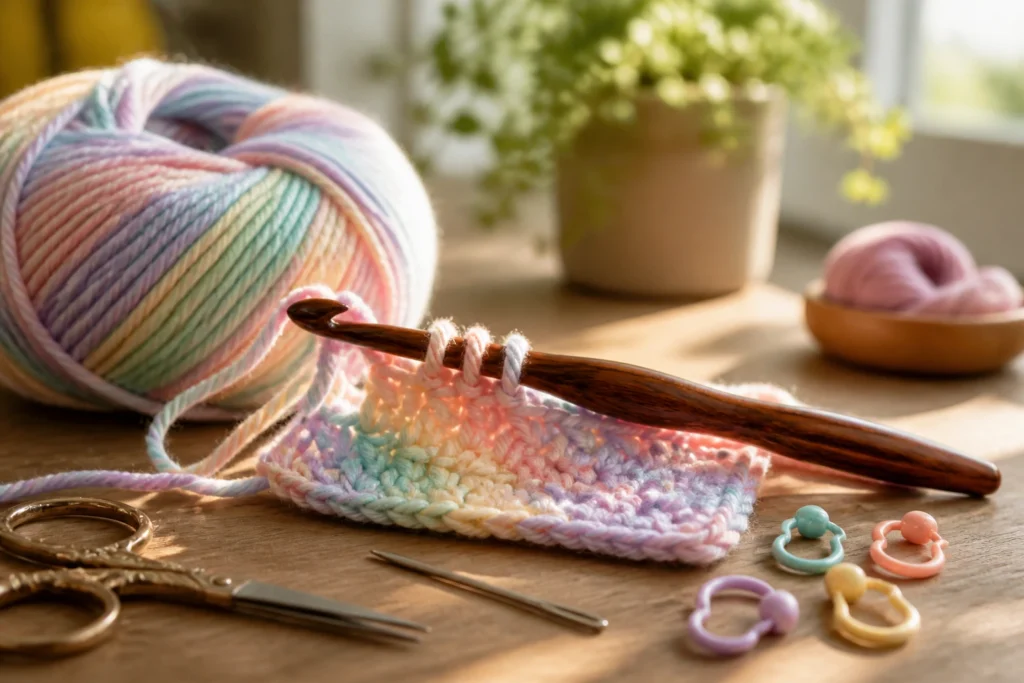
- Needle and notions: Tapestry needle for weaving in ends, stitch markers to keep your place, and a sharp pair of scissors you actually won’t lose in the couch cushions.
- Practice swatch: Do a tiny swatch first. Yes, I know—swatches are not glamorous. But they save your sanity when your bobbles morph into mountain ranges.
Fundamentals: how to crochet a single bobble
Here’s the bare-bones method so you’re not drowning in instructions.
- Wrap the working yarn around your hook N times (commonly 5 wraps for a large bobble, fewer for smaller puff balls).
- Insert your hook into the stitch where you want the bobble.
- Draw up a loop, then repeat pulling up loops into your hook until you have N loops on the hook.
- Fasten off the wraps by yarn-over and draw through all loops, then continue with your pattern.
Common pitfalls (and how to dodge them)
– Bobbles too tight? Loosening the wraps a pinch helps. If you can’t pull through, your yarn might be too tight or your hook too small. Try a size up for comfort.
– Bobbles collapsing in later rows? Ensure your tension stays consistent and don’t rush the stitch insertion. Slow and steady wins the puffball race.
– Invisible bobbles? Your yarn color and camera lighting are often to blame. A high-contrast color makes the texture pop in photos and in real life.
Patterns that really showcase bobble texture
Bobble stitches work wonders in a bunch of projects. Here are some crowd-pleasers and why they shine.
- Baby blankets: Soft, huggable texture with a playful look. Easy to repeat, and you can mix bobbles with regular stitches for a modern chevron or cheep-free plaid vibe.
- Hats and beanies: A row or two of bobbles around the brim or crown adds personality without sacrificing warmth.
- Scarves and cowls: Rows of bobbles create a tactile, cozy finish that invites touch. FYI, people will want to borrow it constantly.
- Home decor: Pillow covers and throws benefit from subtle bobbles for depth—just don’t overdo it or you’ll end up with a sandy beach vibe.
Blending bobbles with other stitches
– Alternate bobble rows with plain double crochet to give breathers between puff sections.
– Use back loop stitches around bobbles to emphasize the texture and create a ridge effect.
– Incorporate color changes on rows with bobbles to highlight the puff clusters without overwhelming the eye.
Advanced bobble variations to level up
If you’re feeling a little fearless, these twists make bobbles sing.
- Popcorn and cluster combos: Combine bobbles with popcorn stitches for bigger puffs. Think of it as a texture buffet.
- 3D bobbles: Increase wraps (for example, 6-8 wraps) and work into a single stitch for a more pronounced puff. You’ll get a bubble that practically begs to be touched.
- Colorwork bobbles: Work bobbles in one color and background in another. The contrast pops without needing fancy colorwork skills.
Care and washing considerations
– Bobble surfaces can feel rough when new; washing helps soften them, especially on natural fibers.
– Use a gentle cycle and mild detergent.
– Lay flat to dry if you’re aiming for shape retention; toss in the dryer on a low tumble with a clean tennis ball if your fabric is sturdy enough.
Projects to practice without commitment fatigue

New to bobbles? Start small. These quick wins build confidence before you tackle a big blanket.
- Mini sampler scarf: A few repeats of bobble rows mixed with plain rows. Minimal commitment, maximum bragging rights.
- Bobble stitch dishcloth: Cotton yarn, sturdy stitches, and a practical payoff. Yes, you’ll actually use it.
- Textured coaster set: A handful of colors and a repetitive pattern that teaches tension control and stitch placement.
Tips for keeping bobbles even and pretty
Consistency is the secret sauce.
- Count carefully: Keep track of how many wraps you’re making for each bobble. A miscount can turn a cute puff into a lopsided blob.
- Use stitch markers: Place markers to mark the base stitch where the bobble goes. It saves you from frantically counting in the middle of a row.
- Block lightly: If your project is fabric-heavy, a light blocking can even out stitches and bring out the bobble texture.
FAQ
Can I make my bobbles bigger or smaller?
Absolutely. The size of a bobble depends on how many wraps you make and how tightly you pull the final yarn through. More wraps equals bigger puff. Fewer wraps gives you a petite puff. Experiment on a swatch to find your sweet spot.
Is there a time when bobbles aren’t a good idea?
Bobble density can overwhelm some patterns or fabrics. If you’re aiming for a sleek, minimalist look, a gentler texture or fewer bobbles works better. In dense crochet projects, add bobbles sparingly so they don’t bucket the stitches.
What’s the difference between a bobble and a popcorn stitch?
Both create raised textures, but popcorn stitches are typically formed by closing multiple loops together in a single motion to make a bigger bump, while bobbles are often shorter clusters of wraps pulled through. They look similar, but the technique and resulting height can differ.
Can I frog a bobble easily if I make a mistake?
Frogging around bobbles can be tricky because you can snag surrounding stitches. Take your time, use a sharp pair of scissors to snip only the yarn tail if you need to, and carefully unravel. It helps to work from the top of the row where the bobble sits.
Do bobbles look the same in all yarn types?
Not quite. Smooth yarns show bobbles crisply, while textured or fuzzy yarns can soften the edge of the puff. If you want punch, go slick; if you want a more organic look, embrace the fuzz.
Conclusion
Bobble stitch crochet is a playful, versatile way to add personality to almost any project. It’s approachable enough for beginners, but it also scales up to ambitious textures for seasoned crocheters. The trick is to practice on small swatches, keep tension consistent, and don’t be afraid to tweak the number of wraps to suit your yarn and project.
If you’ve stuck with me this far, you’re basically ready to unleash a blizzard of puffballs on your next blanket or hat. IMO, the payoff is worth a little extra effort—your future crocheted items will thank you with compliments and curious friends asking, “Did you really crochet that?” FYI: yes, you did.
Need a quick jump-start plan? Grab a swatch, pick a color you love, and try three bobble sizes in a single row. Compare, pick your favorite, and run with it. You’ve got this.