I know the feeling: you snag a skein, you chain a row, and suddenly your stitches resemble noodles more than anything stitch-worthy. Don’t sweat it. The best yarn for beginner crocheters is all about a friendly start — soft, forgiving, and easy to work with. Let’s dive in and get you grabbing hooks with confidence and a smile.
What makes yarn beginner-friendly, anyway?
– Weight matters: bulky and bulky-prone yarns show mistakes less than fine threads. A worsted or sport weight is a sweet spot to learn on.
– Texture, texture, texture: smooth plies glide through the hook. Textured yarns tend to catch on the hook and frustrate you when you’re still learning.
– Bright colors or neutrals: color helps you see stitches, but a high-contrast yarn can hide your errors later on as you improve.
– Splitting is the enemy: some yarns split easily, which makes learning feel like a tug-of-war with your own project.
What you’ll actually find in beginner-friendly yarn
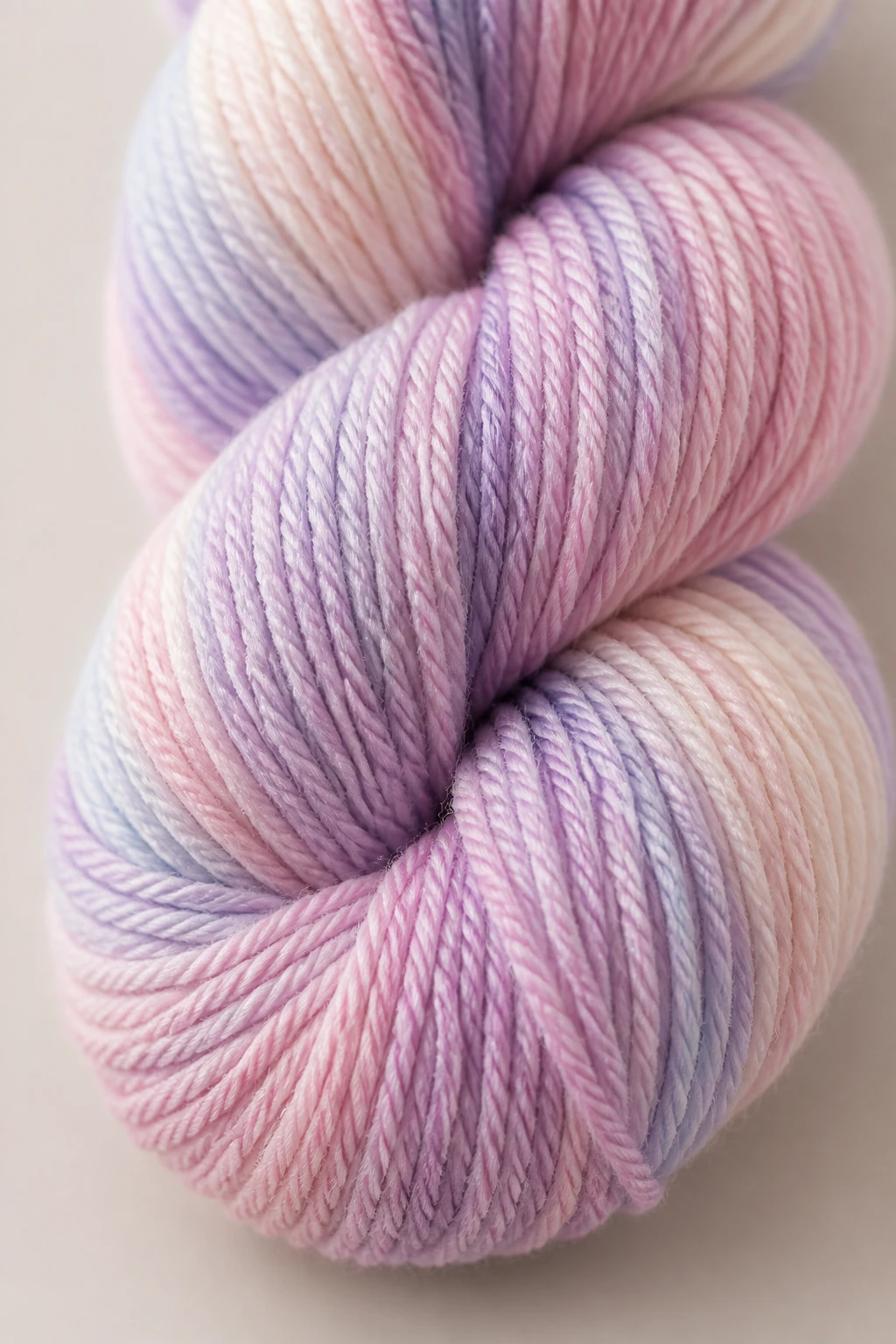
- Weight: Most beginners start with worsted weight ( category 4) or DK (category 3). They’re sturdy, forgiving, and work up quickly.
- Fiber type: Acrylic blends dominate for a good reason — affordable, machine washable, and easy to handle. Cotton is lovely but can be a tad stiff for tiny projects. Wool blends can be cozy, but they may feel a touch scratchy for sensitive skin.
- Texture: Smooth plies, not novelty textures or heavy boucle. You want yarn that slides smoothly off the hook and doesn’t pretend to be a five-year-old kazoo solo.
- Dyelot consistency: Newbie tip — grab multiple skeins from the same dyelot if you can. Subtle shade differences distract you less when you’re learning color changes or granny squares.
Top picks for beginner crochet yarns
These are players I actually reach for when I’m teaching a class or helping a friend learn. They’re forgiving, widely available, and tend to hold up over multiple wash cycles. FYI, I’m sticking mostly to acrylics and acrylic blends because they’re the most beginner-friendly in real-life scenarios.
1) Worsted-weight acrylic blends
- Brand examples: Red Heart Super Saver, Lion Brand Wool-Ease Thick & Quick (for bulkier options), Caron One Pound
- Why they’re great: Easy grip, forgiving loop consistency, bright colorways, and inexpensive. If you mess up, you won’t cry into a puddle of yarn.
- Project ideas: Dishcloths, basic scarves, simple beanies, security blankets for kids (the non-airplane kind, please).
2) DK-weight acrylic blends
- Brand examples: Debranded DK, Lion Brand 24/7, Bernat Premium DK
- Why they’re great: Slightly finer than worsted, still forgiving. Great for wearable projects like hats and lightweight scarves without sacrificing ease of handling.
- Project ideas: Lightweight shawls, baby blankets, cardigans for mild weather.
3) Cotton-blend yarns (for sturdy basics)
- Brand examples: Lily Sugar’n Cream, Sugar’n Cream Eco
- Why they’re great: Breathable, washable, and nice for home decor projects.
- Project ideas: Washcloths, potholders, simple market bags.
What to look for when you’re at the shop
- Bit of memory: weight and construction – Look for “Worsted” or “DK” on the label. If you’re new, avoid novelty yarns that look cute but behave like a wild goose in your hands.
- Texture and splits – Rub a bit between your fingers in the shop to see if it splits. If it does, you’re probably better off choosing something smoother.
- Care instructions – If you want something you can throw in the washing machine, check the care label. It saves you from heartbreak after your first wash.
- Colorway selection – Pick a color that helps you see stitches clearly. High-contrast colors are great for learning; go brighter for practice, darker for finishing touches.
What beginners should actually crochet first
Let’s keep it simple. Your first projects should build confidence, not crush your enthusiasm. Start with single crochet (sc) stitches in a flat swatch or a simple rectangle. Once you’re comfy with tension and stitch consistency, you can move to basic shapes and rounds.
Swatch basics for practice
- Size: 6×6 inches is plenty for a practice block.
- Stitch variety: Alternate rows of sc and half double crochet (hdc) to feel how different stitches behave.
- Gauge: Don’t stress gauge on your first project, but note it for later. It helps when you want your scarf to be a certain width instead of a sloppy rectangle.
First real projects that stay friendly
- Dishcloths (sturdy, quick, and forgiving)
- Simple scarves (straight rectangles with a basic stitch pattern)
- Beanie hats (with a basic rib or single crochet brim)
Common beginner slip-ups and how to fix them
So you’ve started. Great. Here are the bumps you’ll hit and how to smooth them out before they become habits you hate.
Yarn splitting
- Cause: a rough yarn plies or a too-sharp hook.
- Fix: Try a smoother yarn, or switch to a bigger hook for a looser grip. Looser stitches make splits less noticeable.
Unwanted tightness
- Cause: You’re gripping the hook like a lottery ticket.
- Fix: Relax your grip, lean into a looser technique, and practice with a bigger hook for a bit before returning to your regular size.
Uneven tension
- Cause: Inconsistent hand movement.
- Fix: Slow your pace, watch your loops, and practice a few minutes daily. Your future self will thank you.
Maintenance and care: keep your yarn happy
Here’s the lowdown on keeping your beginnings in good shape. The goal is to avoid pilling, fraying, or matted messes on your first projects.
Washing and drying
- Always check the label. Machine wash vs hand wash can make or break your blanket-in-progress.
- Avoid high heat. Dry on low or lay flat to dry to maintain shape.
Storage tips
- Keep skeins in a cool, dry place. A tote bag works great for travel and yarn-holding chaos.
- Label scraps or small balls so you don’t lose track of your practice bits in a sea of yarn.
Tips from the pros: accelerators for a confident start
Even if you’re a newbie, you can borrow a few tricks from seasoned crocheters to speed up your progress without sacrificing quality.
Make a mini project plan
- Choose a simple pattern and a limited color palette. This keeps your focus on stitches, not color changes.
- Break it into small milestones. It’s more satisfying to finish a small square than to stare at a giant blanket you haven’t touched in a week.
Learn tension with a swatch
- Make a small swatch every few skeins. It trains your fingers and helps you notice when your tension drifts.
Don’t fear mistakes
- Mistakes are proof you’re learning. Save the frogging for the end of the day and reward yourself with a small victory after each section.
FAQ
Is acrylic yarn bad for beginners?
Nope. Acrylic is forgiving, affordable, and machine-washable, which makes it perfect for beginners who want to practice without worrying about delicate fibers. FYI, many beginners eventually branch out to cotton or wool blends for specific projects, but acrylic is the ideal starting point.
What about natural fibers for beginners?
Natural fibers like cotton or wool blends have their charms, but they can be a touch stiffer or split more easily. If you have sensitive skin, cotton blends can be gentler, and wool blends offer warmth. Just know you might need a slightly different hook size or warmer tension to get comfortable.
How do I choose the right hook size for beginner yarn?
Usually the yarn label suggests a hook range. Start with the mid-point. If your stitches look loose or tight, adjust by a half-size up or down. Simple rule: looser stitches are easier to see and fix when you’re learning.
Can I crochet without a gauge swatch?
You can, but don’t skimp on the gauge once you decide to make something that needs exact sizing. For most beginner projects like scarves or washcloths, gauge isn’t life-or-death. For wearable projects, you’ll want to measure and adjust.
What if I hate the color I bought?
Swap it for a friendlier shade or pair it with a contrasting accent color. Bright colors help you count stitches, too. And if all else fails, dyeing is a future “fun at home” project—just not the beginner one.
Final picks and a plan to keep going
If you’re overwhelmed by options, here’s a simple, practical starter kit idea that won’t break the bank:
- 1 skein worsted-weight acrylic in a bright color
- 1 skein DK-weight acrylic blend in a neutral shade
- Hook size 5.0 mm (H) and 4.0 mm (G) as starting points
- Basic pattern bookmark: a small scarf or dishcloth pattern
Set a tiny weekly goal: one 20-minute practice session and one completed swatch or small square. Sit back, celebrate, and then rinse and repeat. Bold claim: you’ll be amazed at how fast your confidence grows when you keep showing up.
Conclusion
Bottom line: the best yarn for beginners is the yarn you actually enjoy working with. It’s forgiving, easy to handle, and supports your learning curve without nagging you about every stitch. Start with worsted-weight acrylics or DK blends, grab a few simple patterns, and keep your sessions short, fun, and consistent. IMO, the more you crochet, the more you’ll fall in love with the process—and the less you’ll fear any stitch. FYI, you’ve got this. Happy hooking!