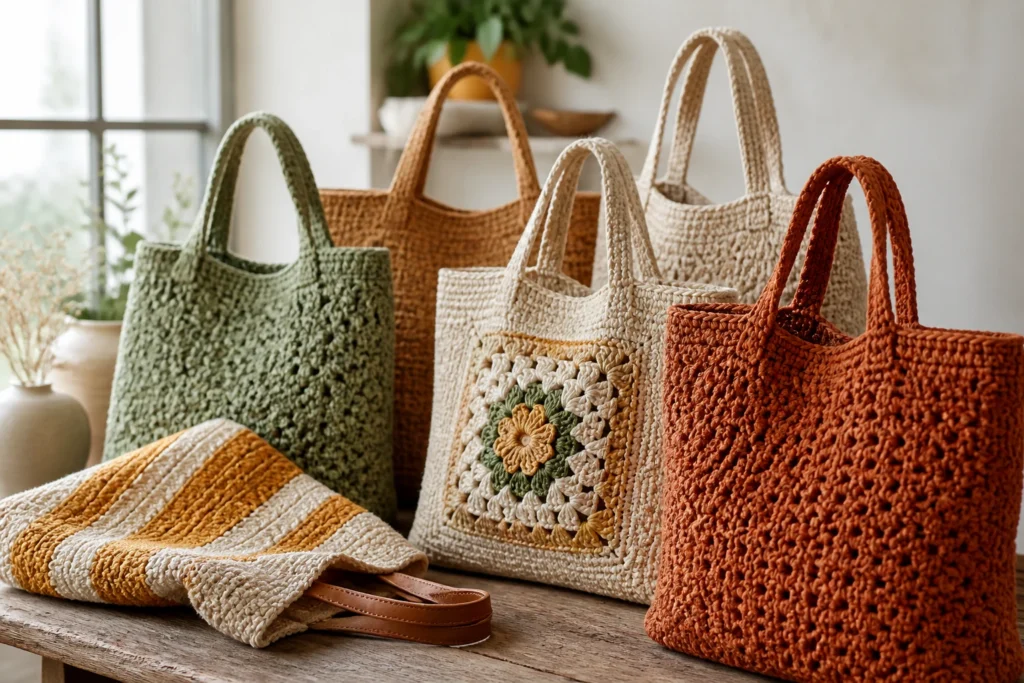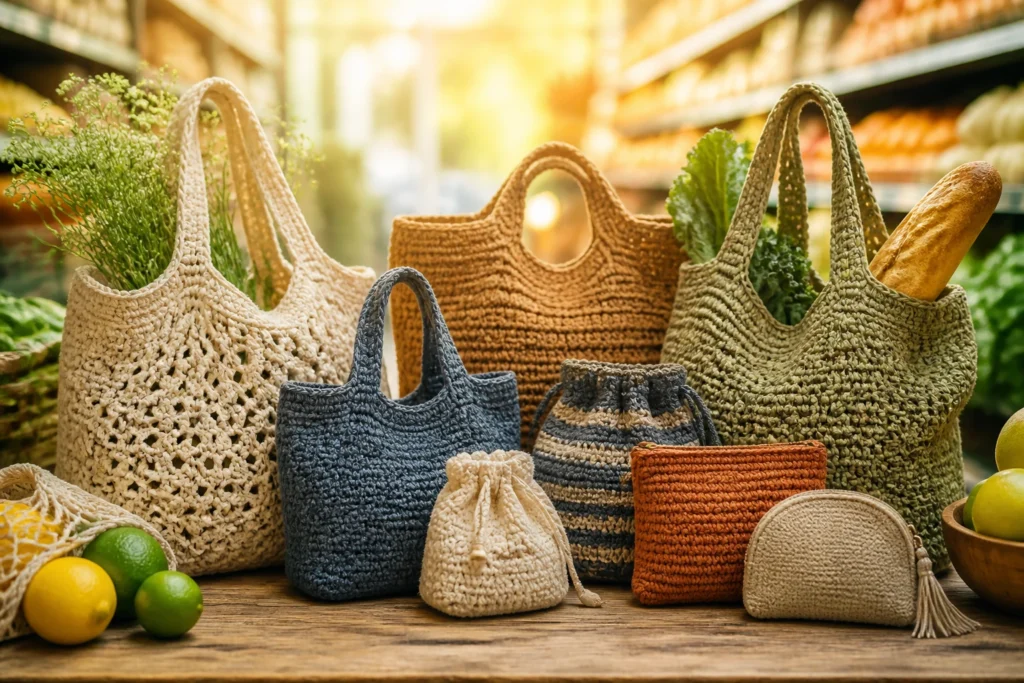
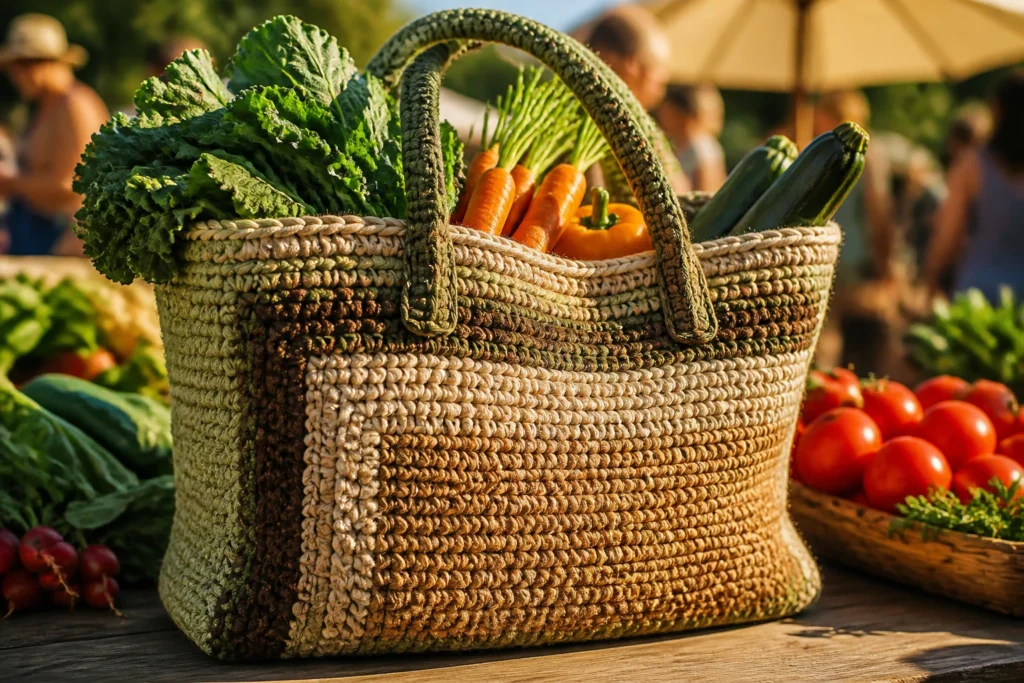
If you’re eyeing market bags that actually hold up and look good standing next to your farmers’ market haul, you’ve landed in the right yarn corner. Let’s cut to the chase: the yarn you choose makes or breaks a bag’s strength, texture, and vibe. Ready to pick like a pro without turning this into a science fair project? Let’s dive in.
What makes a yarn bag-worthy? A quick gut check
You want a bag that doesn’t sag like a wet noodle and still feels comfy on your shoulder after a morning of lugging zucchini and baguettes. So what should you look for?
– Durability that doesn’t quit after one heavy load
– A stitch texture that hides wear and keeps its shape
– Washability so you can hose off the rogue berry stain
– A bite that’s comfy to carry, not a pebble in your palm
– A style that matches your market-day swagger
If a yarn checks most of these boxes, you’re in the right neighborhood. If not, keep reading—there are good options for every budget and vibe.
Durability first: fiber choices that survive the market gauntlet
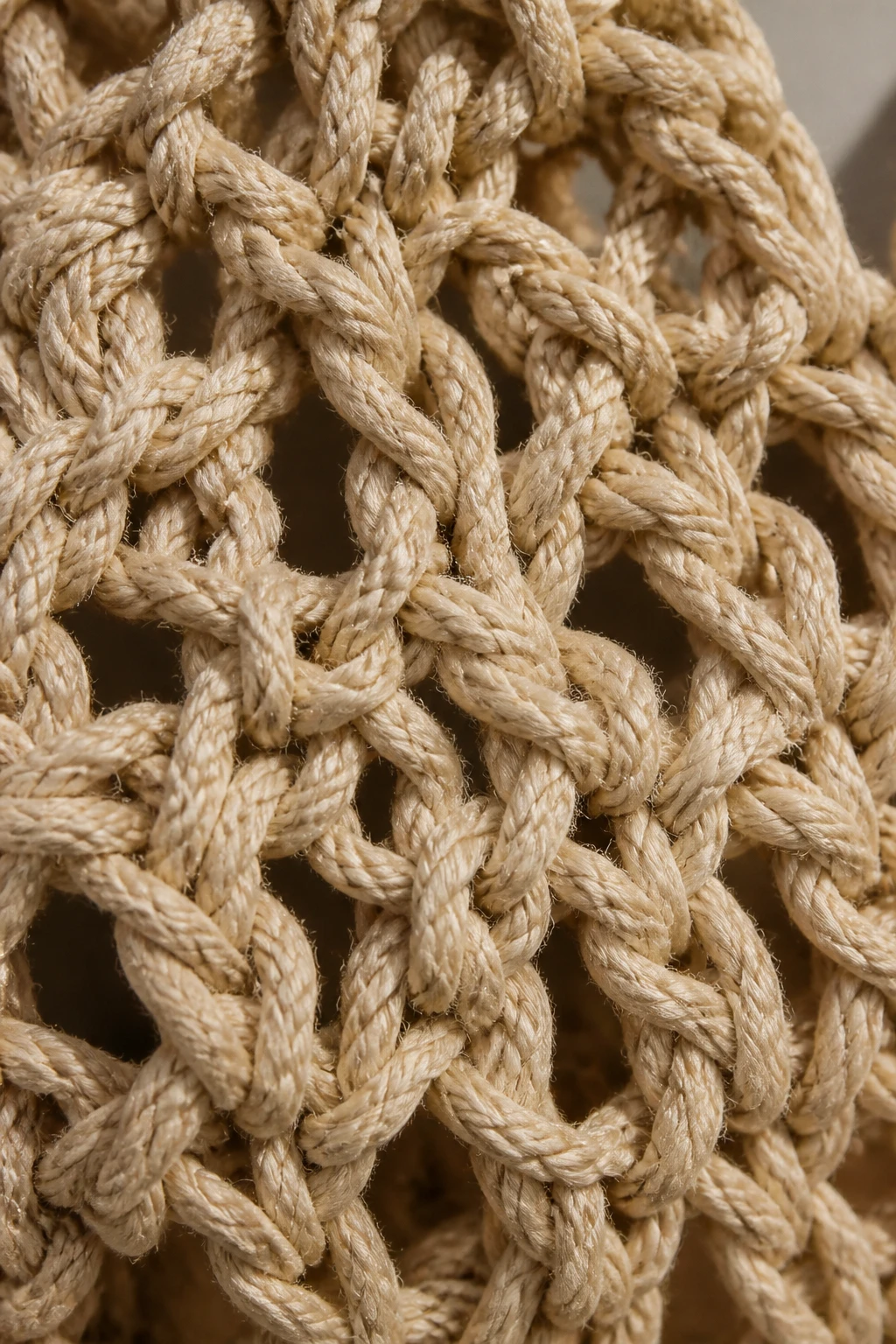
When you’re choosing yarn for a market bag, durability is king. Here are the big players and how they stack up.
- Acrylic blends – The budget-friendly workhorse. Holds color, cleans up easily, and isn’t afraid of the weather. Pro tip: blend with a natural fiber to keep it breathable.
- Polyester and nylon blends – Super tough, resistant to abrasion, and surprisingly soft in the right twist. They wash well and resist stretching out of shape.
- Cotton – Breathable, sturdy, and great for a stiff, structured bag. It tends to stretch a bit as you load it, so plan for a snug base.
- Jute or hemp blends – Eco-friendly with a rustic vibe. They’re tough as nails but can be scratchy on the hands unless you line or pair with a softer thread.
- Natural wool blends – Warmer in chilly markets, but can felt a tad if you machine wash. Hand wash to keep it happy and stretch-free.
How to pick a base fiber
– If your market runs hot in July, consider cotton or a cotton blend for breathability.
– If you want stiffness for a tote with crisp edges, cotton or linen blends win.
– If you’re chasing color-fast boldness that ages gracefully, acrylic blends are your friend.
– If you crave a rugged, rustic look, try jute or hemp blends with a lining.
Texture and structure: how stitch and twist affect shape
Texture isn’t just about looks—it dictates how the bag wears over time and how much it can carry.
– Dense, tight stitches hold shape and resist snagging. Great for a tote that keeps its form.
– Open, breathable stitches feel breezier but can stretch a bit more. Perfect for a market bag that looks relaxed yet sturdy.
– Twist and plies influence drape. A high-twist yarn resists snagging and keeps structure longer.
Recommended stitches for resilience
– Single crochet with a tight foundation for a firm bag.
– Half-double crochet for a little flexibility without losing strength.
– Linen or moss stitch can create a sturdy, textured surface that wears well.
Color, fade resistance, and how that plays with market vibes
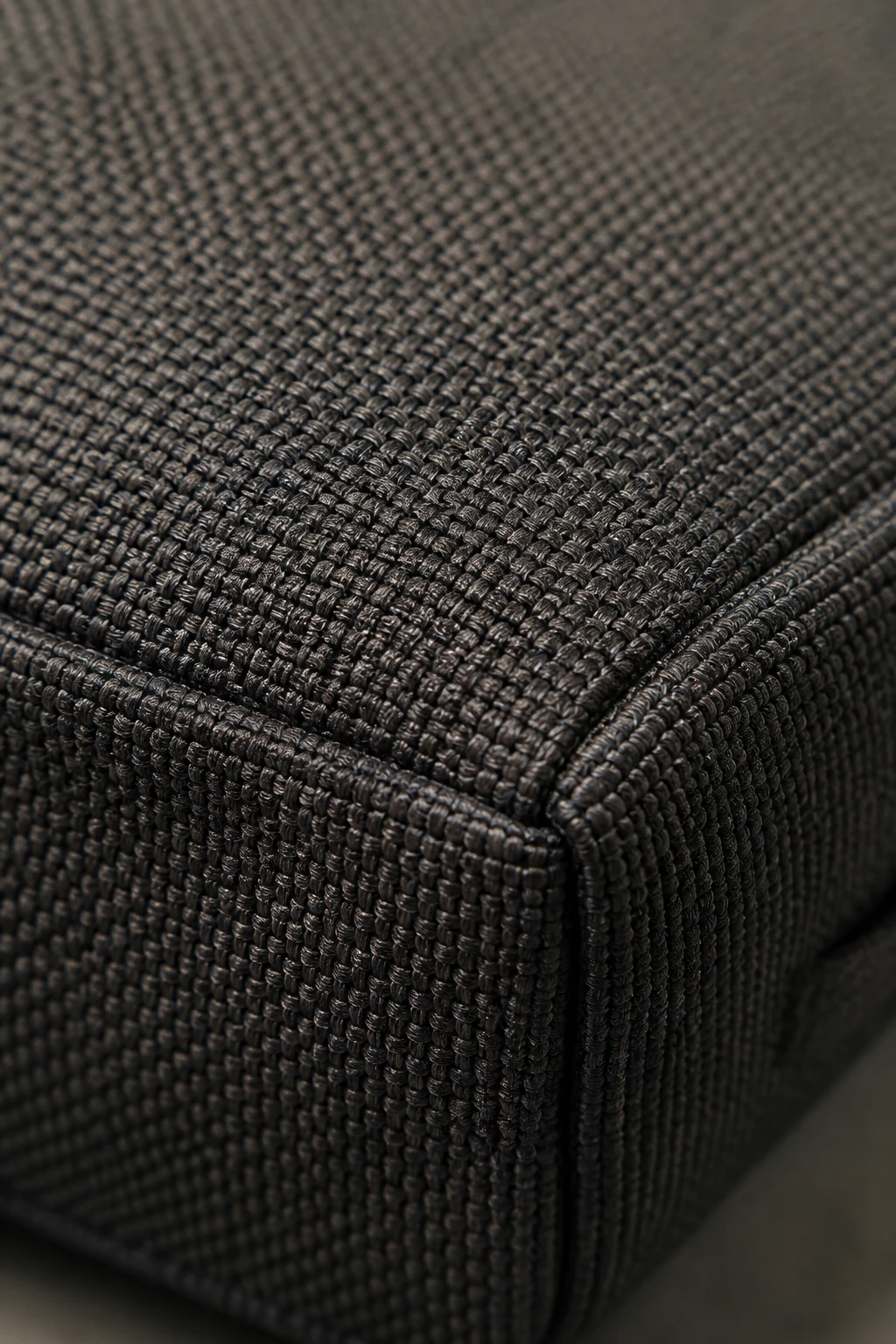
Let’s face it: you’ll be outside, sun beating down, maybe a light mist in the air. Color fastness matters.
– Acrylic and poly blends tend to hold color well over time, even with sun exposure.
– Cotton colors can bleed a tad in the wash, so pre-wash swatches are smart.
– Natural fibers like wool and linen absorb dye beautifully but can fade unevenly if left in the sun. Consider lining or dark tones for longevity.
– If you borrow the “grab-and-go” vibe, choose bolder colors that hide minor dirt and scuffs.
Practical dye and care tips
– Do a quick color test on a small swatch before committing to a whole bag.
– Wash with like colors and use a gentle cycle or hand wash when possible.
– Dry flat to preserve stitch integrity and avoid wavy edges.
Handling weight, stretch, and load: how much can your bag actually carry?
What’s the point of a good-looking bag if it can’t handle the load? Here’s how to size up.
- Estimate your typical haul: fruit, vegetables, bread, a couple of jars. If it sounds heavy, aim for sturdier fibers and tighter stitches.
- Consider base construction: a flat bottom with extra stitches at corners reduces bulging and sag.
- Think about handle attachment: reinforced handles with multiple attachment points distribute weight better.
Scale it like a pro
– Light loads: cotton or soft acrylic blends are delightful, flexible, and easy to carry.
– Medium loads: cotton blends with a tighter stitch or a linen blend for extra stiffness.
– Heavy loads: performance blends (acrylic/poly, nylon blends) with a reinforced bottom and sturdy handles.
Comfort matters: shoulder-friendly design and under-the-hood details
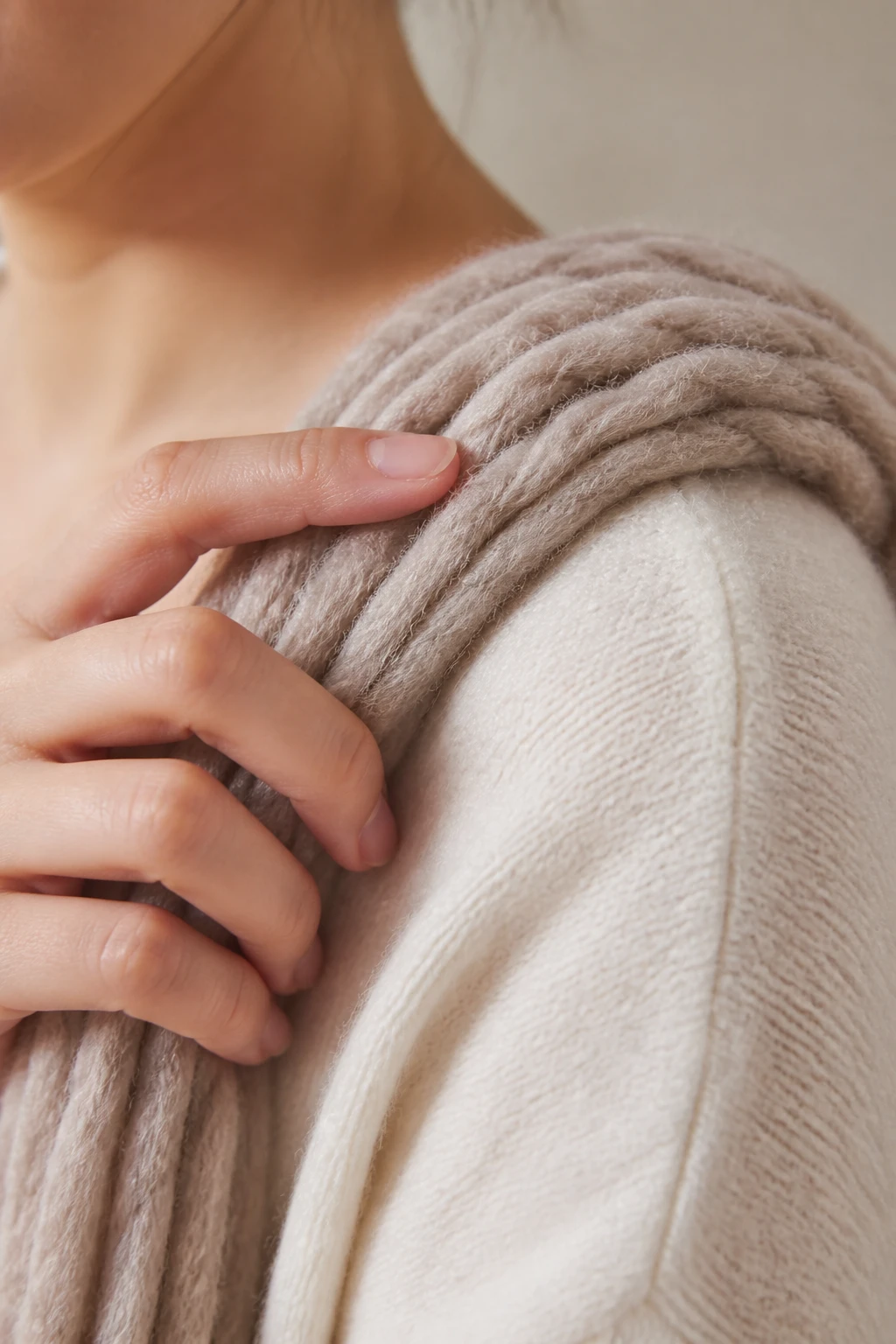
A bag that’s comfy makes market days feel like a breeze, not a workout.
- Handle width matters. Wider handles distribute weight better and feel nicer on the shoulder.
- Handle length determines how you carry it. Short handles tuck under your arm; longer ones sling over the shoulder.
Lining as a little luxury
– A lightweight cotton or linen lining can prevent snagging on rough produce, add a touch of structure, and make cleaning easier.
– Lined bags can also help prevent colors from bleeding onto your wares.
Care and maintenance: keeping your bag fresh through the season
No one loves a bag that grows grubby and misshapen after a few farmers’ market runs. Here’s how to keep it happy.
- Spot clean when possible. A damp cloth and mild soap often do the trick.
- For machine-washable fibers, use a gentle cycle and cool water. Skip the high heat in the dryer—air-dry instead.
- Store bags flat or rolled to prevent stretching. If you must fold, avoid harsh creases at handles.
Stain-fighting quick tips
– For berry stains, dab with a gentle stain remover and rinse quickly.
– Avoid deep soaking for long periods; it can cause fibers to relax and lose shape.
Yarn picks by vibe: which to choose for your market bag style
Let’s map some popular looks to yarn families, so you can pick with intention.
- <strongRustic and earthy — Jute, linen, or hemp blends with a touch of wool for warmth. Structured, durable, and stylish in a rustic sort of way.
- <strongBright and bold — Acrylic blends with vibrant dyes. Holds color beautifully and cleans up with a shrug.
- <strongClassic and versatile — Cotton or cotton-blend yarns. Timeless, breathable, and easy to work with.
- <strongCozy and pragmatic — Wool blends for cooler mornings or markets with quick trips back to the truck for coffee refills. Not too warm, just right for fall vibes.
Projects that prove the point: quick design ideas you can actually finish
If you’re itching to start, here are a few simple patterns that work well with market-ready yarn.
- Structured tote — Cotton or cotton blend, tight stitches, reinforced bottom, and wide straps. Clean and practical.
- Relaxed basket bag — Open stitch with a sturdy base in a cotton/linen blend. Great for weekend farmers’ market cruises.
- Slouchy shopper — Acrylic blend with a bit of drape for a casual look. Belly of the bag stays roomy for tall stacks of produce.
Helpful finishing touches
– A simple magnetic snap or button can keep belongings secure without adding bulk.
– A small inner pocket can hold keys and coins, and a label adds character.
FAQ
Q: Can I use any yarn for a market bag, or should I pick a specific type?
Not any yarn will do. For market bags, aim for durable fibers that resist stretching and handle weight well. Cotton, acrylic blends, and sturdy natural fiber blends tend to perform best. If you love wool, go for a robust wool blend with a tight twist and consider a lining to protect the finish.
Q: How do I prevent my bag from sagging when I fill it up?
Choose a tighter stitch and a structured base. Use a yarn with a bit of stiffness or blend, and reinforce the bottom and handles. A lining also helps keep the shape, plus it gives your bag a finished look.
Q: Are there eco-friendly yarn options that still hold up at the market?
Absolutely. Look for recycled or responsibly sourced fibers, such as recycled acrylic blends or organic cotton. Linen and hemp blends are also eco-friendly and highly durable, though they can feel a touch rough until they’ve broken in.
Q: How do I care for a bag that gets stained during a market run?
Spot clean first with a mild detergent. If the bag is machine washable, use a gentle cycle with cool water and lay flat to dry. For stubborn stains, a targeted stain remover can help. FYI, always check the yarn’s care label before dunking it in water.
Q: What’s the best way to add a lining without complicating the project?
Choose a lightweight fabric that’s easy to sew, like cotton or linen. Cut the lining to match the bag’s shape, leaving a small opening for turning. Sew the lining to the bag at the top edge for a clean finish and tuck raw edges away.
Conclusion
If you’ve been dithering between “that cotton looks nice” and “this acrylic seems tough,” you can stop dithering now. The right yarn for a market bag isn’t about chasing the trendiest fiber; it’s about balance—durability, texture, comfort, and easy care. Pick a fiber that matches your market routine, choose a stitch that holds shape, and don’t forget a little lining or reinforcement for longevity. FYI, your future self will thank you when you stroll past the last of the strawberries with a bag that still looks sharp and feels like velvet in your hand.
If you want a quick recommendation to start with: a cotton blend with a tight stitch for structure or a sturdy acrylic blend for bold color and washability. Both will serve you well, and both leave room for personal flair. Happy crocheting or knitting, and may your market days be bountiful and your bags ever-so-slightly envy-worthy.