I know you’ve got a skein of yarn staring you down like a tiny ball of mystery. Don’t panic. A yarn weight guide isn’t rocket science—it’s a trusty map for turning fluffy strands into fabulous projects. Let’s break it down so you can start picking the right yarn without misery or a skein of regrets.
What even is “yarn weight,” and why should you care?
Yarn weight isn’t about how heavy the ball is when you carry it around. It’s about how thick the yarn looks and feels as you work with it. Different weights create different textures, drape, and gauge. Pick the wrong one, and your cozy scarf might become a hat you can’t wear, or your sweater could end up baby-sized.
– Light on your hands, heavy in your heart: lighter weights are usually easier for beginners, but don’t shy away from chunky yarns if you’re making quick progress.
– Gauge matters: the number of stitches per inch (or per 10 cm) affects size and fabric density.
– Projects have personalities: lace is delicate, worsted is versatile, bulky is bold.
Is this sinking in yet? Good. Let’s get practical.
The main yarn weight categories you’ll actually meet
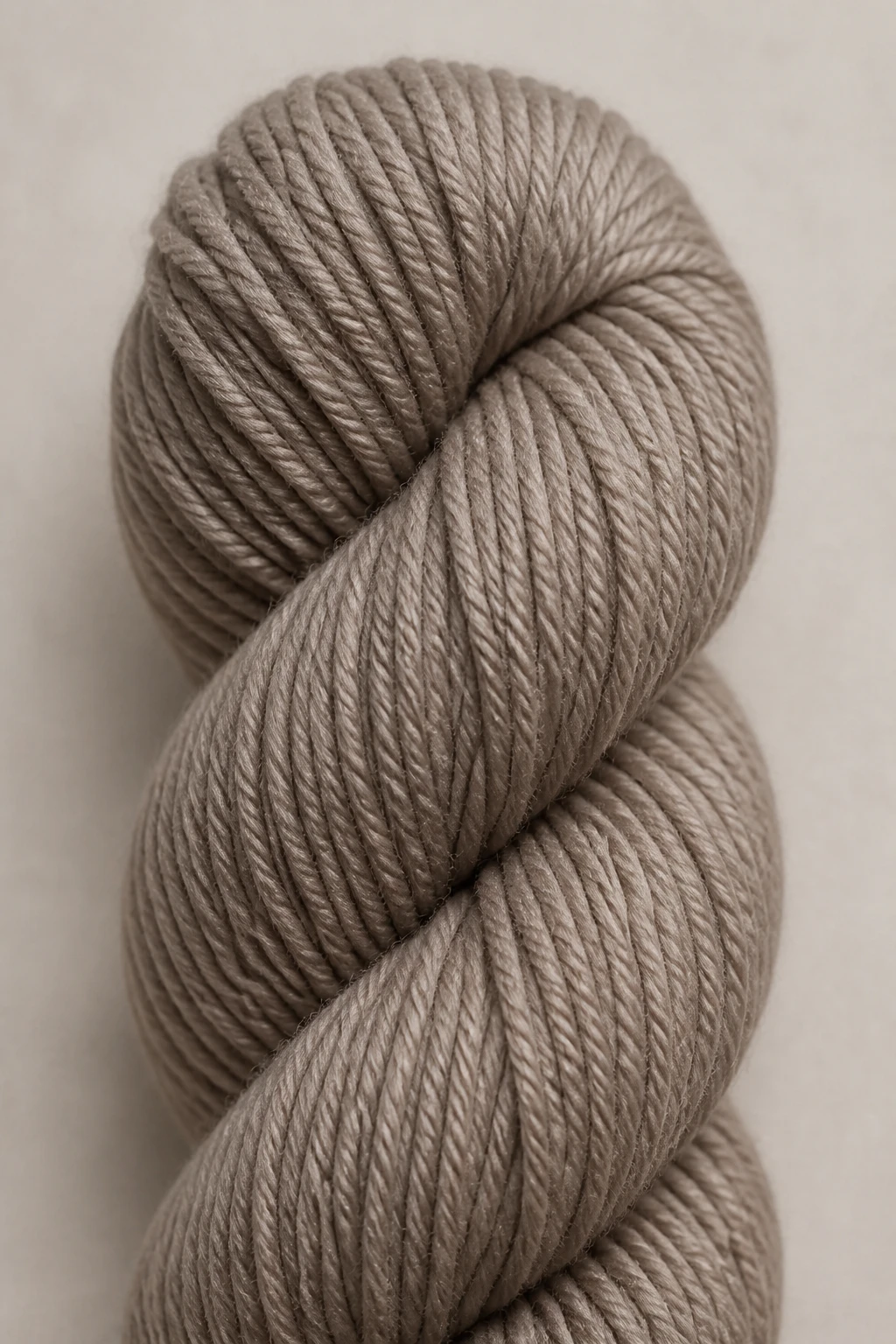
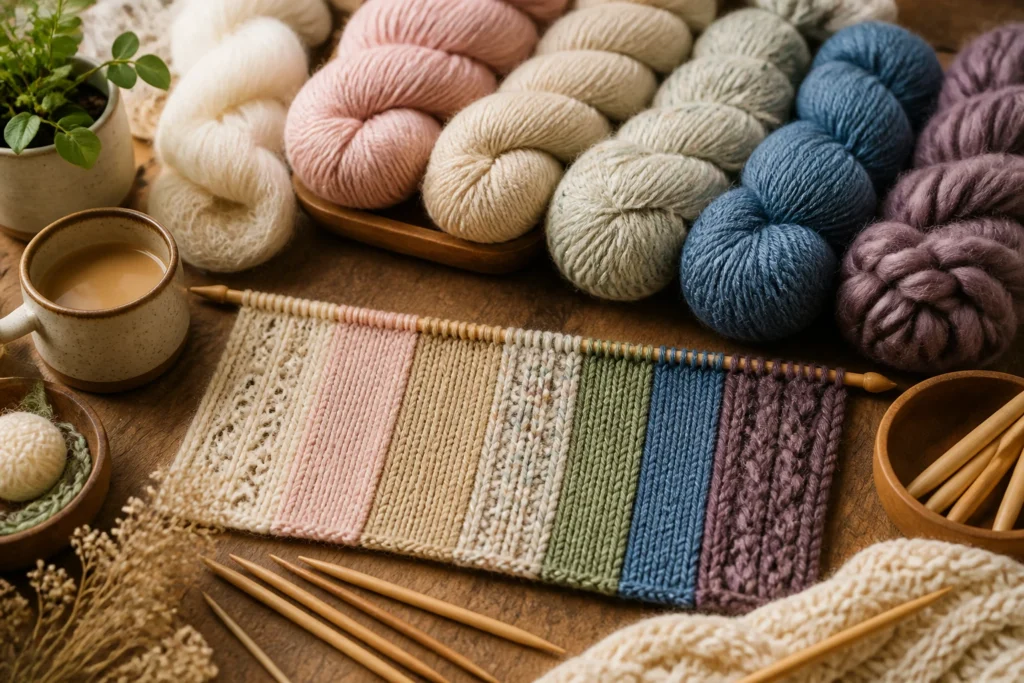
Here’s the quick-and-dirty ladder from fine to chunky. Use this as a mental cheat sheet when you wander the yarn store or scroll online.
- Lace and fingering: ultra-thin, perfect for airy shawls and delicate socks.
- Sport: lightweight and smooth, ideal for lightweight garments and accessories.
- DK (Double Knitting): a hero for sweaters and baby blankets with a bit of bounce.
- Light Worsted / Baby Weight: versatile, comfy, great for beginners.
- Worsted: workhorse of the yarn world, very forgiving and easy to see your stitches.
- Aran / Medium Bulky: a tad chunkier, tends to knit up quickly.
- Bulky / chunky: bold texture, perfect for quick blankets or oversized sweaters.
- Super Bulky / jumbo: the “I want this done today” option, but watch your gauge.
Important note: brands name their weights a little differently, and some yarns come labeled with “worsted,” “aran,” “DK,” etc., but the feel and stiffness/softness usually align with the categories above. FYI, always check the wrap per inch (WPI) and gauge recommendations on the label before you start.
Gauge, swatches, and the sacred trinity
A swatch is your crystal ball. It tells you whether your project will fit and how it will drape with the chosen yarn.
– Knit a 4×4 inch (10×10 cm) square in the stitch you’ll use most.
– Measure your stitches per inch (SPI) and rows per inch (RPI).
– Compare to the pattern’s gauge. If you’re off, adjust needle size or choose a different yarn weight.
Three quick tips:
– Start with the needle size suggested on the label, but don’t be afraid to go up or down a size to hit gauge.
– If your swatch is smaller than the gauge, your fabric will be dense and stiff. If it’s larger, it’ll be airy and drapey. Neither is a crime, just not ideal for most garments.
– Wash your swatch the way you’ll wash the finished item. Some yarns bloom or stretch with washing, and that changes your gauge.
How to pick the right weight for common projects
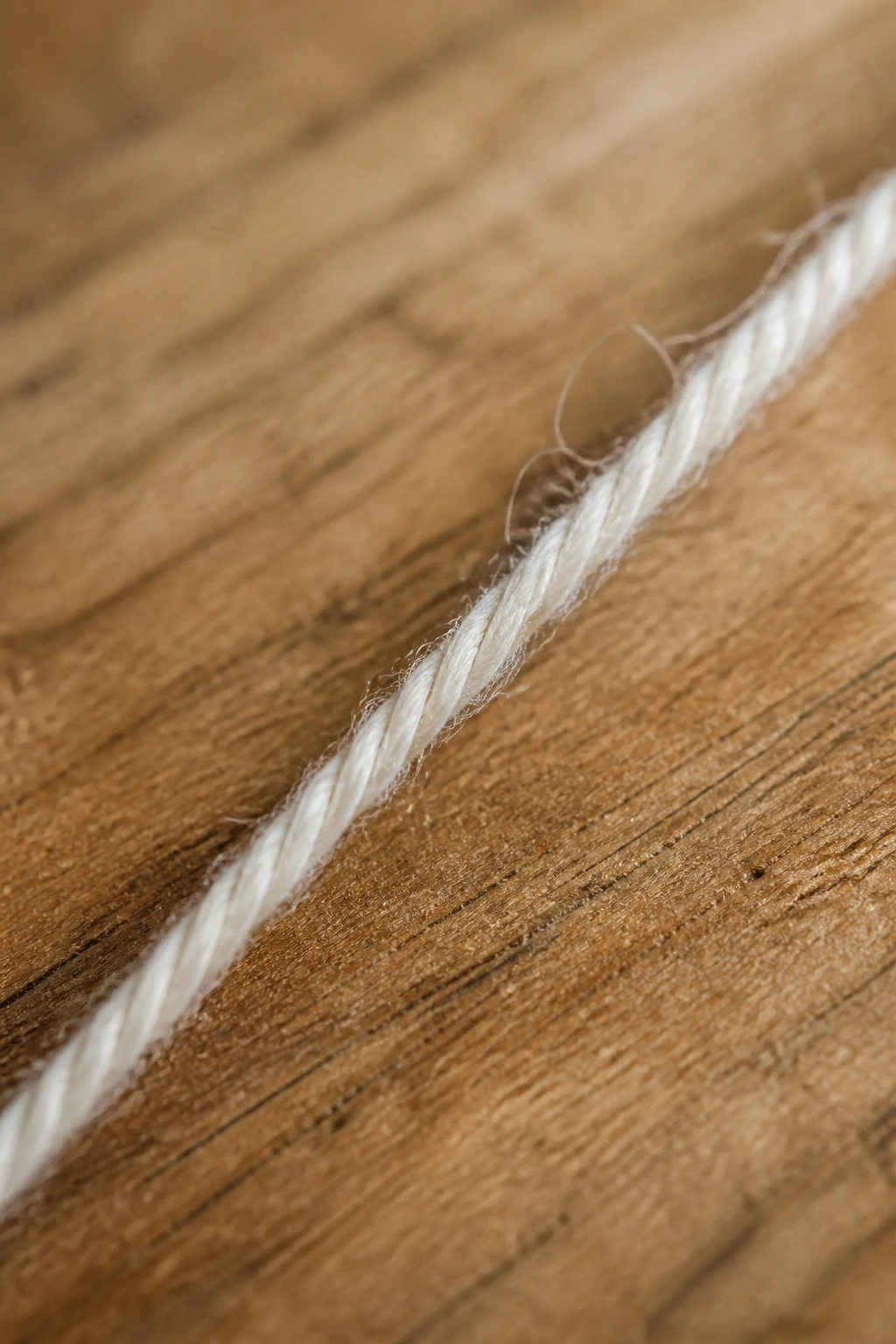
Choosing weight by project type saves a lot of drama later. Here are some reliable pairings.
Scarves, cowls, and light wraps
– Best bets: DK, sport, or light worsted. They drape nicely and aren’t too heavy around your neck.
– Consider texture: stitch patterns like garter or seed pop in lighter weights; cables can overwhelm if you go too light.
Hats and mittens
– Best bets: DK to worsted. They’re warm without being bulky, and you’ll see your stitches clearly.
– Lattice patterns and intricate stitches shine in lighter weights; plain knits shine in bulky to chunky for quick results.
Beginner sweaters
– Best bets: worsted to aran for most adults. They’re sturdy, forgiving, and you can easily see your progress.
– If you’re tall or plus-size, bulky can help you avoid endless knitting. Just be mindful of fabric weight and drape.
Baby projects
– Best bets: DK or worsted. Baby skin loves soft fibers; look for merino, cotton blends, or superwash options.
– Quick win: blankets in bulky or super bulky—fast, satisfying, and adorable.
Fiber content matters more than you think
If you’re just starting out, fiber content can dramatically affect feel, performance, and washability.
– Animal fibers (merino, alpaca, cashmere) are soft and warm but can require special care. They’re often pricier but feel amazing.
– Plant fibers (cotton, bamboo, linen) are breathable and durable, but some can feel stiff when new.
– Blends mix the best of both worlds: softness with durability, easier care, and often a lower price tag.
Care notes:
– Superwash wool can be machine washed, but always check the label.
– Cotton can feel stiff when new, but softens with use and washing.
– Linen has that cheeky, crinkly drape—perfect for summer tops but not always forgiving for beginners.
Tools, tips, and little hacks to stay sane
Getting the right tools makes the journey smoother than a well-plied skein.
- Needles and hooks: match to the weight. A size up or down can be your best friend for gauge.
- Row counter: not sexy, but saves your sanity on big projects.
- Stitch markers: essential for tracking pattern repeats and cable crossings.
- Texture-friendly needles: bamboo or wood grip nicely with slippery fibers like silk or bamboo blends.
- Swatch notebook: jot gauge, needle size, and wash test results. It saves time on future projects.
Practical pro-tip: keep a tiny ruler in your project bag for quick gauge checks. And yes, FYI, your swatch should behave the same after you wash as before—shrinking or blooming can wreak havoc if you skip the wash test.
When to break the “weight rule”: tricky situations
Sometimes you’ll encounter patterns that demand a weight outside your comfort zone. That’s fine—your brain can handle it.
– If a pattern calls for a weight you don’t have, you can still hit gauge by adjusting the needle size or using a different dyelot. Just be prepared for a few swatches.
– You can combine two weights in a single project for a textured effect (think a DK body with worsted cuffs). It can look intentional or chaotic—depends on your vibe.
– If you’re aiming for a specific drape, crowding your stitches with a heavier weight can create bulk where you don’t want it. Plan accordingly.
Common mistakes beginners make (and how to fix them fast)
Let’s dodge the usual traps before they derail you.
- Skipping gauge swatches: Ugh, I know, but you won’t regret it. Your future self will thank you.
- Ignoring fiber properties: Soft wools bloom, cottons stiffen. Expect adjustments after washing.
- Over-buying without a plan: That rainbow of skeins looks cool, but you’ll be overwhelmed. Start with 2-3 weights you actually use.
- Forgetting to document: Gauge, needle size, and meterage should be written down. You’ll reuse this data forever.
FAQ: quick answers to your burning questions
What does “wrap per inch” mean, and why do I care?
Paragraph: Wrap per inch (WPI) is a rough measure of how thick a yarn is. More wraps per inch means a thinner yarn. It helps you predict gauge and find substitutes when you can’t find your exact weight. If you’re between weights, use the swatch to decide if you want a denser fabric or a lighter drape.
How do I choose a yarn weight if I’m knitting a garment?
Paragraph: Start with the pattern’s recommended weight and gauge. If you love a particular look but can’t find that weight, adjust your needle size to hit gauge, or choose a close weight and swatch until you land in the right ballpark. It’s all about that sweet spot between stitch size and fabric behavior.
Are skeins adjustable for gauge across brands?
Paragraph: Different brands can feel different even in the same weight category. Always swatch when switching brands. Don’t assume the same weight equals the same gauge across manufacturers. FYI, some yarns bloom after washing, which can change your gauge.
Can I mix yarn weights in one project?
Paragraph: Yes, you can, but plan for it. Use heavier weights on edges or cuffs and lighter ones for fluid sections. The key is intentional contrast, not accidental bulkiness. Keep swatching until you love how it looks and feels.
What’s the best yarn weight for a beginner blanket?
Paragraph: Worsteds and aran are typically ideal. They balance visibility of stitches with relatively quick progress. A bulky or super bulky blanket is a fun, speedy project too, just be mindful of drape and warmth.
How do I care for my finished project, based on weight?
Paragraph: Check the fiber content first. Wool may need hand-washing or gentle machine cycles; cotton can handle more rugged washing, but may shrink or sag over time. Always follow the label, and consider a gentle wash test on a swatch you’ve kept.
Putting it all together: a sample beginner plan
If you’re ready to dive, here’s a simple, friendly plan you can actually follow.
– Step 1: Pick 2 weights you’re comfortable with. DK and worsted are solid starters.
– Step 2: Find a beginner-friendly pattern in those weights. A simple scarf, cowl, or beanie works wonders for confidence.
– Step 3: Gather essential tools: one good pair of needles, a few stitch markers, a swatch notebook, and a ruler.
– Step 4: Knit a gauge swatch in the chosen stitch. Weave in ends, rinse if needed, and let it dry flat.
– Step 5: Compare your gauge to the pattern. If you’re off by more than 10%, adjust needle size and swatch again.
– Step 6: Start small. Aim for a project that completes in a weekend or two. You’ll learn faster with quick wins.
– Step 7: Photograph your progress. It’s a tiny dopamine hit that keeps you going.
Conclusion
Yarn weight isn’t a mystery cloak. It’s a practical guide that helps you predict fabric, fit, and finish. Start with a couple of weights, swim in swatches, and don’t be afraid to experiment. The goal isn’t perfection on the first try—it’s progress, your own little triumphs, and a bunch of cozy soaks in yarny glory. You’ve got this, and your next project will thank you for the calm, collected approach.
If you want, we can tailor a starter kit list based on what you already have at home or what kind of projects you’re itching to start. IMO, a little planning goes a long way, and FYI, you’ll be surprised how fast your gauge improves once you stop guessing. Happy knitting!