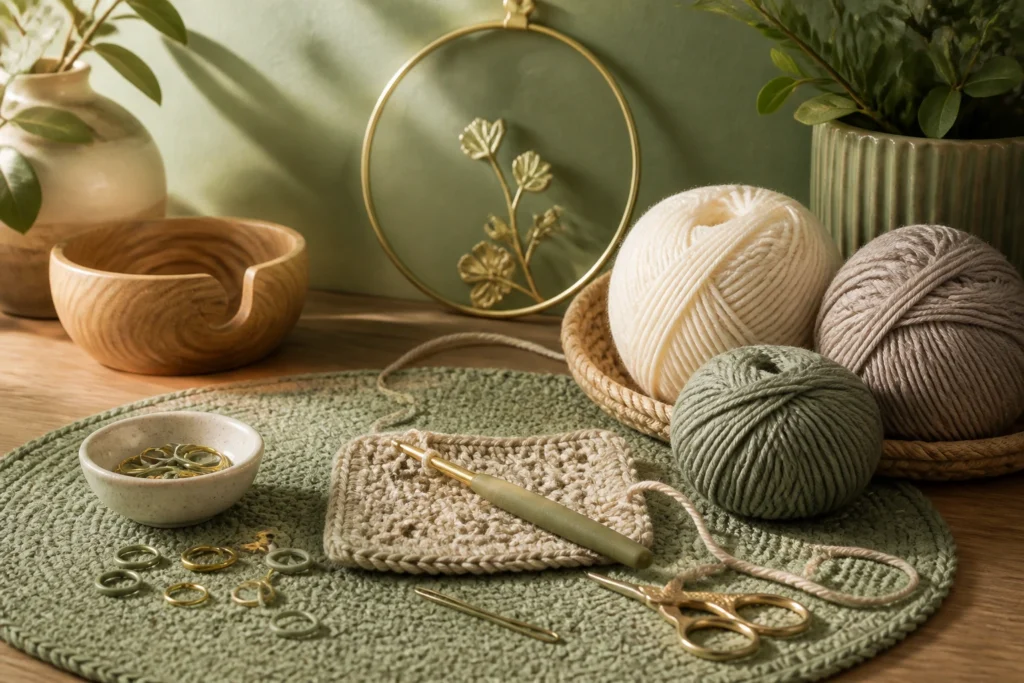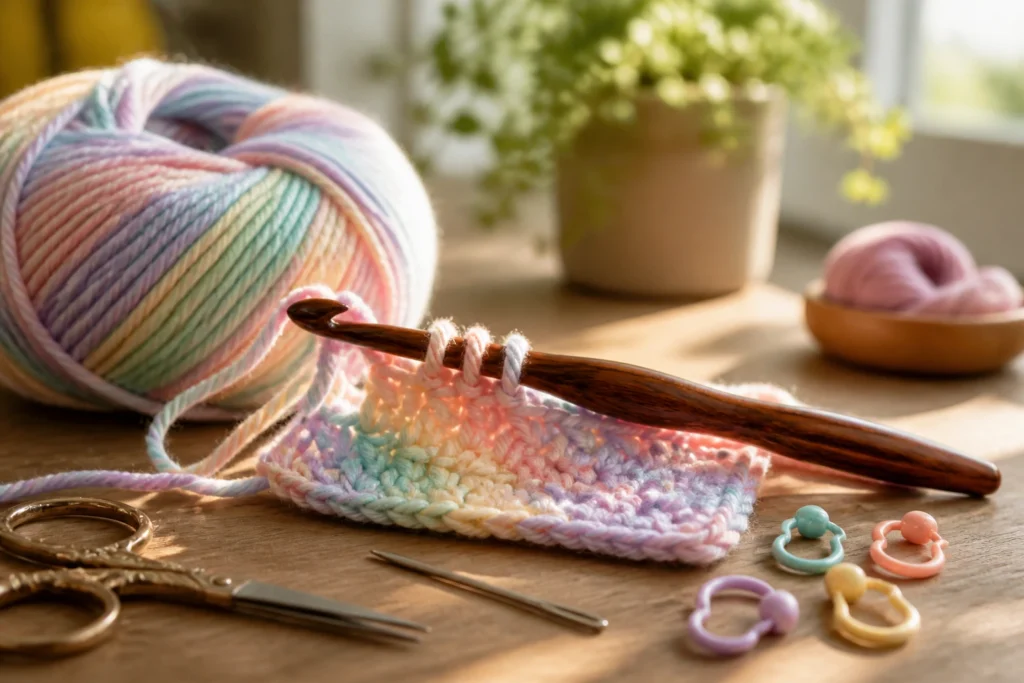
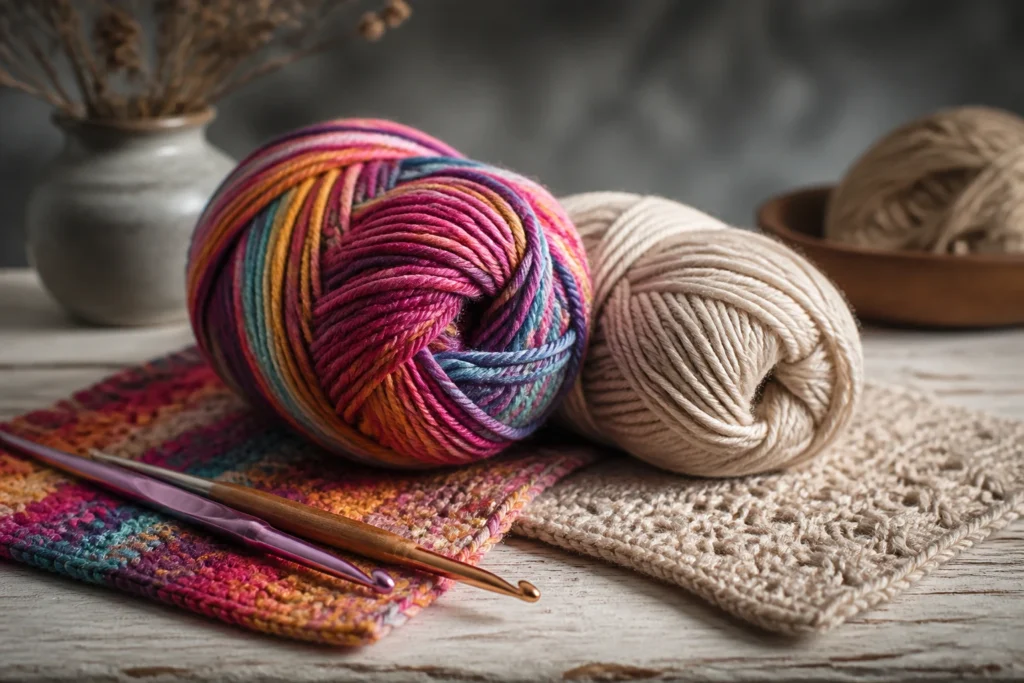
Acrylic yarn gets a bad rap sometimes, like it’s the villain of the crochet world. But hold up—it isn’t all plastic shoelace and regret. Acrylic can be warm, affordable, and surprisingly versatile. Cotton isn’t always the hero either; it can be stiff, pricey, and a tad needy. Let’s compare them like you’d pick between two favorite coffee shops: one cheap and dependable, the other artisanal and predictable. Ready to dive in?
What these two yarns actually are—and why you should care
We’ll start with the basics, so we’re not fighting about texture and washing instructions for hours. Acrylic yarn is a synthetic fiber, usually made from acrylonitrile—yes, that fancy chemical name you see on labels. It’s durable, machine-washable, and comes in every color imaginable. Cotton yarn, on the other hand, is a natural fiber harvested from cotton plants. It’s breathable, soft, and has a little more weight to it, especially when you’re working with heavier projects.
Why should you care? Because your project’s success depends on picking the right fiber for the right moment. If you’re making a baby blanket, you’ll likely want something soft and warm. If you’re crocheting a dishcloth, you might prioritize absorbency and cost. If you’re crafting a summer tote, you’ll want sturdiness and breathability. The yarn you choose shapes texture, drape, and how you actually feel about finishing touches.
Texture and feel: what you’ll actually touch
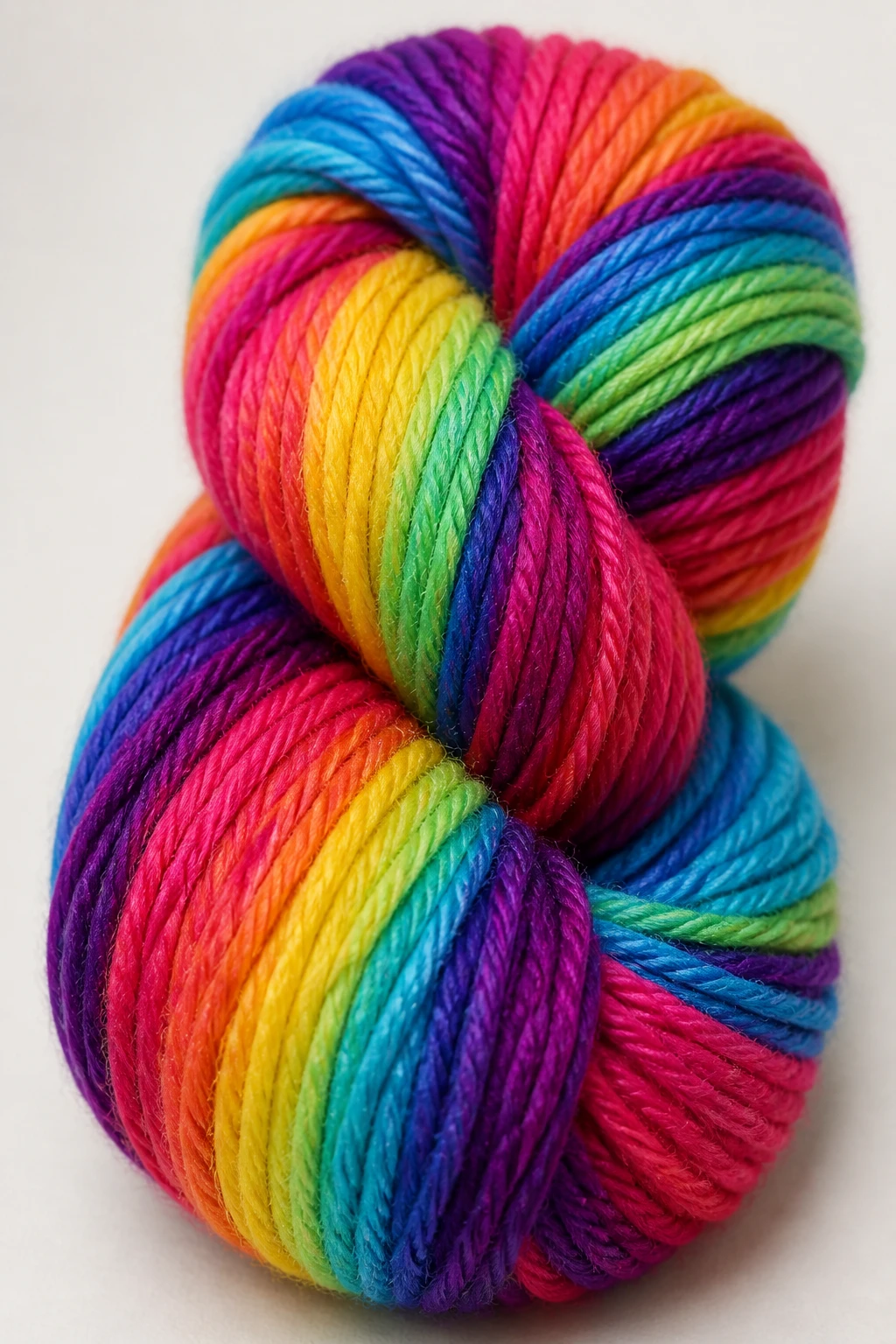
Acrylic feels smooth and forgiving. It’s like the comfy sneakers of the yarn world—soft enough for skin, rugged enough for everyday wear. Cotton feels more substantial in the hand. It has a slight grain to it, and projects often have a more “classic” look with stitch definition that’s crisp but not sharp.
Stitch definition and drape
– Acrylic tends to have good stitch definition, especially plied varieties. It can look crisp, but some blends soften with washing.
– Cotton shows off stitches beautifully—think crisp high-contrast textures and lovely drape in garments and accessories.
Which is better? If you’re chasing buttery smooth surface with bold color, acrylic shines. If you want defined stitches and a natural, breathable garment, cotton wins the day.
Weight consistency
– Acrylic generally stays consistent over time; it resists stretching and sagging when used in the right weight and gauge.
– Cotton can grow a tad stiffer when first worked up, especially heavier weights. But after washing, it relaxes and often gains a pleasing softness.
Short version: acrylic plays nicely with wear and washing; cotton often needs a little patience but pays off with feel and look.
Care, washability, and how long that project will stay pretty
We all want something that behaves. Here’s how these two yarns stack up in the real world.
– Acrylic loves the wash cycle. It’s machine-washable and usually quick to dry. That’s why baby blankets, sensory toys, and pet accessories love acrylic.
– Cotton: some cottons are surprisingly easy to care for, but others can shrink a bit or feel stiffer after washing. Look for pre-washed cotton or mercerized cotton if you want easier care and sheen.
Cost factor: acrylic tends to be budget-friendly and widely available in a rainbow of colors. Cotton can be pricier, especially organic or premium brands. If you’re crocheting dozens of squares for a blanket, that price difference can add up fast.
Durability: acrylic is famously durable and resistant to abrasion. Cotton can wear down faster with frequent use or rough handling, but it ages gracefully in the right project.
Moisture handling: acrylic isn’t breathable in the same way cotton is, so it dries quickly but doesn’t wick away moisture as well. Cotton handles moisture better and feels cooler against the skin—great for summer projects and towels.
Projects: what each yarn shines at (and where it struggles)
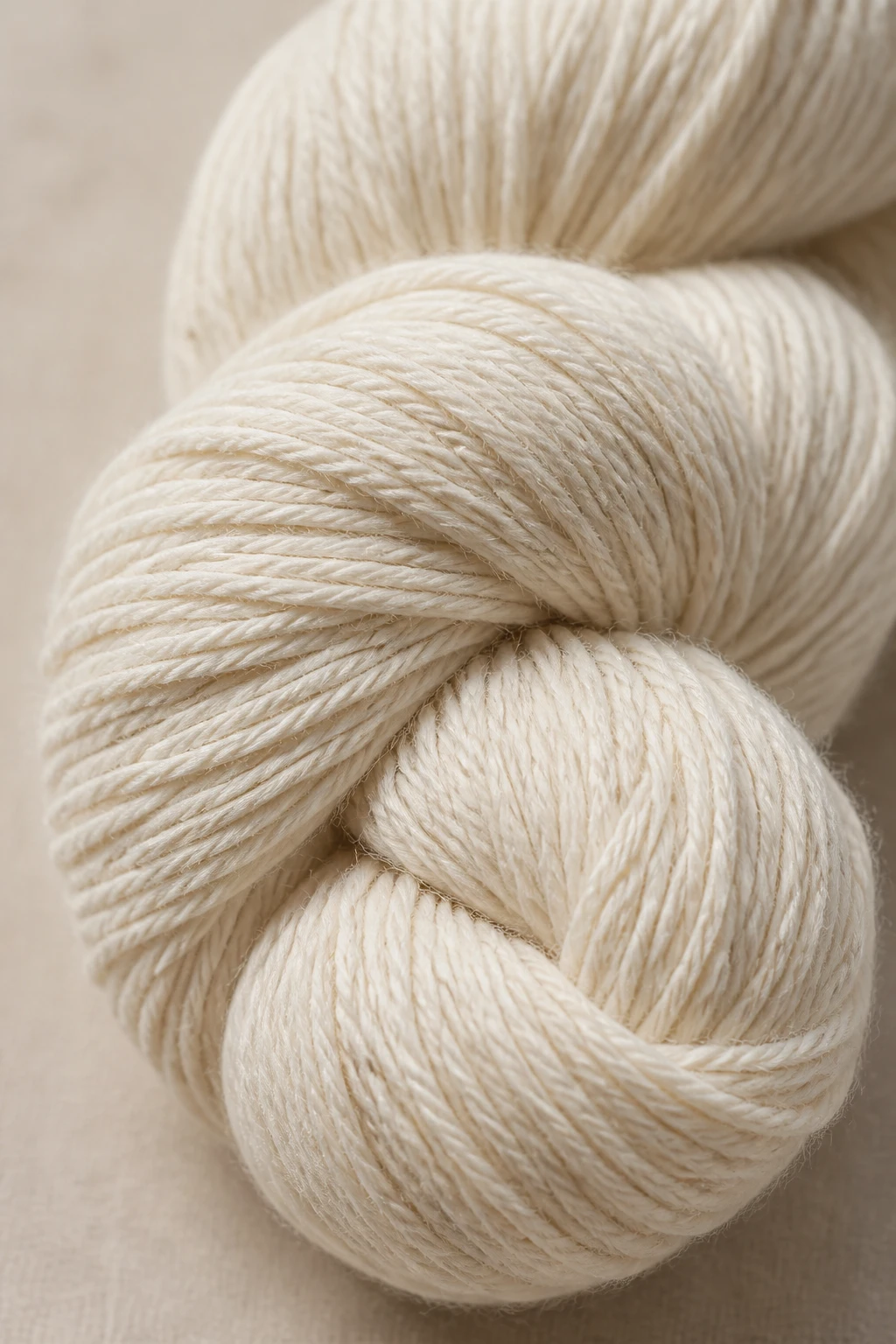
This is where the rubber meets the road. Let’s break down typical projects and see where acrylic and cotton really shine.
– Baby items: acrylic is superb for blankets and toys because it’s soft, affordable, and machine-washable. Look for baby- or nylon-blended acrylics that are extra gentle.
– Garments: cotton is a top pick for warm-weather tops, cardigans, and simple scarves because of its breathability and crisp stitch definition. Acrylic works too, especially for wrap scarves or lightweight sweaters in a pinch.
– Home decor: yarn with a bit of stiffness helps with baskets and sturdy dishcloths. Cotton often feels right for dishcloths and kitchen towels; acrylic is fine for plush throws or cushions, depending on the look you want.
– Accessories: everyday hats and gloves can lean toward acrylic for warmth and resilience, while cotton can be excellent for market bags, baby shoes, or delicate lace accessories because of its texture and drape.
Color, fade, and the vibe of your finished piece
Color is a big deal. Acrylics come in an insane range of shades, prints, and colorways. They hold dye brilliantly; you’ll see vibrant hues that resist fading through many washes. If you’re making a rainbow afghan, acrylic is your friend.
Cotton also takes dye well, but you might notice slightly different saturation and tone, depending on the cotton quality and pre-treatment. Some cottons hold color beautifully, while others can appear a touch duller or more muted. If your project hinges on a specific color match, do a tiny swatch test first.
Dye fastness aside, think about feel. Do you want a glossy, almost satiny finish? Cotton can give you that with the right mercerized cotton. Do you want a soft, powdery matte look? Acrylic blends often hit that note.
Environmental impact and ethics: what to consider (FYI, it matters)
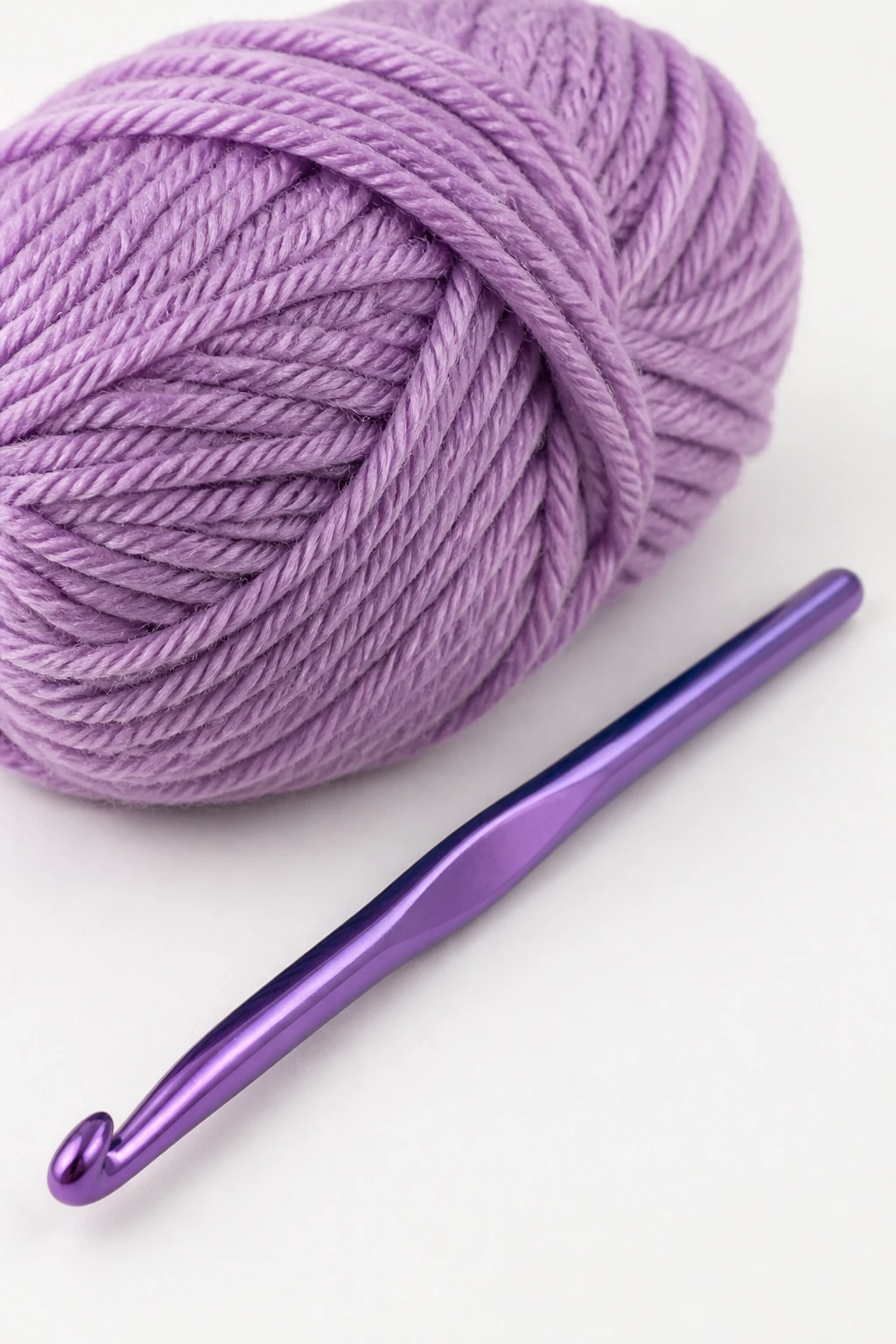
This isn’t the most fun topic, but it matters if you’re trying to crochet responsibly.
– Acrylic is a synthetic polymer, derived from fossil fuels. It’s durable and recyclable in some programs, but single-use patterns and microplastics are concerns when washing. If sustainability is a priority, look for recycled acrylic or responsibly sourced blends.
– Cotton is natural and biodegradable, but its environmental footprint depends on farming practices, water use, and dyeing processes. Organic or fair-trade cotton can be kinder to the planet, but it’s often pricier and sometimes harder to find in all weights.
If you’re worried about microplastics, you might want to limit high-volume acrylic for items that won’t be washed in hot water too often. Or pick blends that lean toward natural fibers with a little synthetic backbone for durability.
Tips for choosing the right yarn for your project
Here are practical, no-nonsense tips to help you decide more quickly.
– Start with the project type: baby items and kitchen textiles often lean acrylic or blends; garments and summer wear often lean cotton.
– Check the label: look for care instructions, fiber content, and recommended hook size. If you’re on the fence, swatch first.
– Consider tension and gauge: cotton can be stiffer until you wash it; acrylic depends on the weight. Make a quick 4×4 swatch to measure gauge and drape.
– Test your hook size: a larger hook gives a looser weave and a softer drape; a smaller hook tightens the fabric and improves stitch definition.
– Wash test: if you’re making something that will see a lot of use, crochet a tiny swatch and run it through a few wash cycles to see how it holds up.
FAQ
Is acrylic yarn suitable for sensitive skin or babies?
Acrylic yarns can be soft, especially high-quality, super-soft brands designed for babies. Look for labels that say “baby” or “super soft.” If skin sensitivity is a concern, run a quick touch test on your inner forearm and consider blended or cotton options for items that touch tiny skin more directly.
Which is easier to crochet with: acrylic or cotton?
Most people find acrylic a touch easier for beginners because it’s smooth, forgiving, and comes in a wide range of colors. Cotton can be stiffer, and some blends may require a bit more technique to avoid splitting. But once you get the hang of it, cotton gives you gorgeous texture and crisp stitches.
How do I prevent cotton from feeling stiff after washing?
Use a gentle wash cycle, cold or warm water, and a mild detergent. A quick tumble-dry on a low setting or lay flat to dry can help soften cotton over time. Some people also add a tiny amount of fabric softener, but test first since it can affect dye and texture.
Are there good cotton-acrylic blends I should try?
Definitely. Blends aim to combine the best of both worlds: the softness and warmth of acrylic with the breathability and texture of cotton. They’re versatile for garments, blankets, and home decor. Read the label for percent composition and care guidelines.
What’s the best yarn for a beginner blanket?
If you want an easy, forgiving project, go with a mid-weight acrylic (often labeled worsted or a 4-ply equivalent). It’s inexpensive, widely available, and easy to wash. If you prefer natural fiber and plan to use the blanket daily, a cotton blend might be worth trying after you’ve got a few crochet projects under your belt.
Practical project ideas to try this weekend
– Acrylic quick-start: Make a cozy, color-pop throw pillow cover. It’s forgiving and wipes clean in a pinch.
– Cotton summer cardigan: A light-weight, breathable garment with crisp stitch definition—perfect for showing off that granny or shell stitch you’re obsessed with.
– Kitchen crew: Dishcloths and towels in sturdy cotton. They hold up to scrubbing and show off neat stitch patterns.
– Petite baby gift set: A small hat and booties in soft acrylic or a baby-friendly blend for practicality and easy care.
Conclusion
So, which wins: acrylic or cotton? Neither is inherently better; it all depends on what you’re making and how you want it to feel, perform, and last. If you crave vibrant color, easy care, and budget-friendliness, acrylic is your go-to. If you want natural breathability, stitch definition, and a fabric that ages gracefully with soft wear, cotton earns its keep.
IMO, the smart crafter keeps both on hand and reaches for whichever suits the moment. FYI, mixing them in a single project isn’t crazy either—think color-blocked blankets or textured stripes that blend the strengths of both fibers.
If you’re new to this whole fiber-versus-fiber debate, start with a swatch, pick a project you actually want to finish, and remember: the best yarn for your project is the one you’ll pick up and work with again and again. Now go grab a hook, pick a yarn, and happy crocheting!