It’s not rocket science, but it does feel like a tiny scavenger hunt every time you pick up a skein. A good yarn label is your map, compass, and possibly a tiny cheerleading squad all in one. Let’s crack the code so you can actually use that skein instead of staring at it like it’s a riddle from a wizard.
What a yarn label even tells you—and what it doesn’t
You’ll find a lot of numbers and words on a yarn label. Some matter, some are vibes. The key is knowing which is which.
– Fiber content and weight tell you what the yarn is made of and how thick it will knit or crochet.
– Gauge and yardage tell you how far a skein goes and how big your fabric will be.
– Care instructions tell you how to wash and wear it without turning your sweater into a tangled sculpture.
– Size, colorway, and lot number help you match skeins if you’re doing a big project or want consistent color.
What you won’t see? A guaranteed perfect project outcome. That’s on you, friend—but the label is a pretty good co-pilot.
Fiber content: why it actually matters
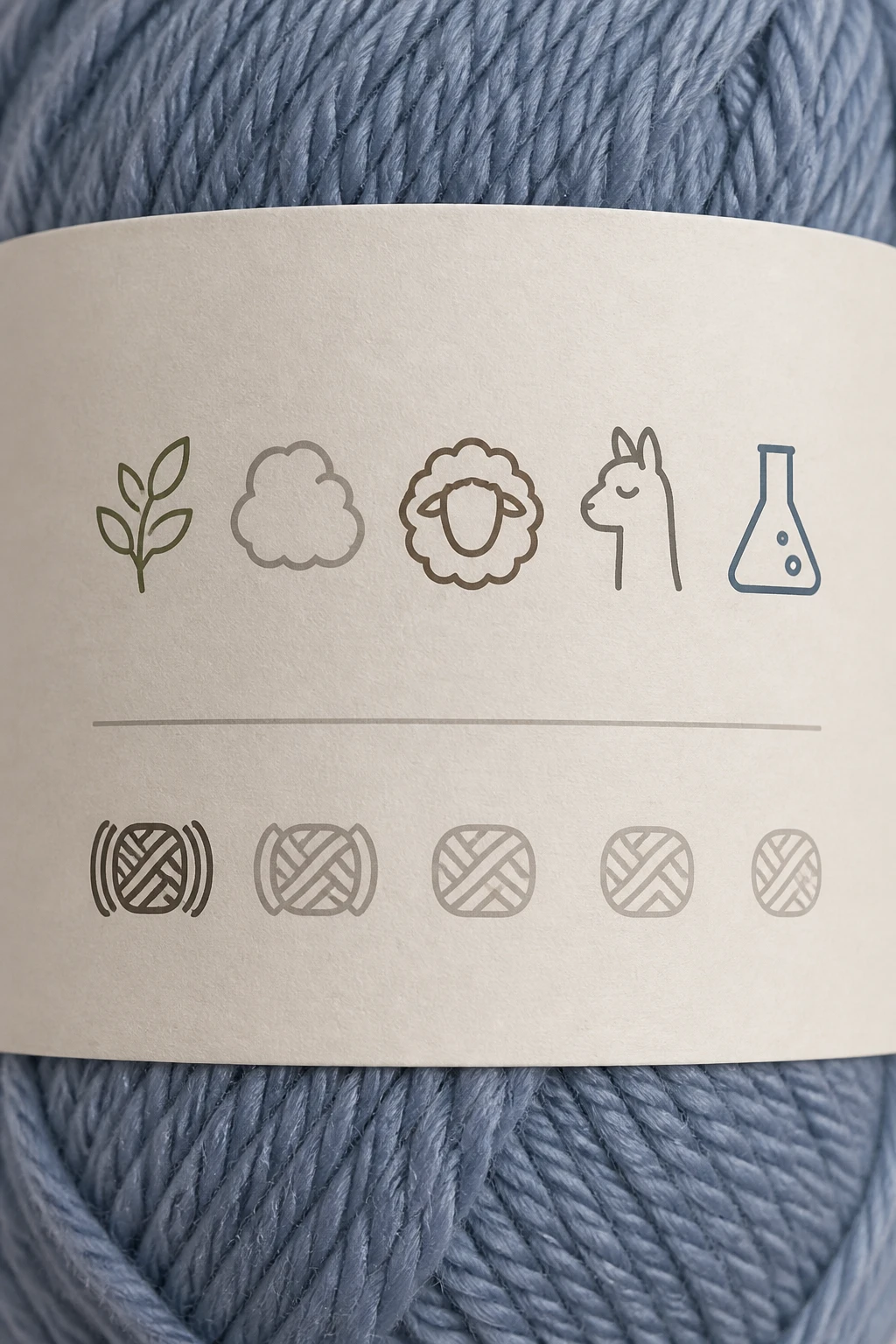
Fiber content isn’t just a bragging right for yarn snobs. It changes how the yarn behaves, feels, and wears.
– Natural fibers (like wool, cotton, silk) behave differently from synthetic ones (like nylon, acrylic, polyester).
– Blends can give you the best of both worlds: warmth and durability, or softness and structure.
– Some fibers are allergy-friendly; some love a little extra care. FYI, wool can felt if you’re not careful—watch those hot washes.
Subsection: how to read blends
– If a label says “80% wool, 20% nylon,” that means most of it is wool but nylon adds resilience.
– Percentage order matters for density and feel, but not super strict rules—experiment to see what your gauge says.
– Think about用途: would you prefer a softer drape or a sturdier sock yarn? The blend is your hint.
Weight and gauge: the dynamic duo
Weight tells you how thick the strand is; gauge is how many stitches fit in an inch. They’re teammates, not rivals.
– Common weights include lace, fingering, sport, DK, worsted, aran, bulky, and super bulky.
– Gauge is what you’ll swap in your pattern to hit the right size. If your swatch says a different number, adjust your needle or hook until you match.
Subsection: the glorious swatch debate
– Swatching is not optional; it’s your shield against “I started this in size 10, ended up in size 7.”
– Knit a small square, wash it, measure, and compare to your pattern’s gauge. If you’re off, go down a needle or two, or grab a thicker/thinner yarn.
- Swatch at your intended needle/hook size
- Wash as you would for your project
- Measure and compare to the pattern gauge
Length matters: yardage and lot numbers
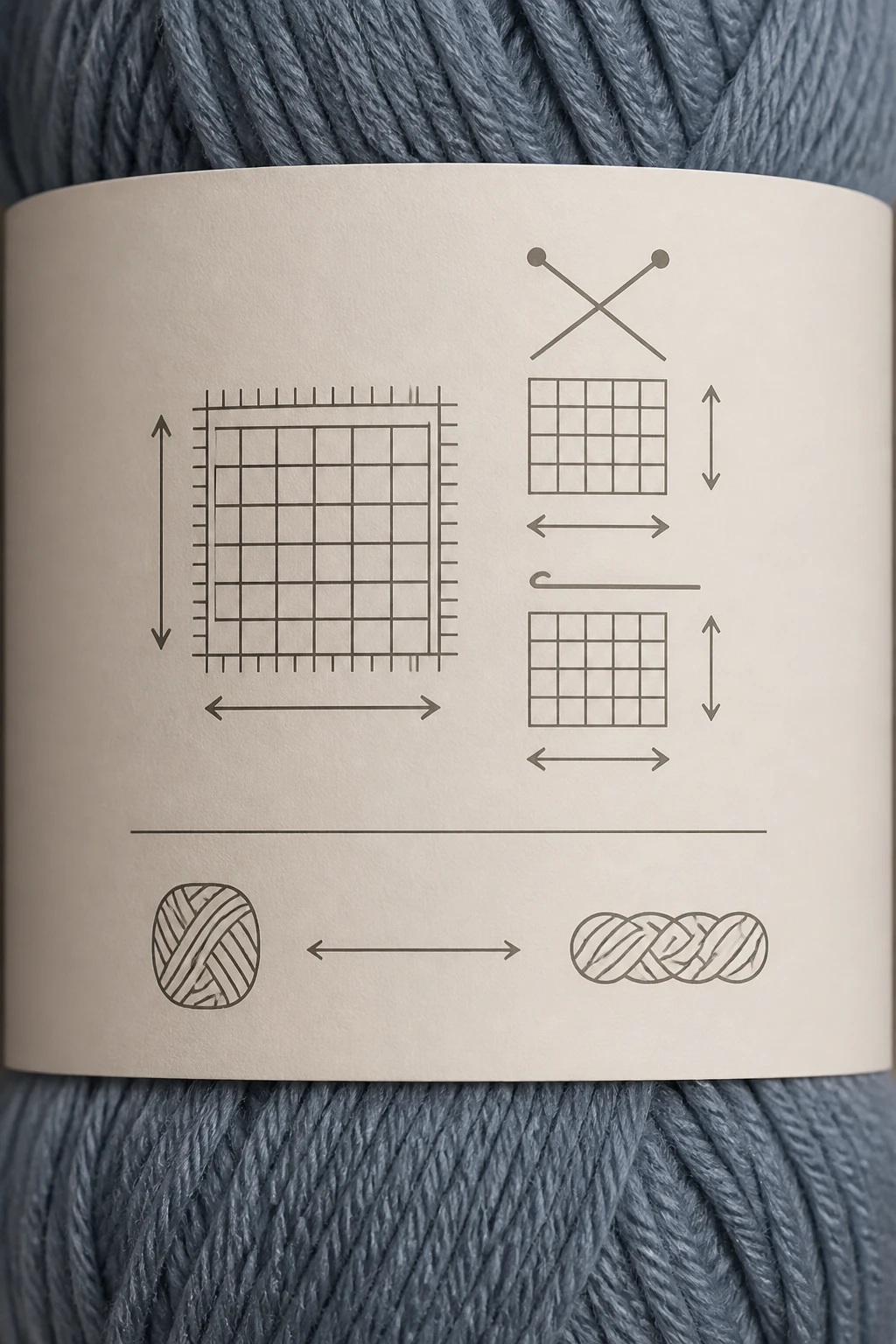
Yardage tells you how much you’ve got to work with. Lot numbers? They’re the “are these from the same batch?” check.
– If your project uses only one skein, lot probably won’t matter. If you’re playing with multiple skeins, you want matching lots for color consistency.
– Always read the recommended yardage for your project. If your pattern requires 1200 yards and you only have 1000, you’ll need more or a substitution.
Subsection: substitutions without a meltdown
– Match weight and fiber as closely as possible.
– If you must swap, buy an extra skein of the replacement in case it’s a shade off.
– Do a quick color test: knit or crochet a small swatch and compare to your project piece.
Care instructions: keep it looking like you meant to do it
Care instructions aren’t badges of honor; they’re your road map to longevity. Ignoring them is how you end up with felted sweaters or fuzzier ends than your cat after a long nap.
– Common verbs: machine wash cold, hand wash, lay flat to dry, dry clean only.
– Temperature and agitation matter. A gentle wash and air dry often do the trick.
– Some fibers hate heat; some thrive after a good pull through hot water to bloom.
Subsection: what to do when the label is vague
– If it says “hand wash,” assume fragile. Treat it with kid gloves.
– If it says “dry clean only” but you’re stubborn (and chickens are not your friends), test a small piece on a hidden seam or consult the brand’s website for exceptions. Sometimes there are safe home options, sometimes there aren’t.
Color, colorways, and colorfastness
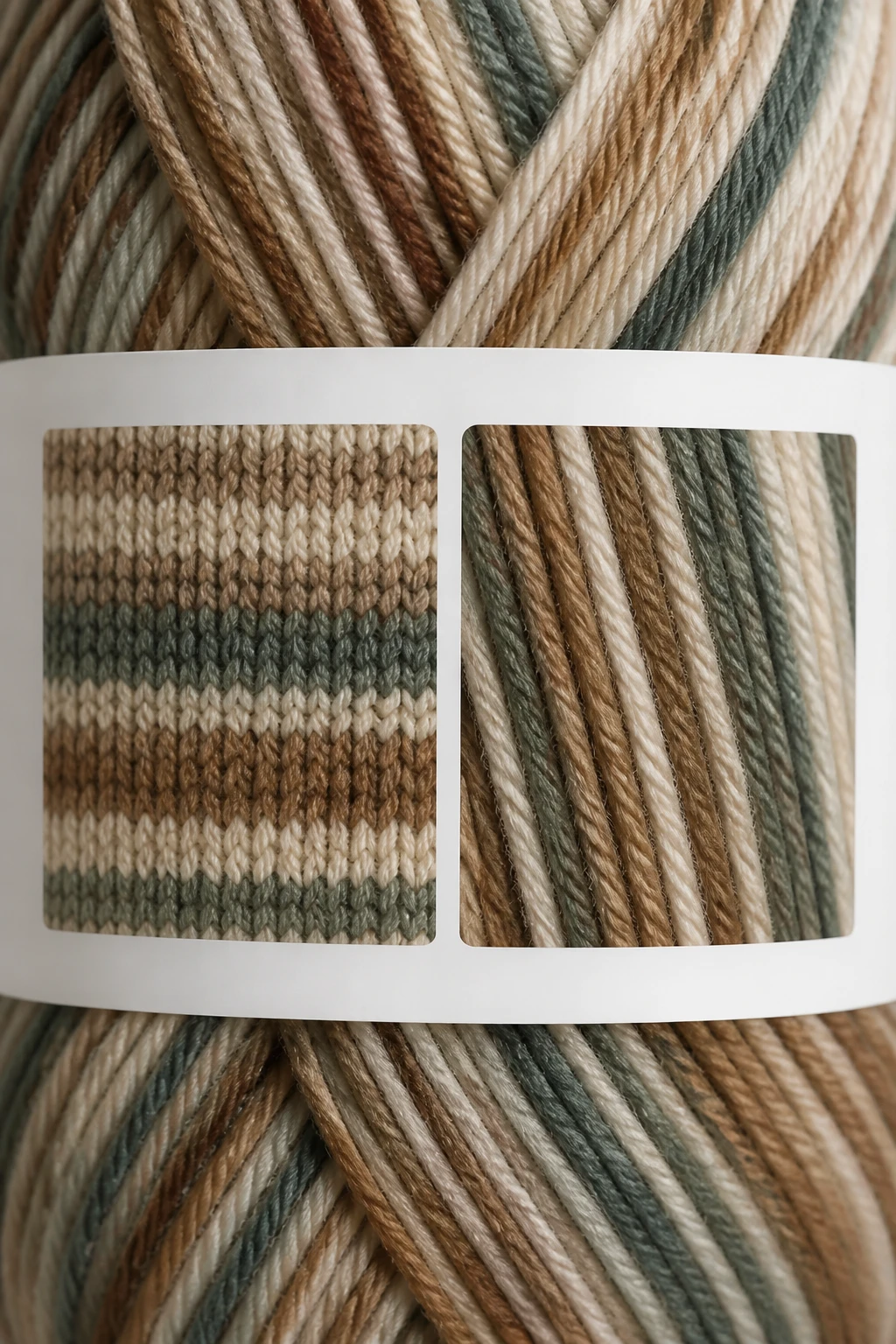
Color on a label isn’t just pretty vibes, it’s a forecasting tool for your project. Some yarns fade, some bleed, some stay bold forever.
– Colorway names help you track your exact shade. If you’re re-purchasing, the color name matters.
– Bleeding and fading are real. Dark saturated colors can transfer onto light fabrics or hands when you sweat or wash.
– Some brands offer colorfast tests or pre-washed samples; use them if you’re unsure.
Subsection: how to match skeins for a big project
– Buy all your skeins at once if possible to ensure color consistency.
– Compare the ball bands under bright light, and look for subtle shade differences.
– If you’re spacing out purchases, alternate skeins as you work to blend any minor shade variations.
Brand quirks and labeling quirks: what to expect
Every brand has its own way of saying the same thing. Some labels are minimalist zen; others come with color-coded magic.
– Look for the standard terms: fiber content, weight, yardage, recommended gauge, care, country of origin, lot number.
– If something on the label is ambiguous, check the brand’s website or pattern notes. Most brands have a fan club or forum where these quirks get explained.
– Don’t panic if you can’t decipher a tiny symbol. A quick internet search will usually translate it to plain English.
Putting it all together: a practical approach
You’ve got the jargon. Now, make it work for you.
– Always start with a swatch and gauge check when you’re using a new yarn or a new pattern.
– Compare yardage to your pattern’s requirements, and buy a little extra for color matching and mistakes.
– Read care instructions, then write them down in your project notebook or notes app so you don’t forget.
Subsection: building a simple yarn-label checklist
– Fiber content and blend
– Weight and recommended gauge
– Yardage per skein and total yardage needed
– Colorway name and lot numbers
– Care instructions
– Country of origin
– Any brand-specific notes or symbols
FAQ
What if the yarn is a blend I’ve never used before?
Try a small swatch and wash it as you would for the project. Observe how the fiber blends respond to washing, heat, and movement. If you’re unsure, a simple DK or worsted blend is a safe playground to learn the behavior before you commit to something fancier.
How do I know if I bought enough yarn for a pattern?
Check the pattern’s yardage and compare it to the total yardage on your skeins. Factor in your gauge swatch and any potential color changes. If you’re cutting it close, buy an extra skein in the same lot, just in case. Pro tip: keep the yarn label handy until you finish the project so you can double-check quantities as you go.
What does “care instructions vary by color” mean?
Some brands treat colorways differently due to dye lot chemistry. In practice, this means you might see slight differences in color behavior between skeins of the same yarn. If you’re doing a large piece with multiple skeins, follow the care instructions for the entire piece and do a small test wash when you mix skeins.
Can I mix brands in a single project?
Sure, but you’ll want to compare weights, gauges, fiber content, and care. The risk is uneven drape, texture, or color inconsistency. If you do mix brands, swatch and test at the blend point to make sure you’re happy with the result.
What’s the easiest way to keep track of lots and color numbers?
Keep a tiny project journal or digital note. Record the skein colorway, lot number, and where you used it in the project. If you’re knitting in the round or doing a large blanket, this becomes a lifesaver when you need to replace a skein later on.
Conclusion
So yeah, yarn labels aren’t just pretty stickers. They’re tiny instruction manuals that save you time, money, and frustration. When you learn to read the label like a seasoned yarn nerd, you unlock the yarn’s full personality—its weight, its color, its quirks, and its care needs. The goal isn’t to memorize every symbol, but to know what to check before you start. IMO, that makes your finished piece that much more satisfying.
If you’re planning a new project, grab the label, skim the essentials, and then swatch like your craft life depends on it. You’ll thank yourself later when your gauge lines up, your color matches, and your garment actually holds up to a proper wash. FYI, this skill pays off in confidence as soon as you finish your first big project reading the label like a pro. Happy knitting, happy crocheting, and may your skeins forever stay aligned.