Have you ever picked up a crochet hook and thought: this is fine, but could it be more comfortable? If you crochet a lot, you know the drill—hand fatigue, cramps, and those little wonky stitches that happen when the tool fights you. Ergonomic crochet hooks exist to make the grind feel a lot less grind-y. They’re not magic, but they’ll turn long sessions into something more enjoyable. Let’s dive into what makes them worth buying.
What exactly makes a hook ergonomic?
So you’ve probably heard the word “ergonomic” tossed around like confetti at a craft fair. But what does it actually mean when you’re gripping a crochet hook for hours? In short, it’s about design that reduces strain and improves comfort.
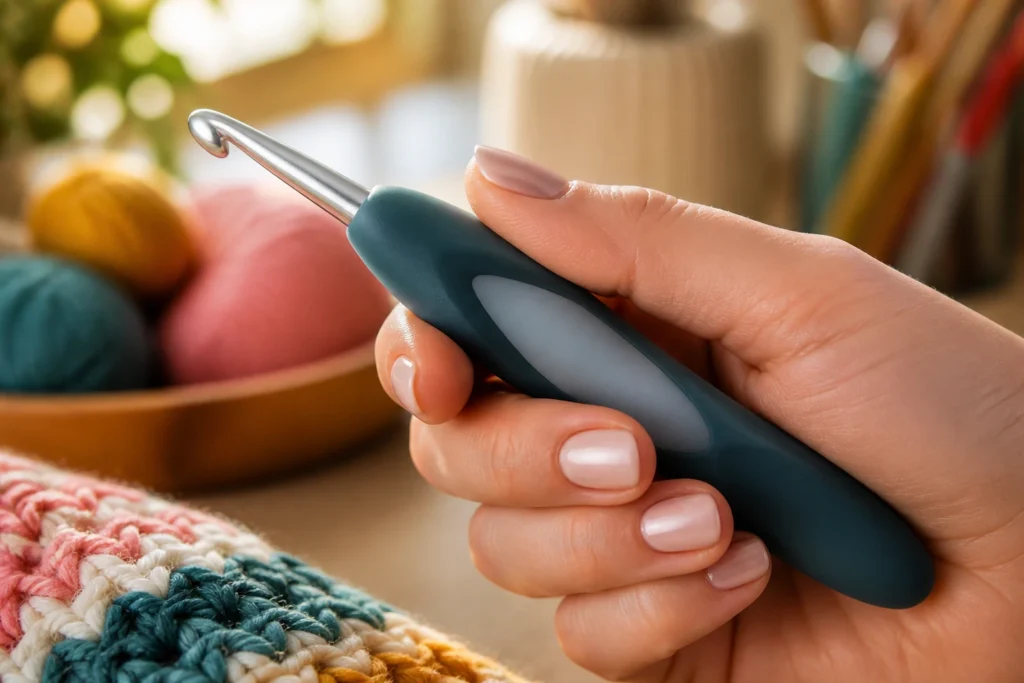
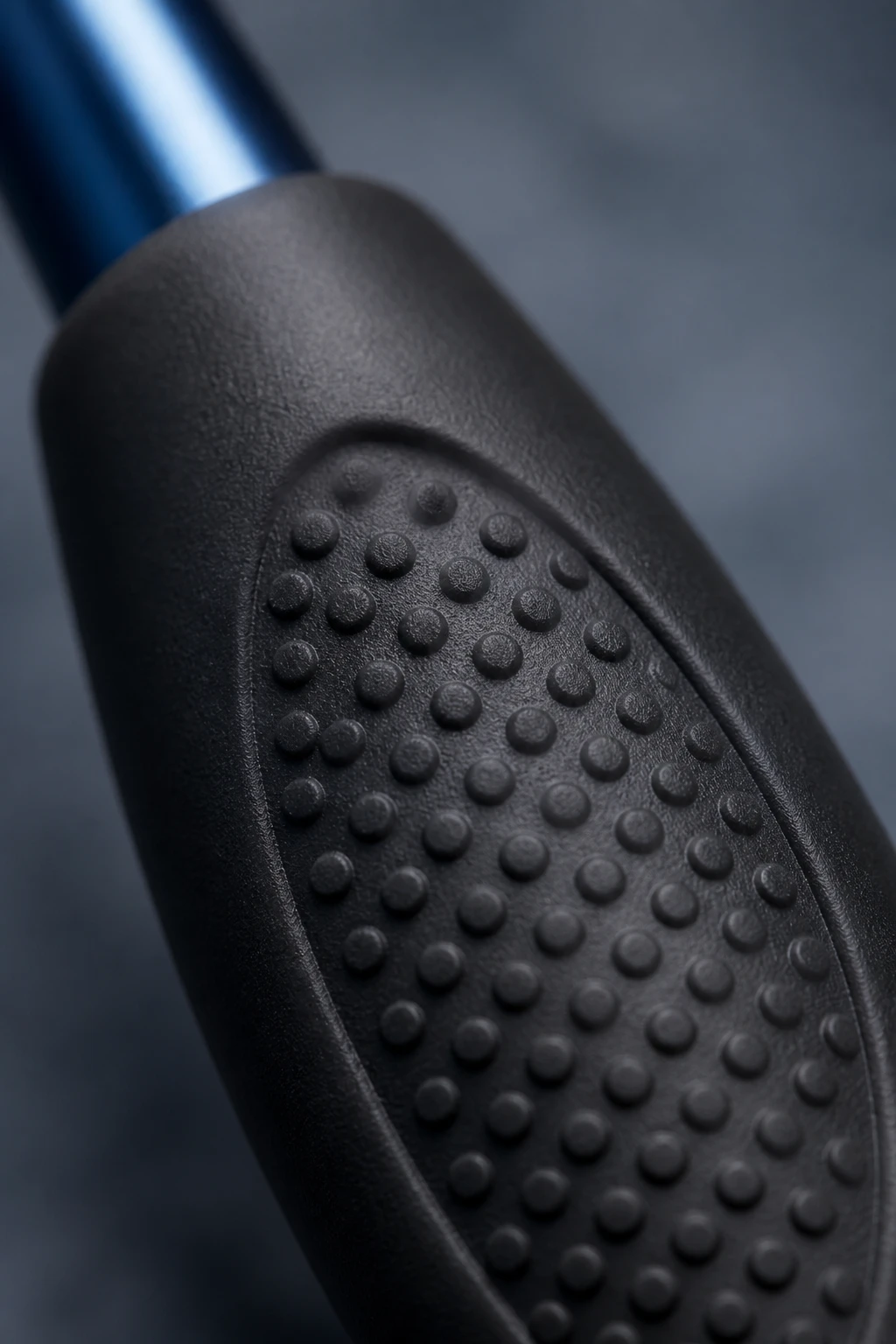
– Grip shape: Ergonomic hooks usually have a larger, contoured handle you can hold with a relaxed, natural grip. Think soft, rounded edges rather than a thin wand.
– Material matters: Rubberized or soft-touch handles dampen vibrations and give your fingers a little cushion.
– Balance and weight: A well-balanced hook sits comfortably in your hand, so you don’t have to grip like you’re chasing a dragon.
– Crochet hook size and style: Some hooks are straight; some are inline with a comfortable bend. Pick what feels natural in your hand and suits your technique.
If you’re curious about the science behind comfort, ergonomics boils down to less static tension in the forearm and a more neutral wrist position. FYI, small tweaks—like a thicker handle or a different grip angle—can save you hours of fatigue. No rocket science required, just good design.
What types of ergonomic hooks exist?

Ergonomic isn’t a one-size-fits-all label. Different designers aim at different pain points. Here are the main types you’ll see:
– Soft-grip handles on straight hooks: The classic option with a rubber or silicone sleeve around the handle. This is the “I want a familiar shape but with cushion” pick.
– Ergonomic inline hooks: The hook is in line with the shaft but shaped to fit a natural hand position. Great for people who crochet with a light touch.
– L-shaped or offset hooks: The hook head sits at a slight angle, which can help reduce wrist strain for some users.
– Knit-style or rounded handles: A broader, more mitten-friendly grip that spreads pressure across the palm.
– Aluminum or metal with a padded cap: If you like a slick feel but still want comfort, some metal hooks feature ergonomic caps for grip.
There’s no universal winner here. The trick is to try a few shapes and see what your hands say. If you type with a lot of keys, you’ll probably appreciate a thicker, softer handle. If you work fast and need precision, an inline or offset hook might be your jam.
Materials and textures that actually help
The material matters almost as much as the shape. Here’s the quick hit list of what tends to work well for most people.
– Soft silicone or rubber grips: Gentle on the skin, excellent for longer sessions.
– Tacky rubber: Provides extra grip so your hook doesn’t slip, especially if your hands get sweaty.
– Stainless steel or aluminum with a silicone sleeve: A slick feel with a cushion. It’s the best of both worlds for some crocheters.
– Wood or bamboo with finish: Warm, natural feel. Some folks love the tactile pleasure, others find it a bit slippery; it depends on your technique.
Pro tip: If your hands get warm or sweaty, a matte texture helps. Shiny metal can feel slippery after a long stitch session. If you haven’t tried a silicone grip before, give it a whirl—your fingers might suddenly stop talking to you.
How to pick the right ergonomic hook for your project
Choosing the right hook isn’t just about comfort; it’s about productivity and stitch quality. Here’s a simple way to narrow down your options.
– Consider your typical projects: Do you crochet tight garments, loose blankets, or delicate amigurumi? Tighter stitches benefit from a hook with a precise tip, while bulkier projects might benefit from a chunkier handle for less grip tension.
– Think about your dominant hand and grip style: Do you crochet with a “palm cradle” grip or a loose, pen-like grip? Your grip will guide whether you want a thicker handle or a lean, inline style.
– Look at your wrist health: If you’ve got carpal tunnel flares or tendinitis, prioritize a thicker, cushioned grip and consider switches to bigger hook sizes to reduce finger tension.
– Test before you buy: If possible, hold a few in-store or borrow from a friend. The worst mistake is buying something you can’t comfortably hold.
When you know your quirks, you’ll spot the right ergonomic hook in seconds. The rest is just a matter of practice and a little experimentation.
Budget and value: do ergonomic hooks actually save you money?
Let’s be practical. Ergonomic hooks can range from budget-friendly to a small investment. Do they pay off? In short: yes—if you crochet regularly.
– Longevity: A good ergonomic hook can last for years if you treat it right. Less wear and tear on your hands means more hours of comfortable crochet.
– Pain reduction: If you’re someone who fights through fatigue, you’ll likely see a reduction in grip tension and wrist strain, meaning fewer rest days from crochet-induced soreness.
– Productivity: With a comfortable grip, you might notice you can crochet longer without breaks. That adds up over weeks and months.
That said, don’t buy into the hype if you only crochet occasionally. The cost-per-hour of enjoyment matters more than the sticker price. IMO, invest in a couple of good options, not a cabinet full of cheap hooks you barely use.
Maintenance and care tips for ergonomic hooks

A hook is a tool, not a forever-lucky charm. Take care of it and it will treat you right.
– Keep grips clean: Wipe with a damp cloth. Avoid harsh cleaners that could degrade rubber over time.
– Avoid heat: Silicone grips can degrade with high heat. Don’t leave them on hot radiators or in a car on a sunny day.
– Check for wear: If the grip starts cracking or losing its tack, replace it. A worn grip can actually cause more tension as you compensate with your fingers.
– Storage matters: Keep hooks in a pouch or organizer to prevent nicks on the shaft and to avoid losing the grip cap.
Take care of your tools, and your hands will thank you back with longer, happier crochet sessions.
Real-world experiences: what crocheters actually say
People who switch to ergonomic hooks often report a few common wins, sometimes with a few quirky caveats.
– Less hand fatigue: Most folks notice they can crochet longer without aching after a long session.
– Softer grip equals steadier stitches: A comfortable hold can help you maintain a consistent tension.
– Learning curve: Some folks need a bit of time to adjust to the new balance or grip style, especially if they’ve used the same hook for years.
– The variability factor: One person’s dream grip is another person’s nightmare. Don’t fall in love with one model based on a single rave review.
If you’re unsure where to start, pick a mid-range option with a soft grip and a comfortable shape. It’s a safe bet that will likely work for a wide variety of hands.
What to consider when buying online vs. in-store
The internet is a goldmine for choosing hooks, but there are pros and cons.
– In-store feel: You get to actually hold the hook, test the grip, and gauge the weight. This is invaluable if you’re picky about your grip.
– Online variety: The web will show you a broader range of styles, including some indie brands you won’t see in the big-box stores.
– Return policies: Make sure you can return or exchange if the grip doesn’t click with you after a few test projects.
– Specs overload: Some listings pile on the jargon. Look for the essentials: grip material, overall length, shaft diameter, and tip type.
If you’re new to ergonomic hooks, consider starting with a retailer that offers easy returns. That takes a lot of the edge off the gamble.
FAQ
Are ergonomic hooks worth it for beginners?
Yes, especially if you’re practicing for long sessions. A comfortable grip reduces fatigue, helping you keep a steady stitch tension from the start. However, the best hook for a beginner is the one you can actually hold without cramping. So try a few.
What should I look for in a good ergonomic hook?
Look for a thicker, cushioned handle, a shape that fits your grip style, and a tip that matches your usual stitches. Material matters too: silicone or rubberized grips are forgiving, while metal with a soft cap can offer precision without sacrificing comfort.
Can ergonomic hooks help with wrist pain?
They can help by promoting a more natural hand position and reducing the grip force needed. But if you have chronic pain or a medical condition, check with a professional and consider combining ergonomic tools with stretches or therapy.
How many ergonomic hooks do I need?
Start with one good all-rounder and a second hook of a different style (inline vs. curved) to test your preferences. If you crochet frequently, you’ll quickly figure out which shapes your hands love and which you tolerate.
Do ergonomic hooks require special yarn or techniques?
Nope. They work with standard yarns and stitches. Some people find they can work with slightly thinner yarns or tighter tension due to the smoother grip, but you don’t need special yarn to enjoy them.
What’s the best way to test an ergonomic hook before buying?
If you can, try in-store or borrow from a friend. If you’re shopping online, check if the seller offers a reasonable return policy. Read user reviews specifically about grip comfort and weight.
Conclusion
Ergonomic crochet hooks aren’t sorcery; they’re thoughtful design aimed at keeping your hands happy while you chase those perfect stitches. The right hook can reduce fatigue, improve your control, and make long crochet marathons feel less like a sprint and more like a breeze. FYI, the best approach is to test a few shapes and grips until you find your personal sweet spot. If you crochet regularly, you’ll likely recoup the cost in extra hours of comfortable crafting and fewer breaks.
So, are you ready to upgrade your toolkit? Start with a soft-grip, mid-range option and give it a spin on your next project. If you hate it, you can always return or switch to another model. If you love it, you’ll wonder how you ever lived without it. Happy hooking, friend—may your stitches be even, and your wrists ungritty.