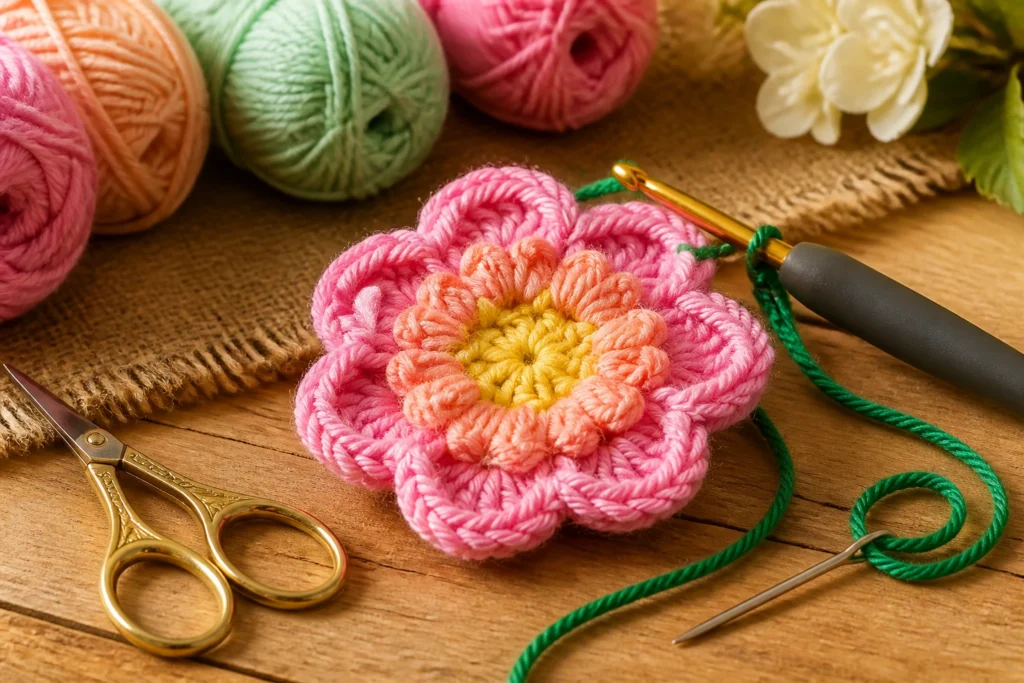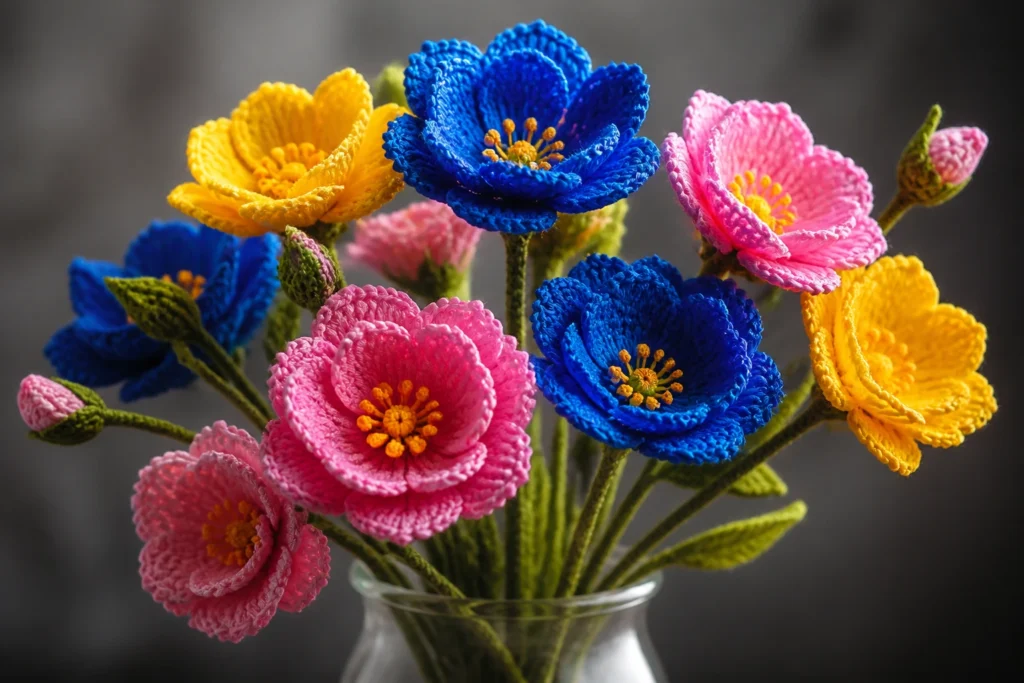
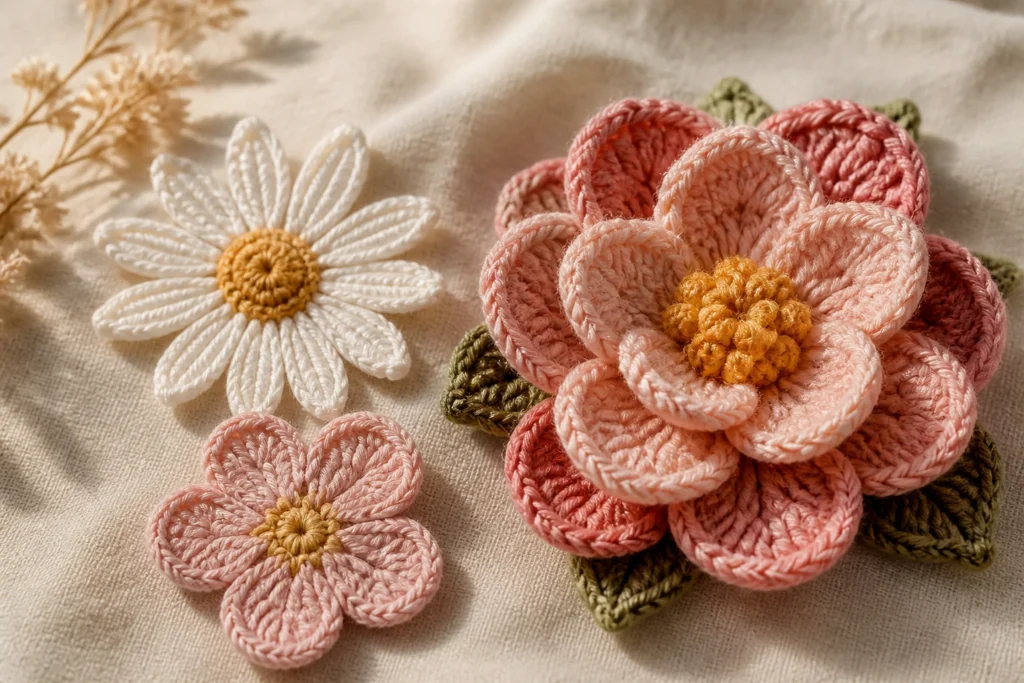
The debate is on: flat crochet flowers vs. 3D crochet flowers. Spoiler: both have their charm, but the vibe you want for your project will decide the winner. Let’s dive in, compare, contrast, and nerd out like two crochet addicts at a yarn festival.
What makes a crochet flower good-looking in the first place?
Flowers are tricky—they’re tiny, delicate, and somehow still steal the show on hats, scarves, and blankets. The key ingredients are shape, texture, and how well the piece wears the flower. Flat flowers lie neatly against fabric, while 3D flowers pop like a tiny garden on your yarn. You’ll use different stitches, tension, and blocking to get the exact vibe you want. FYI, you’re aiming for something that holds its shape, not something that collapses like a soggy pastry.
Flat crochet flowers: simplicity done right
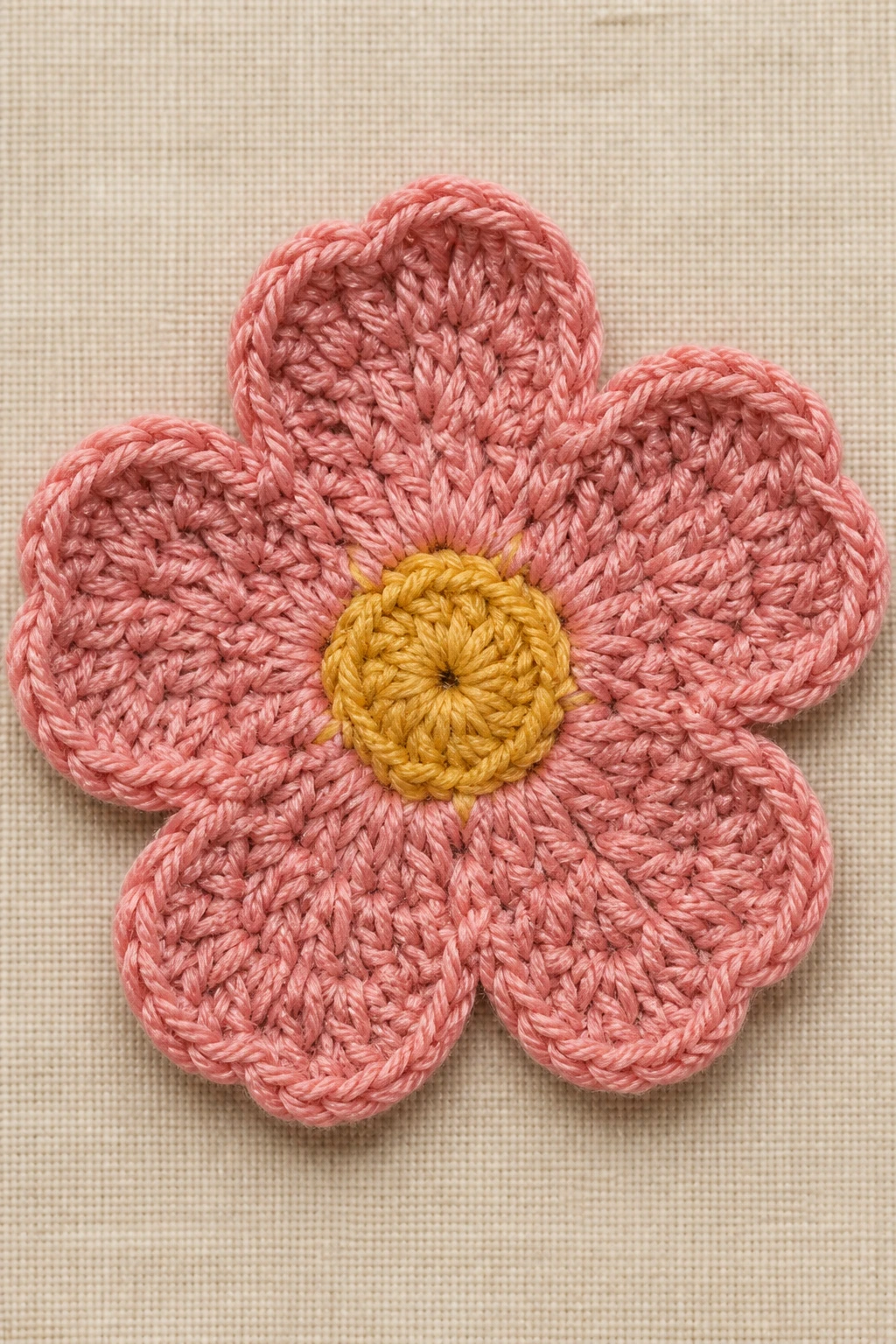
Flat flowers are your go-to when you want a subtle, elegant touch. They’re quick, forgiving, and easy to mass-produce for blankets or garlands. Think daisies, simple roses, and little five-petaled wonders that sit flush against the surface.
- Pros:
- Fast to crochet and assemble
- Low bulk; easy to incorporate into blankets or garments
- Great for beginner-to-intermediate crocheters
- Cons:
- Limited dimension; can look flat in photos or from a distance
- Less of a “wow” factor for special embellishments
Techniques that help flat flowers shine
– Use tight, even tension so petals don’t flop.
– Choose a medium weight yarn for good stitch definition.
– Block lightly to encourage petal shape without stretching the whole piece.
– Add a subtle rim with front post stitches to give a hint of depth.
When flat flowers outperform 3D ones
If you’re making a baby blanket, a cardigan, or a tote bag that needs a clean, flat applique, flat flowers can be your best friend. They’re less bulky, easier to embroider around, and less likely to snag on things.
3D crochet flowers: texture that really pops
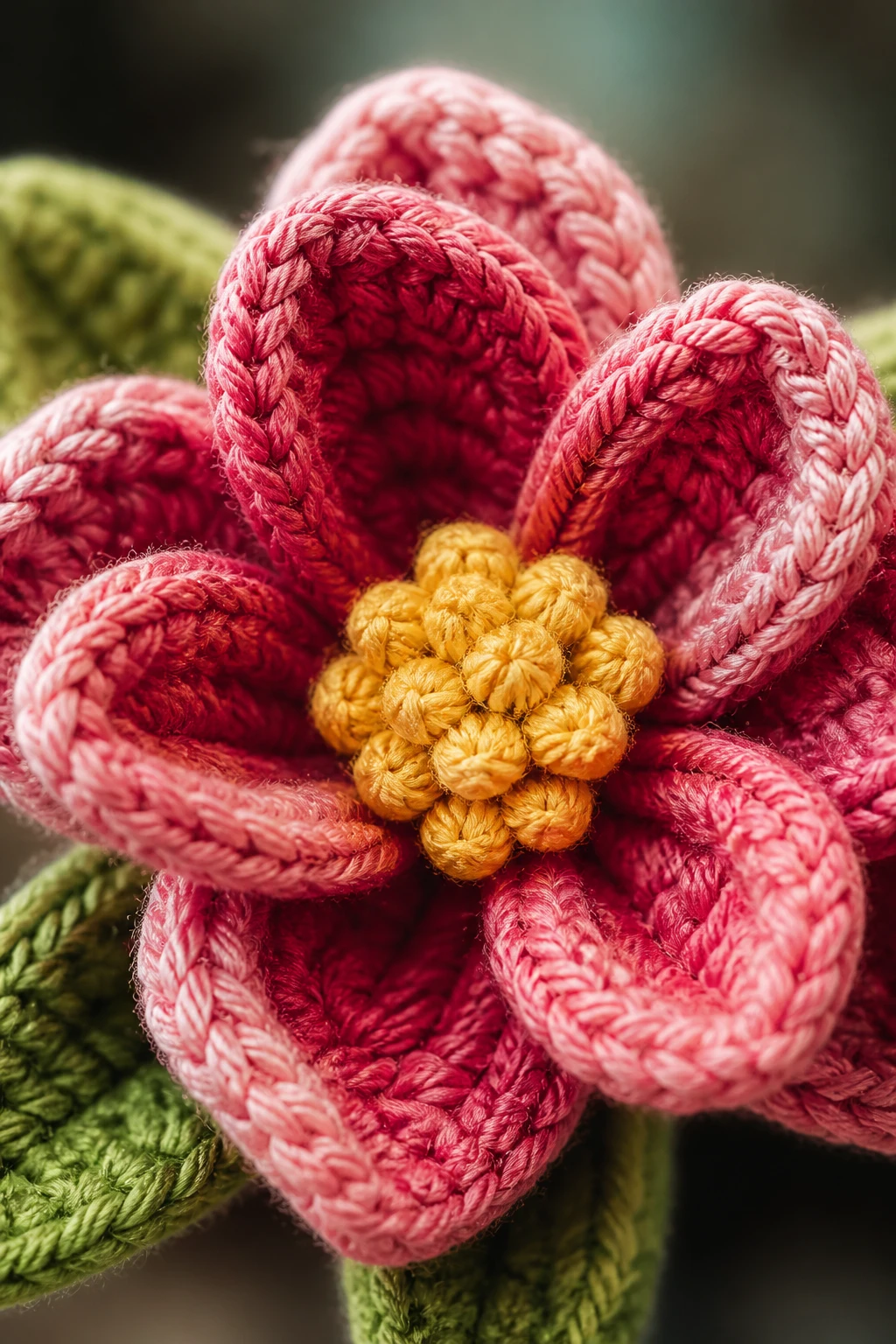
3D flowers are the drama queens of the crochet world. They stand up, curl, twist, and catch the eye from across the room. They’re perfect for headbands, brooches, or a statement bouquet on a scarf.
- Pros:
- Lots of texture and dimension
- Excellent for focal accents and heirloom projects
- Great for showing off advanced techniques
- Cons:
- More time-consuming and pattern-dependent
- Bulkier; may require lining or careful placement on garments
How to make a convincing 3D bloom
– Start with a sturdy center, like a tight popcorn or puff stitch, so the bloom holds its form.
– Build petals in stages, shaping with light increases and decreases.
– Use a stiffer yarn or a bit of fabric stiffener if you’re making hard-edged petals.
– Consider adding a back layer or a small ring of felt to anchor the bloom to fabric.
3D variants worth trying
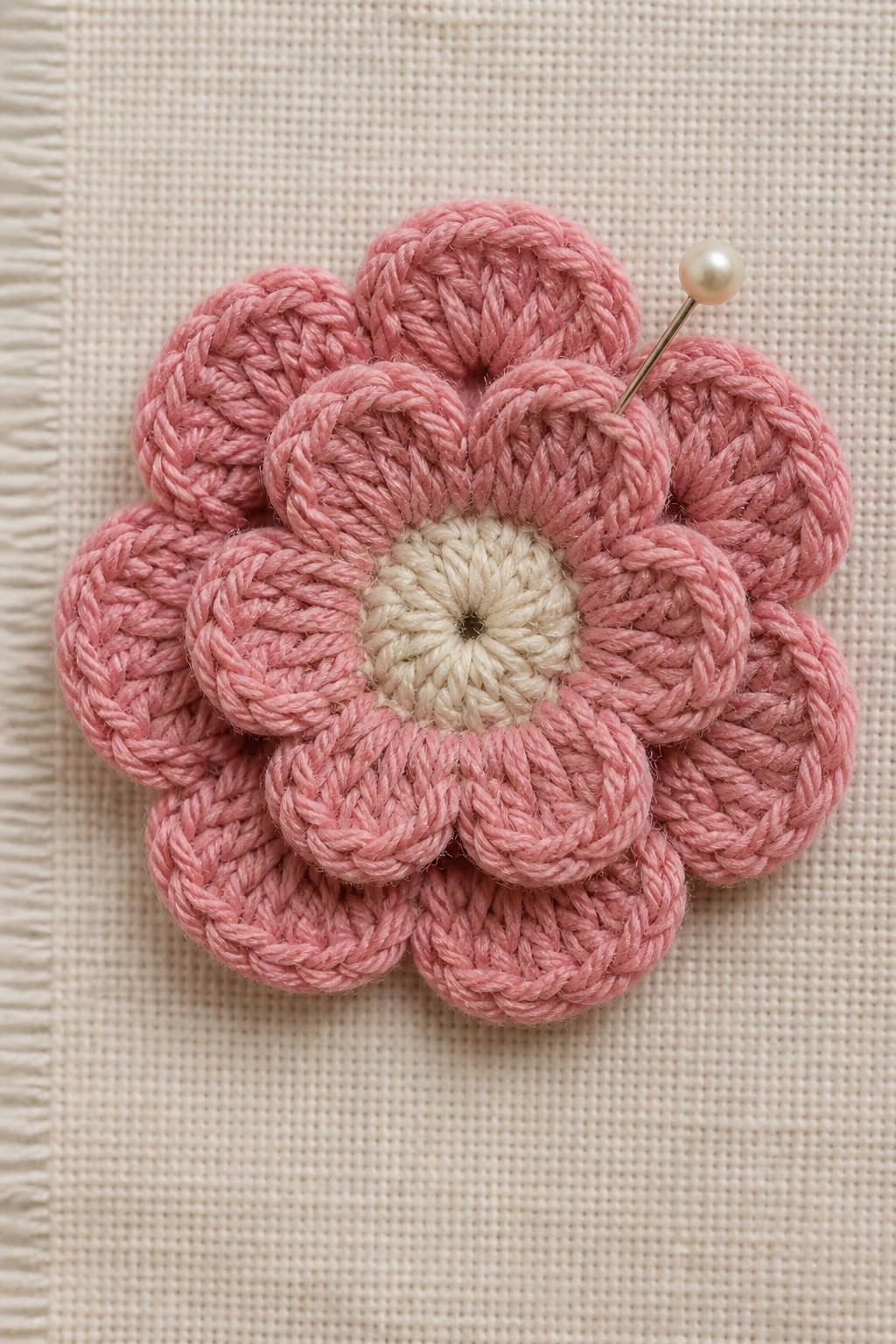
– Layered petals: multiple rounds of petals create depth without too much bulk.
– Spiral flowers: a continuous-row technique that gives a natural, windblown look.
– Realistic centers: French knots or small bead centers add a splash of texture.
Choosing the right project for flat vs. 3D
Let’s talk about actual projects, because the best colorway in the world won’t save a misfit.
- Garments and wearables: Flat flowers tend to lie flat on sleeves, cuffs, and collars, reducing bulk. 3D petals work wonders on hats or headbands where you want a focal point.
- Home decor: If you’re aiming for a cozy, hand-knit vibe, 3D flowers can become a conversation piece. Flat flowers keep a cleaner, more modern look for minimalist decor.
- Baby items: Flat often wins for blankets and booties because it’s softer against skin and less likely to snag.
- Accessories: For bags and scarves, 3D flowers can become the statement, while flat blooms complement the texture of the fabric.
Materials matter: yarn, hook, and stitch choices
Your material choices can tilt the scale toward flat or 3D. Here’s a quick checklist to keep you honest.
- Yarn:
- Plush, bulky yarn tends to loaf into 3D shapes effortlessly.
- Smaller, smooth worsted or DK makes flat petals pop with stitch definition.
- Hook size:
- Smaller hooks give crisper petals—great for flat blooms.
- Medium hooks with a touch looser tension encourage dimensionality for 3D petals.
- Stitch patterns:
- Plain single and half-double stitches yield tidy flat petals.
- Front post, crab stitch, inverse stitches add texture for 3D blooms.
Blocking, shaping, and keeping petals perky
Blocking is the secret sauce for both flat and 3D flowers. It can mean the difference between a limp petal and a stand-up star.
Blocking basics
– Wet block or steam block to set shape. Be careful with heat on delicate fibers.
– Pin petals into the desired curve; for 3D blooms, pin to a foam shape or bead under the bloom to hold volume.
– Let dry completely before removing pins.
Shaping tips for longevity
– For 3D blooms, shape each petal with a gentle curl using your fingers as you go.
– Consider a light spray of fabric stiffener on vintage or heirloom pieces for extra staying power.
– Ensure the backing is sturdy (felt, interfacing, or a small ring) if the piece will be handled a lot.
Color and texture play: making them pop
Color is the secret sauce that makes or breaks flowers, flat or 3D. You can go high-contrast for bold impact or tone-on-tone for subtle elegance.
- Color blocking: Use two or three high-contrast colors for a eye-catching bloom.
- Gradient yarns: A slow color shift lends natural depth to flat petals; it can also accentuate the layers of a 3D bloom.
- Texture mix: Combine a satin yarn with a fluffy yarn in the same color family for a tactile surprise.
Care and durability: will it last?
No matter the style, care matters. Delicate projects deserve gentle treatment, while sturdier blooms can handle a bit more wear.
- Flat flowers: generally easy to wash on a gentle cycle or hand wash, depending on yarn.
- 3D flowers: if heavily textured, consider hand wash and air dry to preserve shape.
- Stiffened blooms: expect some extra care—avoid high heat and rough handling.
Patterns, inspiration, and where to start
Jumping into a project is easier when you have a map. Here are sensible starting points and how to adapt.
Starter projects for flat blooms
– Simple daisy blanket motifs
– Bouquet-on-a-hat or headband accents
– Flower bunting garland for a playful room refresh
Starter projects for 3D blooms
– An oversized single bloom on a cardigan as a central motif
– A brooch or pin with a couple of layered petals
– A flower-and-leaf applique set for a tote
How to mix both styles in one project
– Put a few flat blooms around the edge of a scarf and reserve a bold 3D flower as a centerpiece.
– Use flat blooms as a border on a throw, letting a 3D bloom anchor one corner.
FAQ
Are flat crochet flowers easier for beginners than 3D flowers?
Yes. Flat flowers typically involve straightforward stitches and fewer shaping steps. If you’re new to crochet or just testing the waters, start with flat blooms to build confidence and speed. Once you’ve got the hang of turning chains and basic stitches, you can graduate to 3D techniques.
What yarn weight is best for flat vs. 3D flowers?
For flat flowers, DK to worsted weight yarn gives crisp petal definition without too much bulk. For 3D flowers, bulky or chunky yarns work beautifully because they hold volume and shape more easily. If you’re after a delicate look, you can still use lighter yarns with carefully chosen shaping.
How do I avoid petals drooping in a flat flower?
Focus on tight tension and a firm center. Blocking helps set the shape, and a small amount of stiffener around the center can prevent drooping. If you must, add a light backing to keep everything aligned.
Can I use the same pattern for both flat and 3D versions?
Not exactly. Some patterns offer both, but you’ll usually need to adjust the number of petals, the shaping technique, and possibly the yarn type. If you’re adapting, start with the center and map out where you’ll add petals in a way that maintains balance.
How do I attach flowers to clothing without stretching the fabric?
Choose a backing option that minimizes stretch, such as sewing on with a small felt piece or a fabric backing that stabilizes the area. Use a few tight stitches rather than a lot of loose ones. If you’re worried about snagging, reinforce edges with a satin stitch or a whip stitch around the perimeter.
Conclusion
So which wins: flat or 3D? It’s not a winner-takes-all game. It’s about what you’re making, who you’re making it for, and how you want your piece to behave on the daily. Flat flowers bring polish, ease, and a modern touch that won’t overwhelm a project. 3D flowers bring personality, texture, and a little drama that can turn a plain item into a centerpiece. IMO, the best path is to mix and match. Use flat blooms for the background and sprinkle in a couple of bold 3D petals where you want eyes to land. That way you get the best of both worlds without overcomplicating things.
If you’re feeling bold, pair a chunky 3D bloom with delicate flat petals on a single scarf and watch the compliments roll in. FYI, your friends will want to copy you, and that’s how you know you’ve nailed the look. Happy crocheting, and may your hooks stay sharp, your tension stay even, and your yarn stash never judge you for buying one more skein.