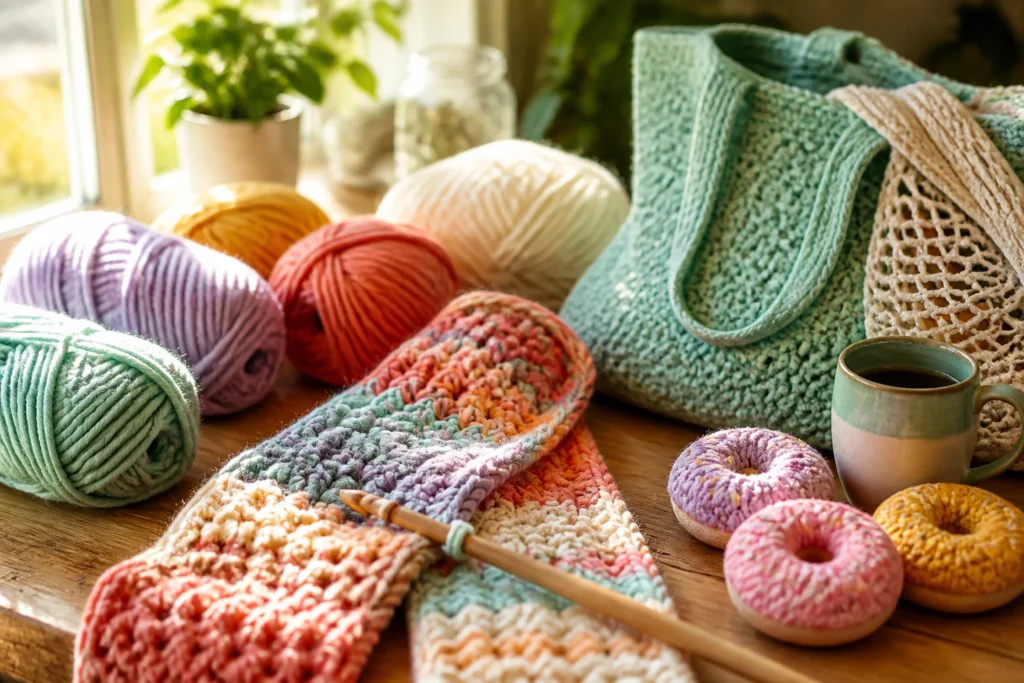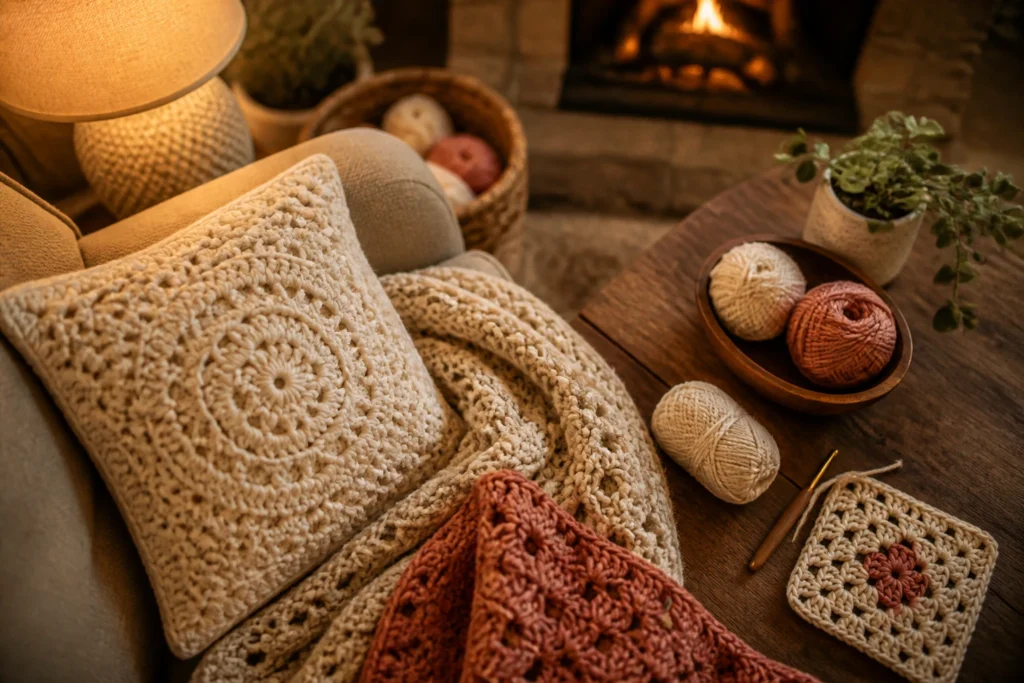

The moment you see a single skein staring back at you, you know you’re about to embark on a tiny staggeringly satisfying project. One-skein crochet is the perfect excuse to experiment, to splurge a little, and to prove you don’t need a full internet archive of yarn to make something gorgeous. Let’s break down the best yarn choices for those magical, quick-hit projects.
How to pick yarn for a one-skein wonder
Choosing the right yarn for one-skein crochet isn’t rocket science, but it does help to have a few guidelines in your back pocket. You want something that stitches up cleanly, shows off texture, and forgives beginner mistakes. The key is to balance fiber, weight, yardage, and care.
– First, check yardage. Most “one-skein” patterns assume around 200–400 yards, depending on weight. If you grab a skein labeled “one-skein project,” read the yardage—don’t assume. FYI, a tad extra never hurts.
– Consider fiber vibes. Cotton gives a crisp stitch definition; wool blends add warmth and elasticity; acrylic is budget-friendly and forgiving; linen has a drifty, summery feel.
– Think care. If you’re gifting a coffee cup cozy, maybe machine-washable is ideal. For a chic throw, you might accept hand wash. Your future self will thank you for keeping this simple.
Best all-around: cotton and cotton blends
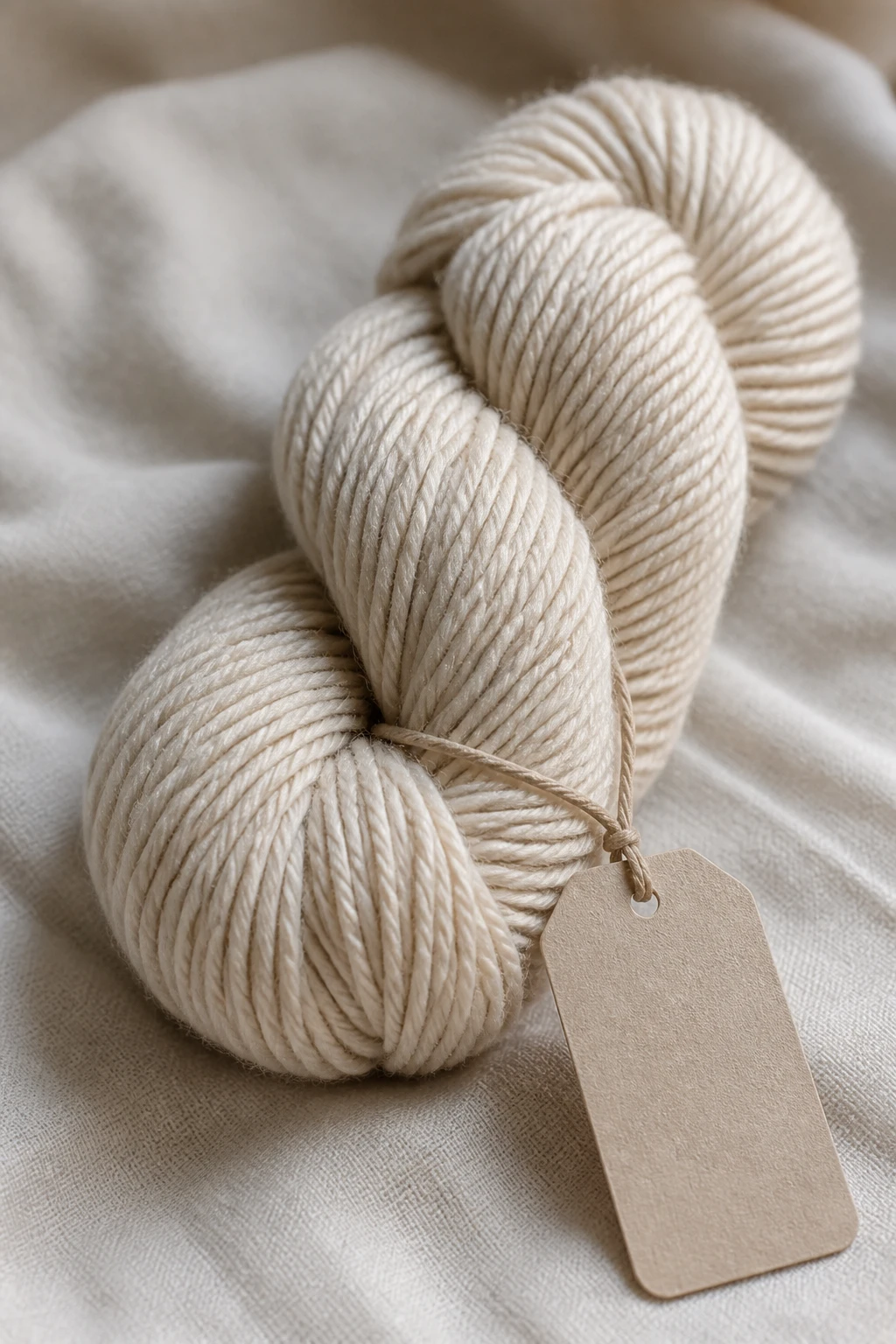
Cotton is a crowd-pleaser for one-skein projects. It’s sturdy, washable, and shows stitch detail like a boss. Cotton blends amp up softness and drape without drifting away from that crisp texture.
– Why cotton shines: excellent stitch definition, cool-to-the-touch feel, strong fiber that holds shape.
– When to reach for blends: a touch of acrylic or modal can boost softness and drape without sacrificing structure.
– Quick picks you’ll love:
- Charming cotton yarns with a touch of nylon for sheen (great for cuffs and bags).
- Arabica-weight cotton blends for kitchen scrubbies and market bags.
- Mercerized cotton for a smoother stitch and subtle sheen.
Wool and wool blends: warmth without the commitment
If you want one skein that feels cozy right away, wool is your friend. It’s forgiving, has memory (hello, stretchy stitches), and it softens after a few washes. If pure wool sounds scary, blends exist that tame itch without stealing warmth.
– Pros: warmth, elasticity, good stitch definition, forgiving for beginners.
– Cons: may felt if washed aggressively; some people prefer to hand wash.
– Quick picks:
- Fleece-soft merino blends for scarves, hats, or tiny shawls.
- Wool-acrylic blends that machine wash easily and still feel nice.
Superwash yarns: safe, easy, reliable
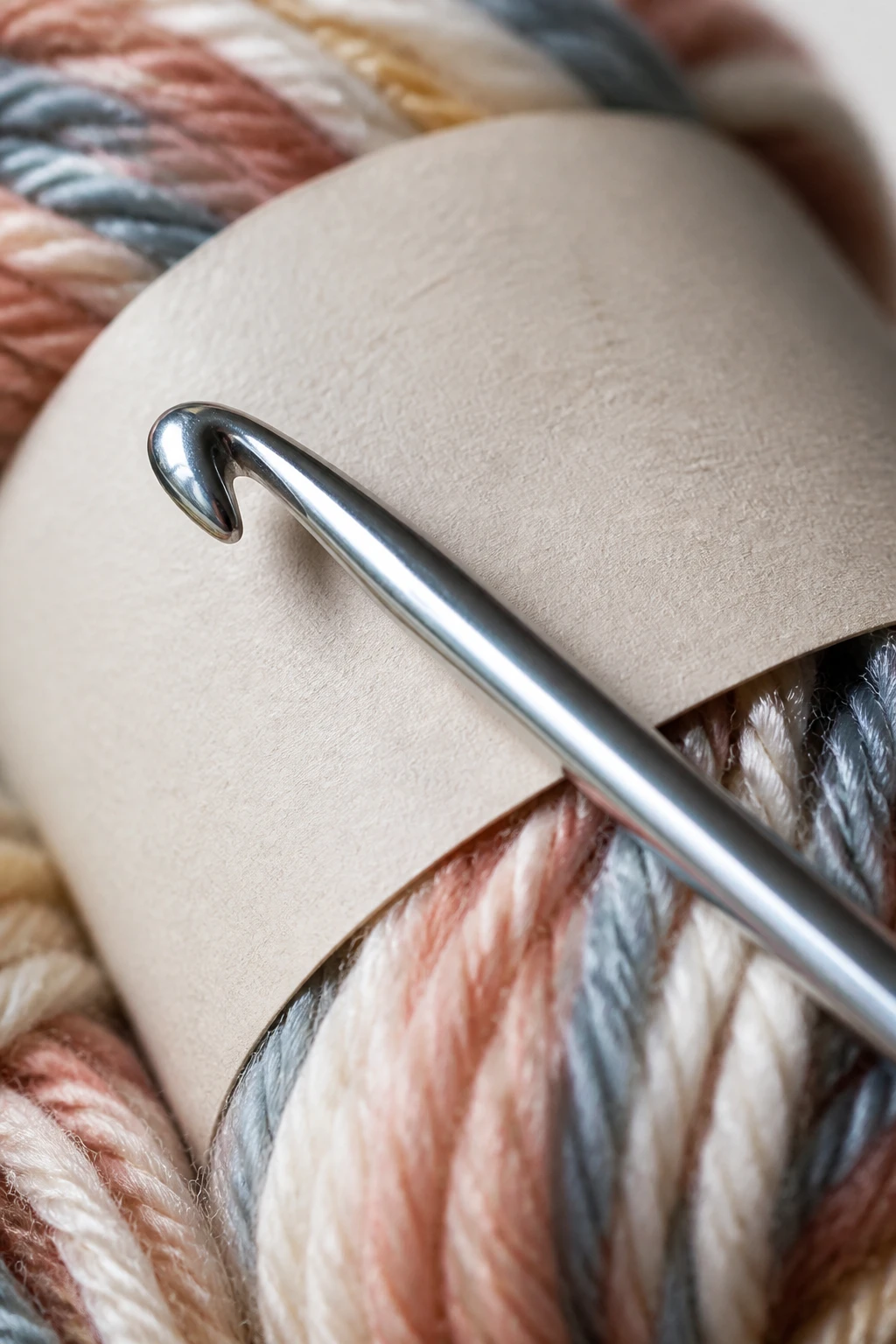
Superwash yarns are basically the “no-fuss” heroes. They behave in machine wash, resist felting, and come in a huge range of weights and colors. Perfect for gifts, baby projects, or anyone who hates fear of felting after a gentle spin in the wash.
– Why they’re great: machine-washable, consistent texture, wide color selection.
– Pick routines:
- Aran or worsted weights for quick scarves or small blankets.
- DK superwash when you want something softer on the hook and with gentle drape.
Acrylics and acrylic blends: budget-friendly workhorses
Acrylic gets a bad rap, but it’s a stalwart for one-skein projects. It’s affordable, comes in bold colors, and takes dye beautifully. It’s not a luxury fiber, but it’s a reliable sidekick for quick wins.
– When to choose acrylic: bold colors, easy care, and when you’re making hostess gifts on a budget.
– Look for blends with nylon or wool for improved durability and warmth.
– Quick tip: look for “soft acrylic” or “premium acrylic” lines that feel nicer against the skin.
Linen and plant-based fibers: summer-friendly and a little fancy
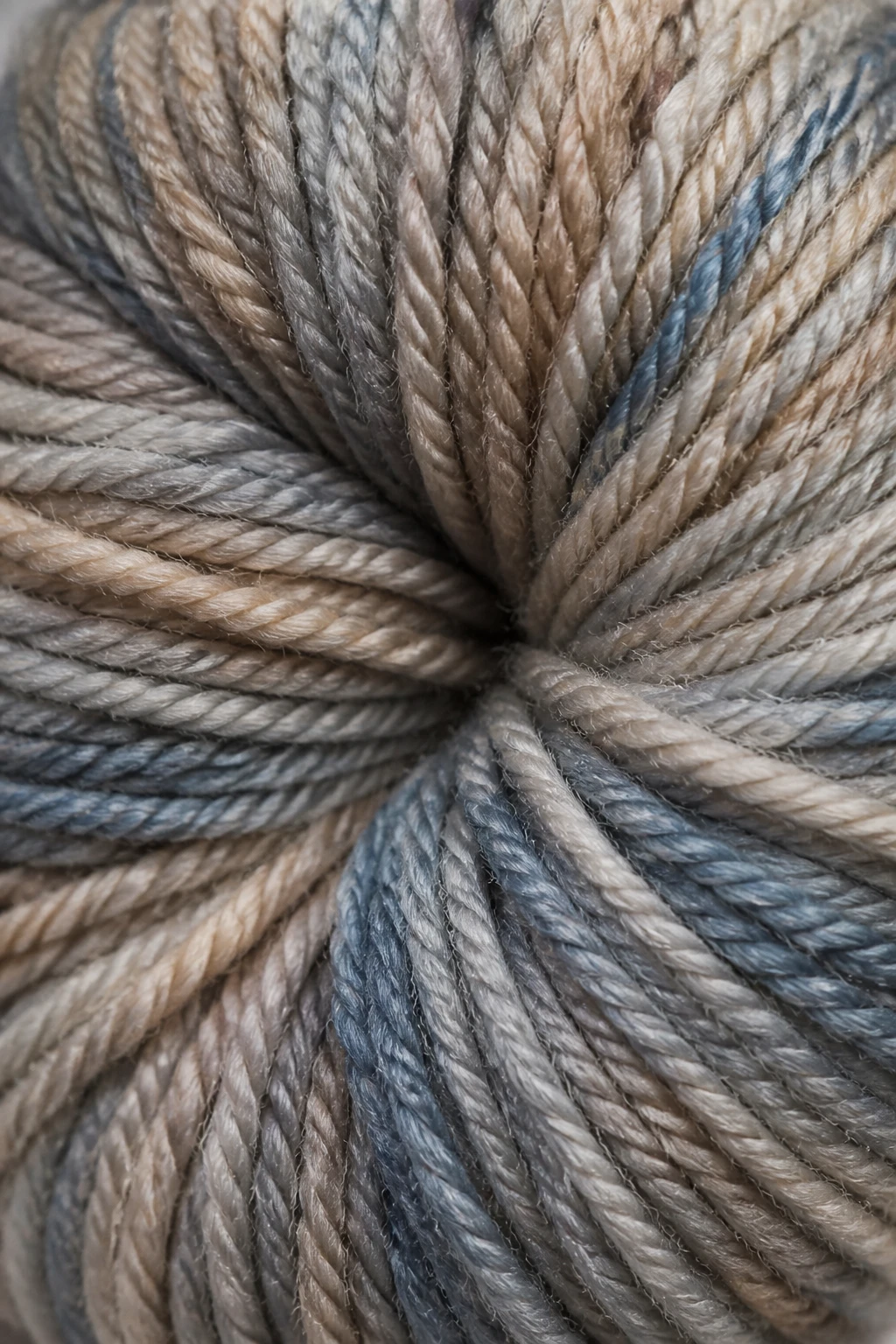
Linen and other plant fibers offer a different vibe: breathable, crisp, and naturally textured. They often require a bit more patience (and sometimes a larger hook) but they look effortlessly chic for things like market bags or coasters.
– Linen realities: tends to split a bit; use a sturdy hook and a relaxed stitch.
– Plant blends: cotton-linen or cotton-bamboo blends can give you the best of both worlds—drama-free sheen plus durability.
– Best one-skein candidates: coasters, small blankets, or lightweight shawls.
Texture, stitch, and showmanship: making the most of a single skein
One skein doesn’t have to mean boring. The trick is texture and width of stitches. Here are some ways to maximize impact:
– Go bold with stitch definition: try popcorn stitches, shell stitches, or zigzag textures on cotton or blends.
– Play with gauge: a looser gauge yields drape and openness; a tighter gauge yields structure. Pick a hook size that matches the yarn’s label for the recommended range.
– Use color strategically: variegated skeins can make a simple stitch pattern look complex, while solid colors let your texture shine.
– Don’t overthink the finish: blocking can transform a flat piece into something that truly pops, especially with plant fibers.
Subsection: How to swatch for a one-skein project
Swatching isn’t a waste of time; it’s a tiny investment in happiness. Make a 4×4 inch swatch in your chosen stitch, wash and block it (if your yarn cares about blocking). Compare it to the gauge on your pattern or your gut if you’re winging it. If you’re off by a stitch or two per inch, you can adjust by changing hooks. FYI, swatching saves you from frogging later.
Patterns and project ideas that shine with a single skein
Here are some quick, satisfying ideas that almost always fit within one skein, depending on weight and yardage:
– Cozy accessories: hats, cowls, fingerless mitts, and scarves. These gems stitch up fast and look luxe in a single skein.
– Small décor: coasters, mug cozies, napkin rings, mini wall hangings.
– Baby basics: hats or booties using soft yarns that stay gentle on sensitive skin.
– Bags and organizers: small pouches or totes that showcase color transitions or texture.
– Home accents: mini throws or hexagon motifs that join into a larger piece.
Care, durability, and what to tell your bestie who’s gifting
If you’re giving a one-skein project, you’ll want to keep care in mind. People RSVP with care instructions, and you should, too.
– Label it clearly: note fiber, weight, care instructions, and recommended hook size.
– Warn about felting: especially with wool, some folks toss things in the wrong washer. If you’re unsure, err on the side of hand wash.
– Recommend a finishing touch: gentle blocking after washing can help the piece keep its shape and look polished.
Subsection: Finishing tips that elevate a tiny project
– Block before you gift: a light steam or a gentle soak can relax stitches and even out edges.
– Add a simple seam or edge: a crisp garter border or slip stitch edging makes things look finished.
– Tie a bow with color: a small ribbon or tag adds personality and reveals you care.
FAQ
What needle size should I use for one-skein projects?
For most yarns, follow the label’s suggested hook or needle size. If you’re chasing a looser fabric, go up a hook size; if you want tighter, go down. A quick rule of thumb: the looser your stitch, the more yarn you’ll need in a small project.
How much yardage counts as “one skein” for typical projects?
It varies by weight and brand, but a safe baseline is 200–400 yards for most worsted to DK projects. Light fingering or bulky skeins might yield larger or smaller projects than you expect. Always check the project pattern or estimate from the skein’s yardage label.
Can I mix yarns in a one-skein project?
Sure—if you’re comfortable with the look. Mixing yarns can create texture and color drama, but it can also overwhelm stitch definition. Start with a simple pair (e.g., a solid with a coordinating speckle) and test a swatch first.
Are there yarns you should avoid for beginner one-skein projects?
Avoid ultra-slippery fibers that show every snag or split, like some very smooth synthetics, unless you’re confident in your tension. Also, be mindful of yarns that fuzz or shed excessively for items that will be worn next to skin.
How do I choose the best yarn for a gift on a budget?
Look for mid-range acrylic blends or cotton blends that are machine-washable and have good yardage per skein. Bright, cheerful colors can make a humble skein feel luxurious without breaking the bank.
Conclusion
One skein, a world of possibilities. The right yarn choice transforms a tiny project from “meh” to “wow,” instantly. Cotton for polish, wool blends for warmth, superwash for easy care, acrylics for color, and linen for a little high-fashion drama. Pick a fiber that fits the recipient’s lifestyle, grab the hook that feels right, and go for it. Before you know it, you’ll have a chic, finished piece that proves length of yarn isn’t the only measure of success.
If you found a new favorite here, tell me what you’re making with your next single-skein adventure. IMO, sharing is half the fun, and who knows—your idea might spark someone else’s next cozy win. Happy stitching!