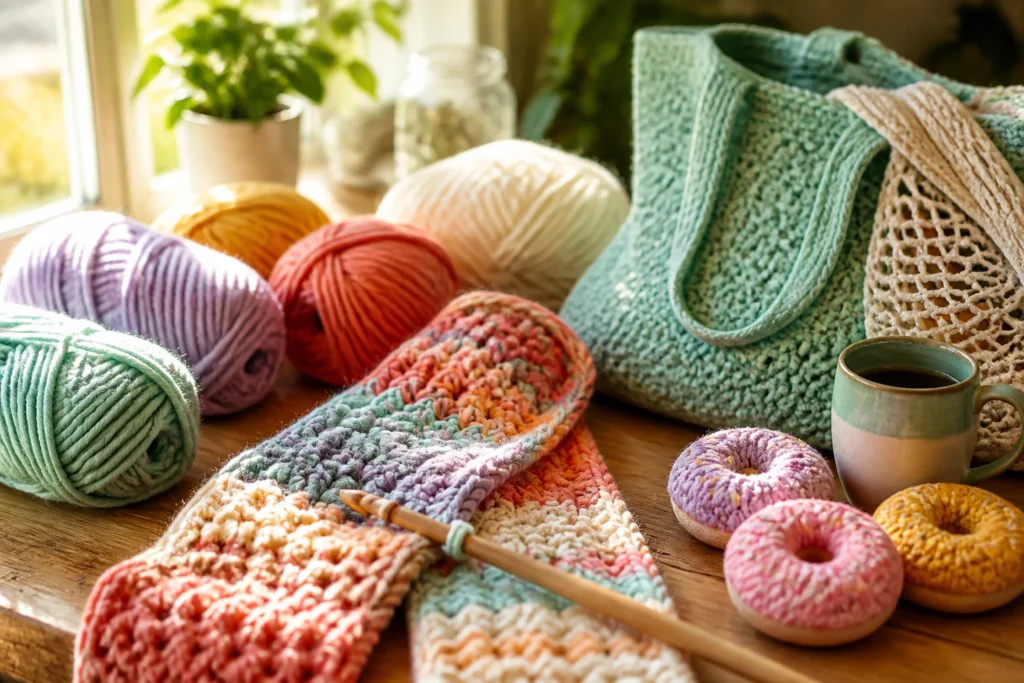
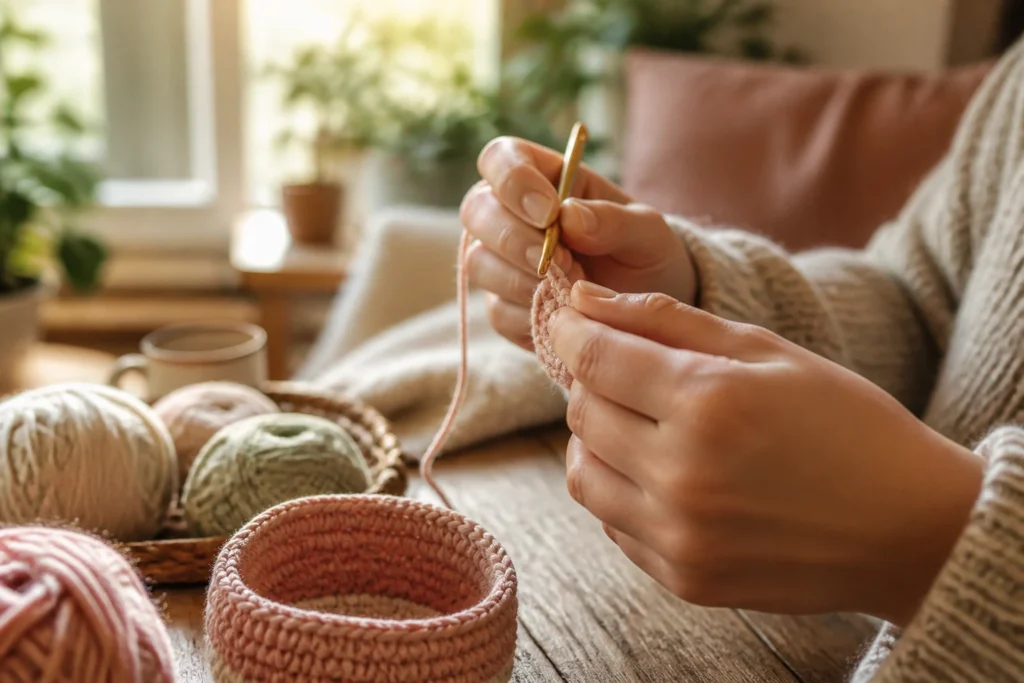
The moment I realized mindless crochet could turn chaos into something cozy, I was hooked. No grand plans, no perfect stitches—just steady, repetitive motions that quiet the brain. If you’re chasing stress relief that actually sticks, you might want to give this a shot. Spoiler: it’s way more than “just crochet.”
What makes mindless crochet so darn soothing
If you’ve ever toyed with a simple stitch over and over, you know the magic. There’s a rhythm, a predictability, and a tiny sense of accomplishment every few minutes. Here’s why it lands so well for stress relief:
– Repetition soothes the brain: Repeating the same motions lowers mental chatter and gives your mind a vacation from worries.
– Minimal cognitive load, maximum calming effect: You can focus on breath, mood, or even a favorite podcast while your hands do the heavy lifting.
– Tangible payoff fast: You finish small projects quickly, which feeds your brain’s dopamine loop in a healthy way.
– It scratches that “doing something with my hands” itch: Crafting creates a physical artifact, not just a fleeting thought.
– You control the tempo: Speed up or slow down to match your energy.
Choosing the right mindless project: start simple, start quickly
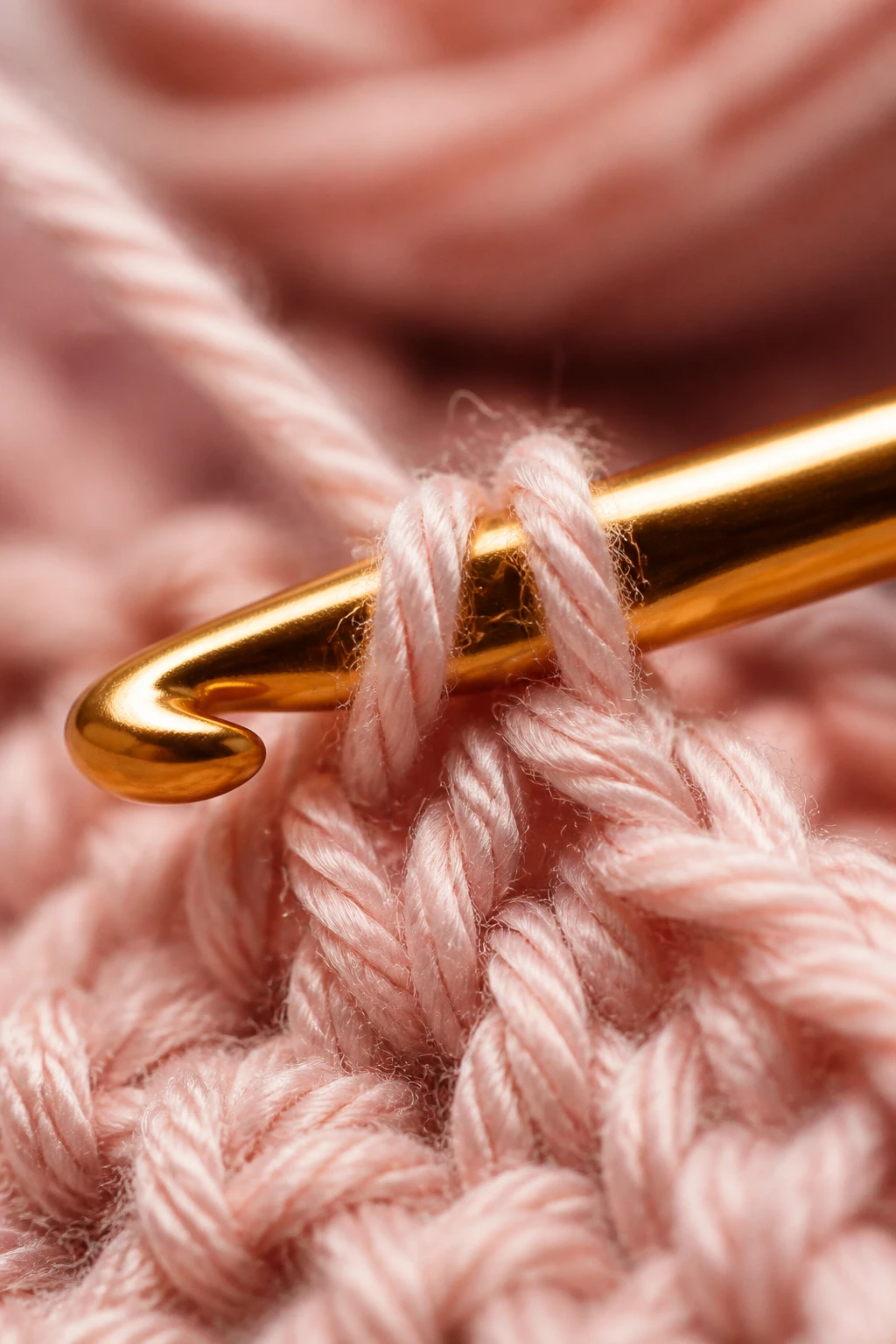
The sweet spot for relief is a project that’s easy to pick up, easy to pause, and easy to finish without drama.
– Pick the simplest stitch pattern: Single crochet or half-double crochet in a basic stitch repeat works wonders.
– Size matters: Choose projects that stay within a few hours of work. Tiny wins keep motivation high.
– Avoid complex shaping: No sleeves, no seams, no turning your project into a puzzle.
– Materials matter: Use soft yarn and a comfortable hook. If your hands hate rough textures, you’ll dread every stitch.
– A portable project wins: Pick something you can carry in a tote for on-the-go mindfulness.
5 mindless project ideas you can start today
These are intentionally low-stress, quick to finish, and supremely satisfying.
1) Cozy dishcloths that multiply like rabbits
Dishcloths are the perfect gateway: quick, useful, and forgiving. Use a simple stitch like single crochet, and you’ll have a handful ready in a weekend.
– Pros: Instant utility, easy to wash away mistakes, cheap to experiment with colors.
– Quick tip: Use cotton yarn for durability and a nice texture.
2) Snug blankets with a rhythm you can lose yourself in
A baby blanket or throw blanket with a repeatable stitch pattern can become your nightly meditation.
– Pros: Big enough to feel meaningful, not so big you get overwhelmed.
– Quick tip: Choose a multiple of stitches you can repeat without counting every row.
3) Plush scrubbies and facial pads
Super-soft scrubbies or reusable face pads give you small, satisfying wins.
– Pros: Tiny, fast projects; you can experiment with colors and textures.
– Quick tip: Use a forgiving yarn that doesn’t snag easily.
4) A cozy scarf that’s all about the vibes
Scarves are forgiving and fashionable. Pick a chunky yarn for instant gratification.
– Pros: Visible progress in minutes; warm end product.
– Quick tip: If you struggle with tension, go for a simple rib or moss stitch.
5) Simple beanies for chilly days
Beanies are a great next step after mindless squares, but you can still keep the process relaxed.
– Pros: Practical, portable, and adjustable.
– Quick tip: Look for a straightforward pattern with no shaping in the crown to keep it chill.
How to turn mindless crocheting into a stress soundtrack
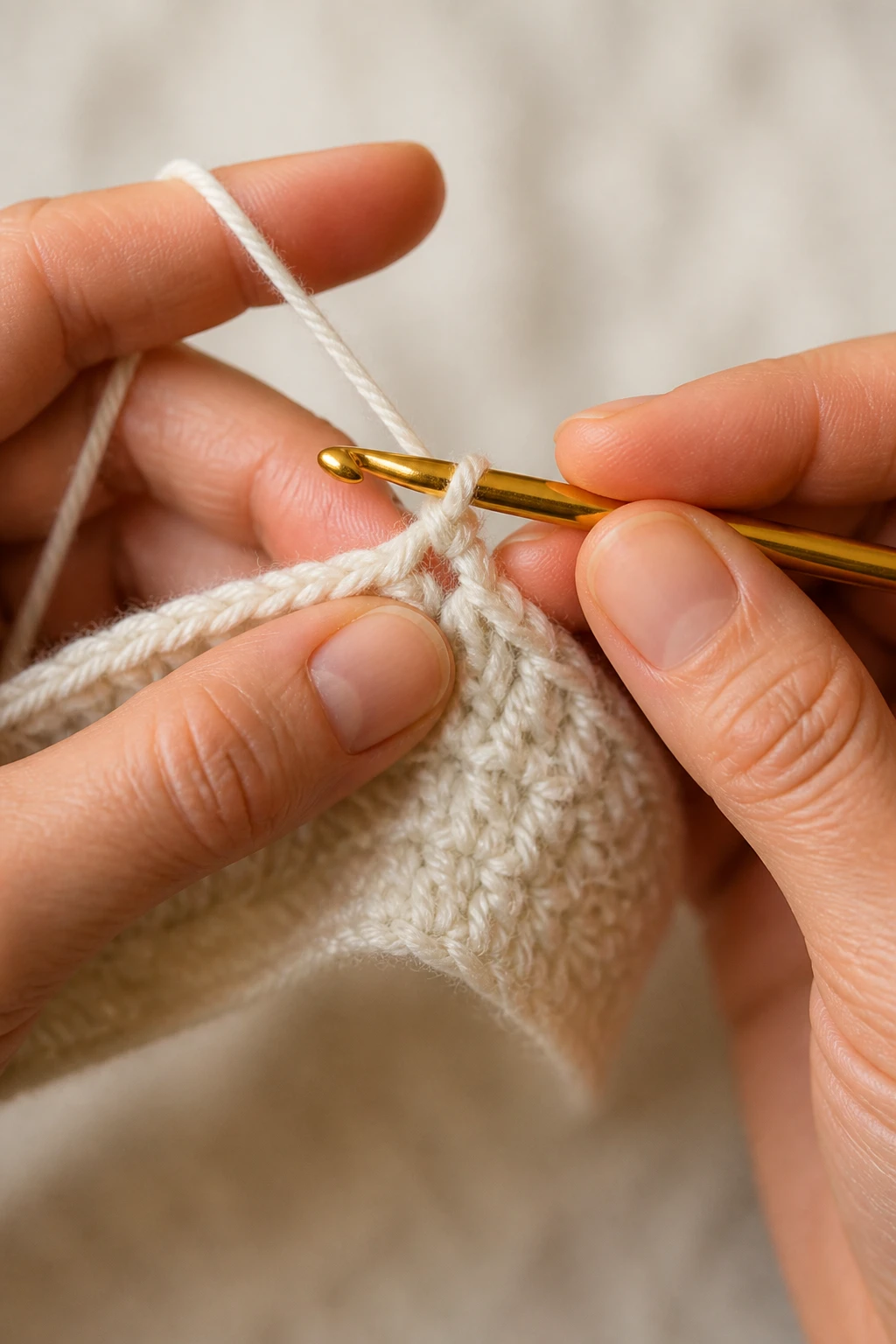
Having the right ambient setup can amplify the calming effects. Here’s a practical playbook.
– Create a ritual: Warm drink, soft lighting, and a comfortable chair signal your brain that it’s “rest time.”
– Choose your boost: Listen to a calming playlist, a silly podcast, or nothing at all—your call.
– Breathe with your stitches: Inhale for a few stitches, exhale for a few more. Let your breath follow the rhythm.
– Set tiny milestones: “I’ll finish this skein,” “I’ll complete 10 rows.” Small goals keep you motivated.
Mindset shifts that turbocharge stress relief
The craft isn’t just about the yarn; it’s about how you relate to the process.
Chill with imperfection
Let go of the need for perfection. Flawed edges? Bundled up ends? That’s flavor, not failure.
– Embrace the process: Your brain benefits from repetition and distraction, not from perfect outcomes.
– Celebrate the small wins: A tidy edge or a nice tension bump deserves a nod.
One-project-at-a-time mentality
Stop scattering attention across ten different crafts. Finish a project, then start something new if you want.
– Pros: More satisfaction, less guilt about unfinished projects.
– Practical tip: Keep a simple “start” project in progress at all times so you always have a go-to.
Managing stress triggers with mindless crochet
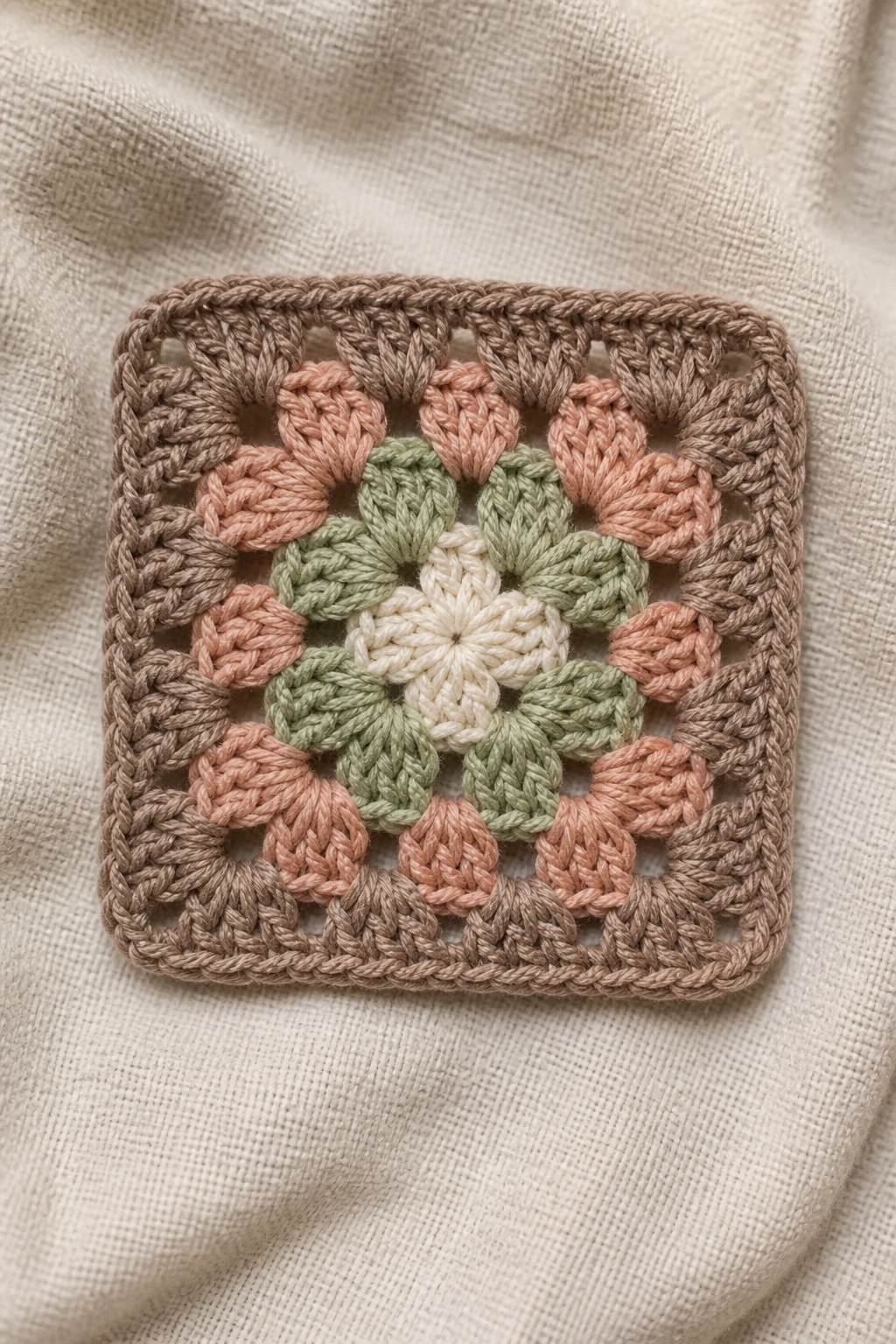
Different stress triggers respond better to different approaches. Here’s how to tailor your crochet practice.
- Overwhelm and sensory overload: Pick quiet, repetitive stitches with soft yarns and minimal buzzing distractions.
- Racing thoughts: Slow down your pace; use slower hook movements and longer breaths.
- Anger or irritability: Switch to a project with a forgiving pattern and predictable rhythm to redirect energy.
Technique-free zone: when to skip the pattern
If patterns feel like a trap, you’re not alone. Here’s how to keep the flow without overthinking.
– Use a basic, repeatable stitch: Single crochet in one endless strand, no turning complicated corners.
– Choose color-blocking over shaping: Color changes every few rows, not every row.
– Let the yarn guide you: When in doubt, switch to a softer yarn and let the project breathe.
FAQ
Is mindless crochet really good for anxiety or depression?
Crochet can help by providing a focused, repetitive activity that reduces rumination and improves mood through small, steady achievements. It isn’t a replacement for professional care, but many people find it complements therapy or medication well. FYI, consistency matters more than intensity here.
Do I need a fancy setup to start?
Not at all. A comfortable chair, a decent light source, a couple of skeins in your favorite colors, and a crochet hook. That’s basically all you need. If you want to go extra, grab a stitch marker and a simple pattern you can memorize.
What if I mess up a lot?
Messing up is part of the process—and totally normal in mindless work. Treat mistakes as opportunities to practice patience. Use it as a cue to slow your pace or shift to a different stitch or project.
Can I crochet while watching TV or listening to music?
Yes, and that’s the beauty of mindless crochet. It pairs well with passive activities. Just avoid anything that requires sharp focus or complex counting if you’re aiming for stress relief.
How do I keep this hobby from turning into another source of stress?
Set boundaries: choose simple projects, decide how long you’ll crochet in a session, and celebrate progress rather than perfection. If a project starts feeling like a chore, switch to something lighter or take a break.
Conclusion
Mindless crochet isn’t a miracle cure, but it’s a trustworthy companion for rainier days and chaotic thoughts. The beauty lies in its simplicity: steady hands, a gentle rhythm, and a wearable reminder that progress comes in small, comforting increments. IMO, the magic is in turning stress into something soft and useful rather than letting it chew up your brain.
If you’re new to the idea, start with a tiny dishcloth or a snug scarf. Sit down, set a timer for 20 minutes, and crochet at a pace that feels good. You might be surprised how quickly your mood lightens, how your shoulders drop, and how satisfying it is to watch a plain skein become something cozy you can actually use. FYI, your future self will thank you for the calm you stitched into your day.