These stitches are beginner-friendly, insanely satisfying, and instantly boost your confidence. Ready to stitch your way from zero to cozy in no time? Let’s dive in and have a little crochet magic happen.
1. Chain Stitch: The Ultimate Gateway

Let’s start with the stitch that literally opens all doors. The chain stitch is your passport to starting any project. It sets the foundation and gives you a sense of accomplishment right away.
Key Points
- Creates the base row
- Easy to count stitches
- Perfect for practice before tackling thicker yarns
Pro tip: Keep your tension even but not tight, or your foundation will feel like a brick wall. Once you nail it, the rest of crochet life gets easier.
2. Single Crochet (SC): The Workhorse Stitch
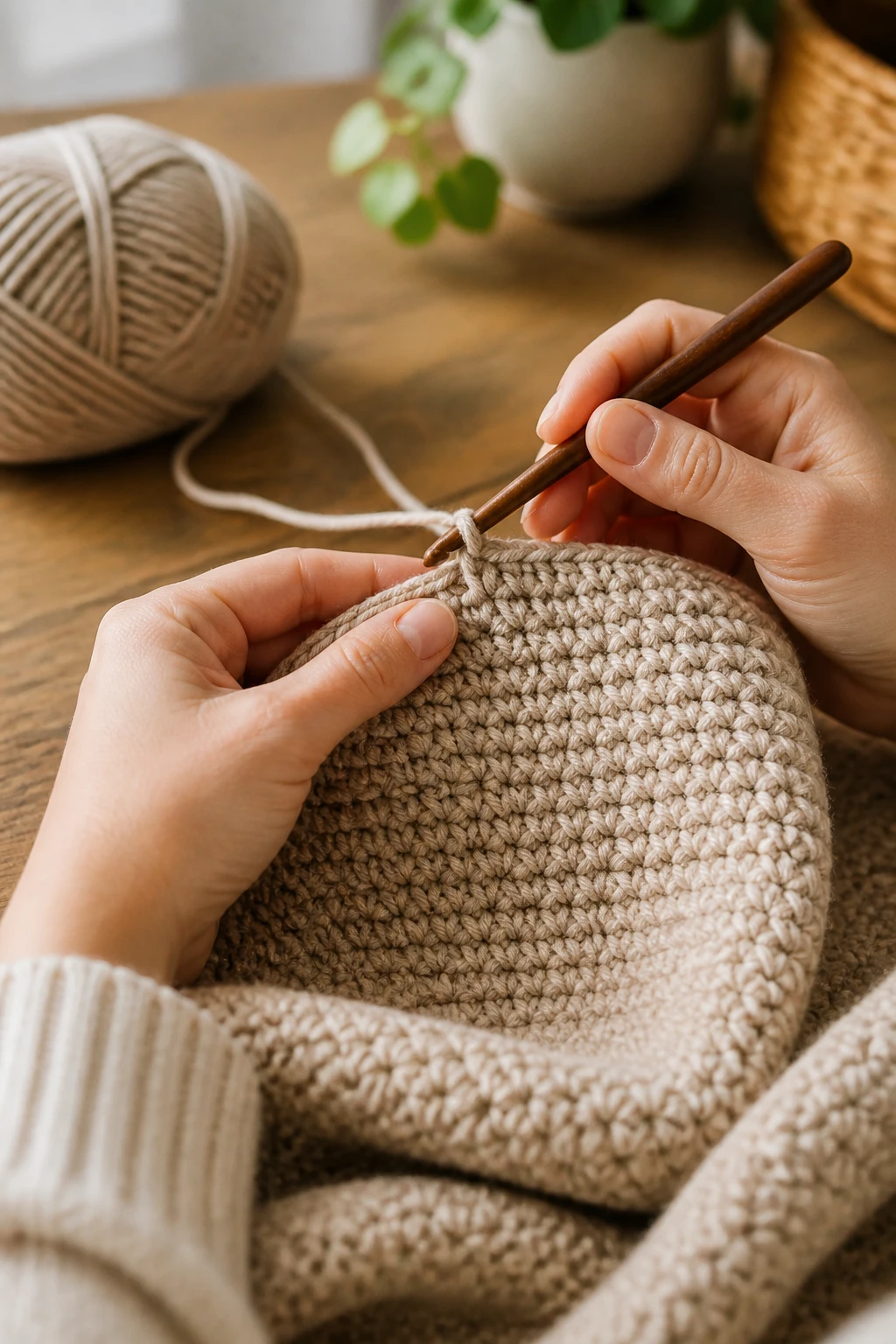
Single crochet is the bread-and-butter of crochet. It’s dense, sturdy, and great for amigurumi, scarves, and cozy blankets alike. It’s also forgiving for beginners who want to see results fast.
Why It Shines
- Strong, tight fabric
- Good stitch definition
- Easy to modify for sizing
Tip: Practice keeping your stitches uniform. Even slight variation shows up in the final piece, and you’ll notice the difference.
3. Half Double Crochet (HDC): A Quick Step Up

Half double crochet strikes a balance between speed and fabric density. It’s perfect for accessories and garments that need a lighter drape than SC but more structure than DC.
Tips
- Fast to learn
- Great for colorwork transitions
- Nice chunkier texture than SC
Use it when you want a project that grows quickly but still looks polished. FYI, your arms will thank you for the speed.
4. Double Crochet (DC): The Crowd Pleaser
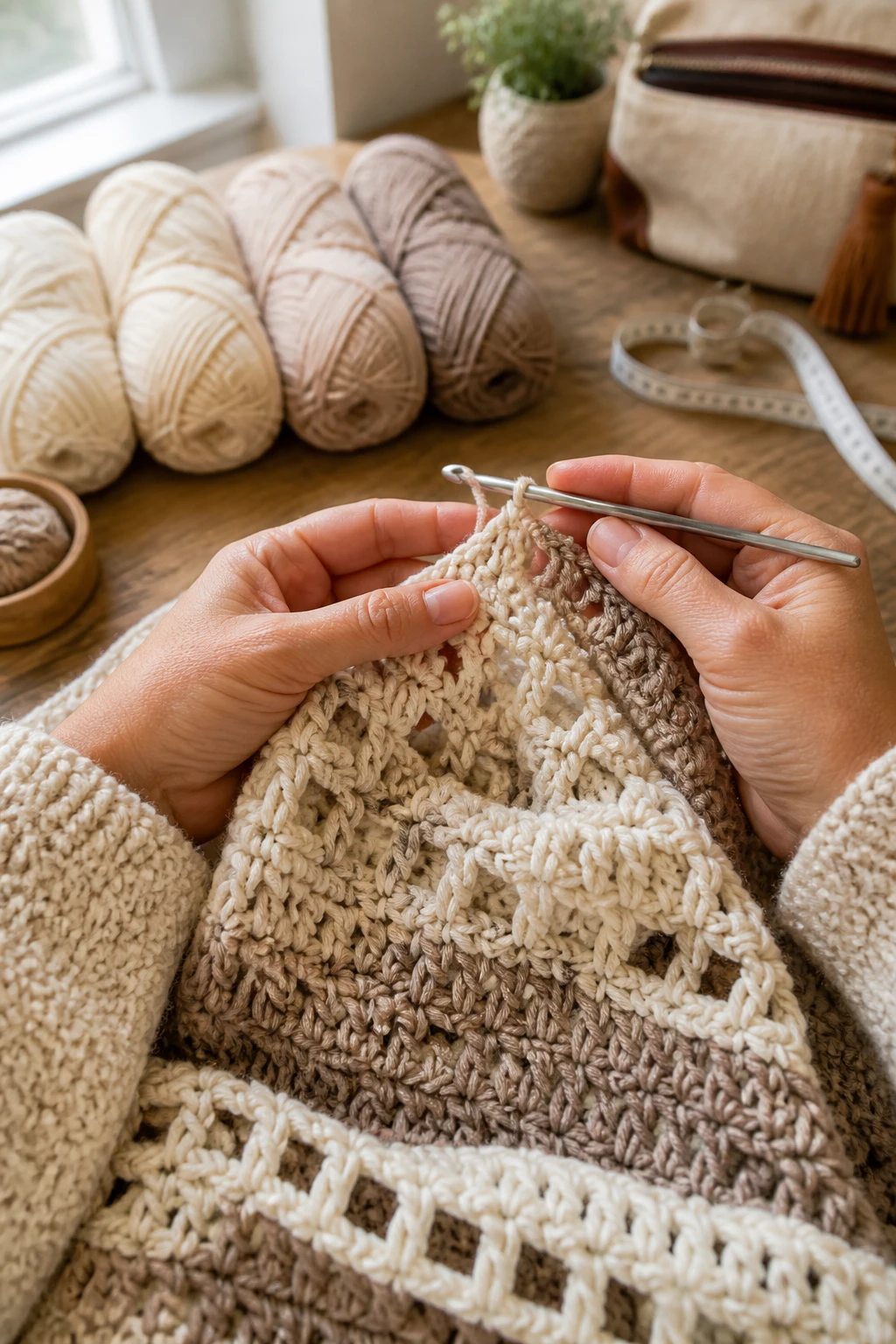
Double crochet gives you a looser fabric with a lot of coverage. It’s the go-to for blankets, shawls, and cozy garments. It’s also a big win for beginners who crave quicker results.
What to Expect
- Faster gauge per row
- Uses less yarn per square inch than SC
- Perfect for lacy textures when combined with chains
When you stitch DC consistently, you’ll see projects come together in rapid-fire style. Trust me, you’ll be hooked.
5. Slip Stitch (SL): The Subtle Connector
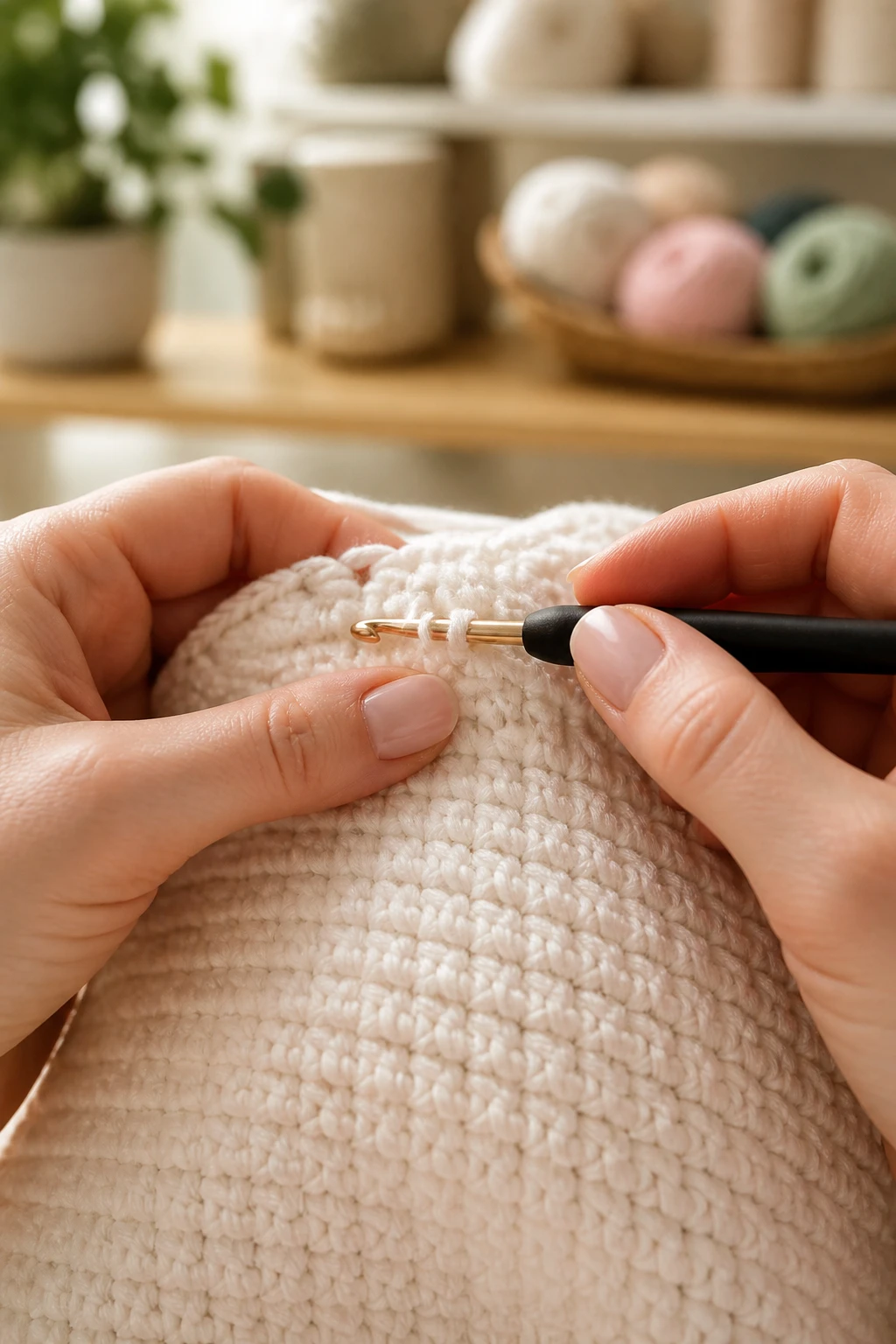
Slip stitch is your quick fix for joining rounds, moving across pieces, or finishing edges. It’s not flashy, but it’s incredibly practical and essential for clean finishes.
Why You’ll Love It
- Smooth joins
- No bulk on edges
- Great for seaming and edging
Use SL to tidy up edges or join pieces without changing your fabric’s texture. Seriously, it saves you from the dreaded bulky seam.
6. Granny Square Basics: The Classic Starter Block

Granny squares are like the crochets of playground building blocks. They’re endlessly versatile and a perfect introduction to motif-based projects. You can mix and match colors for eye-catching results.
What to Know
- Simple cluster stitches
- Relaxed pace, forgiving mistakes
- Endless color combinations
End with a colorful border, and you’ve got a quilt, bag, or wall hanging in no time. It’s a confidence booster in every square.
7. Shell Stitch: Feminine Flair Without Stress
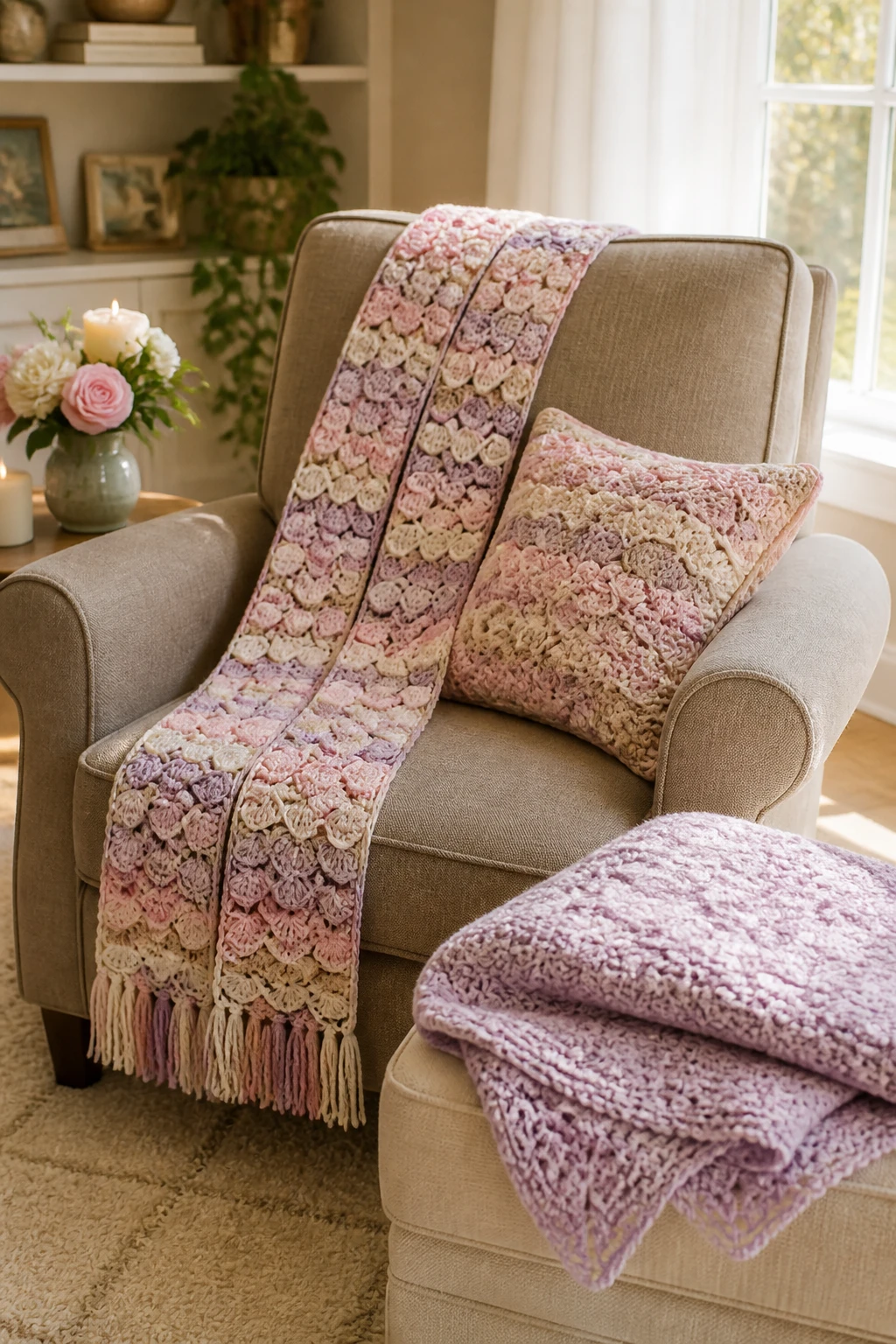
The shell stitch creates beautiful fans of stitches that add texture and movement. It elevates scarves, blankets, and home decor pieces with minimal effort.
Usage Ideas
- Shawls and wraps
- Baby blankets with a delicate look
- Textured pillow covers
Tip: Alternate colors every couple of shells for a playful effect. Your project will look like you spent ages on it, even if you didn’t.
8. V-Stitch: Modern, Open, and Airy
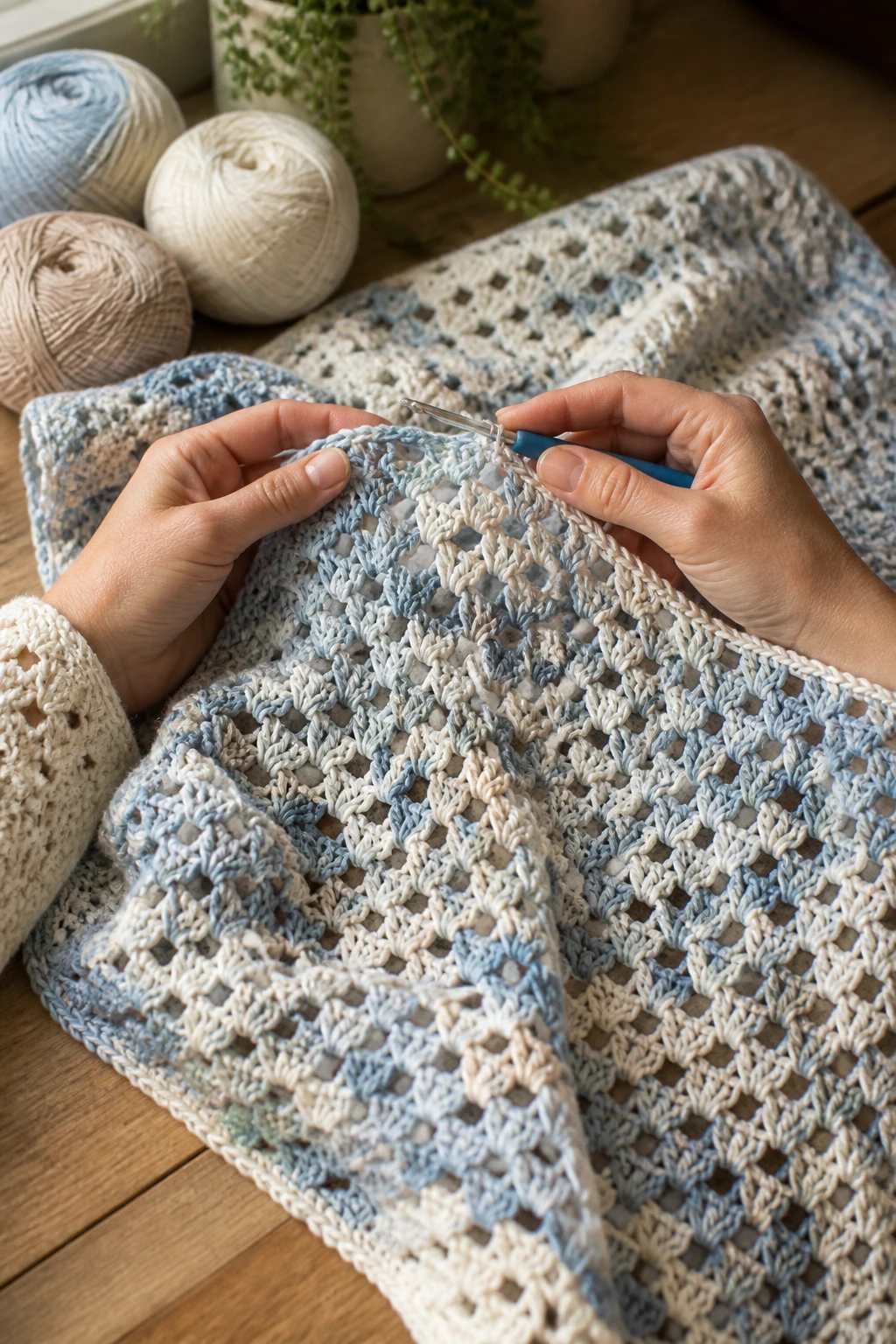
The V-stitch creates a trendy, airy fabric that’s perfect for light blankets and wraps. It strikes a nice balance between openness and fabric coverage.
Notes
- Great for summer layers
- Works well with variegated yarns
- Counts can be a tiny bit tricky at first
Practice the rhythm, and you’ll be hooked on the flow of this stitch. It’s weirdly satisfying to see the Vs align perfectly.
9. Front Post and Back Post Stitches: The Texture Masters
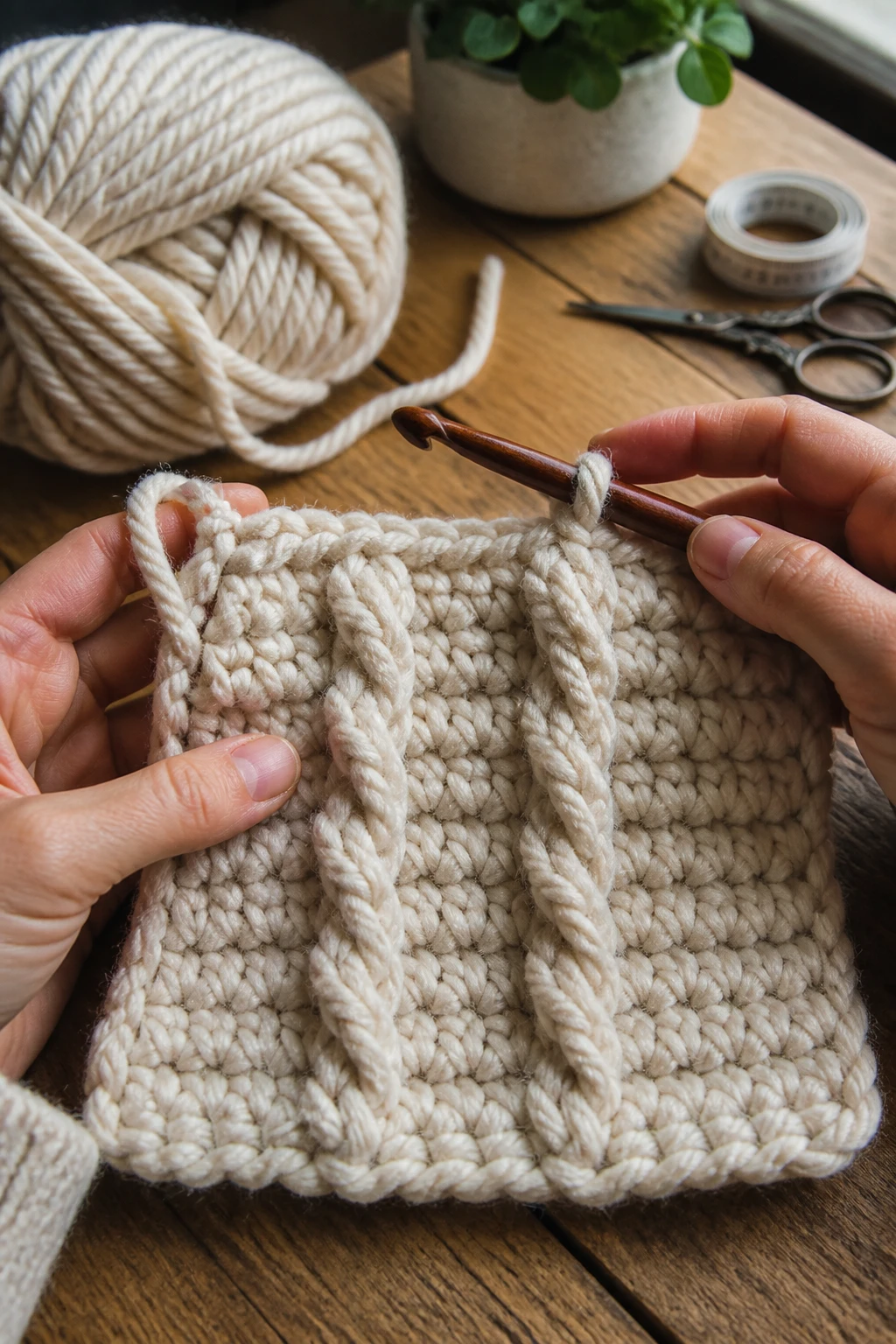
Post stitches add depth and dimension that you just can’t get with regular stitches. They’re the secret sauce for chunky texture, cables, and a touch of drama.
Why Try Them
- Raised textures for sweaters and blankets
- Mock cables without wires
- Impressive texture with minimal effort
Start with simple front post to feel the difference. Soon you’ll wow yourself with the tactile drama.
10. Clusters and Pops: Tiny Tricks, Big Impact

Clusters and popcorn stitches bring delightful little bursts of texture. They’re perfect for accents, borders, and baby projects that beg for a touch of whimsy.
What to Expect
- Fun visual interest
- Close-fitting or airy depending on height
- Great for color pops
FYI, don’t overdo it—one well-placed cluster is better than a crowd of busy stitches. Trust me on this.
11. Herringbone Stitch: Modern, Sleek, and Structured
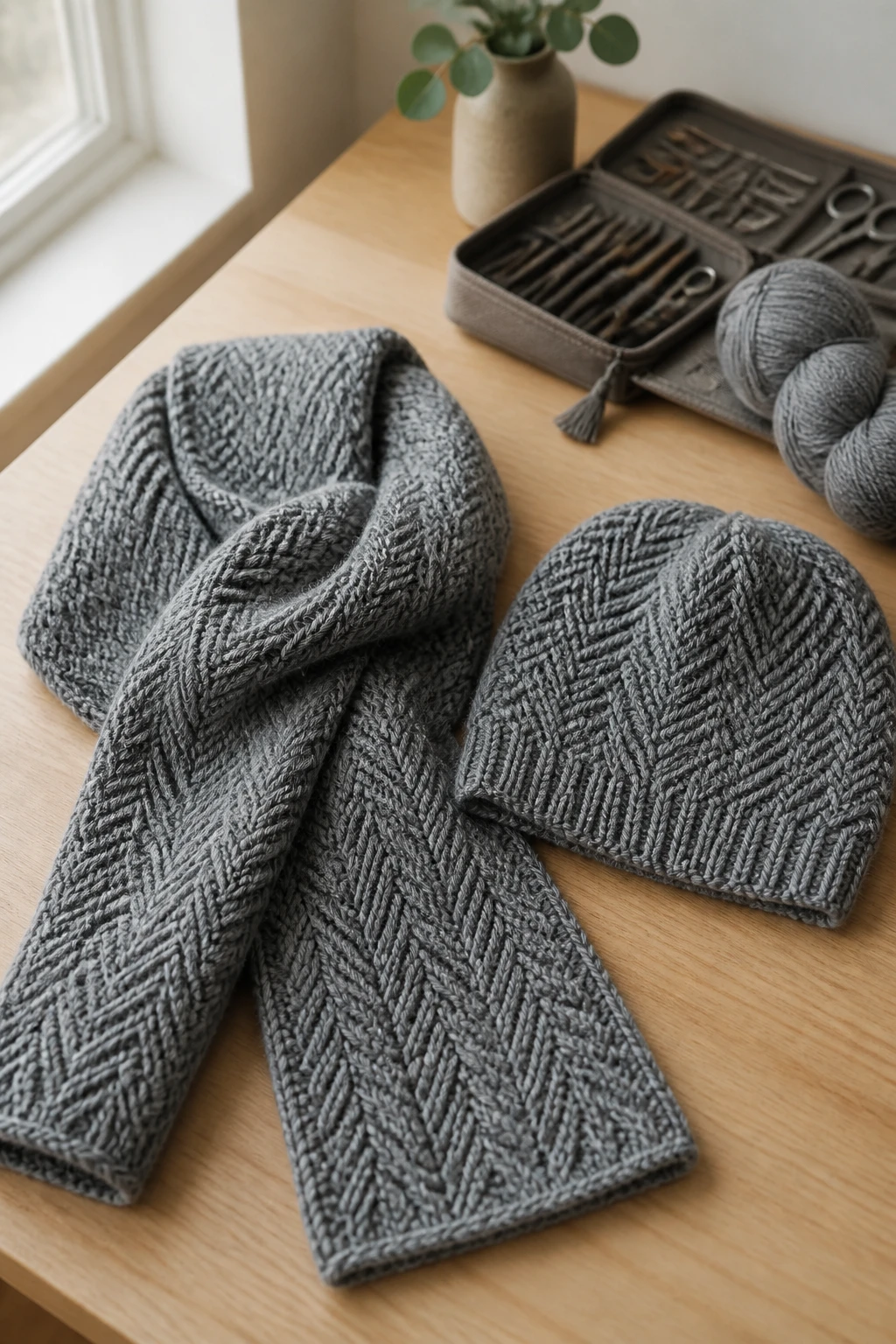
The herringbone stitch has a crisp, architectural vibe. It creates a diagonal, textured look that’s surprisingly forgiving for beginners who want a polished finish.
Perks
- Distinct directional texture
- Excellent for scarves and accessories
- Hides minor tension variations
Use it when you want a project that reads as design-forward without complicated technique. Seriously satisfying.
12. Tunisian Crochet: The Plush Alternative
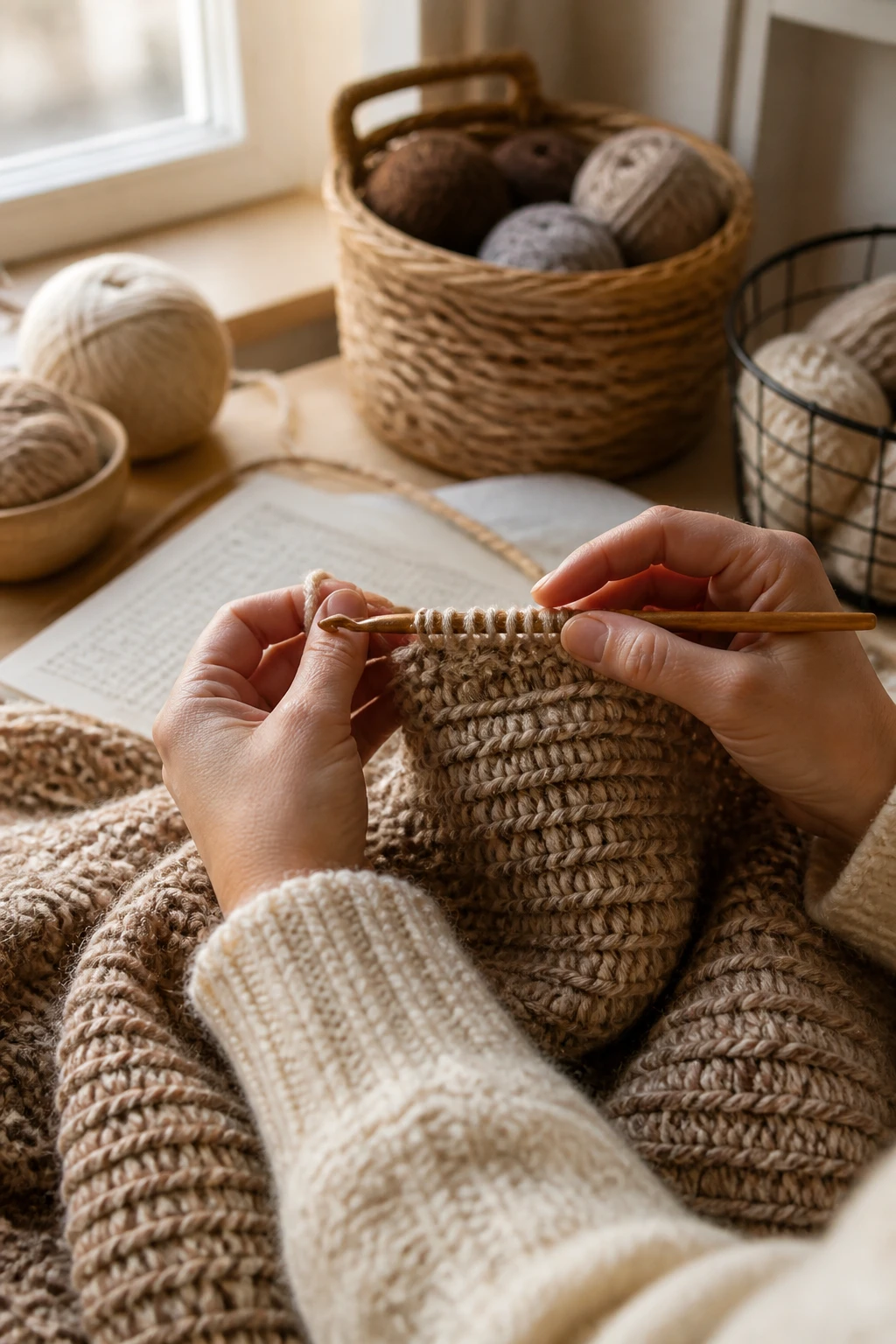
Tunisian crochet feels like magic—the fabric is plush and dense, with a unique stitching rhythm. It’s technically a crochet method, but many beginners find it intuitive after the basics.
Getting Started
- Long hook adds a different motion
- Creates a thick, warm fabric
- Great for blankets and cozy accessories
FYI, give yourself a moment to adjust to the method. Once you groove, you’ll adore the resulting heft.
13. Broomstick Lace: Lightweight Elegance
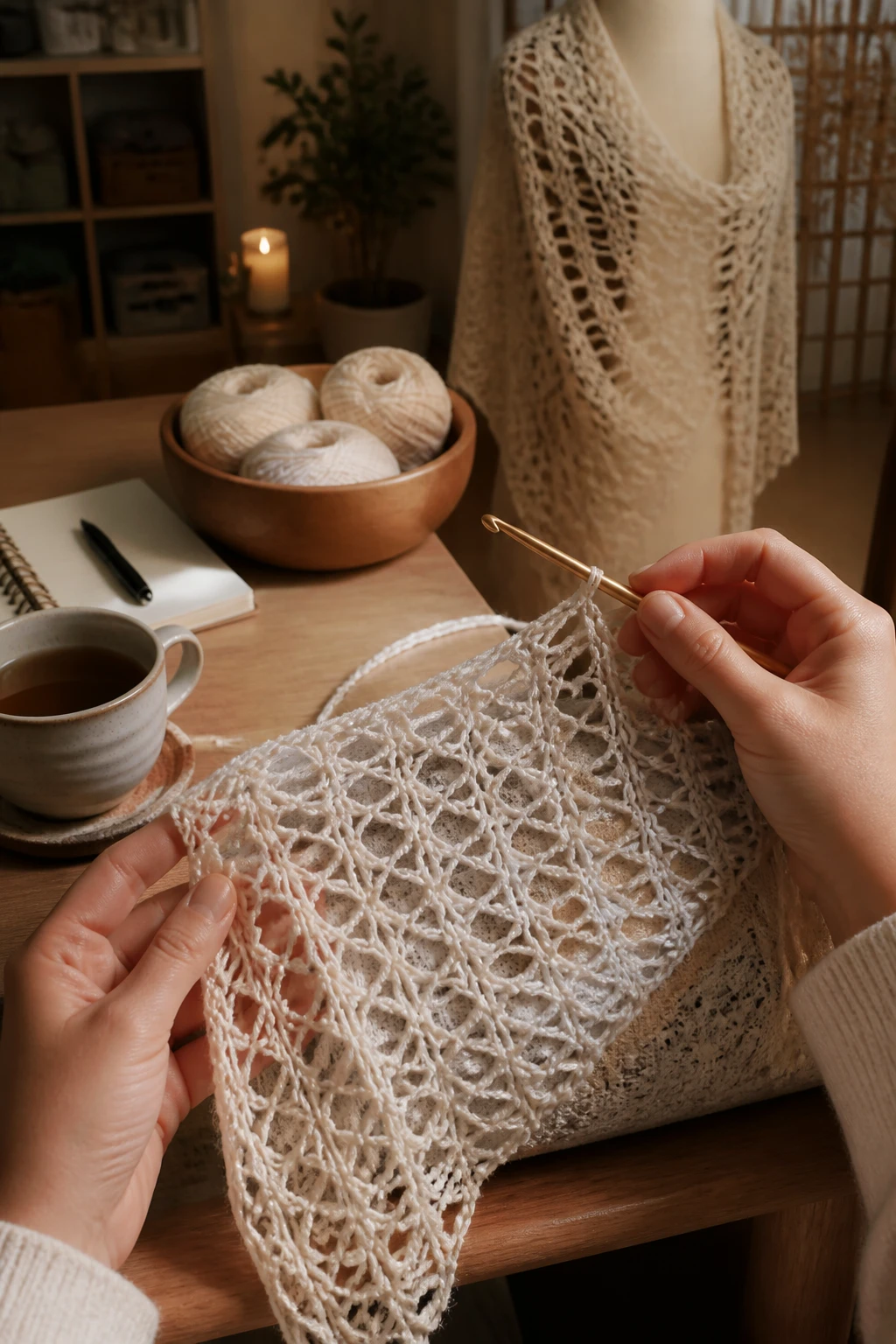
Broomstick lace uses a separate yarn-holding technique to create airy, lacy patterns. It looks advanced but is very approachable with a little patience.
Why It’s Worth It
- Delicate, lacy texture
- Perfect for shawls and wraps
- Impressive finish with minimal stitches
Timeline tip: set aside a calm evening for this one—watch a show, stitch, repeat.
14. Tapestry Crochet: Color Stories on Fabric

Tapestry crochet lets you weave multiple colors into one piece, like painting with yarn. It’s incredibly satisfying for making bold blankets or wall hangings.
What To Expect
- Color blocks and motifs
- Requires a bit more planning, but totally doable
- Great for bold, graphic projects
Start with a simple color plan and you’ll avoid the chaos of stray yarn tails. You’ve got this.
15. Slip Stitch Edging: The Polished Finale

Finish like a pro with a neat slip stitch edging. It tightens, neatens, and gives your project a professional look that makes people ask where you bought it.
Quick Tips
- Helps hide imperfect edges
- Works on blankets, scarves, and bags
- Choose a contrasting or matching color for a pop
Edge care is often the difference between “nice” and “wow.” You’ll love how finished your pieces feel.
Ready to stitch your way through the basics and beyond? These stitches are your backstage pass to faster progress, cleaner finishes, and more confidence. FYI, the more you practice, the more you’ll see how limitless your projects can become.
Happy hooking! Try a simple sampler blanket to practice all 15 stitches, and you’ll be surprised by how much you’ve learned in one weekend. Trust me, you’ll be showing off your craft like a pro in no time.