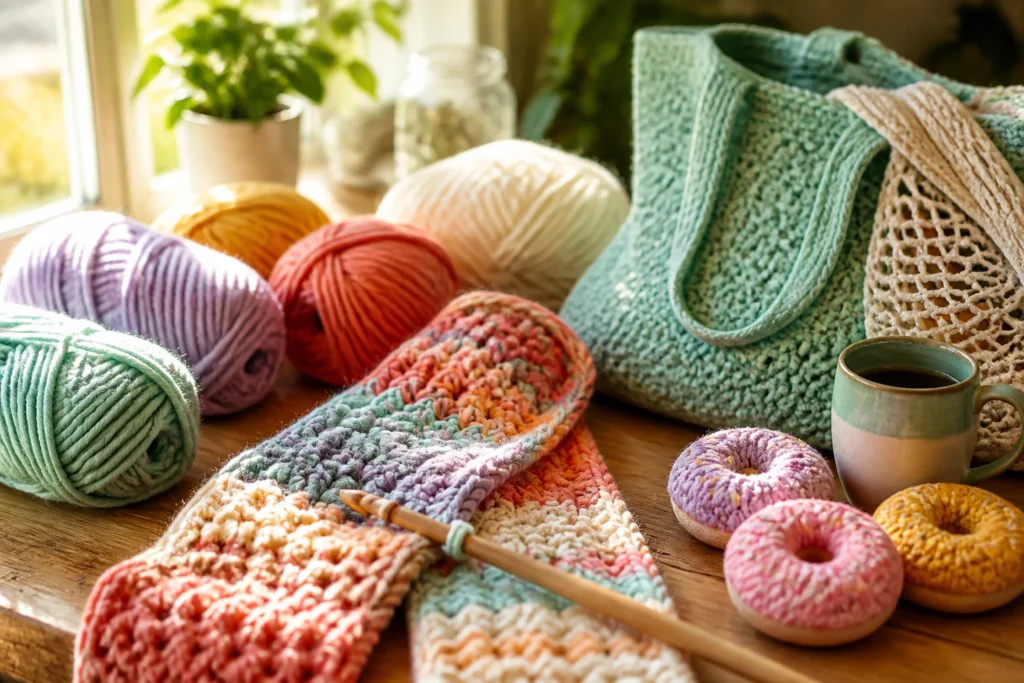
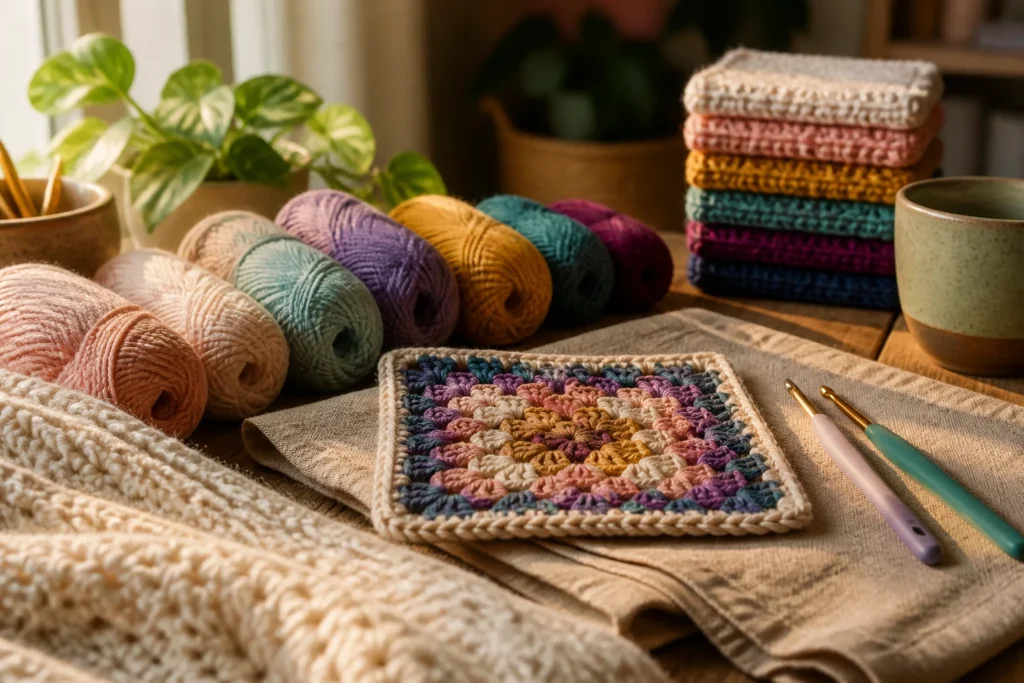
If you want to make daily crochet practice feel exciting, you’re in the right spot. We’re talking bite-size projects, quick wins, and tiny masterpieces you can finish before your coffee gets cold. Let’s skip the fluff and dive into the best crochet projects for daily practice.
Why Daily Crochet Practice Actually Works (And Stays Fun)
Practice sticks when it feels effortless. Short, satisfying projects give you instant wins, not a deadline-induced panic attack. Plus, tiny projects mean you can test a new stitch or yarn without committing your life to it. FYI, consistency beats marathon sessions any day.
1) Cozy Scrappy Stitch Sampler Blanket
This one sounds ambitious, but it’s perfect for daily sessions. You can tackle a single square a day and watch your blanket grow into something big and cozy.
– What you’ll get:
- Mastery of several basic stitches in one place
- Experimentation with color combos and yarn weights
- A tangible, comforting finish you can actually use
Design tips for daily success
– Keep squares small (4×4 inches is plenty) so you finish quickly.
– Pick a manageable color palette. Too many shades = decision fatigue.
– Save one “wild” square for the end to spice things up.
2) Quick-Strip Dishcloths and Washcloths
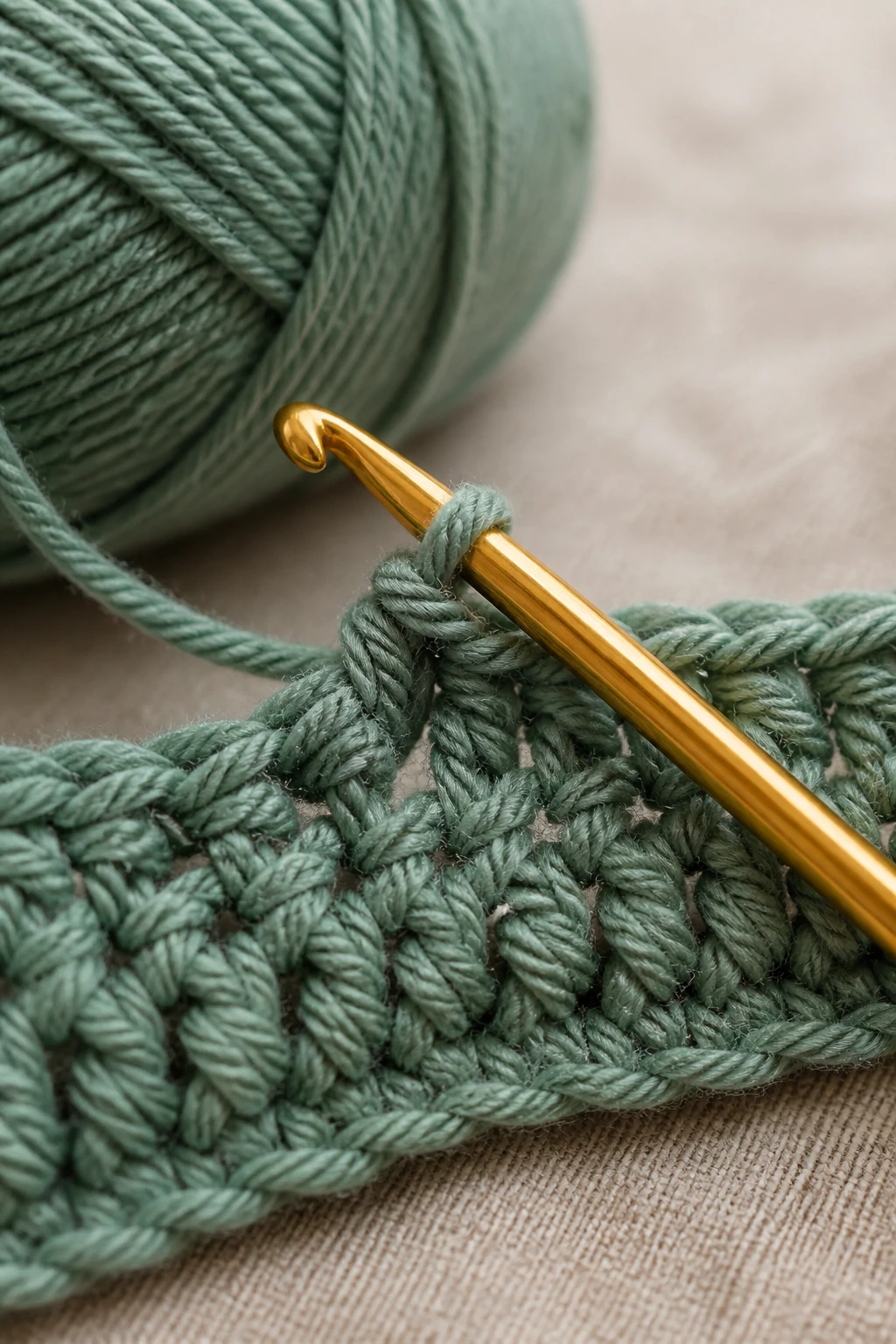
These are classic daily practice projects for a reason. They’re practical, fast, and forgiving if you drop a stitch or two. You’ll get comfy with tension, stitch consistency, and edge control.
– Why they shine:
- Low yarn cost, high payoff
- Perfect for learning basic stitch patterns like half double crochet or filet work
- Goes through the wash—literally—so you’ll see results quickly
Speedy-edge technique
– Use a consistent turning chain to keep edges neat.
– Block lightly to even out stitches, but don’t oversoak delicate yarns.
– Try different stitch patterns on succeeding cloths to build muscle memory.
3) Everyday Grocery Tote or Market Bag
Yes, you can crochet something useful that isn’t a scarf. A sturdy tote teaches you tension, increases, and sturdy handles, all in a compact, useful form.
– What to expect:
- Built-in motivation: you’ll use it daily
- Hands-on practice with gauge and sizing
- Durable stitches that stand up to a real-world haul
Make it last
– Choose a cotton or cotton-blend for durability.
– Double up the handles or add reinforced stitches where the bag will bear weight.
– If you’re new to increases, practice on a separate swatch first.
4) Adorable Amigurumi Minis
Tiny, cute, and utterly addictive. Amigurumi minis let you practice shaping, color changes, and tight stuffing in short, repeatable bursts.
– Pros:
- Instant gratification: tiny creatures, big smiles
- Experiment with facial expressions and stitch density
- Perfect gift-size projects to share good vibes
How to keep it approachable
– Go for small bodies first, without complicated limbs.
– Use a stuffing that’s easy to distribute; a bit of white cotton is great for practice.
– Switch color rounds to practice changing yarns mid-project.
5) Rug-Sized Yet Friendly: Mini Floor Mats

Rugs are intimidating—unless you break them into daily, bite-sized steps. A small doormat or bathroom mat can be your daily practice canvas while delivering serious home-friendliness.
– Why it’s great:
- Visible progress every day
- Wide range of stitch patterns to choose from
- Durable enough for real use, but forgiving for beginners
Stitch options to try
– Moss stitch for texture and resilience
– Basket weave for thickness and a structured look
– Slip stitch edging for a clean, tidy border
6) Headbands, Cowls, and Small Accessories
Accessories are the fast-track to quick wins. A headband, a slouchy beanie, or a cowl can be whipped up in a couple of sessions and still feel polished.
– Perks:
- Low commitment with high style payoff
- Works well with gradient yarns or self-striping yarns
- Fits into nearly any weather or mood—practical and fun
Accessor tricks
– For headbands, measure around your head and add a little ease. You’ll thank yourself later.
– When making cowls, consider reversible colorwork so you can switch looks without reworking the pattern.
– Use stretchy stitches like half double crochet or front post/back post stitches for a comfy fit.
7) Simple Garments: Lightweight Tee or Shrug (Beginner-Friendly)
If you’ve got a few weeks of consistent practice under your belt, a simple garment is a fantastic next step. Nothing too fancy—just something you can wear, brag about, and actually finish.
– Why start here:
- Boosts your confidence with real garment-making
- Teaches gauge, fit, and basic shaping
- Ties your practice to daily wear rather than just décor
Getting started without the overwhelm
– Choose easy shapes: a straight tee or a loose cardigan with minimal shaping.
– Use simpler stitches for the body and reserve texture for accents.
– Make swatches to check gauge; it saves you from a late-night panic.
How to Structure Your Daily Practice (Without Feeling Bogged Down)

If you’re yawning at the thought of a “practice plan,” fear not. Here’s a no-stress method to keep daily crochet fun and effective.
- Pick one “focus” project per week
- Commit to 15–30 minutes a day, no excuses
- Rotate through a small project, a mid-size one, and a tiny one for balance
- Track wins visually (photos or a quick journal entry)
Materials That Make Daily Practice Sweet
Choosing the right yarn and hook can turn a chore into a joyride. Here are quick tips to keep things frictionless.
- Yarn: Start with worsted weight (DK or bulky) if you’re a beginner. It’s forgiving and quick to see progress.
- Hooks: Have a few sizes handy and mark your favorite grip. Ergonomic handles help your hands survive longer sessions.
- Needles and notions: Snips, stitch markers, a measuring tape, and a blocking mat make a huge difference in daily results.
Common Pitfalls (And How to Zoom Past Them)
We’ve all been there: dropped stitches, wonky edges, the guilt of starting a new project before finishing the last. Here’s how to dodge the drama.
– Pitfall: Forgetting to check gauge
Gauge matters, friend
– Quick fix: Crochet a 4×4 inch swatch for each new project and compare your tension to the pattern. If you’re off, adjust hook size and try again.
– Pitfall: Too many wips
One at a time, hero
– Choose a “daily” project that you can finish in under a week. It keeps momentum without overwhelm.
– Pitfall: Edge frustration
Edges don’t have to be scary
– Maintain a consistent turning chain. Practice a few edge rows on a swatch to train your eye.
– Pitfall: Yarn or hook fatigue
Switch it up, wisely
– If a yarn feels stiff or slippery, take a break and try something else. Your hands will thank you.
FAQ
Do I need to follow patterns exactly, or can I improvise?
Crochet is a fantastic playground for both. Start with patterns to learn techniques, then gradually improvise by changing colors, stitch counts, or adding decorative elements. IMO, improvisation is where the real fun happens.
What if I mess up a lot? How do I stay motivated?
Messing up is part of learning. Treat each mistake as a mini lesson. Take photos of the misstep to review later, then rework it with a fresh approach. FYI, progress looks messy at first but stacks up fast.
How long should I work on a daily project?
Aim for 15–30 minutes if you’re a beginner. As your stamina grows, you can stretch to 45 minutes. The goal is consistency, not marathon marathons of crochet.
Which projects are best for absolute beginners?
Dishcloths, simple scarves, and basic beanies are great starters. They teach tension, basic stitches, and shaping without overwhelming you.
How do I choose colors for daily practice?
Start with a small palette (2–4 colors). Neutral bases with a pop color work well. If you’re daring, pick a gradient or self-striping yarn to keep things visually interesting without extra color decisions.
Conclusion
Daily crochet practice doesn’t have to feel like homework. It should feel like a friendly chat with a project you actually want to pick up. Start with small, useful, or utterly adorable wins, and let yourself switch between quick hits and slightly longer projects as your schedule allows. IMO, the best projects are the ones you finish and actually use or gift. So grab a hook, pick a project from this list, and let your daily routine turn into a colorful, cozy habit. Happy crocheting!