It’s amazing how a simple skein of yarn can become a plan, a promise, and finally a cozy finish. If your crochet hook is itching for a quick project, but your brain keeps free-styling into “but what should I actually make first?” you’re in the right place. We’re building a quick crochet project queue—fast, practical, and totally doable in a weekend or even a lazy afternoon.
Why a Project Queue Actually Helps (Spoiler: It’s not just organization)
Ever start a project, hit a snag, and end up wadding more unfinished scarves than you signed up for? A well-curated queue acts like a map for your creativity. You know what to pick, when to pick it, and why it matters.
– You dodge decision fatigue: pick one project, not ten. Your brain will thank you.
– You move faster: prep, hook, yarn, repeat—no wasted trips to the yarn stash.
– You get momentum: every finish is a tiny victory that fuels the next one.
If you’re already overwhelmed by the “pile of projects” in your head, take a breath. We’ll build a queue that feels doable, not intimidating.
Assess Your Space and Your Speed
First things first: what’s your reality right now? Let’s tailor your queue to your actual life, not some mythical crochet paradise.
– Time you realistically have per week: 2 evenings? 3 lunch breaks? Write it down.
– Yarn stash reality: how much do you actually want to use soon? Tiny scraps count.
– Skill level and comfort: what stitches do you love, and which ones make you groan?
- Set a weekly cap: e.g., 6 hours total or 2 small projects.
- Choose a “streak” project: something you can do in one sitting to feel immediate progress.
- Leave a little buffer: 1 “wildcard” project in case you finish faster or feel extra creative.
If you’re not sure how long a project will take, timebox a tiny swatch or a mini scarf. You’ll budget more accurately next week.
Pick 5 Quick-Completing Projects (That Actually Spark Joy)
The core of a solid queue is variety that still feels fast. Think: small, useful, and fun. Here are categories and example ideas to get you started.
– Quick accessories: dishcloths, coasters, headbands, or coffee cup sleeves.
– Mini decor: mandala coasters, wall hangings with a single motif, plant pot cozies.
– Practical goodies: market bags, tote liners, crochet hooks covers, cable organizers.
– Personal pamper: bath scrubbies, exfoliating cloths, facial rounds.
- Dishcloths or washcloths (fast to finish, satisfying to use).
- Coasters (tiny, cute, easy to customize for seasons or colors).
- Headbands or wrist warmers (quick stitches, high payoff).
- Plant pot cozies (cute, decorative, and endlessly giftable).
- Mini mandalas (great for colorwork practice and instant gratification).
If you’re itching to try something new, slot one “challenge” project in there. It should still be doable and not derail your entire week.
Structure Your Work Sessions for Maximum Momentum
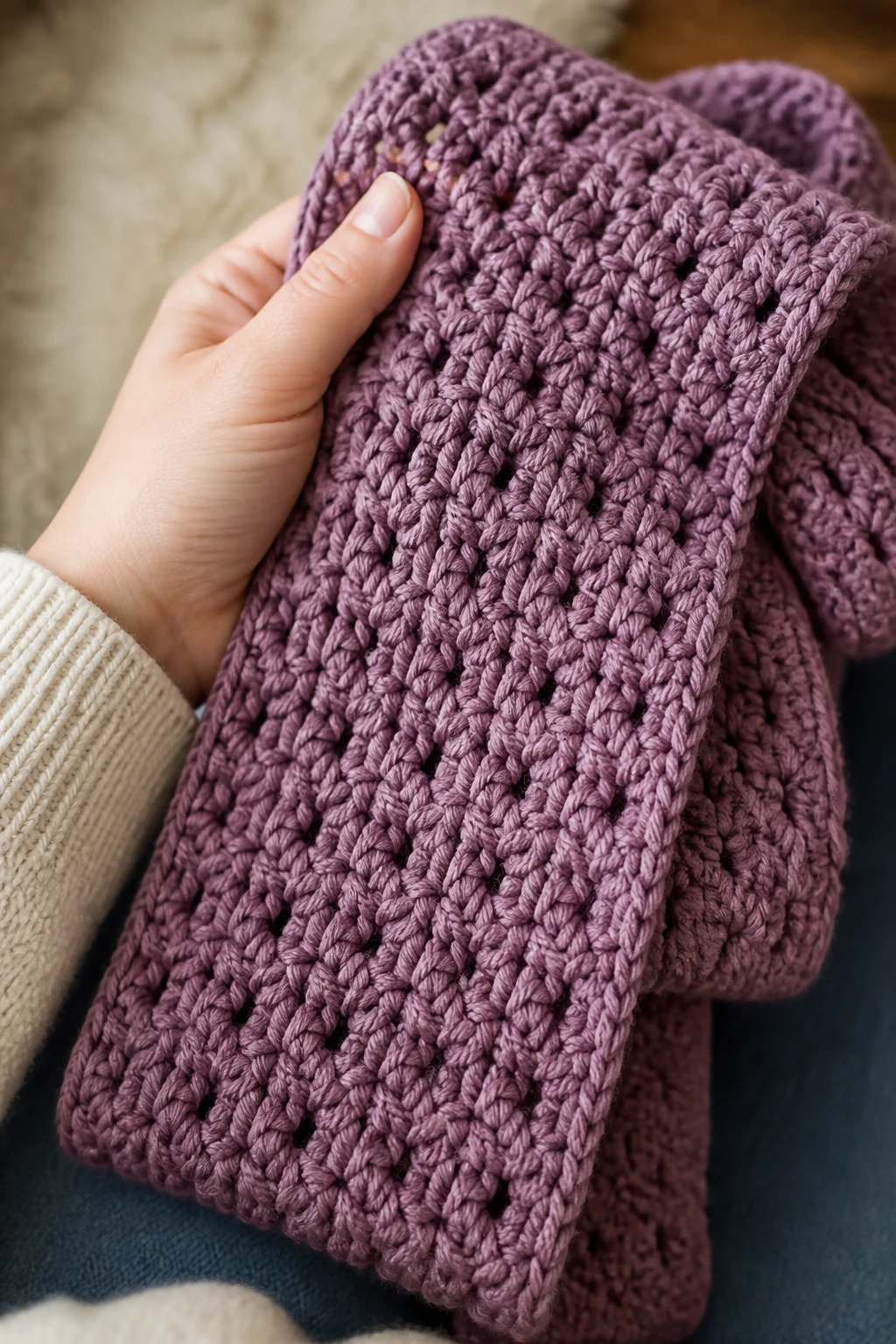
Here’s the trick: your queue should feel like a playlist, not a marathon. Build sessions that start strong, keep momentum, and end with a satisfying close.
– Start with a warm-up project: something you know inside out to get your hands moving.
– Have a “palette cleanse” activity: switch colors or stitch types to keep things fresh.
– End with a tiny win: a nearly finished piece or a clean row that signals progress.
Tips to keep sessions short and sweet
- Set a timer for 25–40 minutes, then take a 5–10 minute break. Pomodoro for crochet, why not?
- Prep your materials in advance: yarn, hook size, scissors, tapestry needle all in one spot.
- Use a repeatable pattern for the bulk of your queue. Fewer decisions = faster finishes.
How to Choose Projects That Don’t Drag You Down
Your queue should feel motivating, not like a punishment. Here’s how to avoid the dreaded “project regret” after the first row.
– Favor patterns you’ve pinned before: you know the rhythm, you know the mistakes to avoid.
– Favor simple color palettes: 2–3 colors max for most small projects. It costs less mental energy to switch colors.
– Pick materials you actually enjoy: cotton for dishcloths, acrylic for amigurumi, etc.
Subsection: Color Theory on a Budget
Keep it simple
Color choices matter more than you think. You don’t need a rainbow to make a stunning piece.
– Pick a dominant color and one accent.
– Use neutrals for the rest so you can re-use scraps later.
– Save “fun” colors for small accents, not large surfaces.
Swatch and Save
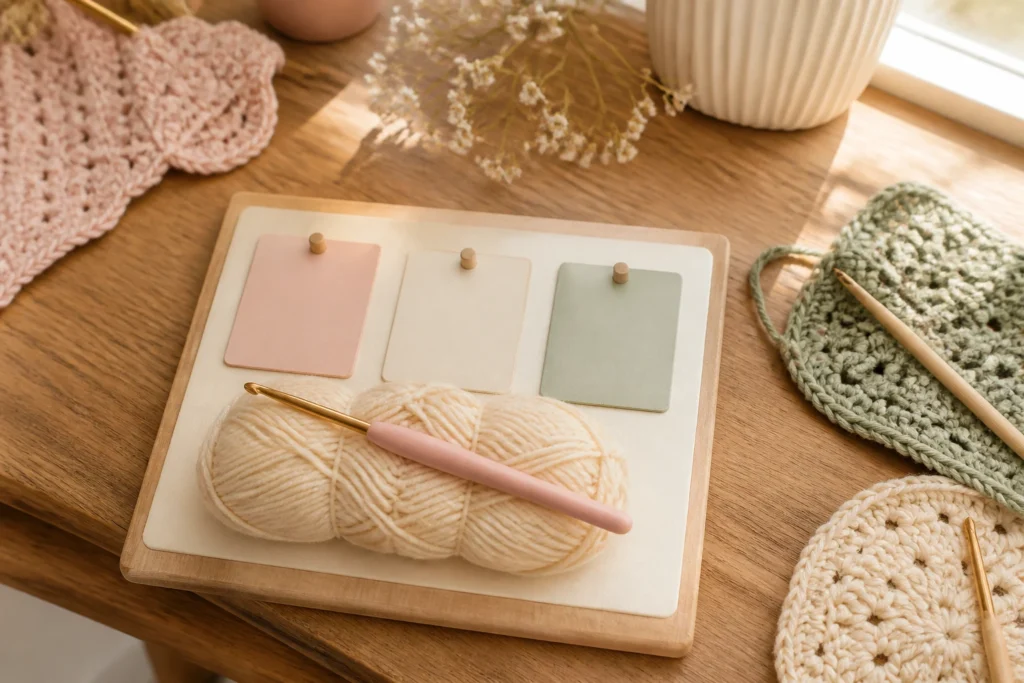
Swatching isn’t just for sweaters. Create tiny swatches for your top 3 color combos. It helps you see how hues behave in your lighting and under fatigue.
Build a Flexible, Replaceable List
A queue should bend with your life. Some weeks you’ll sprint; others you’ll crawl. Build a system that’s flexible and forgiving.
– Create a living list: add, remove, or re-order as needed.
– Prioritize projects by urgency or event: gift-giving season, birthdays, housewarming.
– Maintain a “soon/soon-ish/don’t” section to prevent overload.
- Soon: finish this week or next.
- Soon-ish: 1–2 weeks out, still comfy.
- Don’t: projects that drain you or require a long haul.
Deep Dive: Handling a Color Swap, Without Tears
Color swaps can be a tiny drama when you’re in the middle of a project. Here’s a no-drama way to approach it.
- Keep a “color-change” note in your project: jot down the new colorway and where you switched.
- Test with a small swatch first to confirm stitch tension and color behavior.
- Enter the new color with confidence: cut carefully, avoid frayed ends, and weave in cleanly later.
How to Use the Queue for Gifting and Group Projects
Crochet can be an incredible gift craft. A well-managed queue makes gifting painless and even fun.
– Create a “gift pool” with 2–3 ready-to-go small items.
– Keep a running list of recipients and preferred colors or sizes.
– Consider a rotating group project with friends or family: each person adds a small piece to a larger item.
- Dishcloths for neighbors during holidays.
- Cozy cup sleeves for book club friends.
- Mini mandalas as collective wall art for a shared space.
Maintenance: Keeping Your Queue Fresh
A stale queue is the fastest way to lose motivation. Here’s how to keep it lively without overhauling it every week.
– Set a quarterly refresh ritual: reassess, retire, and replace 1–2 items.
– Track what you actually finish vs. what stays stuck. Adjust accordingly.
– Add “wildcard” projects sparingly, for those times you’re feeling brave.
- Retire: a project you never finish after a month or two.
- Replace: swap in something you’re excited about now.
- Refresh: tweak color palettes or stitches to reignite interest.
FAQ
1. How many items should be in my quick crochet queue?
Aim for 5–7 items total. That’s enough variety to stay inspired without becoming a juggling act. You want a mix of 1 “streak” project, 2-3 quick wins, and 1-2 optional or wildcard items you can pull from when you have more energy.
2. What if I’m a slow crocheter? Will a queue still help?
Absolutely. A queue gives you a clear stopping point and reduces indecision. If slow is your pace, pick larger but still finishable items and pair them with several tiny, fast wins to keep momentum.
3. How do I keep color choices from driving me crazy?
Limit to 2–3 colors per project. Create a small color palette board in your notes or a photo album. Keep neutrals handy so you can swap colors later without rethinking the whole project.
4. Should I force myself to finish every item in the queue?
Nope. If a project stops sparking joy or runs long, move it to a “later” shelf or retire it. Your queue should feel energizing, not guilt-inducing.
5. How do I incorporate gift ideas without spoilers?
Label gifts as “gift-ready” or “in progress.” Use generic patterns for gifts, then swap in personalized colors or embellishments when you’re ready to deliver. It keeps the surprise intact and your timeline intact.
6. Can I mix both crochet and a few small knit pieces in a single queue?
Sure, but keep it simple. If you want a mixed media queue, designate a project for crochet and a separate short-term knit project. It’s still a queue—just with two flavors.
Conclusion
Creating a quick crochet project queue isn’t about forcing yourself into submission. It’s about giving your creativity a friendly map, a few signposts, and a guarantee that you’ll actually finish something you’ll use, gift, or treasure. With a handful of fast, satisfying projects, you’ll build momentum that makes every hook-pick feel like a small, joy-filled win.
So start small: sketch out your week, pick five easy wins, and line them up like a playlist you want to replay. FYI, the moment you finish that first dishcloth or coaster and step back to admire your handiwork, you’ll believe in the power of a good queue again. And if you’ve got a friend who’s always stuck in project purgatory, share this plan with them—a little accountability goes a long way.
Happy hooking, friend. Now choose your first two items and get stitching.