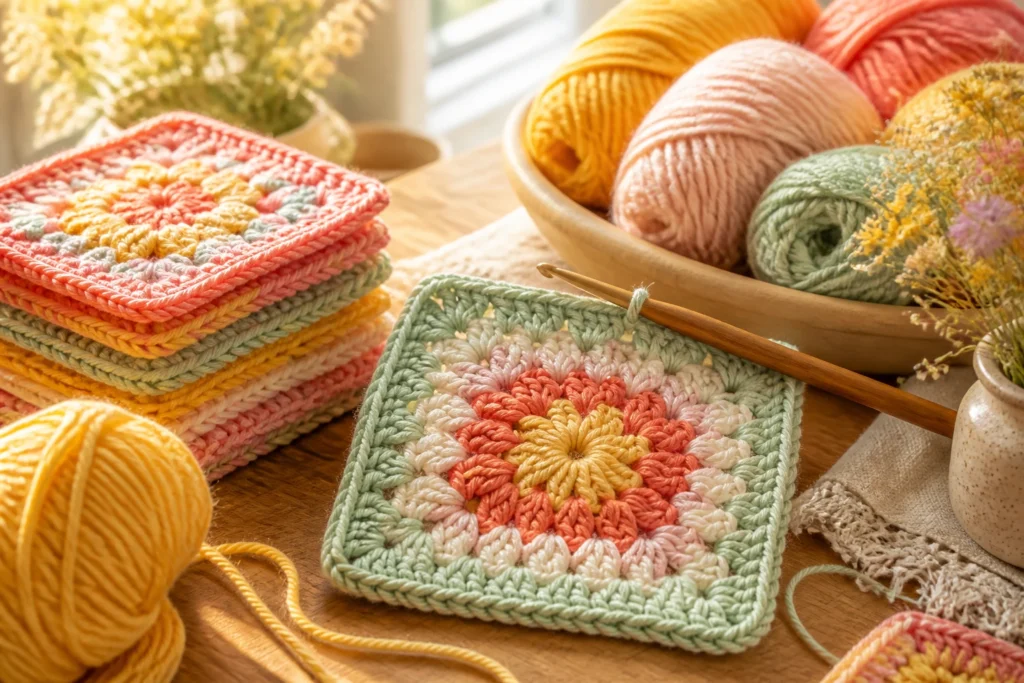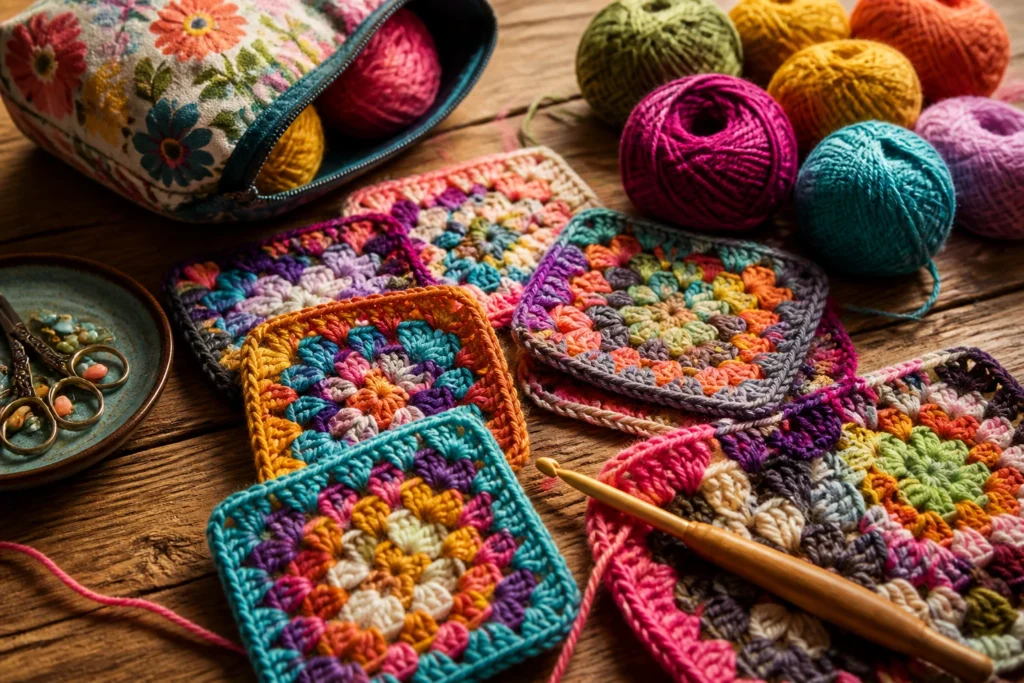

The big question every granny square aficionado asks: what yarn makes this cozy square sing? If you’ve ever chased the perfect blend of softness, stitch definition, and color pop, you know it’s more than just a wool versus acrylic debate. It’s about mood, project goals, and a little bit of yarn nymph magic. Grab a cuppa and let’s dive into the best yarns for granny squares.
Choosing your vibe: what you actually want from a granny square yarn
Granny squares set the tone for your entire project. Do you crave a cushiony blanket you can hug? Or a throw that stays sturdy through every tumble of life? Your answer shapes your yarn pick. Here are the core vibes to consider:
- Soft and cuddly: Think baby-soft acrylics or blends that feel like a warm hug.
- Structure and durability: A sturdier wool blend that holds its shape after washing.
- Colorways and fade: You want a palette that sings across squares or glides into a gentle gradient.
- Beginner-friendly: Easy care, forgiving stitches, tons of color options.
- Budget-friendly: Quality that doesn’t break the bank, because we crochet a lot.
If you can answer those five questions quickly, you’re already halfway to your optimal yarn. FYI, there’s no one-size-fits-all here—your best yarn is the one that matches your vibe and project needs.
Best all-around yarns for granny squares
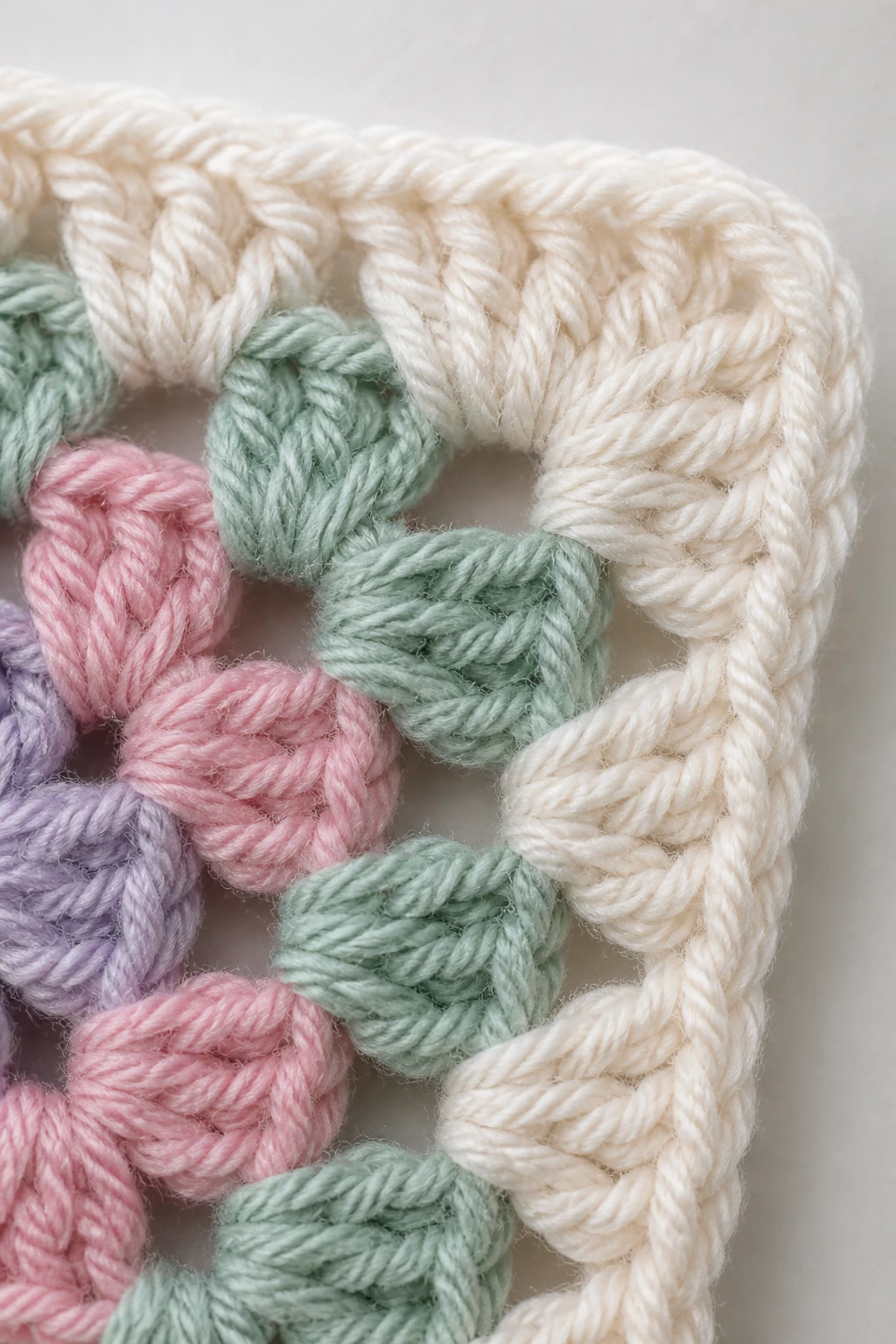
These picks are reliable, versatile, and friendly to most yarn-eating squares. They balance softness, durability, and ease of care.
1. Acrylic blends that feel like a dream
Acrylic blends rule the roost for beginners and busy makers. They’re affordable, colorfast, and washable. Look for:
- Soft angora-like blends or anti-pilling formulas
- Medium twist for good stitch definition
- Matchy-matchy colorways for big projects
Why I love them: you can toss granny squares in the washing machine without a worry. If you spill tea on your masterpiece, you won’t cry about it. IMO, acrylic blends are the “get-it-done” heroes of crochet.
2. Cotton for summer-weight warmth and drape
Cotton delivers excellent stitch definition and a crisp look. It’s perfect for afghans that lie flat and drape nicely.
- Choose a cotton blend with a touch of acrylic or silk for softness
- Look for mercerized cotton for shine and durability
- Be mindful of weight; DK or sport weight works well for granny squares
Pros: breathable, easy to block, and great colorwork. Cons: can be stiff out of the washing machine if you go pure cotton.
3. Wool and wool blends for cozy texture
Wool adds warmth and a lovely bounce. It ferociously blocks into neat squares, and felts nicely if you’re into that vibe (just a heads up if you’re aiming for specific measurements).
- Merino blends soften up without sacrificing spring
- Worsted weight gives sturdy squares that bloom when you block
- Low-pilling blends save you from an extra scroll through the lint roller
Note: if you’re crochet-alonging with friends, check the wash care. Some wool blends require hand washing, which may or may not fit your lifestyle.
Texture and stitch definition: how to pick for crisp granny squares
Crisp squares need yarns with the right twist and fiber content. Here’s how to snag that perfect look without pulling your hair out.
What makes stitch definition pop?
- Twist level: too twisty and your stitches grip too hard; not twisty enough and you lose definition.
- Fiber length: longer fibers tend to separate less, giving cleaner V-stitches and corners.
- Weight consistency: no thin spots means uniform squares across the entire blanket.
Tip: If you’re chasing pops of color in a granny square blanket, a high-contrast color wheel helps every square shine.
Block or don’t block? That choice changes everything
Block to shape and even out your squares, especially with wool or cotton blends. Blocking makes a big difference in how your finished piece lies and feels.
- Blocking mats are worth their weight in gold for large blankets
- A light spray with water and gentle tug usually does the trick
- Some fibers block better than others—check fiber care before you dive in
If you skip blocking, expect a slight waver in your edges. Not a disaster, but it isn’t optimal.
Colorways and dye effects: making your squares sing together
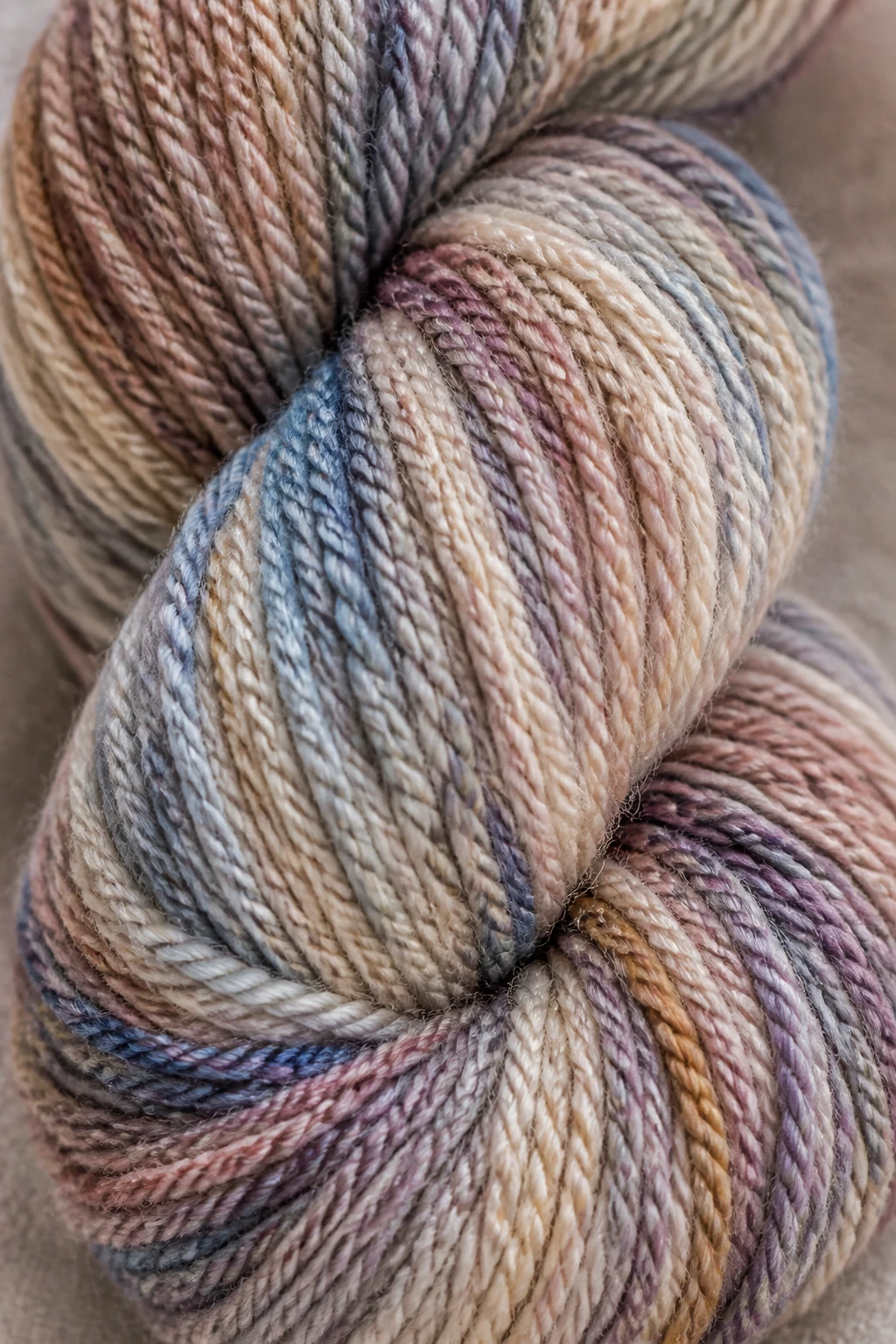
Color is a huge part of the granny square magic. You don’t just want pretty; you want harmonious and bold. Here’s how to navigate color in your yarn choices.
Solid colors vs. self-striping vs.variegated
- Solid colors: classic, predictable, great for color blocking and gradient setups.
- Self-striping: instant color drama without extra work—perfect for large squares that you’ll join later.
- Variegated: wild, joyful chaos that can clash if you’re not careful—balance with solid granny squares.
Pro move: pair a variegated option with solids to keep the color drama under control.
Colorfast and fade resistance
Sunlight and washing can fade colors, especially with cheaper dyes. If you want a blanket that still looks bold after years:
- Invest in reputable brands with strong colorfast credentials
- Avoid dramatic color changes with low-grade dyes in high-use spaces
- Pre-wash swatches if you’re mixing brands to ensure a cohesive palette
FYI: color matching is part science, part luck. Don’t be afraid to test a small sample before you commit to a whole project.
Care, maintenance, and long-term love
Your granny square deserves a long, healthy life. Care decisions affect texture, color, and how many years your blanket will keep you warm when the weather refuses to cooperate.
Washing and drying: what actually works
- Acrylics: machine wash cold, tumble dry low or air dry
- Cotton: machine wash cold to warm; air drying or low heat is best to prevent shrinking
- Wool blends: gentle cycle or hand wash; lay flat to dry
If you’re making something for a teeny person or someone with sensitive skin, double-check fiber labels. FYI, detergents with enzymes can be rough on some fibers, so pick a gentle option.
Storing and preserving color
- Keep away from direct sunlight to prevent fading
- Avoid damp spaces to prevent mildew on natural fibers
- Store skeins in labeled bags or bins to track colors and leftovers
Short tip: label color numbers on the project as you go. It’ll save you from a “which yellow was this again?” moment later.
Pro tips from the crochet corner: troubleshooting common yarn-y issues
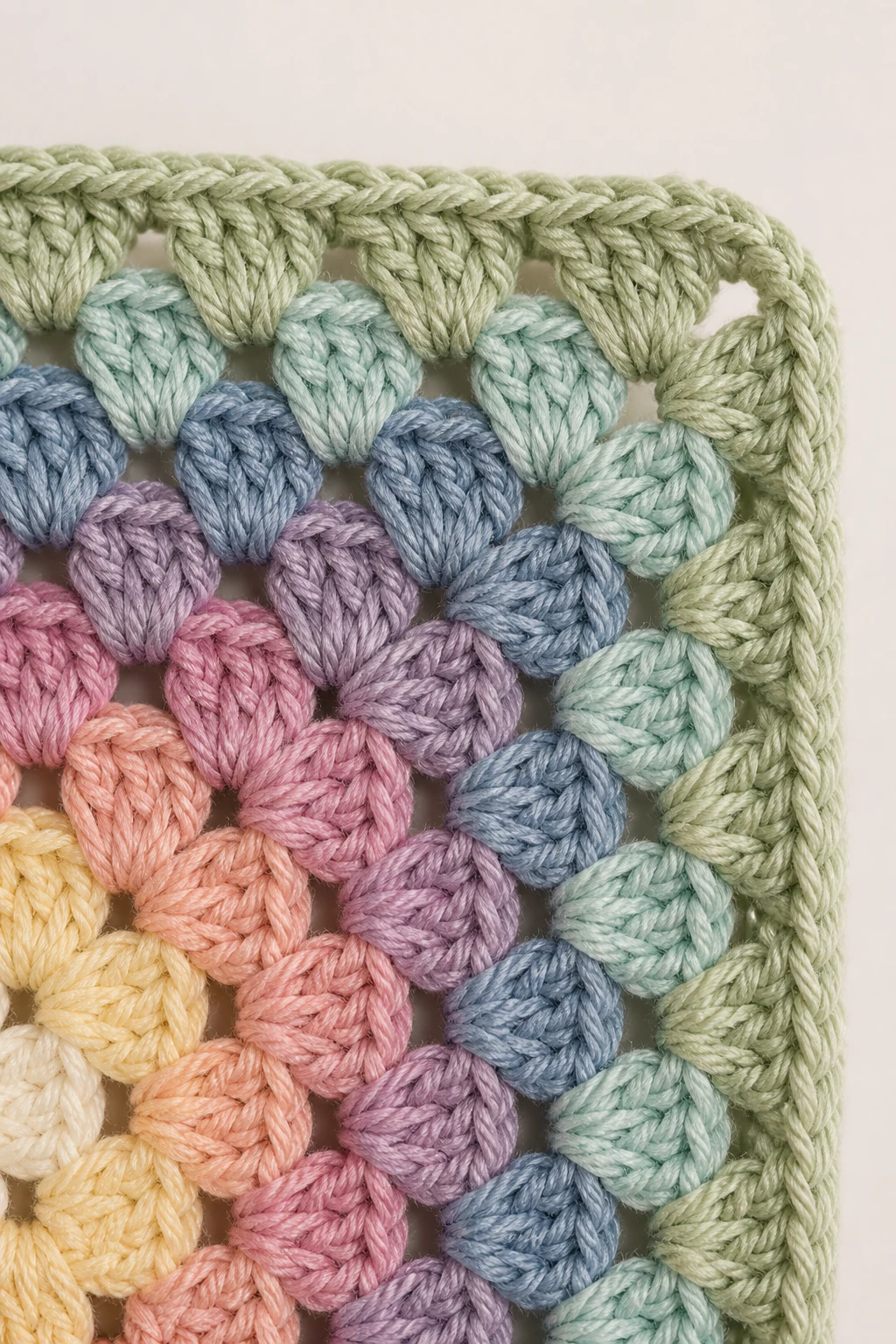
Every granny square journey hits a snag or two. Here are quick fixes to keep you cruising.
- Uneven tension: practice a looser first row to help even out later rounds
- Hole-y corners: check your chain counts and count your stitches—consistency is your best friend
- Color bleeding: do a quick wash test on a swatch before committing to a full color run
- Fuzziness with acrylic blends: add a light spray of fabric starch to tighten up edges when needed
If you’re stubborn about felting or pilling, you’re not alone. Sometimes a quick blade pass or gentle fabric shaver helps; otherwise, embrace the rustic charm.
FAQ: quick answers to common yarn questions
What weight yarn is best for granny squares?
Picks vary by project, but worsted and DK are the sweet spot for most blankets. Worsted gives sturdy, warm squares; DK keeps things a bit lighter and drapier. If you’re a super-finish-obsessed crafter, test a couple of swatches in both weights to see which you prefer.
Is wool a good choice for beginners building granny squares?
Yes, but with caveats. Wool offers durability and warmth, and it blocks beautifully. However, some wools require hand washing or gentle care. If you’re just starting, a wool blend that’s machine washable can give you the best of both worlds.
How do I prevent gaps or holes in my squares?
Ship them with careful stitch counts and consistent tension. Use a row counter, mark your start chain, and count stitches often. Blocking also helps even things out if gaps sneak in during joining.
Can I mix yarns in the same granny square blanket?
Absolutely. Mixing yarns can create texture and interest. Just be mindful of weight and care instructions. If you mix fibers, consider treating the project as a mixed-care item and label care accordingly.
How do I know if a yarn is washable?
Read the label. Look for “machine wash” or “hand wash” indicators, and note the care temperature. If in doubt, or if your project is a gift, test a swatch after washing to confirm results.
Common mistakes to avoid when choosing yarn for granny squares
– Overlooking care instructions: a gorgeous yarn that shrinks or colors run will ruin your vibe.
– Mixing fibers without thought: a wool blanket made of delicate fibers without proper care will be a headache.
– Ignoring gauge: different yarns can change the size of your squares. Do a quick gauge check before you start.
– Chasing the cheapest option: sometimes you get what you pay for. Invest in a reliable brand for long-term satisfaction.
Putting it all together: a simple plan to pick your perfect yarn
Here’s a quick, actionable plan you can actually follow in one sitting.
- Identify your project vibe: cozy blanket, lightweight throw, or heirloom piece
- Decide on care: machine washable or hand wash only
- Choose a weight: worsted, DK, or sport depending on how dense you want your squares
- Test swatches: pick 2-3 yarns in the same weight and do a few rounds of a granny square
- Block a sample: see how it behaves when shaped and dried
- Pick your palette: solids for control, or a mix for drama
If you want, I can help you pick a starter palette based on your climate, how often you wash your gear, and how bold you want the color story to be. FYI, collaboration makes crochet more fun.
Conclusion
Yarn choice isn’t just the first step; it’s the entire mood board for your granny squares. The right blend of softness, durability, and color can turn a handful of yarn into a warm hug you can hold up for years. Whether you go all-in on acrylic blends for ease, cotton for crisp lines, or wool for cozy texture, the best yarn is the one that fits your life and your hands. So grab a few skeins, swatch, block, and stitch your way to a cozy obsession. Happy hooking!