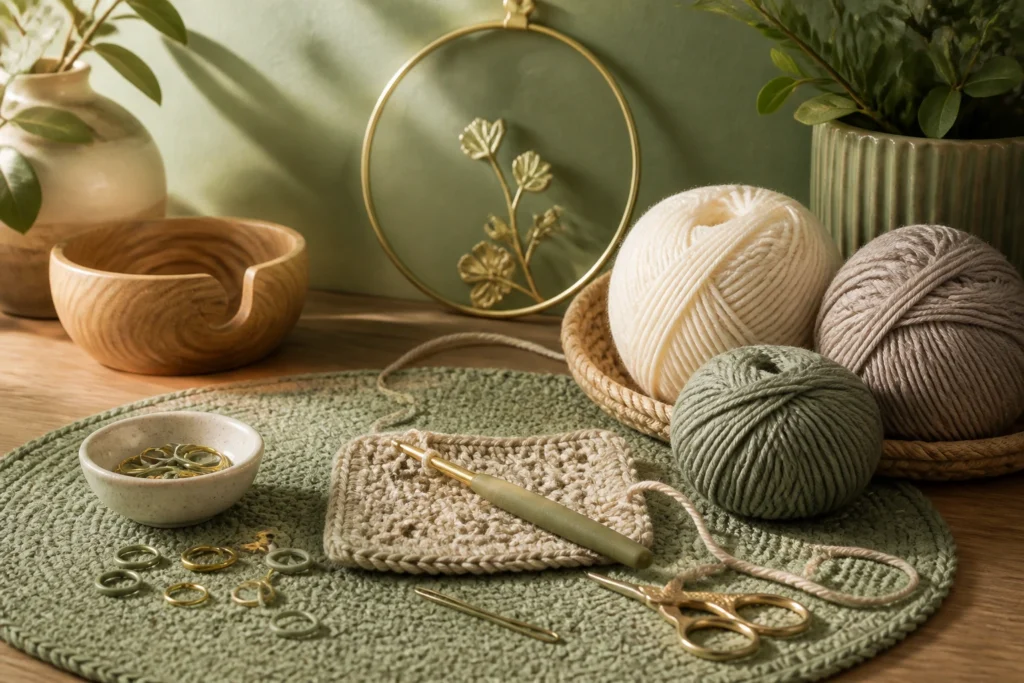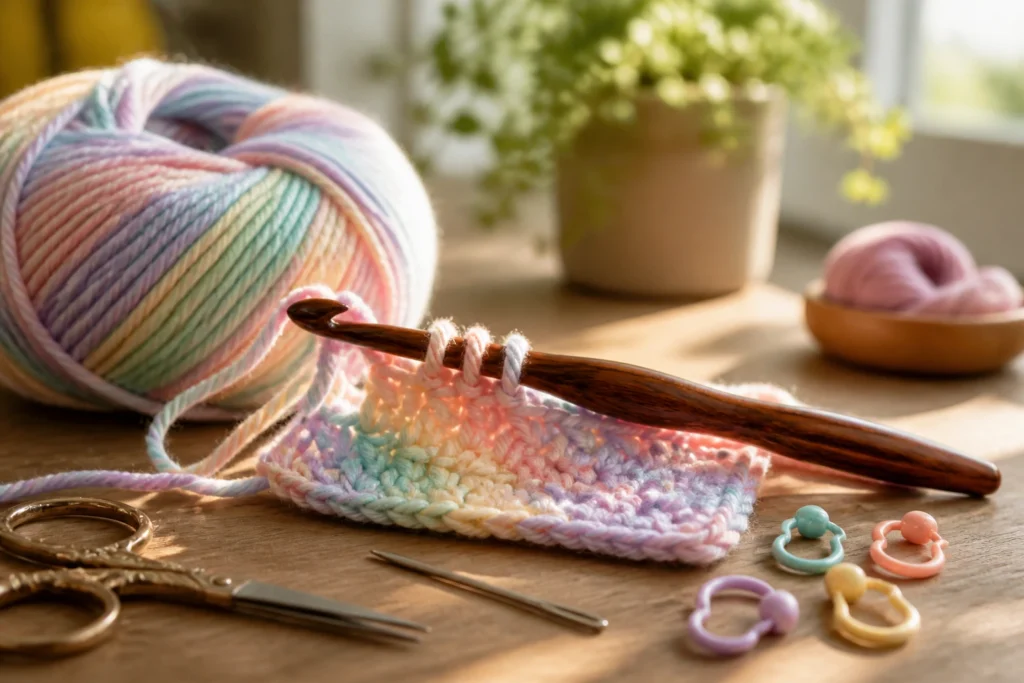

I’m not gonna lie: crochet isn’t rocket science, but it does love to pull a prank on beginners. Have you ever watched yarn slip away like a slippery eel? Let’s fix that. By the end of this chat, you’ll know the basics, you’ll have a few stitches under your belt, and you’ll actually want to crochet instead of just admiring people who knit with one hand tied behind their back. Let’s dive in.
What you’ll learn and why it matters
Crochet is a doorway to quick wins. You’ll make cozy blankets, cute scrunchies, and nifty gifts that don’t require a loan to buy. The basics form the foundation for all the fun projects that come next. Get these stitches down, and you’ll see your confidence grow faster than a chain stitch can choke a cat’s tail.
Getting set up: the essential gear and setup
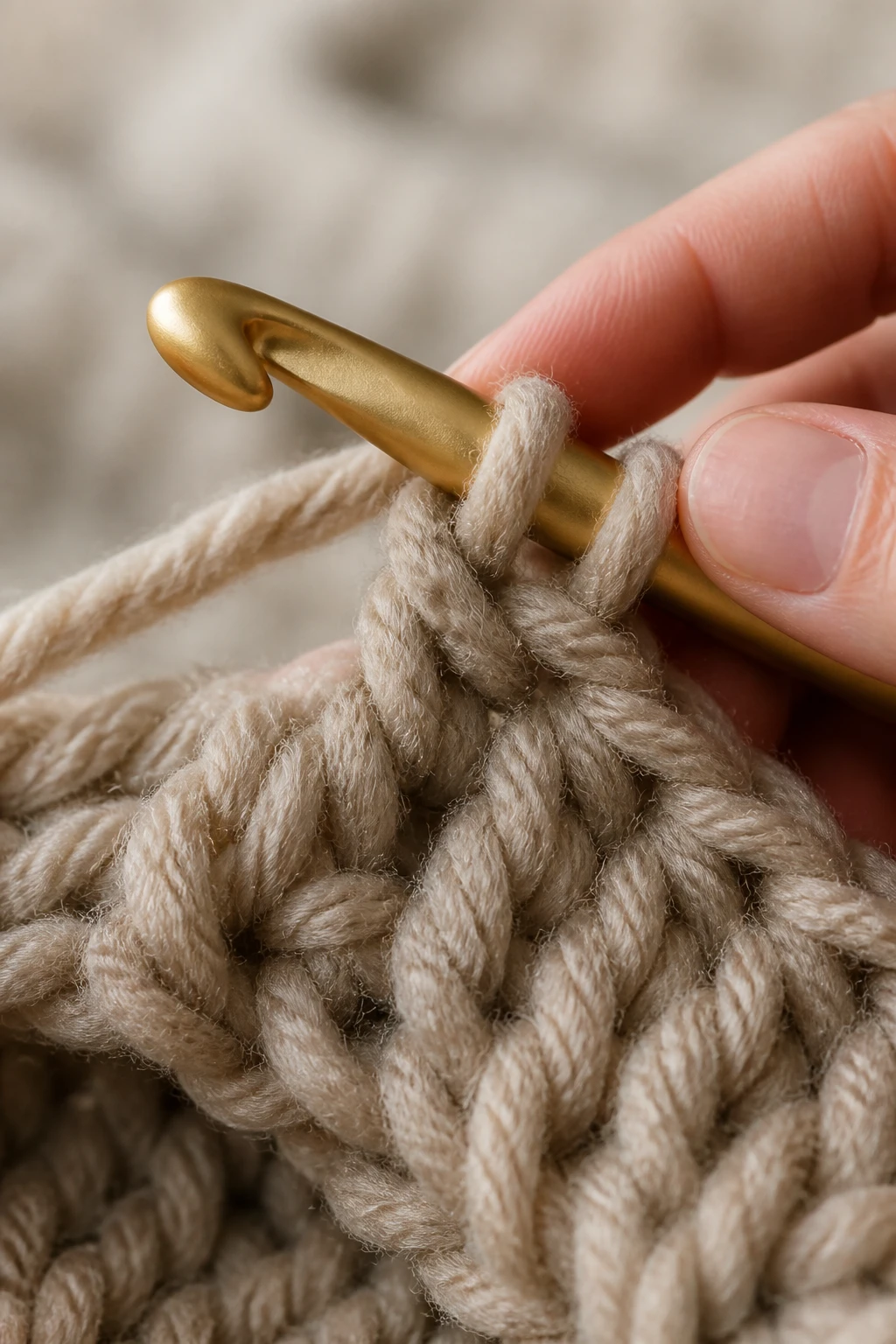
Before you loop, you need a few things. Don’t overthink it—start simple and upgrade later.
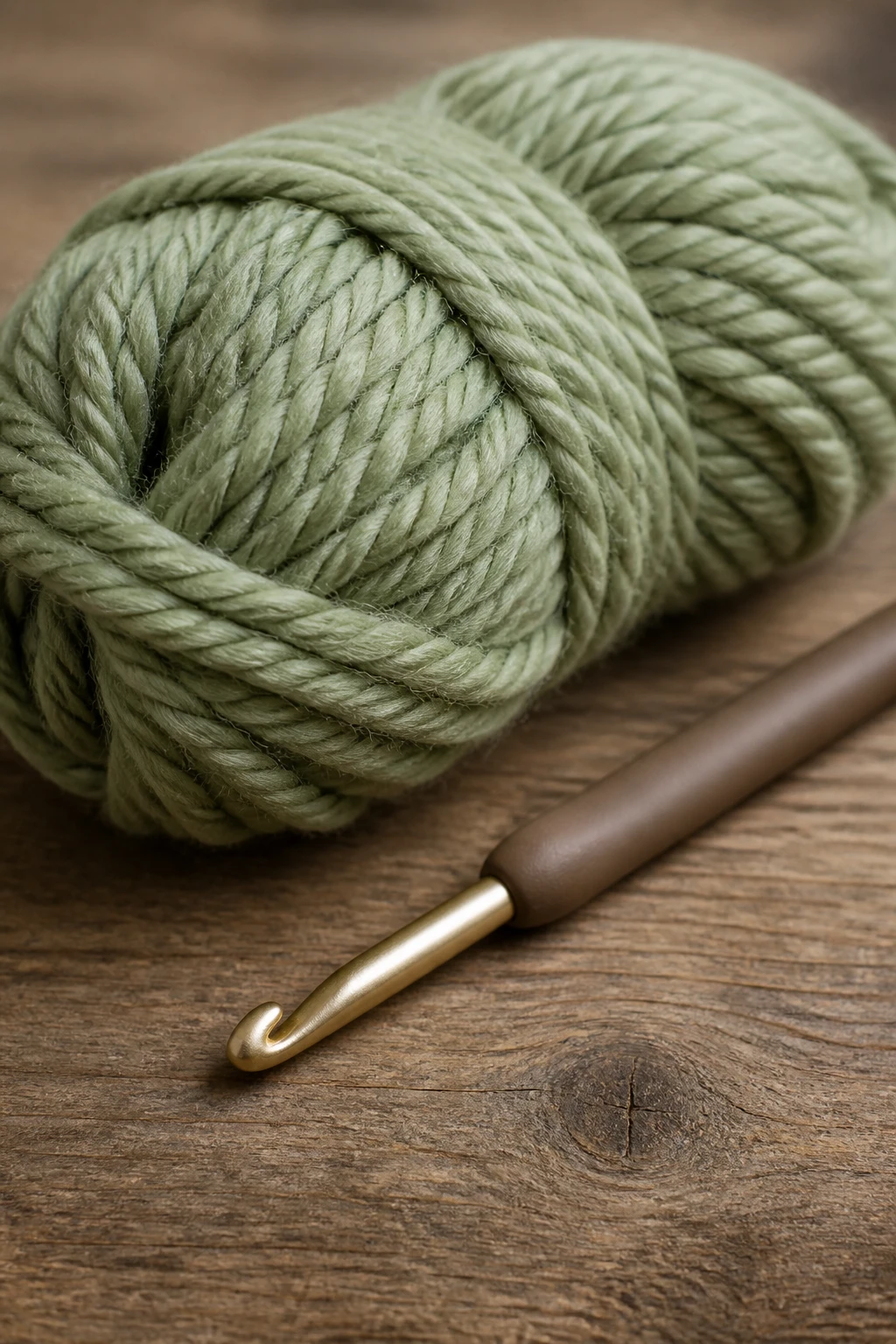
- Hook size: Choose a size that feels comfortable. A bulky yarn loves a bigger hook; a finer yarn wants a smaller one. If you’re not sure, start with a worsted weight yarn and a size H-8 (5 mm) hook.
- Yarn: Worsted weight is friendly. Neutral colors help you see stitches clearly. Skip variegated yarns until you’re confident; they can hide mistakes.
- Scissors and a tape measure: Basic but essential.
- Needle or crochet hook for weaving in ends: A blunt tapestry needle works well for most yarns.
- Stitch markers (optional but nice): They help you see your starting chain or certain rows.
FYI, if you’re the “learn by watching” type, there are tons of beginner tutorials. But nothing beats practicing with your own hands. Spoiler: muscle memory matters more than you think.
The core stitches you’ll actually use
Let’s nail down the big three you’ll rely on most. They’re pretty forgiving, and once you’ve got them, you’ll start to see patterns everywhere.
Chain stitch (the foundation)
The chain stitch is your starter pack. It forms the base rows and can create simple scarves, blankets, and accessories.
- Hold the hook like a pen, not a spear. Relax your grip and let the yarn do the work.
- Make a slip knot and place it on the hook.
- Yarn over (wrap the yarn around the hook) and pull through one loop. That’s one chain.
- Continue until you have the length you need. The chain count is your friend; count as you go to avoid accidental gaps.
Common mistake to avoid: pulling the chain too tight. If your foundation chain is tight, your fabric won’t lay flat and your wrists will phase into tiny protest. Keep it loose—your future self will thank you.
Single crochet (sc)
Single crochet is the basic workhorse. It creates tight, sturdy fabric—great for blankets, bags, and amigurumi. It’s also the easiest place to start with real stitches.
- Insert the hook into the second chain from the hook (not the loop on the hook).
- Yarn over and pull up a loop. You should have two loops on your hook.
- Yarn over and pull through both loops. That’s one sc.
- Repeat across the row, turning at the end.
Pro tip: keep the tension even. If your stitches are wonky, your edges will wobble like a guilty house cat. Practice makes tidy edges.
Double crochet (dc)
Double crochet creates a taller stitch and faster progress. It’s a sweet spot for newbies who want a quick payoff without sacrificing control.
- Yarn over, insert into the stitch (or into the next stitch in the row).
- Yarn over and pull up a loop. You’ll have three or four loops on the hook, depending on your counting method.
- Yarn over and pull through two loops. Then yarn over and pull through the remaining two loops.
- Continue across, then turn and repeat.
Want a little challenge? Try a few rows of dc, then a row of sc to mix things up. Your hands will learn the magic trick of rhythm faster than you expect.
Practice routine: how to train your hands and eyes

Learning fast isn’t about cramming; it’s about consistent tiny wins. Here’s a friendly, no-pressure routine that actually sticks.
Set a tiny daily goal
Five to ten minutes of crochet a day beats a marathon session once a month. Your hands will thank you when small muscles remember what to do without a pep talk.
- Start with a small project: a dishcloth or coaster.
- Work on a single stitch for a few minutes, then switch to the next stitch.
- End with a few rows of your favorite stitch to keep it fun.
Accent your practice with counting
Counting helps you catch mistakes before they snowball. Count your stitches per row and keep a mental check of your turning chains. It’s not confinement—it’s a map for future you.
Mind the tension
Too tight? Your fabric will pucker. Too loose? It’ll sag. Practice keeping a consistent hand pressure, like you’re gently squeezing a peach. Not too hard, not too soft.
Common hiccups and how to fix them
Brace yourself for a few roadblocks. They’re not permanent; they’re just detours with better snacks later.
Dropping stitches and loose ends
Accidents happen. If you drop a stitch, don’t panic. Use a crochet hook to pick it back up. For loose ends, weave them in after you finish a piece to keep everything neat.
Twisted chains at the start
The first row can look funky if your foundation chain is twisted. If that happens, unravel a bit and re-do. Your future blankets will thank you for not carrying a chain that looks like a pretzel.
Edging that won’t stay flat
Edges curling? Try working a multiple of stitches to even out the row or finish with a gentle slip stitch join to anchor the edge. A neat border makes everything look polished.
Projects to practice and build momentum
Projects give you a sense of accomplishment and a clear path of learning. Here are some friendly starters that don’t require a PhD in knitting chemistry.
Quick wins you can actually finish this week
- Dishcloth or washcloth in sc or simple moss stitch
- Coaster or placemat with a basic dc pattern
- Headband or simple scarf using only sc and dc
Small gifts to impress without stressing
- Crochet flower appliques for bags or hats
- Beanie with basic stitches and a simple ribbed edge
- Amigurumi mini figures that fit in your weekly progress plan
Keeping it fun: tips for staying motivated
Learning crochet should feel like hanging out with a friend, not studying for a test. Here are a few tips to keep the vibe light and the yarn never suspiciously silent.
Mix up your yarns and colors
Variety is the spice of life—until you’re chasing a single pattern in a sea of yarn balls. Pick a color palette you love and rotate through a few textures to keep things fresh. IMO, a little variety keeps you from getting bored and giving up on row two.
Share your work and get feedback
Post a pic, ask for tips, and celebrate tiny victories. The crochet community is full of friendly humans who enjoy sniffing out your progress and dropping gentle, helpful advice. FYI, constructive criticism helps you grow faster than a how-to video played on repeat.
FAQ
Do I need to memorize all the stitches?
You don’t have to memorize every stitch right away. Start with the basics, then gradually commit the common stitches to memory as you use them. Keep a quick reference handy for when you’re learning. It’s totally okay to look things up, especially in the beginning.
What’s the easiest project to start with?
A simple scarf or dishcloth using just chain, single crochet, or double crochet is perfect. It’s forgiving, quick to finish, and gives you a tangible sense of achievement early on. Bonus: you can wear or use it immediately.
How do I fix a mistake without ripping everything out?
Learn to “frog” (rip it, rip it). It’s not a swear word here; it’s how you undo a row. Use a crochet hook to pick out loops and rework the stitches. If you can, count as you go to catch mistakes early. A little patience goes a long way.
Should I worry about tension or gauge?
Gauge matters for blankets and garments where size is important. For beginners, it’s okay if your fabric isn’t exact—consistency is the real win. If you need things to be precise, check gauge with a small swatch before starting a project.
Is crochet easier than knitting?
It depends on you. Crochet tends to be more forgiving, with no dropping stitches in the same sense. If you’ve struggled with knitting, give crochet a try; you might find the rhythm clicks faster. IMO, there’s a hook for every learner’s vibe.
What about tricky stitches later on?
There are lots of fancy stitches, but you’ll learn them once you’ve got the basics down. Start with simple increases, decreases, and ribbing. When you feel confident, look up a stitch dictionary or a friendly video. You’ll be surprised how quick you pick it up.
Conclusion
So yeah, basic crochet stitches aren’t a secret club with a password. They’re a toolkit you can use to build smile-worthy projects, and you don’t need a degree to master them. Practice, stay curious, and don’t be afraid to laugh at your own hiccups. Before you know it, you’ll be dreaming up your own patterns and finishing goodies in a fraction of the time you thought possible. IMO, crochet is less about perfection and more about the joy of making something with your own two hands. Ready to stitch your first real project? Let’s grab that yarn and dive in.