It’s a simple truth: some yarns glide off the hook like butter on warm toast, while others fight you every single stitch. If you’re new to crochet or just chasing a smoother ride, you’re in the right spot. Let’s skip the drama and uncover the easiest yarns to crochet with.
What makes yarn easy to crochet in the first place?
– Slippage and spin matter. A yarn that splits or frays constantly instantly turns a simple scarf into a headache.
– Weight and texture affect tension. Medium-weight, evenly spun yarns are forgiving and predictably sized.
– Material behavior impacts yield. Natural fibers can behave differently than synthetics, but both can be beginner-friendly if you pick the right brand and ply count.
– Care and familiarity save you future headaches. Easy-care yarns wash well and don’t require special handling.
So, what counts as the easiest? Think smoothness, forgiving splits, and a pleasant touch against your fingers. FYI, you don’t need to go fancy to get a nice result—just pick the right kind.
Best beginner-friendly yarns by category
Here’s the quick cheat sheet you can take to the craft store or scroll through online with zero shame.
- Acrylic worsted weight (category 4) — The workhorse. Smooth, affordable, machine washable, and widely available. It dries fast, so you get quick feedback on your stitches.
- Cotton-ease blends — Cotton has a clean stitch definition, which helps you see mistakes right away. Blends soften the feel a bit, making it comfy to work with.”
- Super-bulky (Category 6) and chunky yarns — If you want to feel like a productivity wizard, these move fast and forgive tight tension. Perfect for blankets or oversized scarves.
- Acrylic with a soft twist (e.g., “soft-touch” or “pearlized” blends) — Slightly slick but not slippery, these are forgiving and come in a rainbow of colors.
- Machine-washable wool blends — If you’re itching for wool vibes without the hand-wrestling, look for a gentle wool blend that’s labeled easy-care. It’s surprisingly doable once you break in.
Why acrylic often ranks as the easiest option
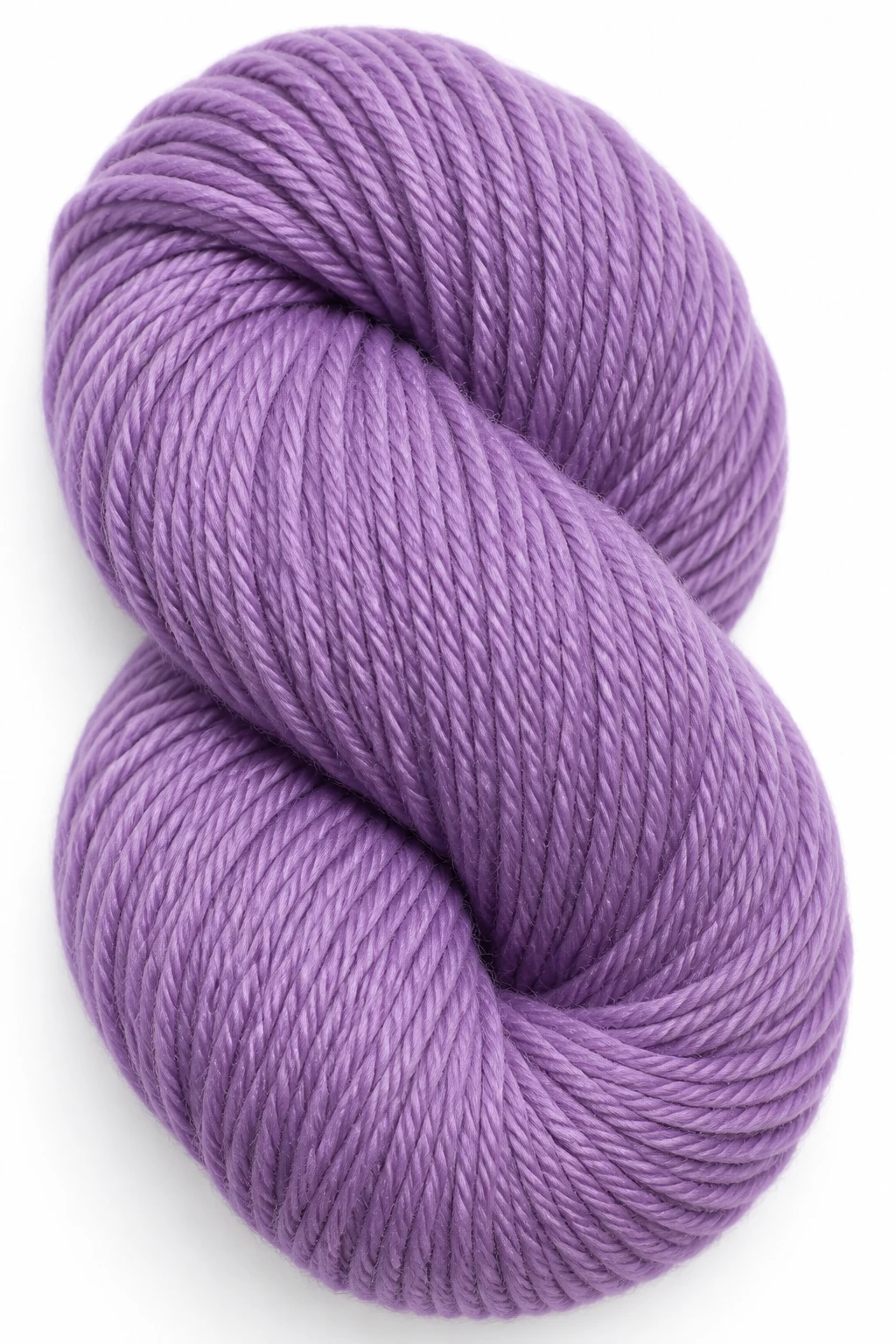
Acrylic yarns are the default starter pack for many crocheters—and for good reasons.
– They don’t split as easily as some natural fibers. When your hook isn’t grabbing smoothly, you’ll appreciate a no-drama yarn.
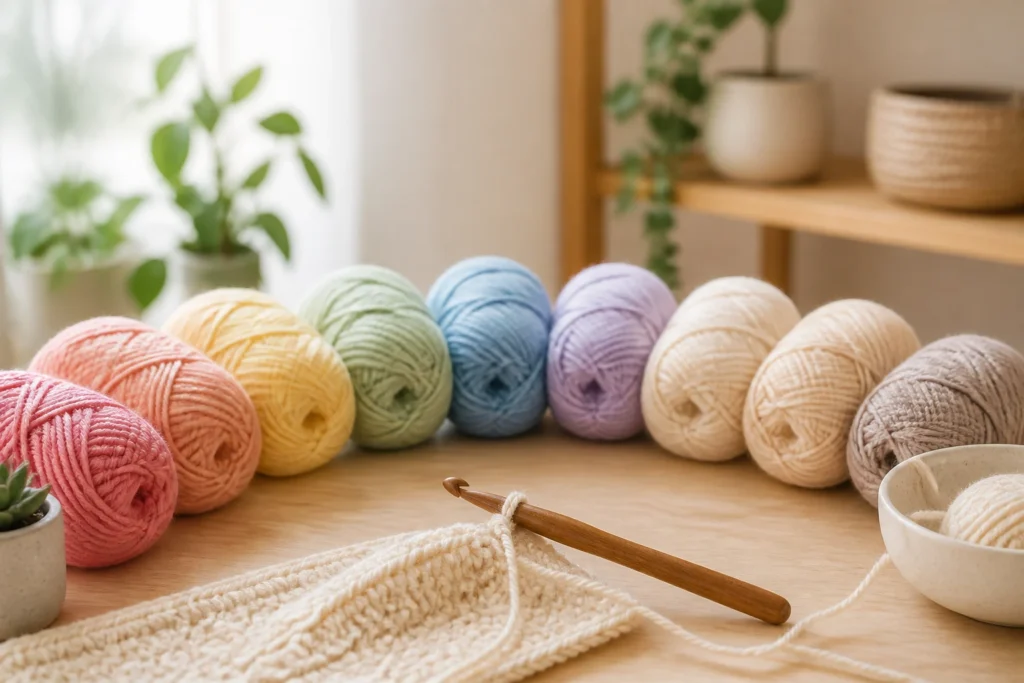
– They come in a virtually endless color palette. Yippee for color therapy during a long practice session.
– They’re inexpensive and durable. You can practice without worrying about ruining a precious skein.
– They hold their shape well and are forgiving with stitching mistakes. Sometimes even a slightly wonky stitch won’t ruin the overall look.
But a quick FYI: acrylic can feel a bit plasticky to some hands, and it doesn’t breathe as well as cotton or wool. If you live somewhere hot or you sweat a lot during crafting, consider blending options or a cotton blend for your next project.
Understanding yarn construction: singles, plies, and twist
Getting comfy with the techy stuff helps you pick the right easy yarn every time.
What is a “plied” yarn?
– Plied yarns are multiple strands twisted together. They’re typically stronger and less prone to pilling.
– For beginners, a softly plied yarn reduces splits and gives you a smoother stitch path.
Single ply vs. multi-ply
– Single-ply yarns can be more prone to splitting and fuzzy texture, which might slow you down if you’re just starting.
– Multi-ply yarns tend to hold together better, glide more easily, and create even stitches.
Twist level: tight vs. loose
– A moderate twist is your friend. Too tight a twist can feel stiff and snaggy; too loose can split and look sloppy.
– The sweet spot depends on you and your hook size, but most beginner yarns land in the middle.
What weight should you start with for the easiest crochet?
– Medium weight (worsted, category 4) is the crowd favorite. It’s visible enough to learn from, but not so thick that you’re wrestling a log of yarn.
– Chunky/ bulky (categories 5–6) help you feel like you’re making progress fast. Ideal for blankets and quick gifts, but you’ll move through stitches at warp speed—watch your tension.
– Lightweight (DK and sport) can be trickier for absolute newbies, but they’re great if you’re aiming for sewing time or delicate projects. They demand steadier hands.
Tip: pick a yarn you actually like touching. If the yarn feels scratchy or squeaks when you pass your hook, you’ll dread every stitch.
Practical tips to crochet with “easy” yarns
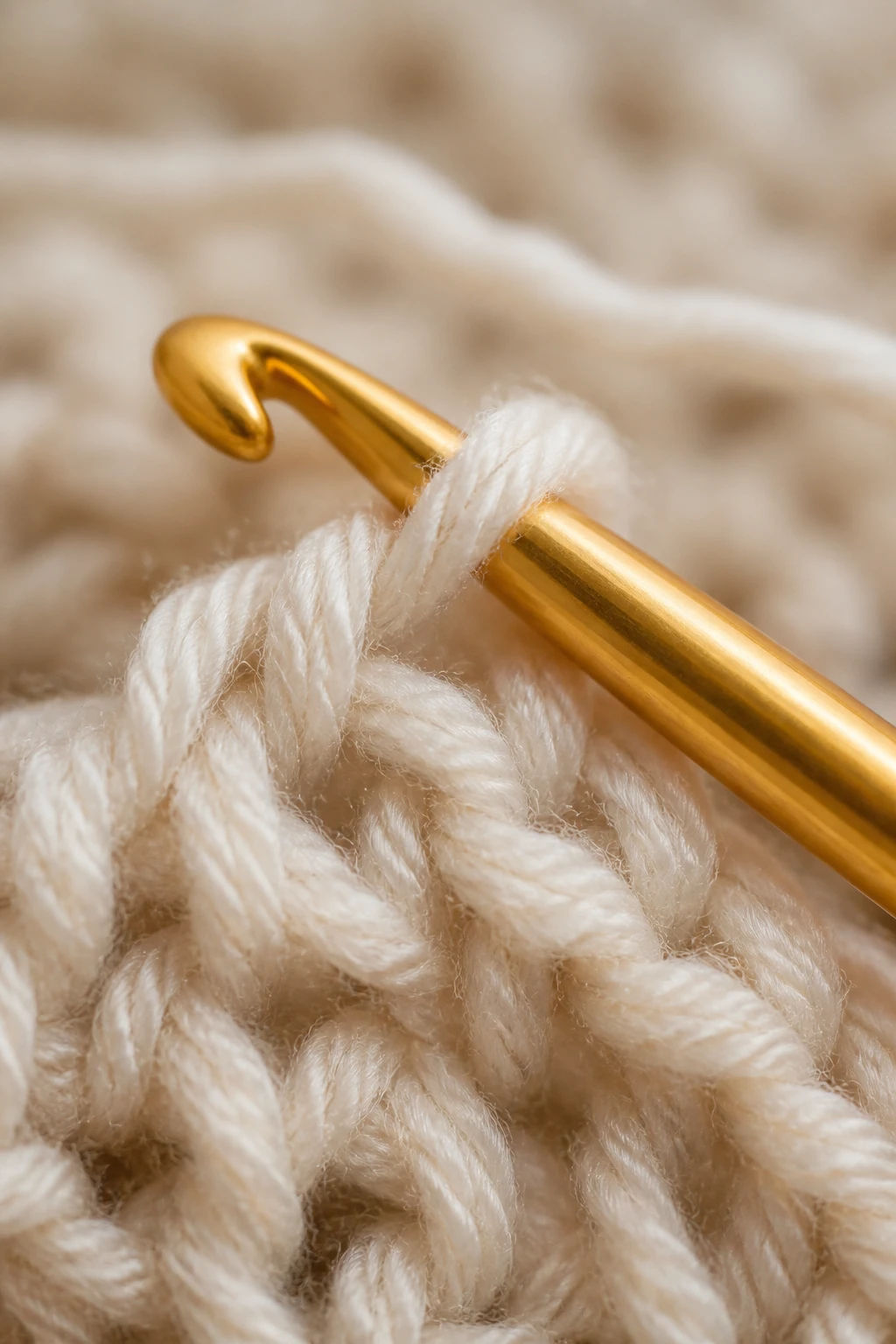
– Invest in a comfortable hook. A well-sized hook means less resistance and fewer skipped stitches.
– Go for smooth fibers in the first months. Smoother yarns reduce friction, which means fewer splits and a quicker learning curve.
– Practice simple swatches before a big project. You’ll nail your gauge and avoid pulling your hair out later.
– Keep a small stash of colors for variety. A little color therapy goes a long way when you’re practicing.
Common pitfalls and how to dodge them
– Ongoing splits with a new yarn? Try a slightly larger hook. More space means fewer skipped fibers and less friction.
– Fuzzy yarns can look messy when you’re just starting. If your stitches disappear, switch to a smoother, less fuzzy option.
– Yarn that sheds can make your project look shaggy. If shedding bothers you, wash the yarn first or choose a different fiber blend.
– Color bleeding during first wash? Pre-soak with a color-catching solution or choose colorfast options labeled as such.
Project ideas that reward beginners with easy yarn
– Simple blankets with bulky yarns: big stitches, big payoffs.
– Cozy scarves and cowls: quick wins you can wear or gift.
– Hats and beanies: small but mighty projects that teach you gauge, ribbing, and shaping.
– Felted pieces (with wool blends): fun to see a soft yarn turn into a sturdy final product.
What to crochet first if you’re new?
– A rectangular scarf in bulky yarn helps you master tension and turning chains.
– A child’s simple beanie—watch for even rounds and gentle decreases.
– A washcloth or placemat in cotton blends for learning stitches that show stitch definition.
FAQ
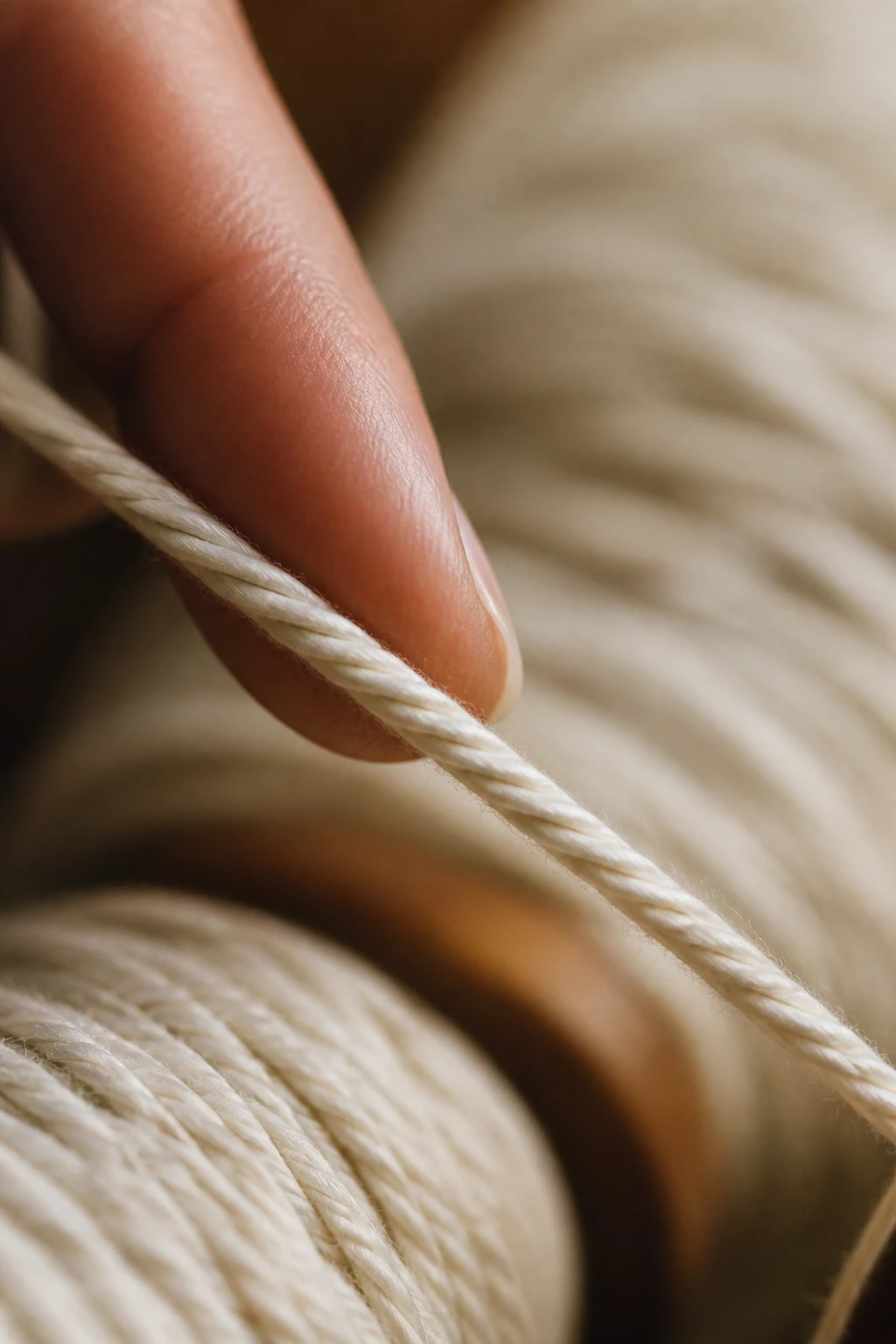
Is worsted weight yarn truly the easiest for beginners?
Yes. Worsted weight yarn (category 4) sits in the sweet spot between visibility and manageability. It’s big enough to see your stitches clearly, not so thick that you struggle to keep your tension consistent. Plus, there are tons of patterns and tutorials tailored to this weight. IMO, it’s the default starter yarn for a reason.
Should I avoid natural fibers when I’m learning?
Not necessarily. Natural fibers like cotton or wool blends can be beginner-friendly if you pick a soft, well-spun option. They behave nicely and give you real-world results you’ll be proud of. FYI, cotton is a tad stiffer when dry, which helps with stitch visibility, but a soft cotton blend fixes that squeakiness fast.
What about yarn with lots of halo or fuzz?
Halo can be gorgeous, but it hides your stitches at the start. If you’re learning, stick to low-fuzz options until you’re confident with your tension. Once you’ve got the hang, you can experiment with halo and fuzzy textures for finished projects that pop.
Why do some beginner projects fail even with easy yarn?
Often the culprit isn’t the yarn but technique: wrong hook size, inconsistent tension, or skipped stitches. Start with a simple remedy: swatch, measure gauge, and keep stitches uniform. The right yarn helps, but your technique makes or breaks the final look.
Is there a difference between “soft touch” acrylics and regular acrylics?
Yes, a bit. “Soft touch” or “tactile” acrylics feel gentler on the hands and glide more smoothly through your hook. They’re not magical, but they reduce some grip fatigue and split-prone moments. If you value comfort, seek these varieties for longer sessions.
Personal picks: what I actually reach for when I want easy
– If I’m aiming for a quick, satisfying finish: chunky acrylic that comes in bold colors. The project grows fast, and I don’t get bogged down in tiny details.
– For something practical and long-lasting: a soft, machine-washable wool blend along with a forgiving worsted acrylic. You get that warm wool feel without the maintenance drama.
– For learning new stitches: a smooth cotton blend where stitch definition shines. You can visibly see where your tension lands, which helps learn faster.
If you’re overwhelmed by all the options, start with one reliable worsted-weight acrylic in a light color. Work a simple rectangle or a basic scarf. You’ll be surprised how quickly the confidence builds.
Practical buying checklist for your first “easy yarn” haul
– Weight: aim for worsted/Category 4 as a starter baseline.
– Fiber: acrylic for ease and cost, cotton blends if you want stiffness with visible stitches.
– Ply: 2-ply or 3-ply is common and forgiving; avoid overly thin singles for now.
– Care: machine washable and colorfast helps you stay motivated.
– Feel: choose a yarn that feels nice in your hand. If it grippy or rough, it’ll slow you down.
Conclusion
So, what is the easiest yarn to crochet with? The short answer: it’s the one that feels good in your hands, holds its shape, and doesn’t fight you at the hook. For most beginners, that’s a smooth worsted-weight acrylic or a soft cotton blend. But the real win is practicing with any yarn you enjoy—because motivation matters almost as much as texture and twist.
If you’re starting out today, grab a skein of worsted-weight acrylic in a color you actually want to use. Sit down with a simple scarf or a tiny dishcloth. See how it feels after 15 minutes. If you’re hooked, you’ll know you’ve found your easy yarn. If not, try a chunky option next and compare the experience. Either way, you’ll be yarn-smart in no time.
And remember: there’s no such thing as “the perfect first project.” There’s only the next stitch, the next row, and the next cozy thing you’ll Crochet into existence. Happy hooking, friend.