Weighing yarn is basically adult-level mood reading, right? Chunky yarn and lightweight yarn each have their hype squad, but they play very different roles in projects. If you’re trying to decide what to pick for your next creation (or you just want to understand why your hands feel so drama-filled with tugging), you’ve landed in the right spot. Let’s dive in and keep it tasty, practical, and a little sassy.
What even is the difference? A quick reality check
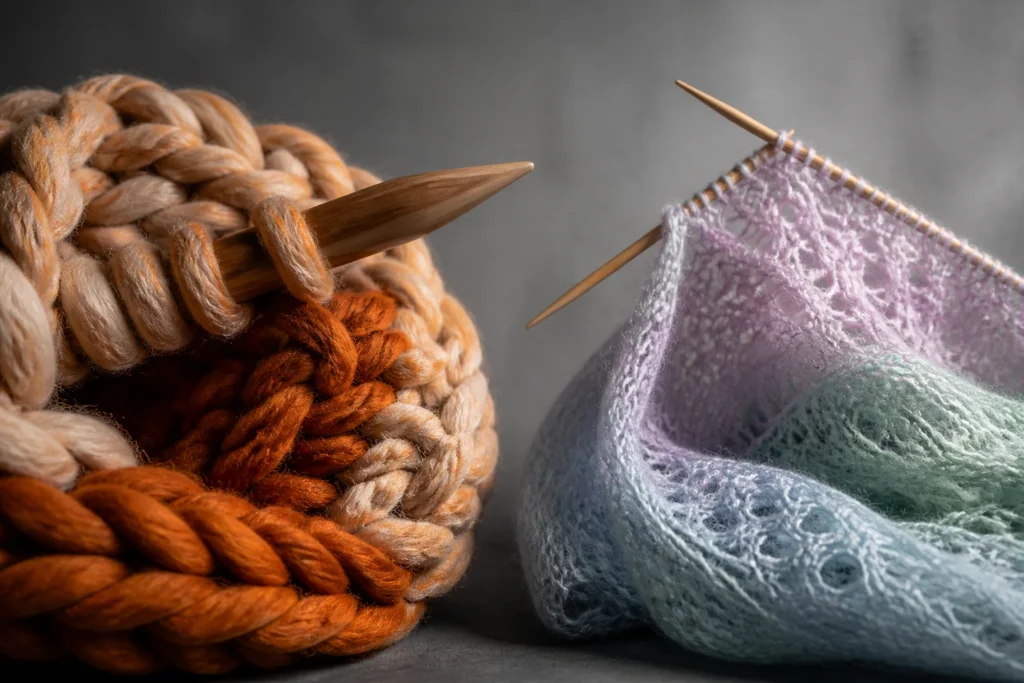
Everyone talks about thickness like it’s a fashion trend, but it’s really about how many fibers hug together and how much fabric you end up with. Chunky yarn comes with bigger fibers, bigger twists, and bigger vibes. Lightweight yarn—often called fingering or sport weight in some circles—packs less bulk per stitch and tends to drape like a dream.
If you’ve ever crocheted a blanket with chunky yarn, you know it grows fast and feels like a warm hug. If you’ve knit a shawl with lightweight yarn, you know it sits elegantly on your shoulders and shows off stitch definition. The big question: what do you actually want to create?
Chunky yarn: speed, heft, and that “wow factor”
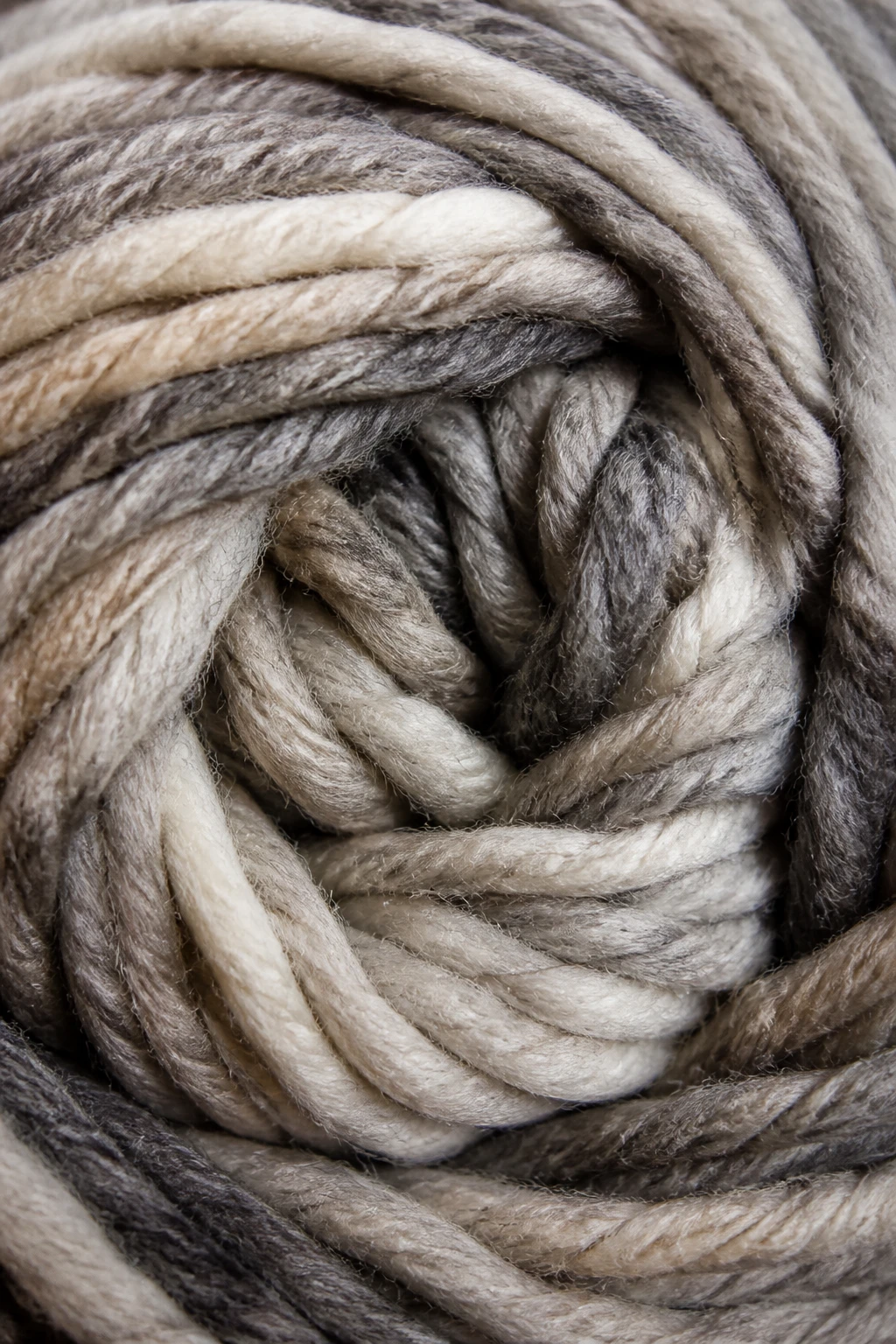
Who is chunky yarn really for? People who want big results without spending weeks wrestling a tiny hook or needle. It’s the bold cousin of the yarn world, and it shows up in blankets, oversized sweaters, and quick-on-the-duses accessories.
Pros you’ll notice at first touch
- Fast results: One row or one round often feels like a win—especially when you’re binge-watching a show and want immediate progress.
- Felted texture and bulk: The fabric has presence, and you don’t need a ton of yardage to get something substantial.
- Cozy vibes: It’s warm, chunky, and instantly comforting—great for winter makes or gifting.
Cons that whisper (or shout) in your ear
- Limited stitch definition: Ribbing and cables can get swallowed by the bulk; if sharp texture matters, this isn’t your best friend.
- Needle/hook size wonkiness: You’ll wrestle bigger tools, and it can be hard on wrists if you’re not careful.
- Fabric weight: It tends to be heavy, and that can mean more fatigue on large projects.
Best projects for chunky yarn
- Throws and blankets you can whip up between seasons
- Oversized sweaters or cardigans you’ll want to wear forever
- Amigurumi and toys with a bold silhouette (and kids won’t mind the bulk)
Lightweight yarn: finesse, drape, and control
If chunky is the show-stopping jacket, lightweight yarn is the sleek dress: refined, versatile, and quietly capable. It’s your go-to for delicate shawls, airy sweaters, and intricate stitch work that actually shows off the texture.
Why crafters adore it
- Subtle drape: Fabrics fall nicely and move with you, not fight you.
- Stitch definition: You’ll see cables, lace, and tiny textures pop like fireworks in a midnight sky.
- Weight control: Easier on wrists, especially for long sessions or smaller frames.
Common drawbacks
- Slow game: It takes longer to reach a desired size, which can feel like a patience test.
- More yardage needed: You’ll need more skeins for big projects, and it can get pricey quickly.
- Stickiness with finishing: Finer yarns can split or tangle more easily; you’ll want good technique and sharp scissors.
Ideal projects for lightweight yarn
- Delicate scarves, wraps, and shawls
- Lightweight sweaters and tees with nice hand-feel
- Textured blankets that aren’t bulky
Choosing the right tool for the job
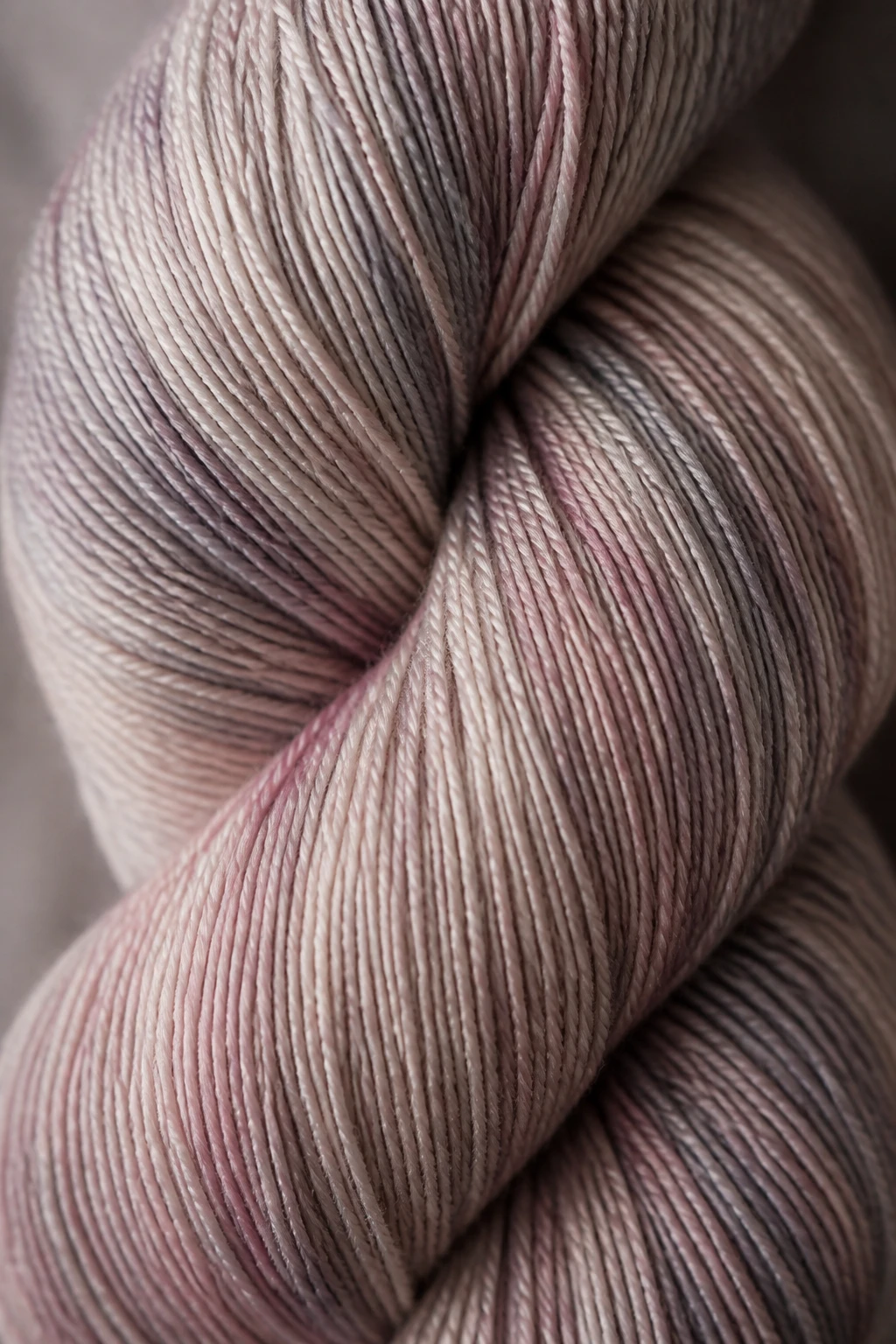
Your hook or needles are the other half of the equation. Chunky yarn wants big tools and big hands; lightweight yarn wants precision and control.
Tools that match chunky yarn
- Large crochet hooks (usually N to P, sometimes Q)
- Bulky or chunky knitting needles (US size 9–11 or larger, depending on your yarn)
- Ergonomic handles help when you’re building a blanket for hours
Tools that pair with lightweight yarn
- Needles in the US size 3–5 range (and smaller for lace)
- Fine crochet hooks for tight stitches
- Blocking mats and blockers are your best friends for lace fabrics
Texture, stitch definition, and how the yarn behaves
Yarn isn’t just about thickness—it acts like a character in a story. The same stitch on chunky yarn can look completely different from the same stitch on lightweight yarn.
What chunky yarn does to stitches
- Textures blur a bit; cables may blur into thick ridges
- Stitch size is forgiving; mistakes are less noticeable
- Knits and crochets feel more plush and cushy
What lightweight yarn does to stitches
- Stitch patterns pop; lace and cables shine
- Accuracy matters more; tension shows up clearly
- Fabric drapes beautifully and gives you polish
Care and longevity: will your project survive the wash cycle?
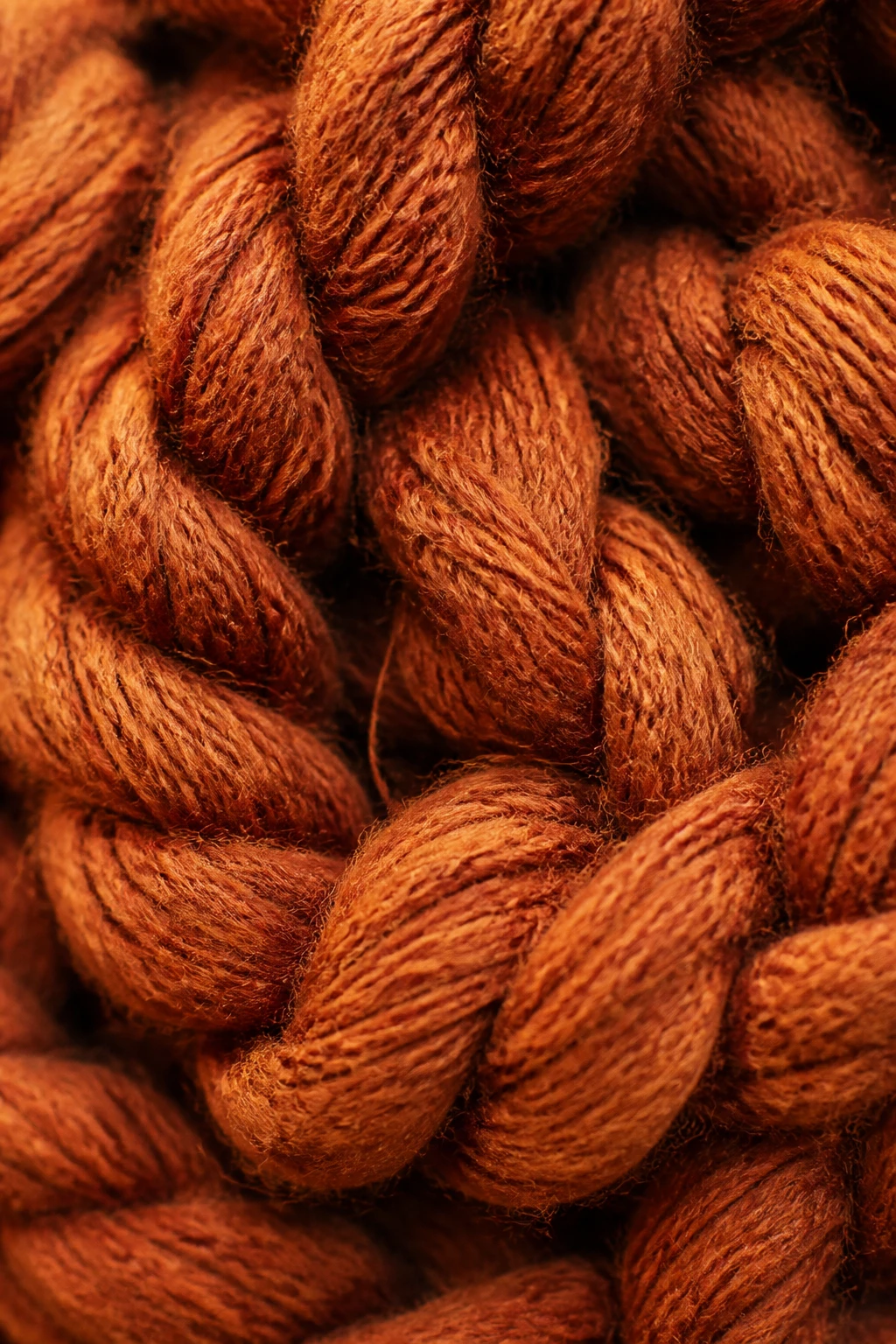
Care instructions often determine whether a project sees another winter or ends up in storage.
Chunky yarn care basics
- Often supports machine washing on gentle; always check label
- Bulkier fibers can felt if you’re not careful with heat
- Avoid high-heat drying; lay flat to finish when unsure
Lightweight yarn care basics
- Some delicate fibers require hand washing
- Air drying helps preserve drape and stitch accuracy
- Block generously to set shape and highlight stitch work
Yarn composition and how it matters
The fiber content changes everything: warmth, softness, stretch, and even how it handles blocking.
Common chunky yarn fibers
- Super bulky acrylics are forgiving, affordable, and widely available
- Wool blends stay warm, have memory, and can felt if you push it
- Natural fibers like alpaca or bobbly novelty yarns bring texture and drama
Common lightweight yarn fibers
- Merino, cotton, and blends for balance between breathability and softness
- Silk blends add sheen and drape
- Synthetic fibers can improve durability and washability
Project ideas to fuel your next swap between chunky and lightweight
Here’s a practical brainstorm to keep both options fresh in your notebook.
- Chunky blanket with a bold chevron or simple garter—instant gratification guaranteed
- Lightweight lace shawl that doubles as a stylish accessory
- Hybrid projects: a chunky cuff or edging around a lightweight base for drama
- Kids’ toys in chunky for quick success; delicate stuffed animals in lightweight for fine detail
FAQs
Is chunky yarn always warmer than lightweight yarn?
Not always, but it often feels warmer because of the bulk and how much air insulation the yarn traps. If warmth is your top priority, chunky yarn does a good job, but fiber choice matters too. FYI, merino or wool blends still win in many cold-weather scenarios.
Can I mix chunky and lightweight yarn in the same project?
Totally. It can create an interesting texture contrast or color-blocked effect. Just watch tension and gauge so your seams line up and you don’t end up with a wonky edge. IMO, it’s a fun playground if you’re comfortable adjusting pattern stitches.
Which is better for beginners: chunky or lightweight?
Chunky yarn is often friendlier for beginners because it shows mistakes less and grows quickly. However, if you want to learn precise stitch work early on, lightweight yarn teaches you tension and technique. It’s a trade-off—pick what you’re hoping to master first.
How do I choose the right weight for a pattern?
Start by checking the pattern’s recommended yarn weight. If you’re improvising, swatch with both options and compare gauge, fabric feel, and drape. If you’re aiming for a specific size, you’ll likely need to adjust needle/hook size and yardage accordingly. Spoiler: gauge is your best frenemy here.
What’s blocking, and why does it matter more with lightweight yarn?
Blocking is the process of shaping and setting stitches after you finish. It matters more with lightweight yarn because the stitches can be precise but floppy until you lock them in. Blocking helps reveal the true stitch definition and evenness across rows. It’s the magic wand for lace and fine silhouettes.
Conclusion
Choosing between chunky and lightweight yarn isn’t about declaring a winner. It’s about matching the yarn’s personality to your project goals, your mood, and how patient you feel on a given day. Chunky yarn brings speed, bold presence, and cozy vibes. Lightweight yarn brings elegance, detail, and a delicate touch. Both have a place in your stash, and yes, you’ll probably reach for both in the same week. So experiment, swatch, and embrace the texture journey. IMO, variety is the spice of yarn life. FYI, your future self will thank you for the well-timed stash cleanup and the projects that finally clicked.