I know the feeling: you want a cozy crochet session that doesn’t demand your full attention, but you still want something pretty at the end. Enter mindless projects and the stitches that make them sing. Let’s dive into the best crochet stitches for those vibes—where your hands move, your brain can wander, and you still end up with something adorable.
Why mindless crochet isn’t laziness, it’s strategy
Some people call it “zombie stitching” and I’m not mad about it. Mindless crochet gives your eyes a break, your brain a rest, and your hands a rhythm. It’s the perfect warm-up, a great cooldown, and occasionally the entire workout. You get a finished project without a marathon of counting to keep your brain honest.
– It’s great for social time: you can chat, binge, or listen to podcasts while your stitches do all the heavy lifting.
– It builds muscle memory: once you find a rhythm, you can crank out projects faster with fewer mistakes.
– It’s satisfying: small, steady wins pile up into big, cozy results.
If you’re new to this vibe, start with stitches that don’t demand precision and keep the pace friendly. FYI, you’ll still want to enjoy the process, not just chase a perfect product.
Undeniable classics: single crochet and half-double crochet
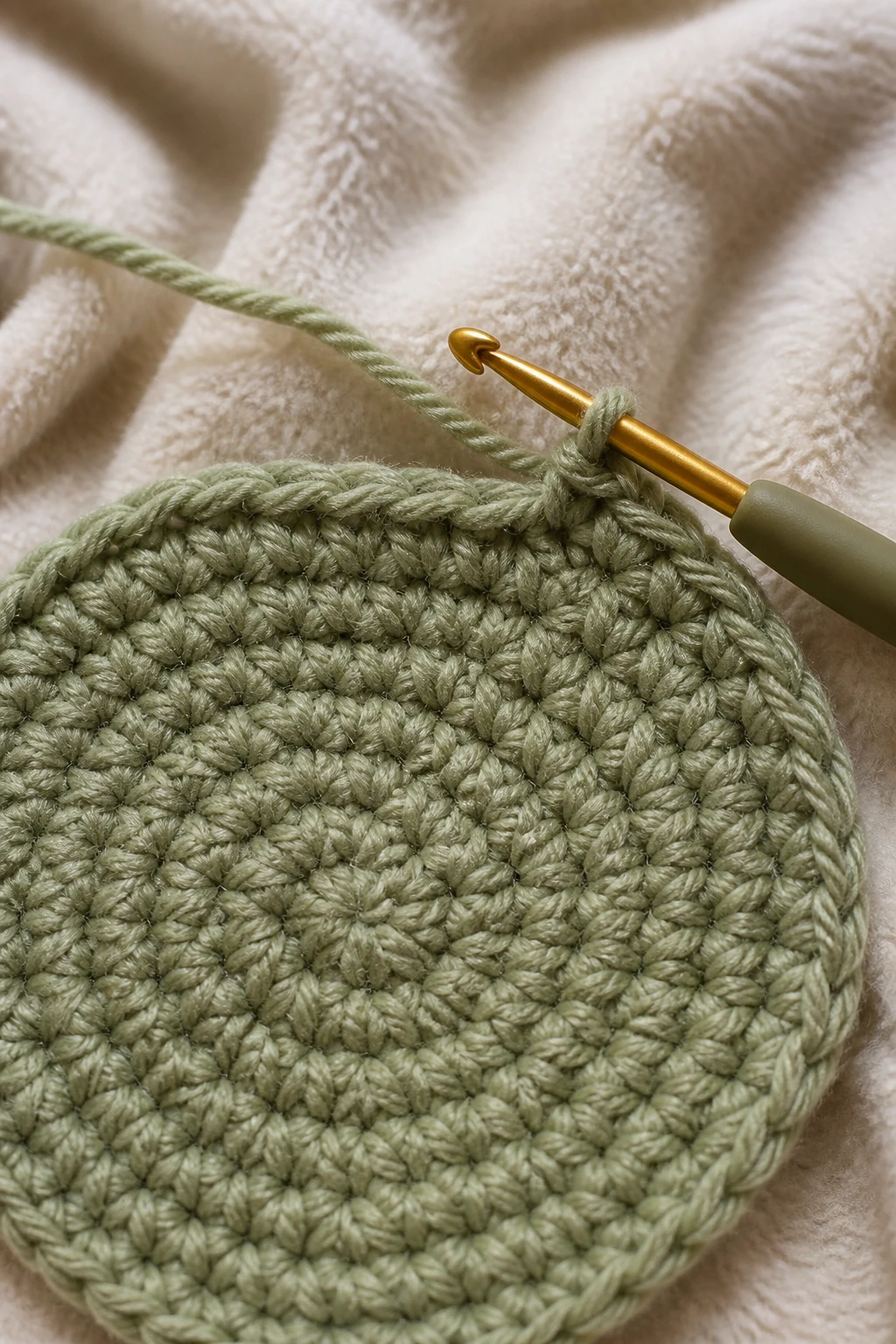
These two are the bread and butter of mindless crochet. They’re predictable, forgiving, and work up quickly enough not to bore you to tears.
– Single crochet (sc): The standard workhorse. Tight fabric, sturdy feel, and easy to recognize where you are in the row.
– Half-double crochet (hdc): A touch taller than sc, so you finish projects faster without sacrificing too much texture.
- Pick a soft yarn with good stitch definition.
- Choose a simple garment, blanket, or scarf pattern as your canvas.
- Go monochrome or add a tiny stripe every few rows for a subtle variation.
Subsection: When to switch it up with a tiny texture
If you feel like your mind might wander, add a tiny texture change every few rows. For example, alternate between 2 rows of sc and 2 rows of hdc. It’s enough to keep things interesting but not enough to derail your flow.
– Texture pacing: keep a rhythm in your head—slip stitch rows every so often can feel like a mini puzzle without becoming work.
– Color breaks: a contrast color for a few stitches can reset your brain without complex counting.
The magic of moss stitch and extension stitches
If you want something that looks more intricate but still remains mindless, moss stitch is your friend. It creates a woven, tactile surface that hides mistakes and keeps you focused on rhythm.
– Moss stitch basics: you basically chain, then alternate single crochet and chain stitches across rows.
– It hides tension issues beautifully, so you don’t beat yourself up if your tension slides a bit.
Extension stitches like the long half-double crochet chain (Lhdc) or the surface slip stitch can add subtle texture without requiring perfect counting. They’re the kind of “expert look, casual effort” vibe you want.
Subsection: color play without complexity
Moss stitch loves color changes in small doses. Try adding a new color every 8-12 rows, or do a gentle fade using the same color family from light to dark. Your project stays engaging without turning into a math problem.
– Pro tip: keep your yarn tails manageable by using a simple yarn ball with a gentle hank. Less tangling, more stitching.
– Practical note: cotton blends can give a crisp moss stitch vibe; bulky yarn amps up the texture for blankets or pillows.
Stone soup technique: granny squares that aren’t exhausting
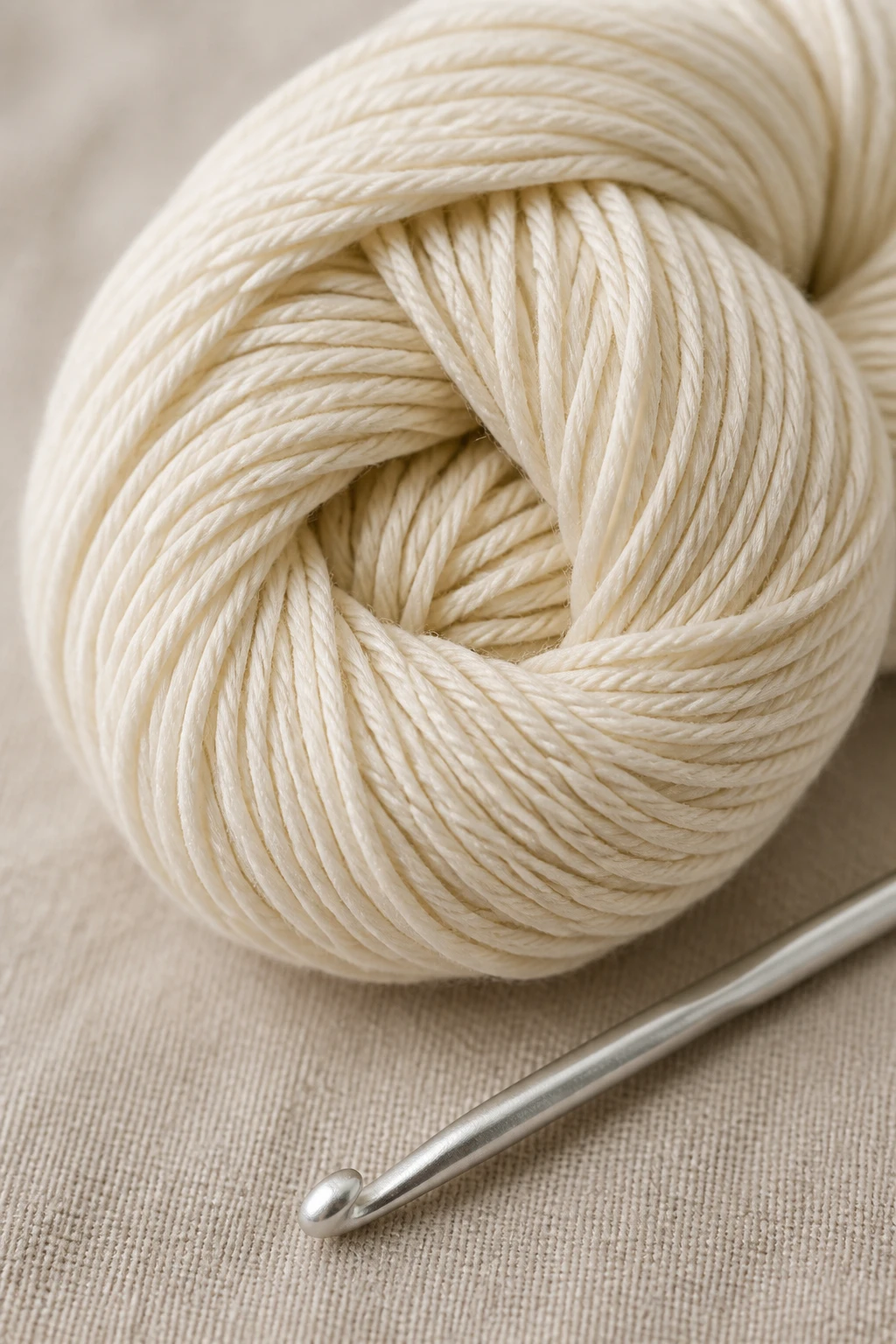
Granny squares feel iconic, but you don’t have to go full-on granny-a-thon to reap the benefits. The trick is to make it simple, speedy, and modular.
– Traditional granny squares: quick rounds with double crochet, creating a classic, cozy block.
– Modern minimalist granny: fewer rounds, simpler color changes, and a seamless join when you assemble.
- Kick off with a solid color center for easy matching.
- Limit color changes to every 2-3 rounds to reduce decision fatigue.
- Join squares with a simple whipstitch or slip stitch for a neat finish.
Subsection: what to do with your square squad
Squares are tiny, but they’re mighty for mindless vibes. You can:
– Build a blanket by joining 16–20 squares for a lightweight cuddle option.
– Make a throw pillow cover with four big squares.
– Turn granny squares into a tote bag panel—functional and chic.
And if you’re really in a hurry, go for a stacked granny stripe instead of full squares. Same mood, fewer corners to think about.
Ridge and ripple: easy texture that travels with you
Ridges and ripples give your projects personality without requiring a masterclass in pattern reading. They’re perfect for scarves, blankets, or throws that you want to look curated but not complicated.
– Front post/back post stitches create bold ridges, giving depth with a simple technique.
– Ripple stitches introduce gentle waves—fun to watch as the pattern grows, not so “what’s the next symbol again?”
- Use a simple color palette to avoid visual overload.
- Keep your hook size open to let the stitches breathe and reduce fatigue.
- Measure as you go to ensure your width stays friendly and predictable.
Subsection: mindless color choreography
With ridges and ripple, color changes can be used to define the rhythm. Try a long gradient or repeating color blocks to give you something to anticipate every few rows.
– Quick tip: join colors with a slip stitch seam on the wrong side for a clean finish.
– FYI: darker colors can hide mistakes better in texture-heavy stitches, so don’t stress too much if your tension slips.
Grab-and-go projects: quick comfort items
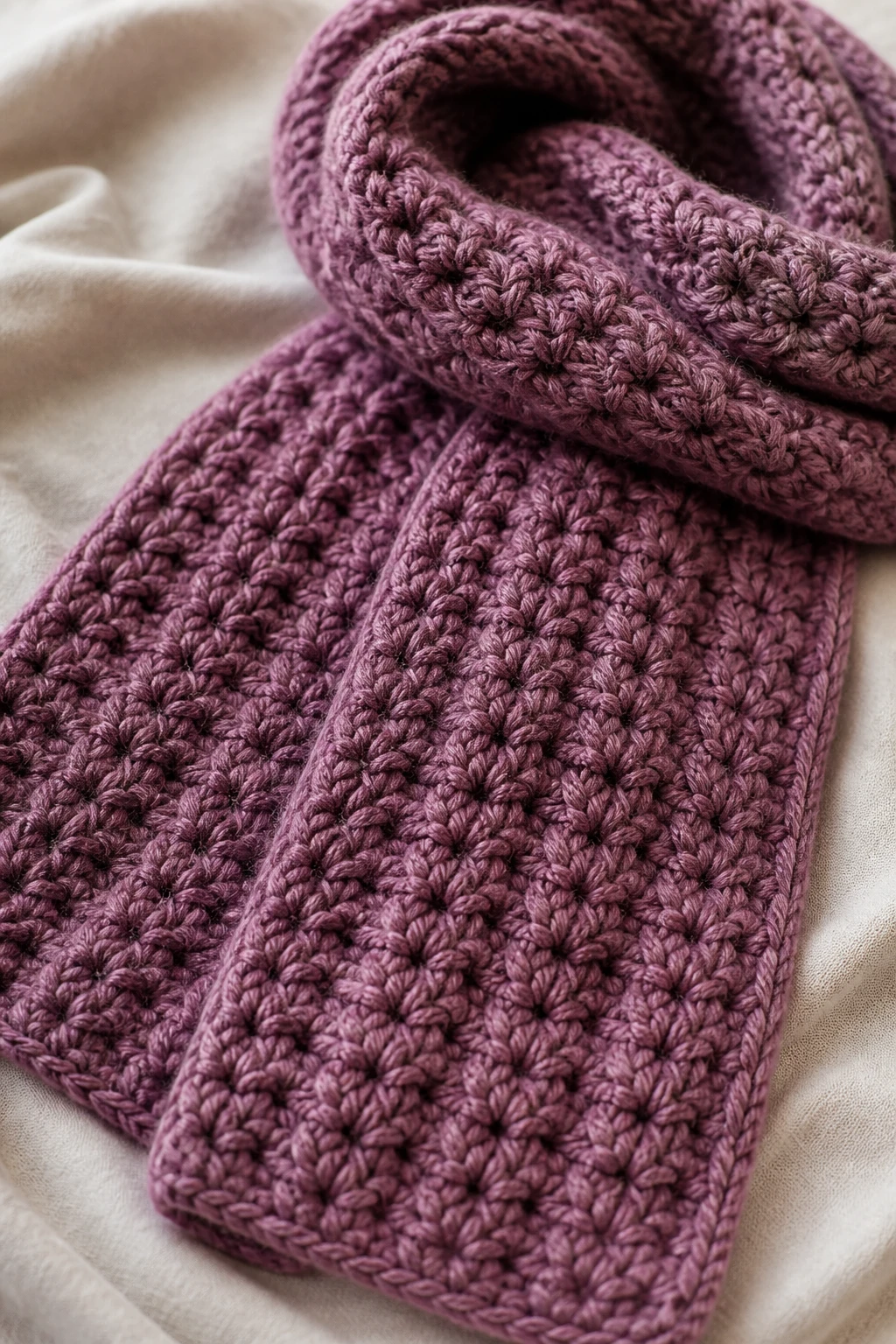
Sometimes you want a project that’s so simple you could do it in a coffee shop without fear of math drama. These staples fit the bill.
– Cozy scarves: a straightforward scarf in sc or hdc with a chunky yarn makes a fast, satisfying project.
– Lightweight shawls: try a simple stitch repeat in a triangle shape; it grows quickly but still feels breezy.
– Washcloths and dishcloths: practical, tiny, and a great canvas for texture without commitment.
- Choose a yarn you adore and a hook size that feels cozy in your hands.
- Stick to simple repeats—2-4-row blocks work wonders for focus.
- Keep a small project in your bag for those “between tasks” moments.
Subsection: the art of the quick finish
If you’re chasing a morale boost, finish a project in a single sitting. A chunky scarf or a set of dishcloths can check that box.
– Use super bulky yarn for a rapid turnaround.
– Don’t overthink the edging—garter stitch borders or a simple single crochet edge look polished without drama.
Special considerations for a truly mindless vibe
To keep the mindless magic alive, a few practical habits help when you shift into “auto-pilot crochet” mode.
– Yarn choice matters: soft, forgiving fibers reduce hand fatigue. Think acrylic blends or cotton-bamboo blends for gentle texture.
– Hook comfort matters: ergonomic hooks can save your wrists on long sessions.
– Lighting is your friend: good light prevents eye strain and keeps your stitches even.
– Pace yourself: if your mind starts wandering to chores, slow down and reset every so often.
Subsection: counting without counting
The beauty of mindless stitches is that you don’t have to count to success. Use markers sparingly to keep track of rows and color changes, not every single stitch.
– Mark the start of each round in circles to avoid losing your place.
– Use a contrasting stitch marker or a bit of scrap yarn to keep your rhythm intact.
FAQ: quick answers for your mindless stitch session
How do I pick the right stitches for a truly mindless project?
Start with familiar, repetitive stitches like single crochet and half-double crochet. Add a touch of texture with moss stitch or ridge patterns, but avoid anything that requires complex charts or frequent counting. If a pattern feels like a math problem, turn back and choose a simpler route.
What yarn weights work best for mindless projects?
Chunky or bulky yarns make everything feel easier and faster, especially for scarves, throws, and cushions. Lightweight cottons work great for dishcloths and smaller edibles, while acrylic blends are forgiving and easy to care for. Pick something you enjoy touching—comfort is part of the experience.
Is it okay to skip gauge for mindless projects?
Yes, for mindless projects you can skip strict gauge. The goal is cozy practicality, not runway precision. If you’re making a blanket or pillow, a loose approximation is fine. If you’re making wearable items, you might want a quick try-on check, but don’t stress if it’s a little looser or tighter than the pattern.
How can I keep things interesting without complicating the process?
Use color changes sparingly, alternate stitches to add texture, and try different yarn types in small doses. Change up the project type every once in a while (a scarf, a cowl, a blanket) to keep the mind engaged without spiraling into pattern overload.
What are some beginner-friendly mindless patterns to start with?
Blankets, simple scarves, and dishcloths are excellent entry points. Start with a large, repetitive stitch—like sc or hdc—on bulky yarns. Add texture in a separate project after you’ve built confidence with the basics.
Conclusion
Mindless crochet isn’t a lazy hobby; it’s a practical art form. It lets you unwind, chat with friends, and still walk away with something warm and gorgeous. The right stitches—sc, hdc, moss stitch, light textures, and simple ripple or granny-square-inspired blocks—combine to create projects that feel effortless and satisfying at the same time.
If you’re new to this vibe, begin with a no-drama trio: a soft scarf, a chunky blanket panel, and a set of dishcloths in a couple of coordinating colors. As you grow more confident, you’ll discover you don’t need to chase intricate patterns to feel accomplished. IMO, the best mindless projects are the ones that feel like a warm hug at the end of a long day.
So grab your favorite yarn, your comfiest hook, and pick a stitch that sounds like your kind of chill. You’ve got this—and your couch will thank you for the extra coziness.