The minute the hook of a tiny amigurumi is stitched, you’re hooked. Best yarn for mini amigurumi projects isn’t just about color and price—it’s about tiny details that pop, hold up to play, and feel just right in a pinch grip. Let’s cut the fluff and zero in on what makes small-scale crochet sing.
What size really matters for mini amigurumi yarn?
Mini amigurumi usually means projects in the 1–4 inch range. That tiny scale? It demands yarn that doesn’t overpower the stitches or shed like a confession in a windstorm. The right yarn gives you clean stitches, crisp shaping, and that adorable, shop-window-soft look we all chase.
– Finer yarns tame tiny features: eyes, noses, and little ears stay precise when you use smaller weights.
– Less fuzz, less drama: fuzz can obscure the stitch definition, which is the opposite of what you want when you’re showing off cute little details.
– Consistency matters: variegated skeins are gorgeous, but random color changes can ruin tiny features. If you go variegated, pick a subtle palette and keep contrast in mind.
If you’re new to the micro world, start with a light fingering or sport weight. You’ll quickly learn what your personal taste is for density and texture.
The usual suspects: yarn families that work well
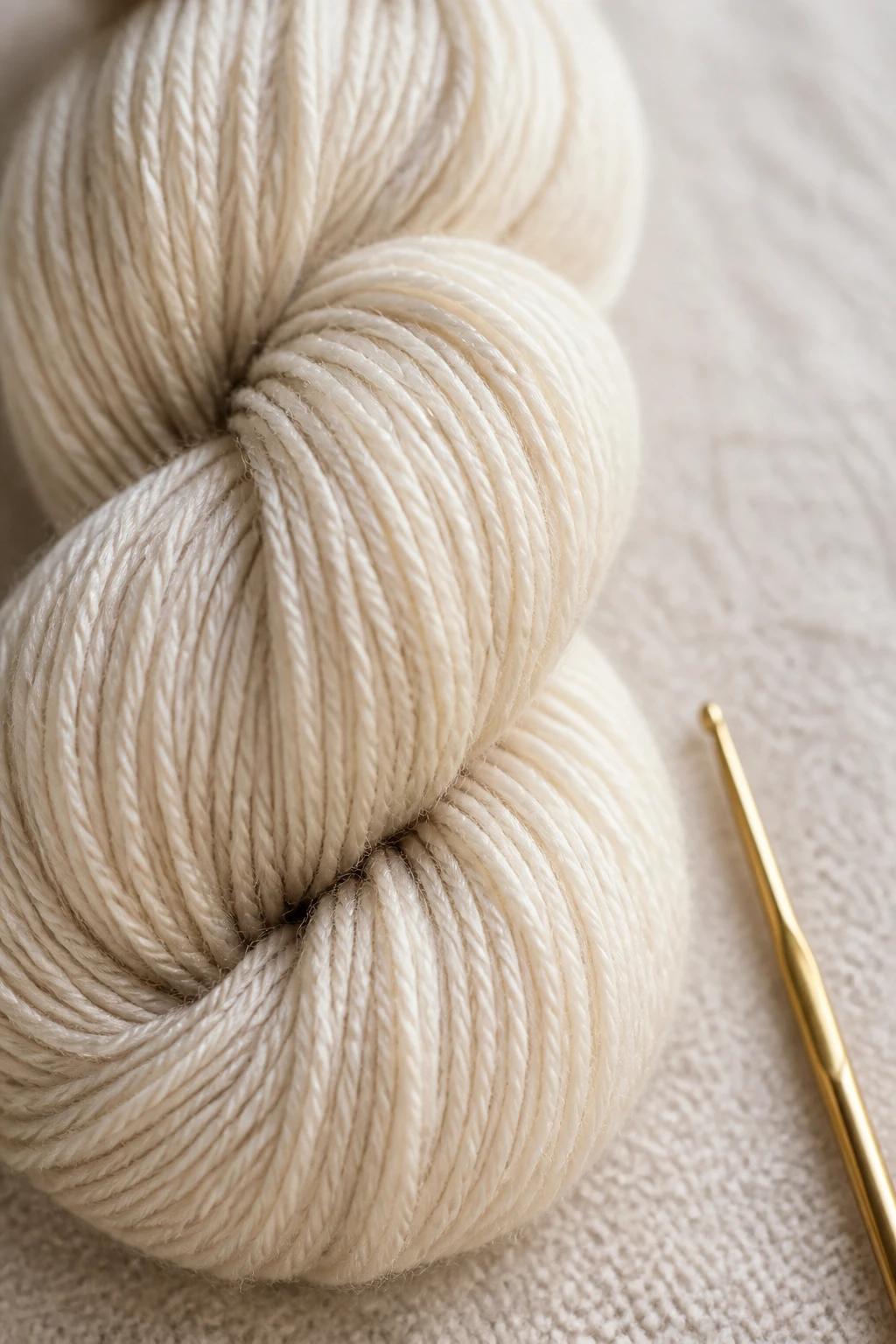
There are a few classic families that consistently deliver for tiny projects. Here’s the quick tour so you can shop without anxiety.
Cotton vs. Acrylic: the eternal debate
– Cotton: crisp stitch definition, natural sheen, and a washable friend that holds up to kids and pets. It’s perfect for tiny dolls with sharp edges. If you’re chasing a smooth surface and minimal stretch, cotton is your friend.
– Acrylic: forgiving, affordable, and available in nearly every color you crave. It’s a solid workhorse for tiny pieces that need a little give and easy shading. Plus, it’s easier to find in hand-dyed palettes.
If you want a luxe, posh look with tiny details, go cotton. If you want ease and a big color rainbow, go acrylic. FYI, there are blends that aim to give you the best of both worlds—more on that in a moment.
Yarn weight that won’t overwhelm tiny stitches
– Sock/fingering weight: the darling for mini projects. Most mini amigurumi is in this weight, because it makes tiny shapes pop without becoming a tangle of loops.
– Sport weight: a touch thicker, great for a chunkier mini that still looks delicate.
– 4-ply vs. 3-ply: the ply count matters for stitch definition. More plies can give sharper edges, but long color runs can blur tiny details if you’re not careful.
Choosing the weight is partly about how tight you crochet. If your tension is a little wonky, go for a slightly thicker weight to enhance durability.
Handfeel and finish: what your hands actually want
We often underestimate how much our hands care about the feel of the yarn. The wrong texture can make tiny amigurumi feel stiff or slippery. Here’s what to look for.
– Smooth and soft textures: look for smooth plies without big knots, and avoid heavily nubbly or boucle textures for minis. You want clean rounds and neat stitches.
– Ply and twist: a tight twist helps stitch definition. A yarn with a gentler twist can be more forgiving for beginners, but too loose and you get a fuzzy halo that hides your hard work.
– Colorfastness: tiny details can blur if colors bleed. Choose colorfast yarns, especially if you plan to stuff your minis with anything that might rub color onto the surface.
Tip: pre-wind a small batch to feel the texture and practice your tension before you commit to a whole project. FYI, swatching to check color and feel is not cheating—it’s strategy.
Color and personality: how to pick palettes for mini characters
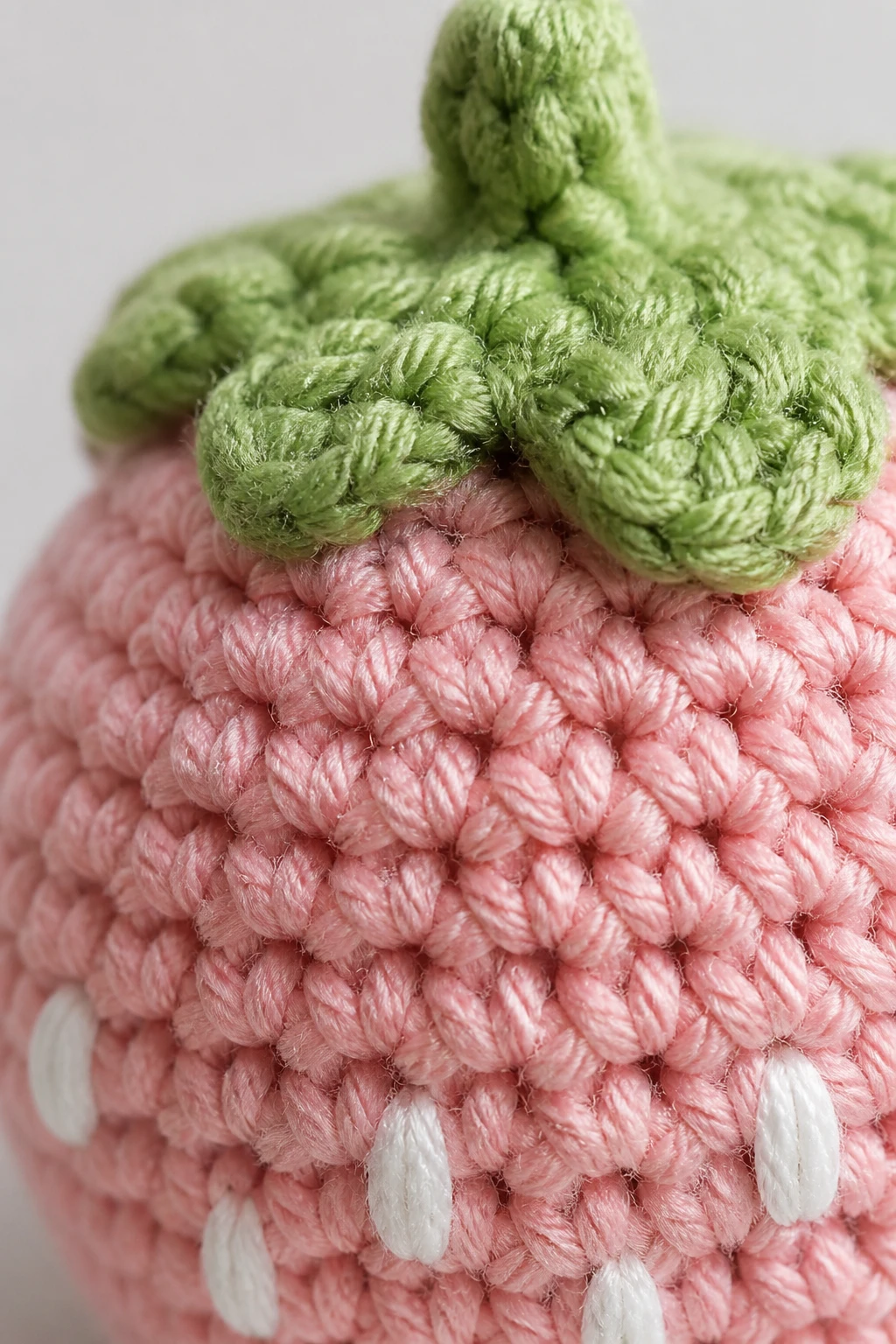
Tiny projects deserve big personality. Color matters more than you think because those micro stitches reflect every shade and shade shift.
– Contrast is your best friend: a dark outline around tiny features makes eyes and mouths pop.
– Subtle variations can read as shading: a hair strand here, a tiny highlight there—your mini will feel alive.
– Limit palette for discipline: a 3–5 color strategy keeps things cohesive and reduces the chance of muddied edges.
If you’re unsure, test a mini in a 1-inch square swatch. It’s the fastest way to know if your colors “read” correctly before you commit to a full body.
Durability and care: how long your minis will last
Mini projects aren’t just display pieces; they’re often handles and hugs in disguise. Here’s how to ensure they survive play, display, and the occasional tumble.
– Fiber resilience: acrylics are a hard-wearing option. Cotton can be durable but may wear a bit faster with frequent handling.
– Stitch tightness: consistent tension protects against gaps that can snag. It also helps with shape retention, so your mini doesn’t slump into a sad pancake.
– Stuffing compatibility: consider how your chosen yarn behaves with stuffing. Some fibers compress nicely, others repel, making your shape collapse over time.
– Washing and care: if you want to wash your mini, pick yarns labeled machine washable. Lock in colorfastness by washing with similar colors and using a gentle cycle.
For display-only minis, you can sacrifice some durability for softer texture. For toys or gifts that will be hugged, go tougher.
Practical picks: best yarn lines for mini amigurumi
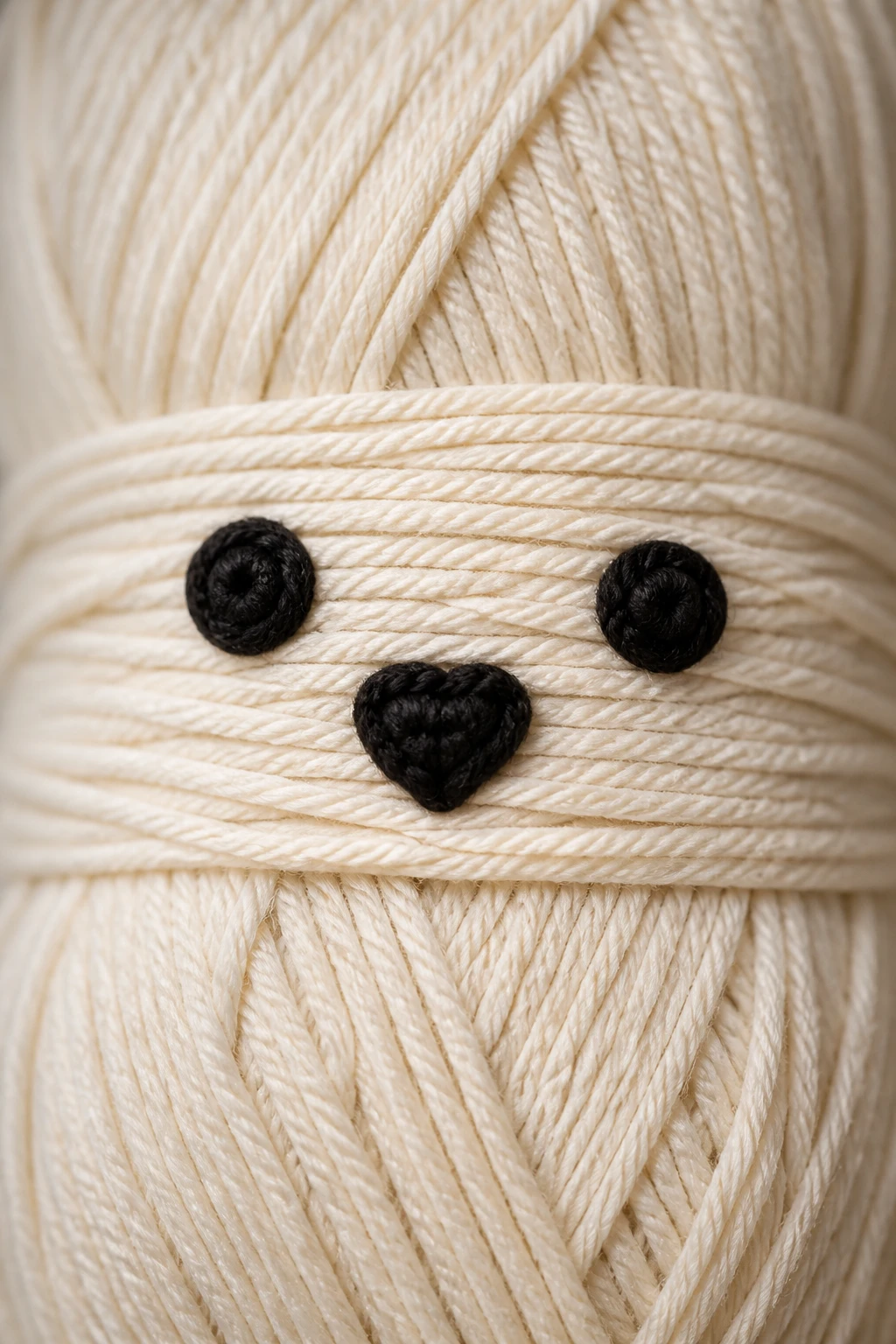
So you want workable, trustworthy options. Here are some reliable yarns that knitters and crocheters often reach for when the goal is cute little figures.
– Sock/fingering weight cotton blends: you’ll get crisp stitches with a nice, smooth surface. Look for mercerized cotton for extra shine and edge clarity.
– Acrylic sock-weight: a budget-friendly staple that comes in tons of colors. It’s forgiving, easy to work with, and machine washable—perfect for kids’ minis.
– 100% mercerized cotton: pristine stitch definition, subtle sheen, and great for fine detail work. It does require a touch more patience because it can be a tad stiff when new.
– Cotton-acrylic blends: a compromise between texture and durability. You’ll get a little of both worlds without sacrificing too much character.
– Small-batch hand-dyed yarns: if you want a unique mini with personality, pick a dyer known for tight twist and colorfastness. Expect a higher price, but the results are pretty spectacular.
What about brand names? I won’t go full shopping list, but AB products for mini work tend to be reliable. The key is to check tension, yardage, and care instructions rather than chasing a famous label.
Techniques that help tiny projects shine
The yarn is important, sure, but the technique makes the magic. Tiny amigurumi rely on precise rounds and crisp increases and decreases.
– Use a smaller hook than you’d use for a larger project with the same yarn. The hook makes a big difference in density.
– Tighten your stitches a notch to avoid gaps. Tiny gaps scream beginner vibes, so keep it neat.
– Stop at a comfortable stuffing point. Don’t stuff too much; it flattens the face and distorts shape. A little gives you that cute, huggable look.
– Weave ends carefully. Tiny ends can be the difference between a long-lasting piece and something that unravels if someone sneezes.
If you’re feeling experimental, try color changes in small sections to see how it affects the silhouette. Medium-level drama, zero regret.
FAQ
What yarn weight is best for 1–2 inch amigurumi?
For minis in the 1–2 inch range, fingering weight (sock weight) yarn is the sweet spot. It gives you crisp stitches and clean shaping without overwhelming the tiny figure. If you’re new to micro projects, start with fingering and move up if you want a chunkier look.
Is cotton better than acrylic for tiny projects?
Cotton offers sharper stitch definition and a more toy-like finish, which some people love for mini faces and tiny limbs. Acrylic is easier on the wallet, more forgiving, and machine washable. If you’re aiming for a delicate, precise look, go cotton. If you want easier maintenance and more color options, go acrylic. If you’re truly torn, a cotton-acrylic blend can be a nice compromise.
How do I avoid gaps in tiny amigurumi?
Keep your tension consistent and crochet tightly enough to prevent gaps. Use a smaller hook if you notice the stitches spreading. Some people like to go a fraction tighter for the last round of each piece to lock in shape. Swatching first helps a lot here, FYI.
What colors work best for tiny facial features?
Black or dark gray for eyes and mouth are classic because they pop against lighter skin tones. For a softer look, you can use a darker shade of the same color family or a deep brown. A tiny white highlight on the eye can add life, but keep it minimal so it doesn’t overpower the face.
Can I wash mini amigurumi without damaging the yarn?
If you choose machine-washable yarns, yes. Always follow the yarn’s care instructions. For delicate or hand-dyed yarns, spot clean or hand wash gently and lay flat to dry. The goal is to preserve color and shape, not to turn your mini into a frayed sculpture.
Do hand-dyed yarns work for tiny projects?
They can be stunning, but color changes can be dramatic on small surfaces. If you love the look, test on a tiny swatch first to ensure color shifts read well at small scales. Choose palettes with gradual transitions to keep details crisp.
Finding your personal mini yarn vibe
Let’s translate all this into your own little corner of the craft world. Start by gathering a small stash of a few trusted options and play with them on tiny swatches. Ask yourself:
– Do I love crisp edges or a cuddly, fuzzy surface on minis?
– Am I more concerned with color variety or colorfastness?
– Will these minis live on a shelf, become gifts, or get soaked in kid-friendly chaos?
Your answers will steer you toward your go-to yarn mix. IMO, a simple cotton blend for crisp details and a soft acrylic for color variety hits a sweet spot for many crafters.
Optional: quick mini experiment
– Pick a tiny practice shape (a 1.5-inch ball or a tiny cat ear).
– Crochet two versions with different yarns, same hook size.
– Compare stitch definition, how the fabric feels, and how it ages after a few minutes of handling.
– Decide which vibe you prefer for your actual project.
Conclusion
Tiny yarn, big impact. The best yarn for mini amigurumi isn’t about chasing the sparkliest skein; it’s about balance—between stitch definition, texture, color, and durability. Cotton is your friend for crisp features; acrylic gives you durability and color range; blends offer a pragmatic middle ground. Pair the right yarn with tight, deliberate technique, and your mini characters will have personality that rivals their life-sized cousins.
So, what’s your go-to combo for micro amigurumi? Do you crave lightning-fast results with affordable acrylics, or do you chase the delicate shine of mercerized cotton? Drop a comment with your favorite mini yarn, and tell me what tiny project you’re dreaming up next. FYI, I’m all ears and itching to hear about your latest tiny triumphs.