I’ll cut to the chase: starting crochet can feel overwhelming, but the right kit makes everything click. You want something that’s friendly, encouraging, and actually useful from day one. Let’s dig into the best crochet kits for beginners so you can skip the guessing and start making something you’ll want to show off.
What makes a great beginner crochet kit, really?
So you’re not just buying yarn and hooks hoping something magical happens. A true beginner kit should be simple, comfy to use, and forgiving when you mess up (which you will—perfectly normal). Look for clear written instructions or a quick-start guide, sensible hook sizes, and a handful of projects that won’t require marathon focus sessions.
– Clear instructions that assume zero prior knowledge
– Warm, easy-to-handle yarn (medium weight, not fuzzy)
– A hook that feels comfortable in the hand
– A couple of small starter projects to build confidence
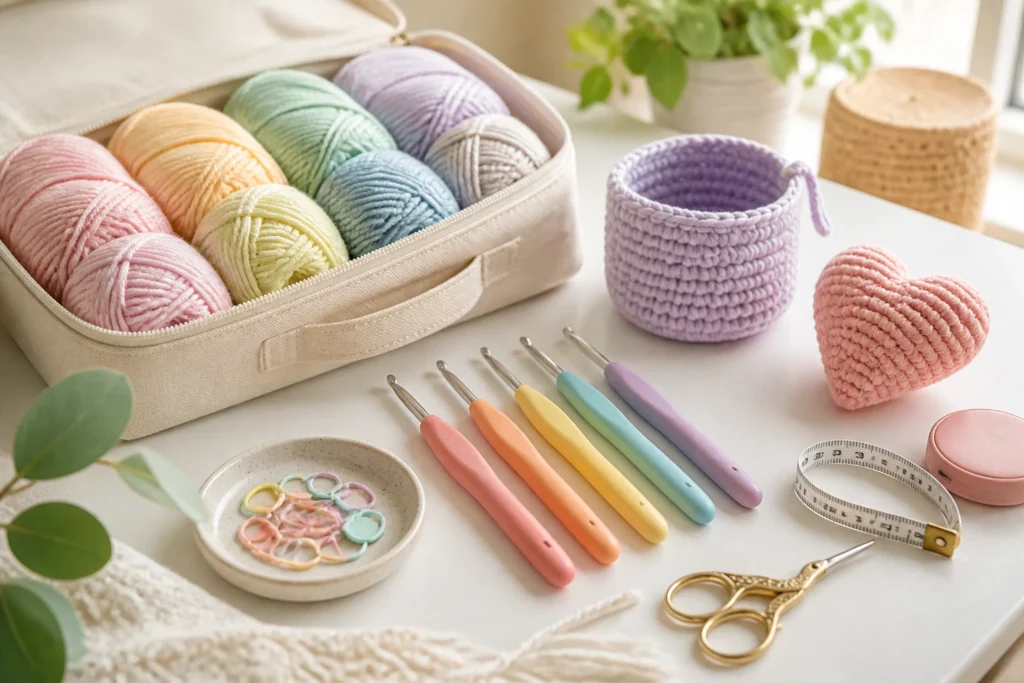
– Extras that actually help (tape measure, stitch markers, scissors)
If your kit checks those boxes, you’re off to a smooth start. FYI, the best kits aren’t just about the yarn—they set you up with the right mindset and a tiny sense of accomplishment right away.
Top pick: all-in-one kits that walk you through the basics

One of the most satisfying routes is an all-in-one starter kit. These typically include yarn, a few crochet hooks, a pattern book or card, and a couple of mini projects. The beauty? You learn by doing, not by staring at a long manual.
What to love
– Step-by-step project guides that gradually ramp up
– A gentle gentle-on-the-hands yarn choice so your fingers don’t revolt
– A mix of beginner-friendly projects ( plush mini animals, dishcloths, simple scarf)
Who it’s for
– Absolute beginners who want a clear path from first slip stitch to a finished item
– People who like a “one box, all set” shopping experience
Not a fit
– If you crave lots of colorways and specialty yarns from the start, these can feel limiting. It’s totally fine to grow beyond this later.
Best kits for tiny wins: quick-start projects
If you want to see progress fast, look for kits that prioritize quick wins. Short, satisfying projects give your brain that dopamine hit and your hands a steady sense of progress. Think washcloths, coasters, mini creatures, or a simple beanie.
- Dishcloths and washcloths: practical, forgiving stitches, and you can reuse the yarn scraps for practice.
- Coasters: small, fast, and you’ll actually use them on a daily basis.
- Mini plushies: hello, instant gratification with a cute payoff.
Tips to maximize quick wins
– Choose a medium-weight yarn (DK or worsted) in a solid color to better see your stitches.
– Pick a kit with an illustrated pattern and a cheat sheet for common stitches.
– Keep a scrap ball handy for quick practice runs before you start the real project.
Hook comfort matters: ergonomic kits you’ll actually like using

If your wrists start to complain after 10 minutes, you’ll abandon crochet faster than you can say “slip stitch.” Ergonomic crochet hooks and thoughtfully designed handles save you from fatigue and let you crochet longer with less grief.
What to look for
– Cushioned, textured handles or aluminum hooks with rounded heads
– A light, balanced feel so you don’t grip like a vice
– A range of hook sizes included in the kit so you don’t have to go hunting later
Why it matters
– Comfort equals consistency. You’ll practice longer, you’ll learn more, and you’ll actually complete projects.
Learning aids that actually help (no fluff, just results)
Some kits include extra learning aids that seem small but actually shift your learning curve dramatically. These can be little stitch charts, pattern cards, or QR codes that link to tutorial videos. FYI, multimodal learning rocks for crochet beginners.
What to snag in a kit
– Quick-start guide with photos showing each stitch
– Stitch key or cheat sheet printable
– Access to short video tutorials or a QR code for walking through a pattern
Subsection: Video guidance vs. written instructions
Personal preference matters here. Some folks learn best by watching someone do it; others want to read and tape-mark everything first. If you’re unsure, pick a kit that provides both. You’ll be pleasantly surprised how fast you progress with a little of each.
Materials matter: yarn choices that won’t intimidate you
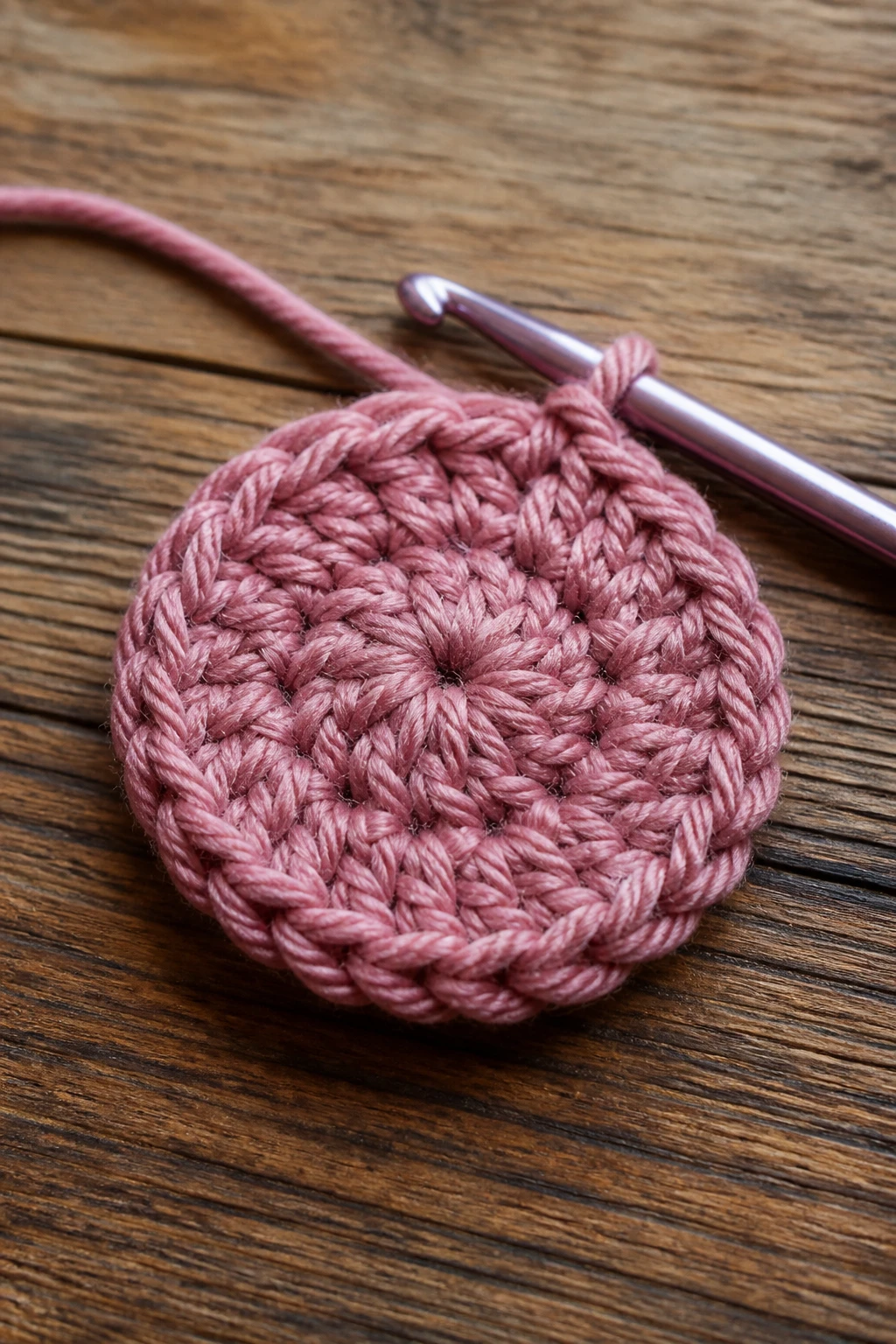
Yarn selection can be a make-or-break for beginners. Soft, easy-to-work-with yarn with a light color is your friend. Avoid fuzzy textures like boucle or super dark colors that hide your stitches. A good starter kit should include a medium-weight yarn (category 4) in a light solid shade.
Why medium-weight yarn?
– It shows stitch definition clearly so you can see your progress
– It’s forgiving for beginners because it doesn’t split as easily as thinner yarns
– It’s generally easy to find replacements if you run out or want to continue after the kit
What to avoid when you’re new
– Very fuzzy or textured yarns
– Very dark colors that conceal your stitches
– Very thin yarns (lace weight) that are tough to work at first
Projects that build confidence without burning out
Your first few crochet projects should feel achievable and fun. The right kit won’t drown you in a long, complex pattern. Instead, pick projects that give you a sense of accomplishment while teaching you core skills.
Common beginner-friendly project ideas
– Dishcloths or washcloths
– Simple scarves or potholders
– Small stuffed animals or amigurumi basics
– Headbands or coffee cup cozies
How to choose the right project in a kit
– Check the pattern complexity rating
– Look for projects that use basic stitches only (chain, single crochet, half double crochet)
– Ensure the yarn quantity is enough for a single project plus a small swatch
FAQ: your burning questions, answered
What are the most forgiving stitches for beginners?
Start with chain stitches to get your tension right, then move to single crochet. They’re simple, sturdy, and forgive minor mistakes because you can easily pick up a dropped stitch and rejoin. As you feel more confident, try half double crochet to mix things up.
How many projects should a beginner kit include?
Aim for 2–4 small projects plus a couple of practice swatches. Enough to feel accomplished without feeling overwhelmed. You’ll want a final project that uses a couple of stitches you’ve practiced, so you leave with a sense of real progress.
Is a digital or physical pattern better for beginners?
Physical pattern sheets are great for beginners because you can lay them flat and refer to them without losing your place. Digital PDFs are fine if you prefer their searchability and color-coding, just be sure the kit comes with a clear, well-lit pattern that’s easy to follow.
What if I don’t like the yarn in my kit?
That’s a bummer, but not the end of the world. Check the return policy, or repurpose the yarn into a practice swatch or a small project. If you’re really stuck, many beginner kits offer an exchange option or you can swap with a crafty friend.
Should I buy a kit with online tutorials?
If you’re a visual learner, yes. Online tutorials can reinforce what you’re reading and show you the exact hand motions. Just make sure you’re following a reputable source or the kit’s official tutorial to avoid confusing or conflicting instructions.
Starter kit pitfalls to avoid (so you don’t waste money)
You’re not looking for gimmicks—you’re looking for warmth, creativity, and a smooth path to your first finished pieces.
– Don’t buy a kit with tiny, obscure labels you’ll need a magnifying glass to read
– Avoid overly fancy yarns when you’re just starting; you want something you’ll actually enjoy working with
– Skip kits that cram in 10 different projects before you’ve even learned the basics
– Watch for hidden costs: extra tools or patterns that aren’t included in the kit
Personal tips from a crochet nerd who has lived the struggle
I’ve spent more evenings than I care to admit wrestling with a single scarf. Here’s what helped me—and could help you too.
– Start with a scrap ball: practice stitches without worrying about ruining a real project.
– Label your supplies: put a tiny tag on each hook size so you don’t mix them up in a panic.
– Find a comfy chair and a good light. If you’re squinting, you’ll give up faster than you can say “slip stitch.”
– Don’t be shy about asking for help. The crochet community is friendly and chaotic in the most wonderful way.
Conclusion
Starting crochet doesn’t have to feel like a riddle wrapped in a mystery inside an instruction manual. With the right beginner kit, you get clear guidance, comfy tools, and quick wins that keep you hooked (see what I did there?). Choose a kit that focuses on fundamentals, includes ergonomic grips, and packs a couple of easy, satisfying projects. Then sit back, relax, and let those stitches turn into something you’re genuinely proud of. IMO, you’ll be surprised at how fast you progress when the setup is friendly and fun. Happy crocheting!