I grabbed a hook needle and a ball of yarn, and you’re here to learn crochet from scratch. Let’s cut to the chase: crochet is fun, practical, and oddly addictive. By the end, you’ll know enough to start a tiny project and probably waste no time babysitting your hook like a clever cat with a ball of yarn.
What the heck is crochet, anyway?
Crochet is basically weaving yarn with a hooked needle to build fabric, one stitch at a time. It’s not knitting—kirking-ly enough, it’s a different animal with its own rhythm and cozy results. If you can tie a knot and follow a pattern, you’re halfway there. So grab your favorite starter yarn and let’s demystify the basics.
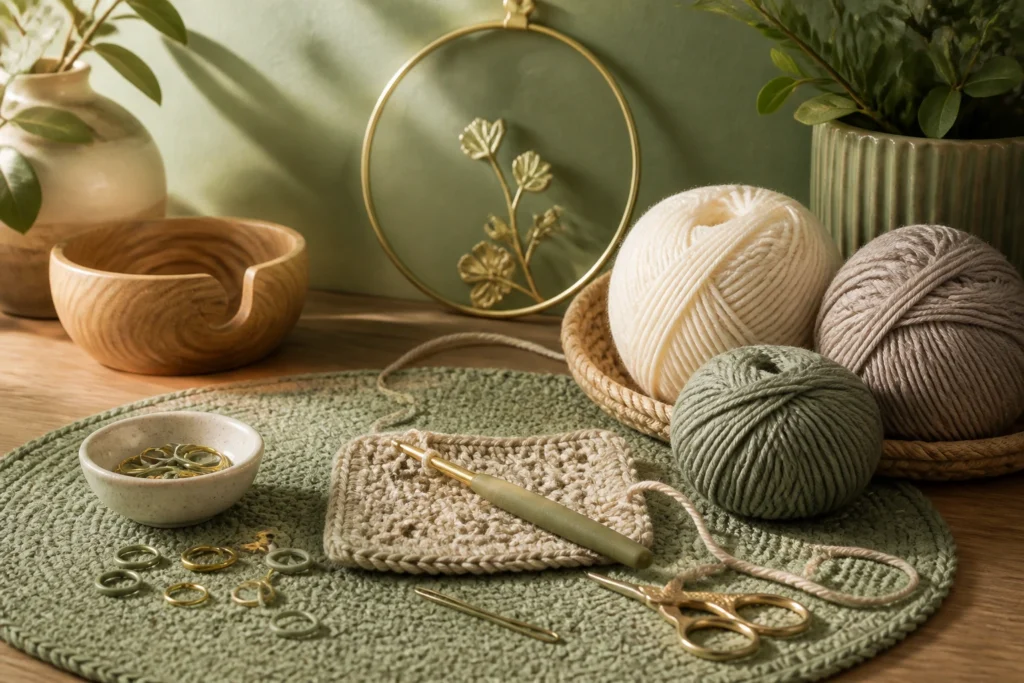
Tools you actually need (and what you don’t)
– Crochet hook: Comes in multiple sizes. The size matters because it changes how tight your stitches sit. Start with a medium size (like 5.0 mm or H-8) unless your yarn label suggests otherwise.
– Yarn: Beginner-friendly options include acrylic or cotton. Choose a light color so you can see stitches clearly.
– Scissors and tapestry needle: Scissors for snipping, yarn needle for weaving in ends.
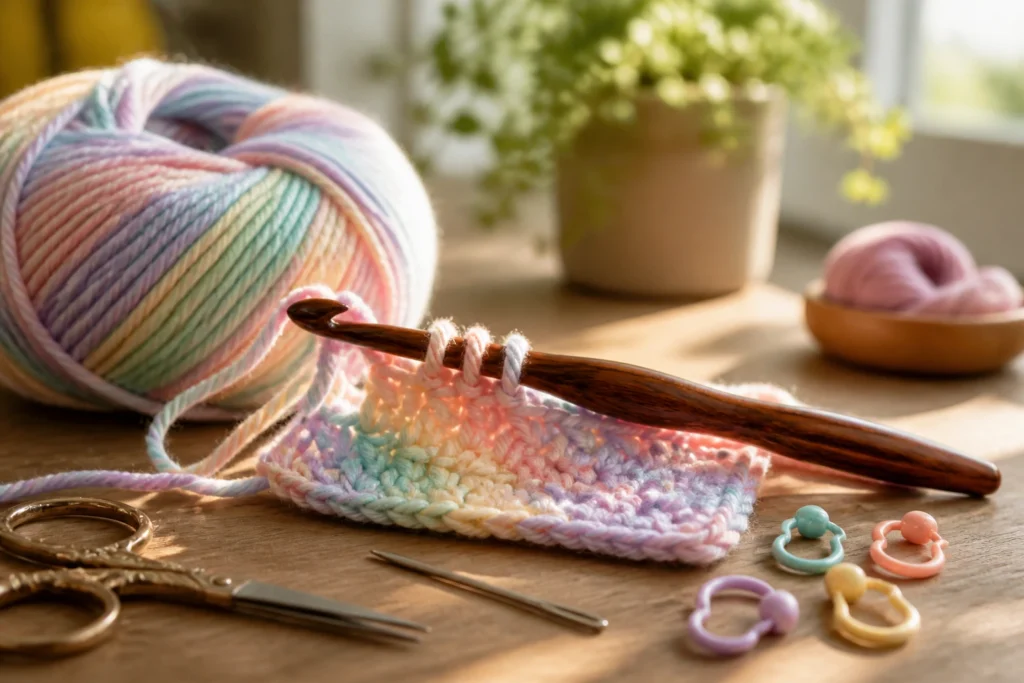
– Stitch markers (optional): Helpful to mark the first stitch or rows, especially when you’re learning.
FYI: heeding the yarn label is optional but smart. It usually tells you the recommended hook size and the recommended tension. That tension is what makes your projects fit.
First stitches: cha-cha through the basics
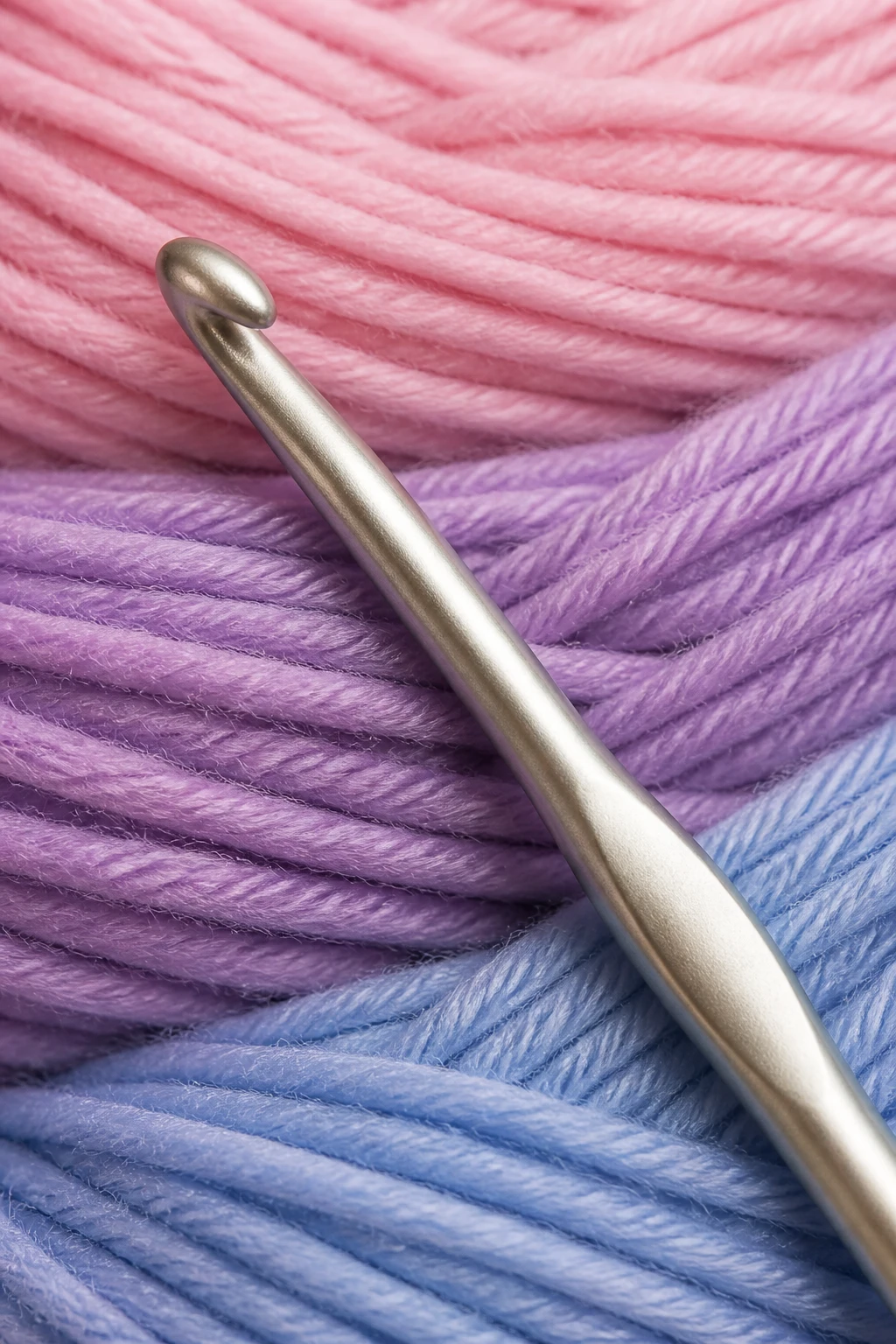
Starting out means learning a few simple stitches and a basic project to practice. Here’s your starter toolkit:
– Slip knot: The magic anchor that starts every project.
– Chain stitch (ch): The foundation you’ll build on.
– Single crochet (sc): The simplest “grow a fabric” stitch.
– Treble crochet (tr) or double crochet (dc): A little bigger, a little faster.
How to practice without crying into your yarn:
1) Make 6-8 slip knots and slide them onto your hook.
2) Chain about 20 stitches, keep your chain straight (no curl, please).
3) Work one row of single crochet into each chain.
4) Turn your work, and practice a couple rows of single crochet again.
If you’re getting tight stitches or loose loops, you’re not broken. You’re learning. Loosen up your grip a notch, don’t yank, and keep the yarn flowing smoothly.
Common mistakes and how to dodge them
– Tension drama: Crochet too tight, your fabric won’t stretch. Too loose, it sags. Aim for a medium grip and steady tension. If your stitches look “aneurysm-like,” slow down.
– Dropping stitches: It happens. Use a stitch marker to track where a row starts and ends. If a stitch slips, don’t panic—hook it back up and continue.
– Needle-yarn mismatch: The hook size affects your gauge. If your work ends up too small or too big for the pattern, switch to a different hook size.
– Skipping steps: Read the pattern’s abbreviations once, then again. A simple slip of a letter can wreck your project. IMO, patterns are not scary, they’re like a puzzle you get to solve.
How to read crochet patterns without losing your mind
Crochet patterns are your treasure map. They look like gobbledygook until you recognize the abbreviations. Here’s the quick cheat sheet:
– ch = chain
– sl st = slip stitch
– sc = single crochet
– dc = double crochet
– tr = treble crochet
– st = stitch
– rnd = round
– rep = repeat
Pro tips:
– Start with a beginner-friendly pattern that uses only ch, sc, and dc.
– Use a row counter or place markers so you don’t lose your place.
– Crochet shows up best in a bright light. If you’re tired, take a break and come back. Pattern clues won’t run away.
Project ideas to build confidence fast
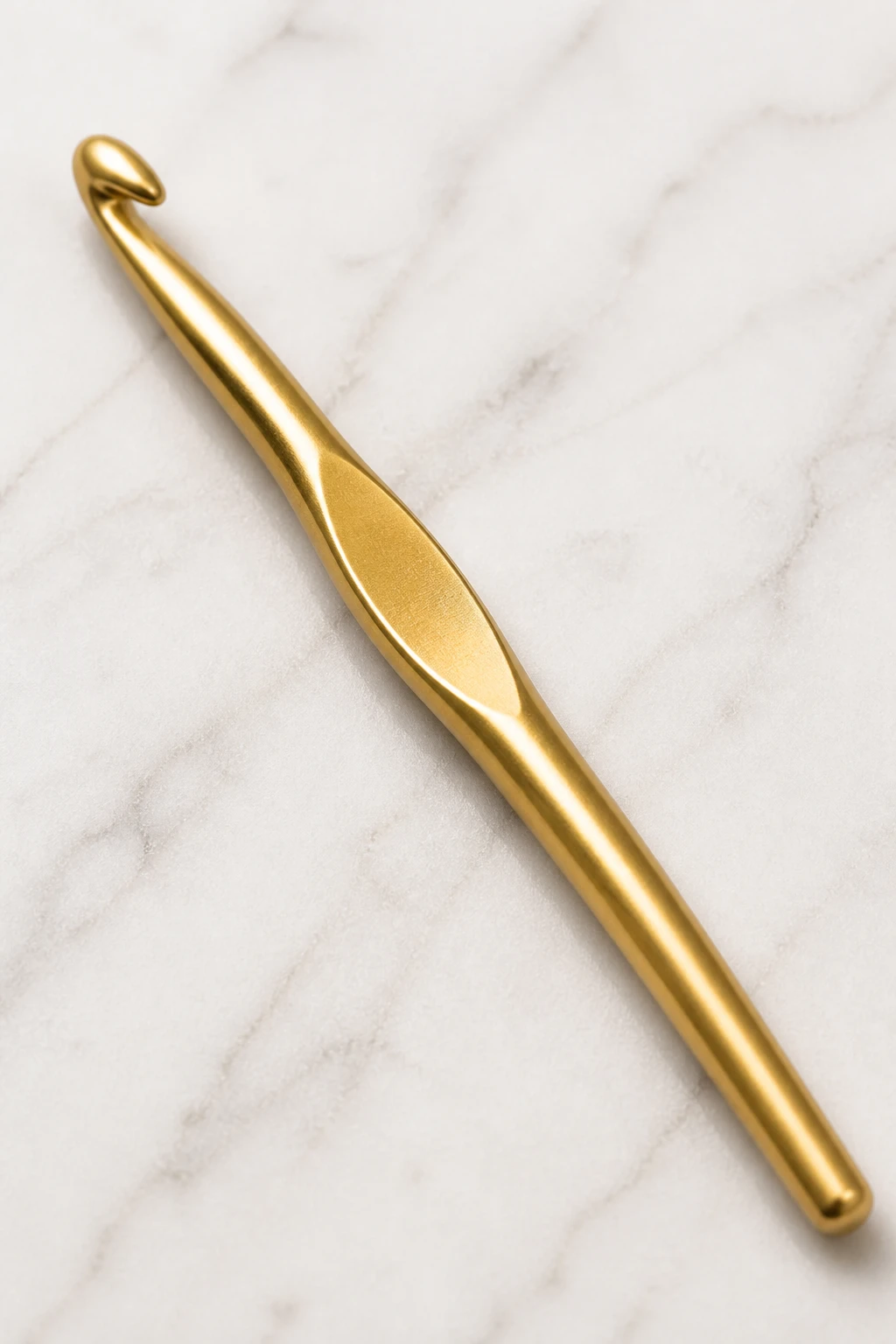
Starting small keeps the motivation flame alive. Here are the gentle steps to a satisfying finish.
– Dishcloths or washcloths: Quick, practical, and forgiving. They help you practice tension and edge stitches.
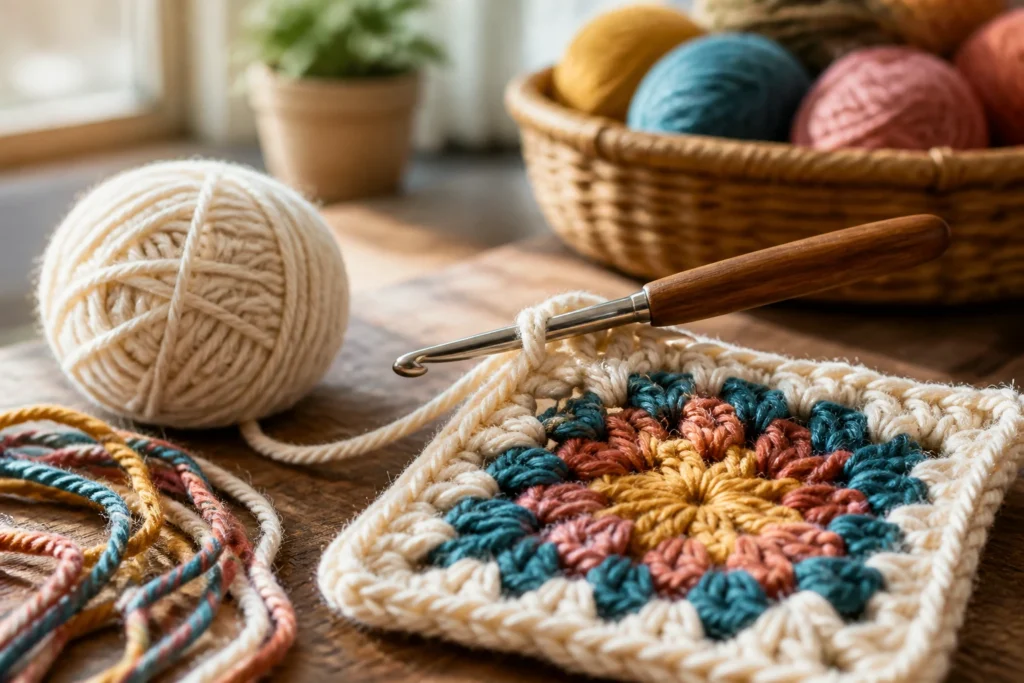
– Granny square basics: A classic that trains you to change colors and join pieces. It’s like crochet cardio.
– Headband or scarf: A quick wearable project that teaches you how to measure and adjust width.
– Bookmarks: Tiny, cute, and perfect for leftover yarn.
Color tricks and yarn handling
–
- Pick 2-3 colors to avoid a rainbow overload in your first project.
- When changing colors, finish the last stitch with the old color and pull through with the new color to secure.
- Weave in ends early to keep your work tidy and less “fiber tumbleweed.”
Gauge matters (yes, really)
Gauge is how big your stitches are relative to the pattern. If you skip gauge, your final product might end up too big or too small. For beginners, it’s acceptable to skip gauge on simple projects, but if you’re aiming for a hat or garment, measuring a swatch first helps a lot.
Blocking and finishing touches that actually matter
– Blocking is the magic that makes crochet stiff or drapey as needed. A gentle wash and lay-flat drying can reshape your piece.
– Weaving in ends matters for longevity. Use a tapestry needle, weave ends back and forth a few times, and trim closely.
– Stability tricks: For scarves or blankets, add a simple border (single crochet or slip stitch edging) to give the edges a clean finish.
Where to find support and keep the motivation high
– Online communities are your hype squad. Ravelry, Instagram, and Reddit have cozy corners where newbies ask questions and seasoned crochets share their hacks.
– In-person classes (or virtual workshops) can give you instant feedback, which is priceless when you’re still learning to “feel” the yarn.
– Local yarn shops often host beginner-friendly events. They’re the best places to score good advice and a warm cup of tea.
Building a learning habit
– Set a 15-minute crochet session a few times a week. Consistency beats marathon sessions that leave you frustrated.
– Keep a tiny project journal: note your hook size, yarn brand, and stitch counts. It makes future projects faster.
FAQ
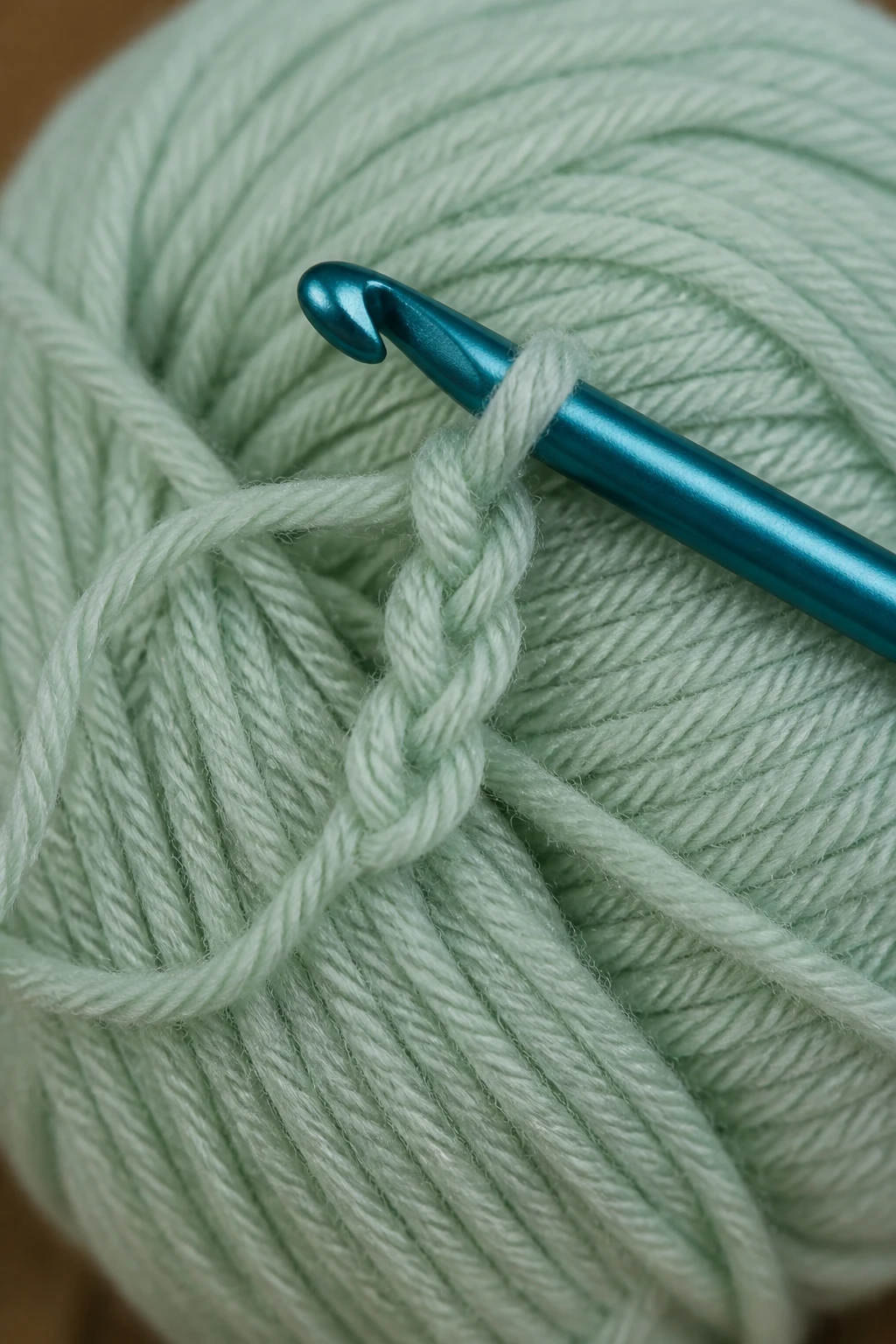
Do I need to learn every stitch to start a project?
Crochet basics are enough to begin. Start with slip knots, chain stitches, and single crochet. You’ll pick up more stitches as you go, and patterns will feel less intimidating.
What if I don’t have a fancy pattern—can I still crochet?
Absolutely. Start with a simple dishcloth or scarf pattern. Practice is practice, and you’ll gain muscle memory with every row. FYI, improvising a bit is totally allowed once you know the basics.
Why does my crochet look different from the pattern photo?
Different yarns, hook sizes, and tensions all change the look. Don’t sweat it. If your stitches are consistent, you’re doing great. Compare your finished swatch to the pattern’s gauge, and adjust next time if you want a closer match.
How long does it take to learn crochet well?
That depends on how often you practice and how ambitious you get. Most people feel confident with basic scarves or dishcloths after a few weeks of steady practice. The more you crochet, the faster and more accurate you’ll become.
Is crochet better with natural or synthetic yarn?
Both have perks. Acrylic is forgiving, affordable, and comes in bright colors. Cotton is sturdy and great for dishes or wearables. IMO, a mix works best for beginners: acrylic for practice, cotton for those “I’ve earned something nice” projects.
Instagram-worthy finishes you can actually make
– Cozy dishcloths with a little texture. They look stylish in the kitchen and wipe away guilt about using “practice yarn.”
– A small amigurumi figure for a cute desk buddy. It’s basically tiny crochet happiness.
– A simple cardigan or shawl after you’ve got your stitches down. It’s not a race; it’s a hobby with wearable rewards.
Common terms you’ll hear (and what they actually mean)
– Row vs. round: Rows are flat, rounds are circular. Most beginners start with rows.
– Front post and back post stitches: These give texture by wrapping around columns. For now, stick to basic stitches until you’re ready for a texture upgrade.
– Working yarn: The yarn you’re actively crocheting with. The other yarn is the tail you’ll weave in later.
Maintenance and care for your crochet babies
– Wash gently, ideally by hand or on a delicate cycle. Too rough can felt or fuzz yarns.
– Dry flat to keep shape. A quick tumble can loosen stitches and stretch edges.
– Store with space to breathe. Avoid crushing your projects; they deserve a little personal space.
Inspiration: keep the hobby alive
– Browse patterns that excite you, not ones that intimidate you.
– Set small, achievable goals: a dishcloth this week, a scarf next month, a granny square blanket by the end of the season.
– Share your work online or with friends. Positive reinforcement is a powerful motivator.
Conclusion (with
tag)
– Remember: crochet is a journey, not a sprint. You’ll learn, you’ll mess up, and you’ll finish something you’re proud of. The key is starting small, staying curious, and letting your creativity lead. If you’re ever unsure, FYI you can always go back to the basics and rebuild from there. Happy hooking, friend — your next cozy project is just a chain stitch away.