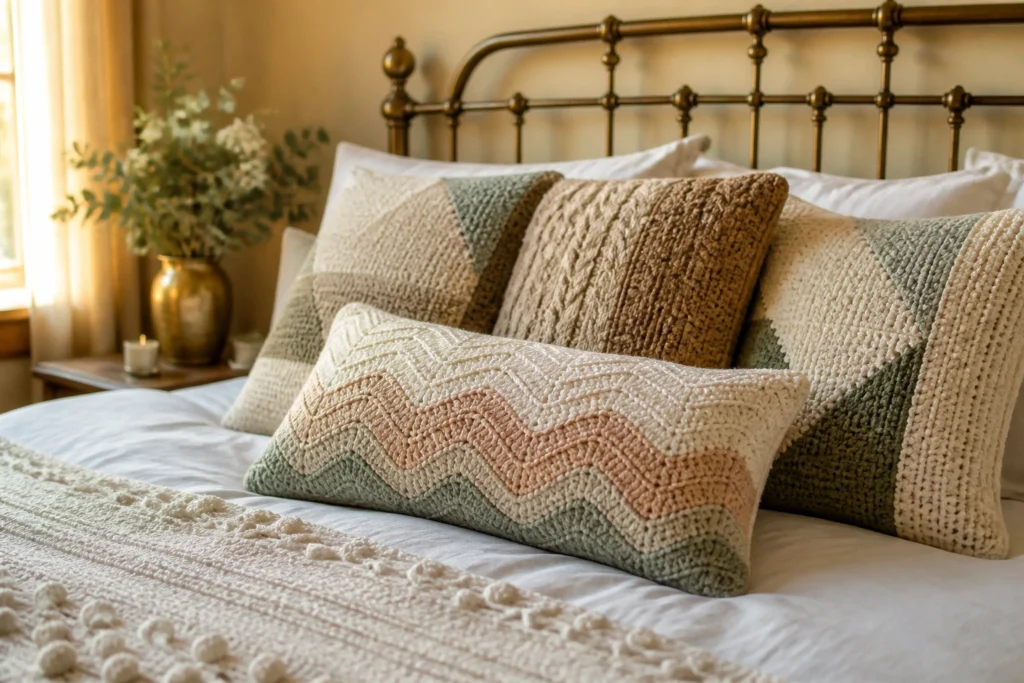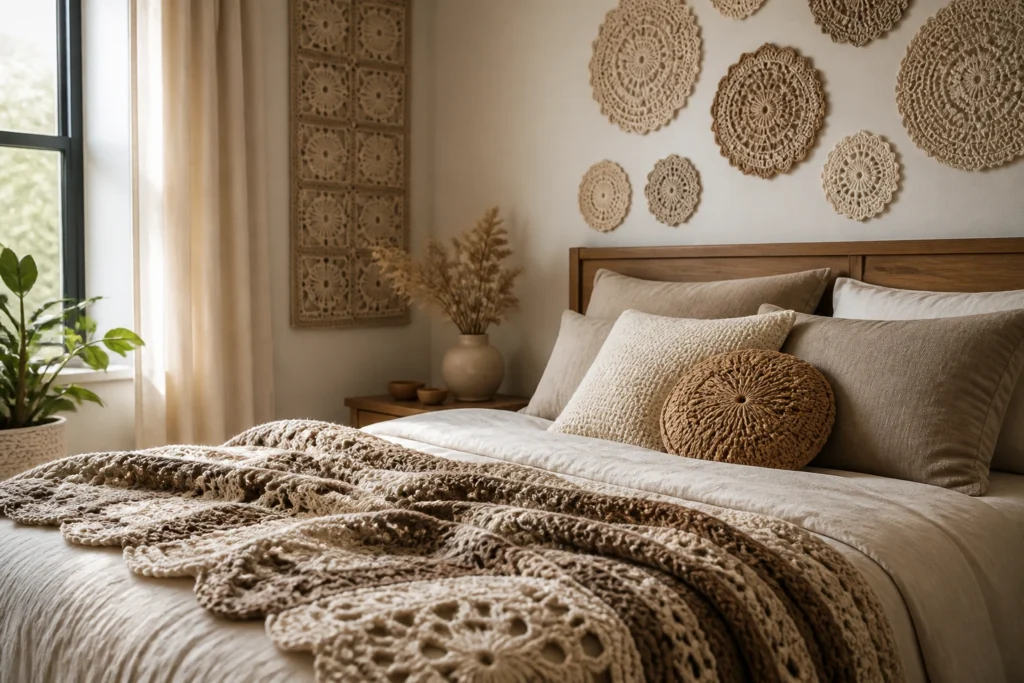
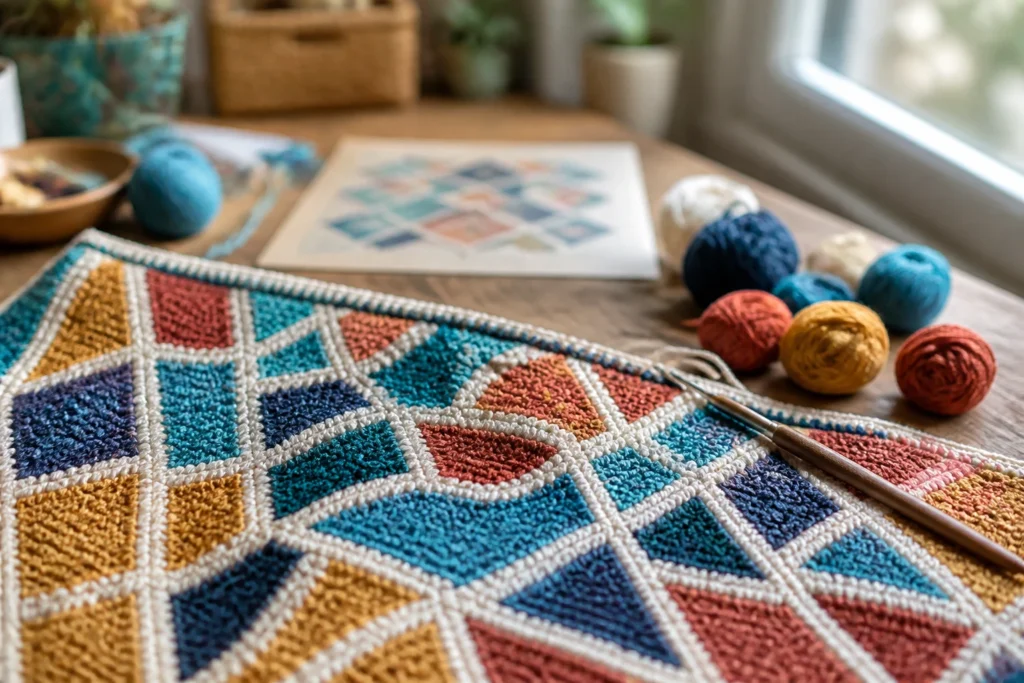
The first time you pull yarn through tiny crochet stitches and somehow a colorful image appears, you’ll swear mosaic crochet is magic. It isn’t, of course—just clever color play, tiny ladders, and a plan you actually follow. Still, it feels pretty magical when you wrap up a project and say, “I made that with my hands and a hook.” FYI, you’re hooked already.
What mosaic crochet actually is — in plain terms
Mosaic crochet is a method that uses slipping stitches and simple color changes to create intricate, tile-like patterns. Think of it as painting with yarn, but your brush is a crochet hook and your canvas is fabric you’re creating row by row. The trick? You’re only working with one or two colors per row, which makes the whole process feel surprisingly doable.
– You don’t have to master intarsia or tapestry technique to get big, bold results.
– You layer color by letting certain stitches rest and reappear in the row below.
– The result is crisp, graphic patterns that look complex but aren’t.
If you’ve ever wanted a high-contrast geometric blanket or a scarf that looks like stained glass, mosaic crochet is your passport.
How mosaic crochet differs from other colorwork styles
Two-color per row magic
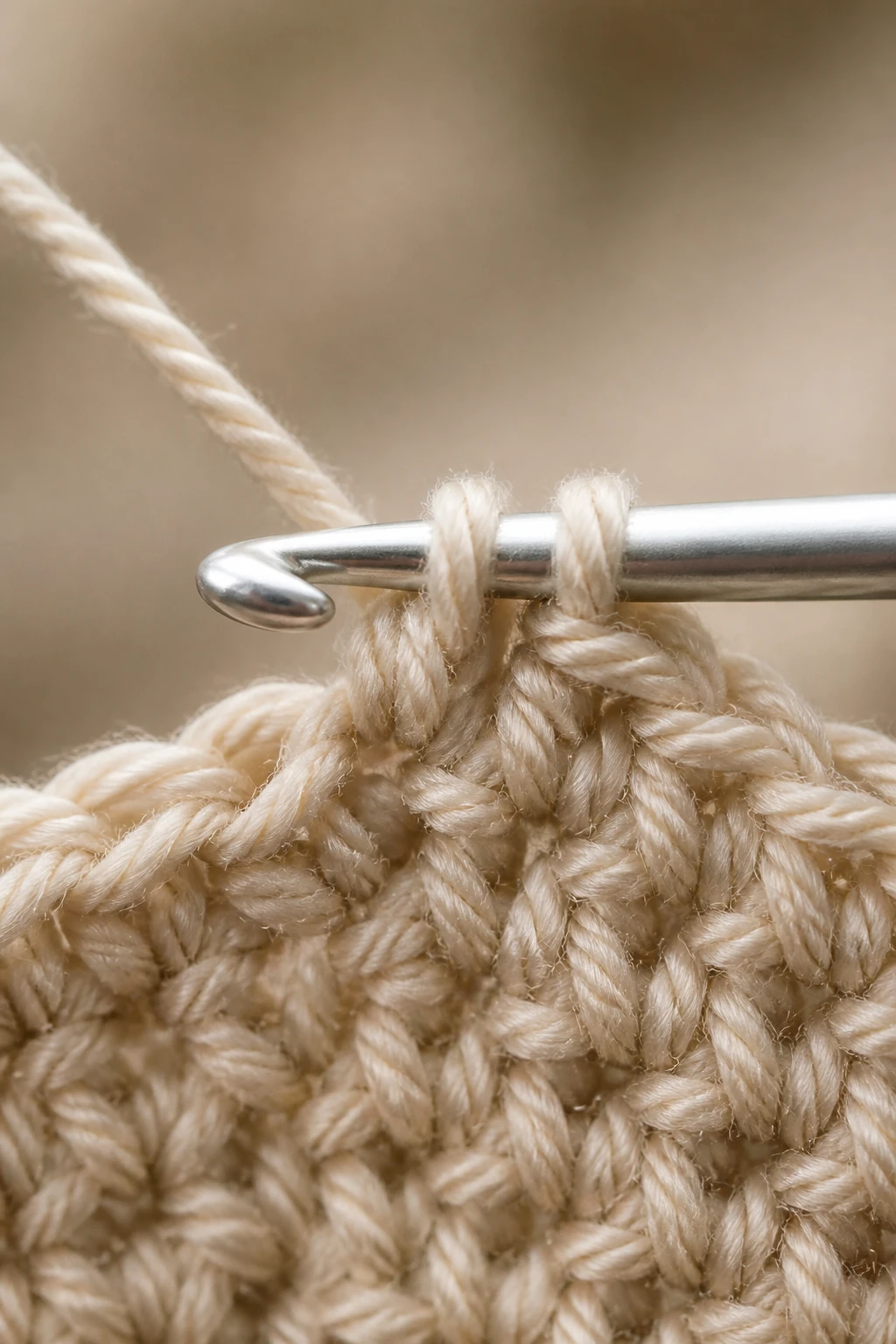
Most mosaic pieces keep it simple: you work with one color for a row, then switch to another. The key is slipping stitches at the end of rows to “hide” color changes and keep the visual mosaic clean. Do not panic—slip stitches are basically the quiet superheroes of this technique.
Why slips, not yarn tangles
Regular colorwork can get messy with tangled floats and yarn management. Mosaic uses slip stitches strategically so you don’t have long floats behind your work. The result is a neat, compact fabric that lies flat and looks polished.
Pattern logic, not luck
Patterns in mosaic crochet tend to be grid-like and repeat in predictable ways. You’ll often see a chart or written pattern that tells you which color to slip and when to change color. Once you learn the rhythm, the puzzles click into place.
Tools and materials you’ll actually want to buy
Yarn: the color story you choose
– Choose high-contrast color pairs for bold effects, or pick a subtler palette for a chic, modern look.
– Worsted weight yarn is a safe, forgiving bet for beginners. DK is great if you want something lighter.
– Opt for cotton or a cotton blend if you want a crisp stitch definition that shows off the grid-work.
Needles and hooks
– Use a crochet hook size that matches your yarn label. If you’re new, start with a medium hook and adjust as needed.
– A ruler or gauge swatch helps you keep the tile-like spacing even. No one wants wonky squares; that’s not a mosaic, that’s a kindergarten collage.
Extras that actually help
– A row counter or magnetic board keeps track of color changes.
– Stitch markers can be a lifesaver when you’re counting rows and not dropping stitches in the heat of color shifts.
– A simple chart or graph paper for pattern planning saves you from “Wait, which color comes next?” headaches.
Getting started: a simple workflow that does not require a PhD in math
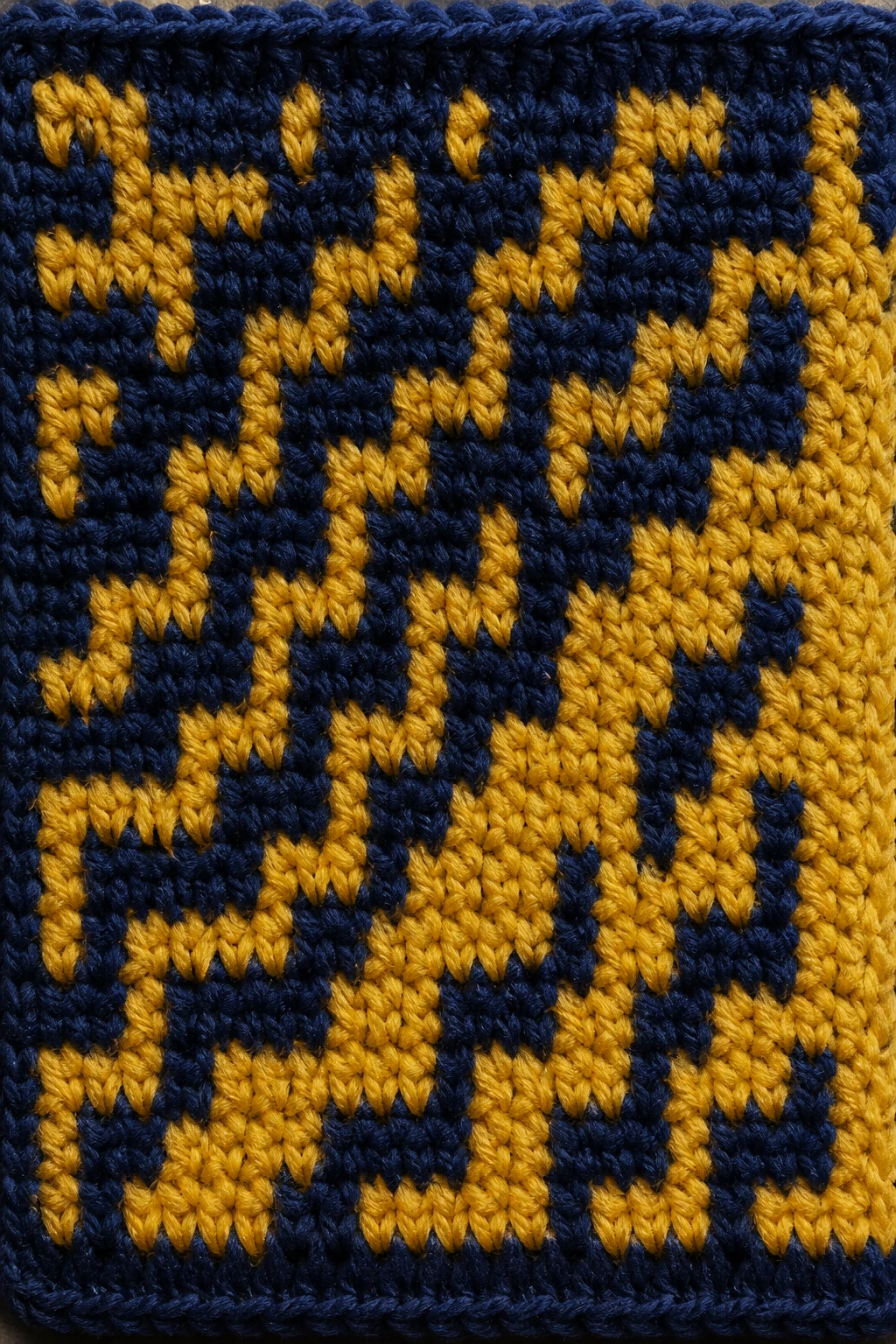
Pick a small, bold pattern to learn
Start with a motif that repeats every 12–20 stitches. It’ll feel less overwhelming and you’ll see results fast. A zigzag or checkerboard pattern is perfect for your first mosaic.
Plan your color palette
Decide on 2–3 main colors and 1 accent. Keep contrast high for the most dramatic tiles, or choose analogous tones if you want something subtle and chic. IMO, less is more when you’re just starting.
Swatch wisely, then dive
Make a mini sample: chain a few dozen stitches, practice your color changes, slip stitches, and counting. If your swatch feels stiff, you might be pulling too tight. If it’s floppy, you might be too relaxed. Find your sweet spot.
Pattern notes: reading mosaics like a pro
What you’ll typically see in a mosaic pattern
– A chart that looks like a pixel grid, with color blocks telling you exactly where to use each color.
– Written instructions that translate the grid into actual rows and stitches.
– Clear notes on where to slip stitches and when to change colors.
Common abbreviations you’ll encounter
– Sl st: slip stitch
– RS: right side
– WS: wrong side
– Ch: chain
– Sc: single crochet
– Dc: double crochet
Quick tips to keep your tension happy
– Maintain consistent tension as you work color changes. If your stitches start to look different after you switch colors, your tension slipped out of balance.
– Don’t pull too tight when you slip stitches. The goal is smooth, flat tiles that lie nicely.
From flat to fabulous: projects that showcase mosaic crochet
Blankets and throws
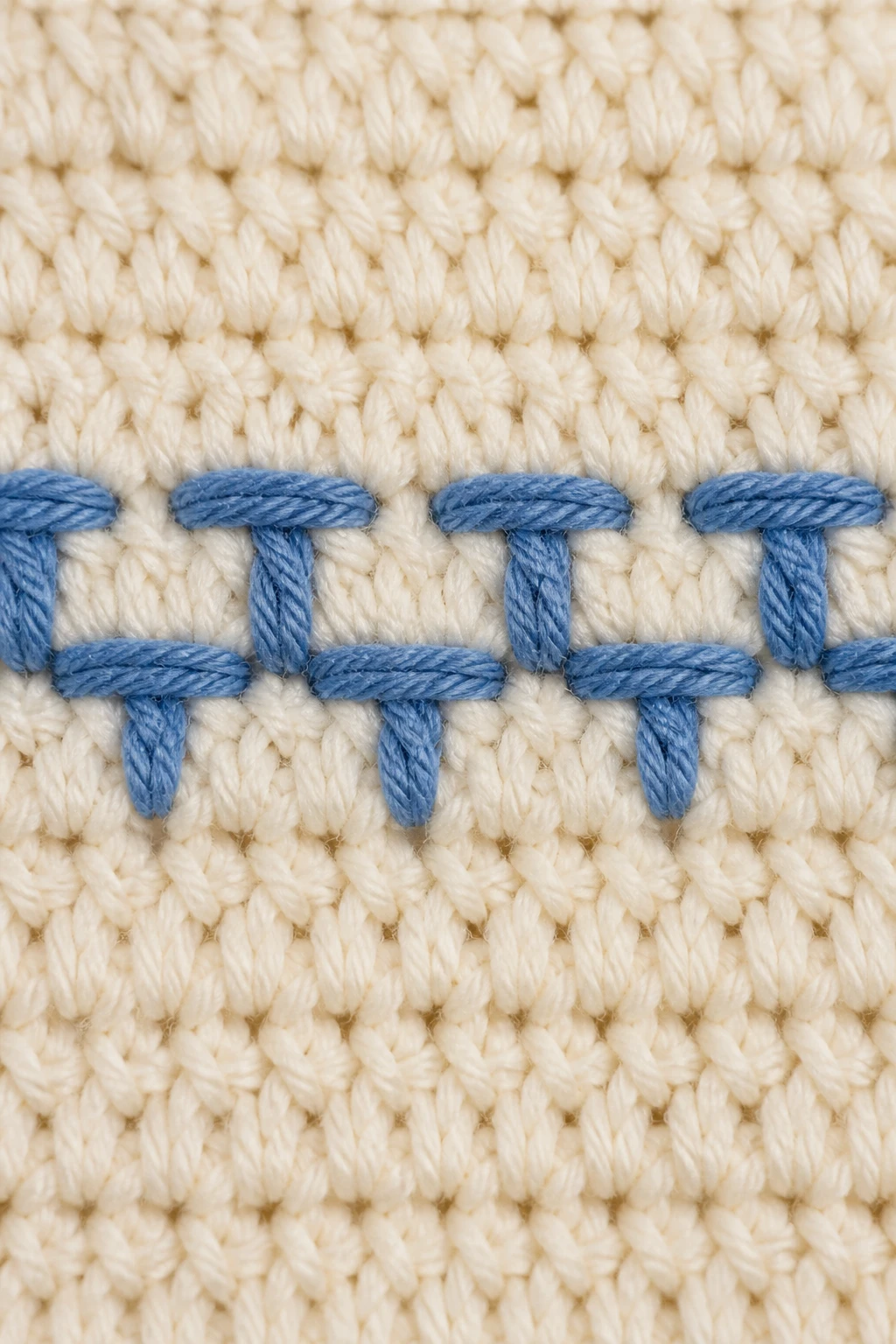
A mosaic blanket is basically a wearable art piece you can throw over your legs on chilly evenings. The repeating tile patterns give you a sense of progress as you work row after row. Plus, blankets are a great way to practice color changes without getting overwhelmed.
Scarves and wraps
Scarves let you experiment with scale and color without committing to a full project. A bold geometric scarf can be a conversation starter and a practical way to show off your early success in mosaic crochet.
Wall hangings and tapestries
Turn your hobby into wall art with a small tapestry in a high-contrast palette. It’s a fun way to test more complex motifs without the pressure of a large, multi-month project.
Bags and accessories
Cushion covers, tote bags, or laptop sleeves—mosaic crochet can add a punch to everyday items. A tightly worked piece will wear well and keep its sharp lines.
Tips, tricks, and little hacks that actually help
Split the project into manageable bites
Break your pattern into blocks or sections. Map out where color changes occur and set milestones. It’s incredibly satisfying to hit a blocker, then celebrate with a coffee because you just conquered a row set.
Block and press with care
A gentle block after finishing can help even out stitches and settle the piece into its final shape. Use a light hand, and pin edges to a foam mat or towel while it dries.
Fixing mistakes without a panic attack
If you miscount or slip a stitch, don’t panic. Frogging (that’s crochet-speak for unraveling) a few rows can correct the issue. For slippery color changes, you can rework the affected section. The sooner you catch mistakes, the easier the fix.
Common missteps and how to avoid them
Too-tight tension on color changes
Your fabric ends up stiff and not very forgiving. Loosen up a touch around color changes and you’ll find your tiles lie flatter.
Ignoring the pattern rhythm
If you skip a row or lose track of which color goes where, the mosaic loses its grid-like clarity. Keep a counter handy and double-check the chart every few rows.
Choosing the wrong yarn for the project
Some yarns behave differently when you carry two colors. If your chosen yarns have wildly different thickness or stretch, your pattern may look uneven. Pick similar weights and fiber blends for best results.
FAQ — quick answers to common mosaic questionsWhat level is mosaic crochet suitable for?
It’s beginner-friendly to intermediate. If you’ve crocheted a bit and are comfortable with slips and color changes, you’ll pick up mosaic crochet quickly. Start with a simple pattern to build confidence.
Do I need special hooks or tools?
No fancy tools required. A standard crochet hook that matches your yarn works. A row counter, stitch markers, and a chart or graph paper help a lot, but they’re optional.
Can I work mosaic crochet with blankets larger than a baby throw?
Absolutely. Start with a smaller square or panel to master the technique, then join panels as you go. Just be mindful of yarn ends and blocking so the join lines stay clean.
Why do some patterns require slipping stitches?
Slipping stitches helps hide color changes and keeps the surface flat and crisp. It creates the mosaic effect without long floats behind your fabric, which can snag or stretch.
What’s the best way to rip back if I make a mistake?
Gently undo the row you need, one stitch at a time, keeping the rest of your work intact. If you’re at a color-change point, drop back to a reliable marker point and rework carefully. FYI: take breaths, it’s not the end of the world.
Conclusion
Mosaic crochet is like painting with yarn, where the pixels are tiny stitches and the canvas is a cozy piece you’ll actually want to hug. It rewards patience, a bit of planning, and a willingness to embrace the grid. You don’t need to be a crochet wizard to make something striking—just a little curiosity, a splash of color, and a hook that feels right in your hand.
If you’ve been curious about that mosaic look but shy about trying it, start small. Pick a two-color tile pattern, whip up a swatch, and let the rhythm settle in. Before you know it, you’ll be sketching patterns in your head, seeing color blocks in everyday objects, and bragging a little about your growing repertoire. IMO, mosaic crochet is one of those crafts that sneaks up on you—one row at a time, you become a mosaic master in your own right. You’ve got this.