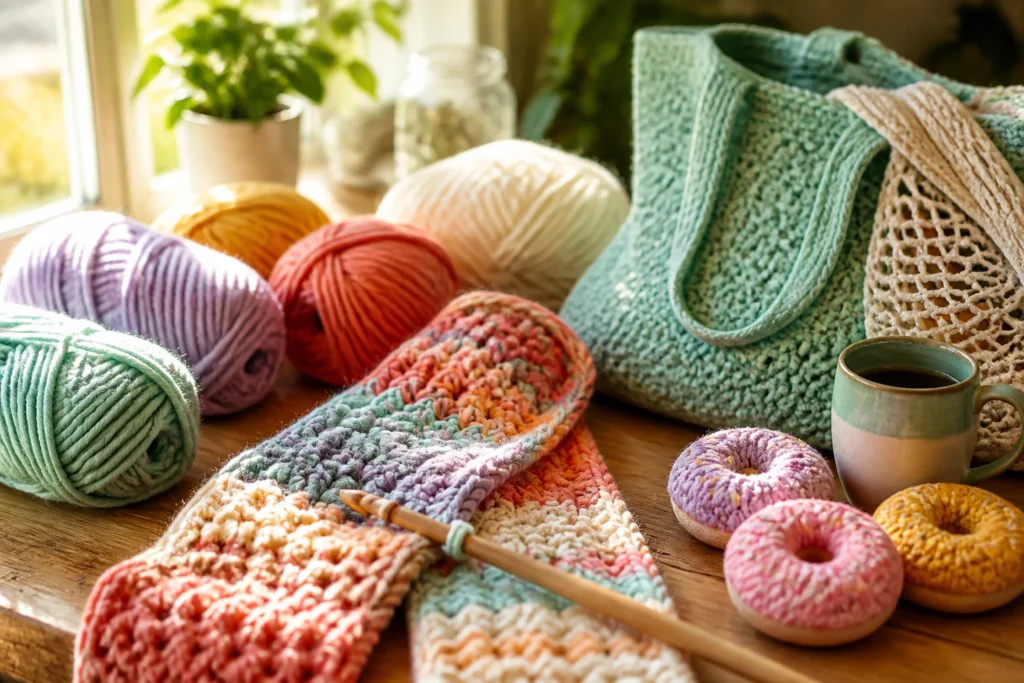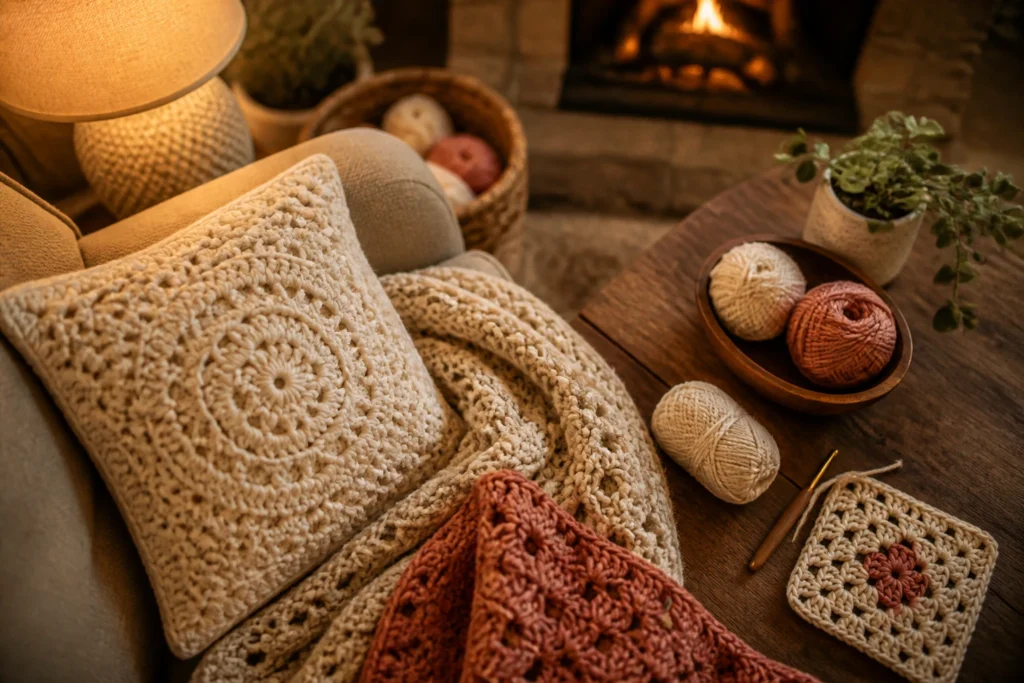

I know the feeling: you finish a row, look at your project, and somehow it sits almost-finished, taunting you from the corner of the couch. There’s a tote of nearly-done crochet projects, and you’re wondering if you’ll ever conquer that WIP mountain. Spoiler: you can finish more projects in less time with a few practical tweaks and a little bit of sass for good measure.
Set the pace: decide what “done” actually means
Do you know what “finished” means for each project? If you’re flailing between a blanket that’s halfway, a scarf that needs a border, and a hat that’s just a crown with no king, you’ll burn energy hopping between tasks. Choose a clear definition per project before you pick up your hook.
– Decide on one finishing goal per project: blocking done, ends woven in, or the whole shebang.
– Create a quick list: rounds to finish, border to add, ends to weave, blocking steps.
– Label your WIP pile with realistic deadlines. If something stares back at you for two weeks, it’s time to either complete it or frog it.
FYI, defining “done” early saves you from overthinking and endless tweaking. It’s the friendly nudge your future self will thank you for.
Curate your projects: pick the right contenders for this session
Not every project should be treated like a grand quest. Some are perfect for sprint sessions; others deserve a slower, savor-the-stitch approach. Before you start, pick 1–3 projects that feel doable in a single sitting or two.
– Choose projects with simple stitch patterns and minimal shaping when you’re short on time.
– Save intricate projects for when you’re feeling inspired or have a weekend marathon planned.
– Keep a “sprint-friendly” project in your project bag so you can grab it on a whim.
This is basically choosing the right snacks for a road trip: you’ll stay fueled and less likely to give up when the road gets long.
Speed tricks: practical changes that actually cut time
Here’s where we get into the good stuff. You’ll be shocked how small changes add up to big gains.
1. Plan the workflow, not the morning
– Map out every step from start to finish before you chain hook. If you know you’ll be weaving in ends at the end, do a quick ends-in-first pass while you’re watching a show.
– Use a simple checklist per project: start, main body, border, ends, blocking, finish.
– Pro tip: write your plan on a sticky note and slap it to your pattern page. If you’re a notebook person, a tiny notebook works wonders.
2. Use efficient stitches and consistent tension
– Consistent tension speeds up your progress because you won’t have to fix gauge later or redo rows.
– Favor straightforward stitch patterns for finishing bursts. Complex textures are gorgeous but can slow you down right before you want to call it done.
– If a pattern keeps gobbling your time, switch to a similar, simpler option for the last stretch.
3. Have a dedicated finishing station
– Create a tiny space with everything you need: yarn needle, scissors, stitch markers, blocking mats, pins, and a good light.
– Keep a separate bag or bin for finishing supplies. When you sit down to finish, you don’t waste time hunting for tools.
4. End weaving in: do it smart, not stubborn
– Weave in ends in small, repeatable steps as you go rather than saving them all for the end.
– Use a needle compatible with your yarn weight; a too-stiff needle slows you down.
– If you’re really pressed for time, choose projects with fewer color changes to minimize ends.
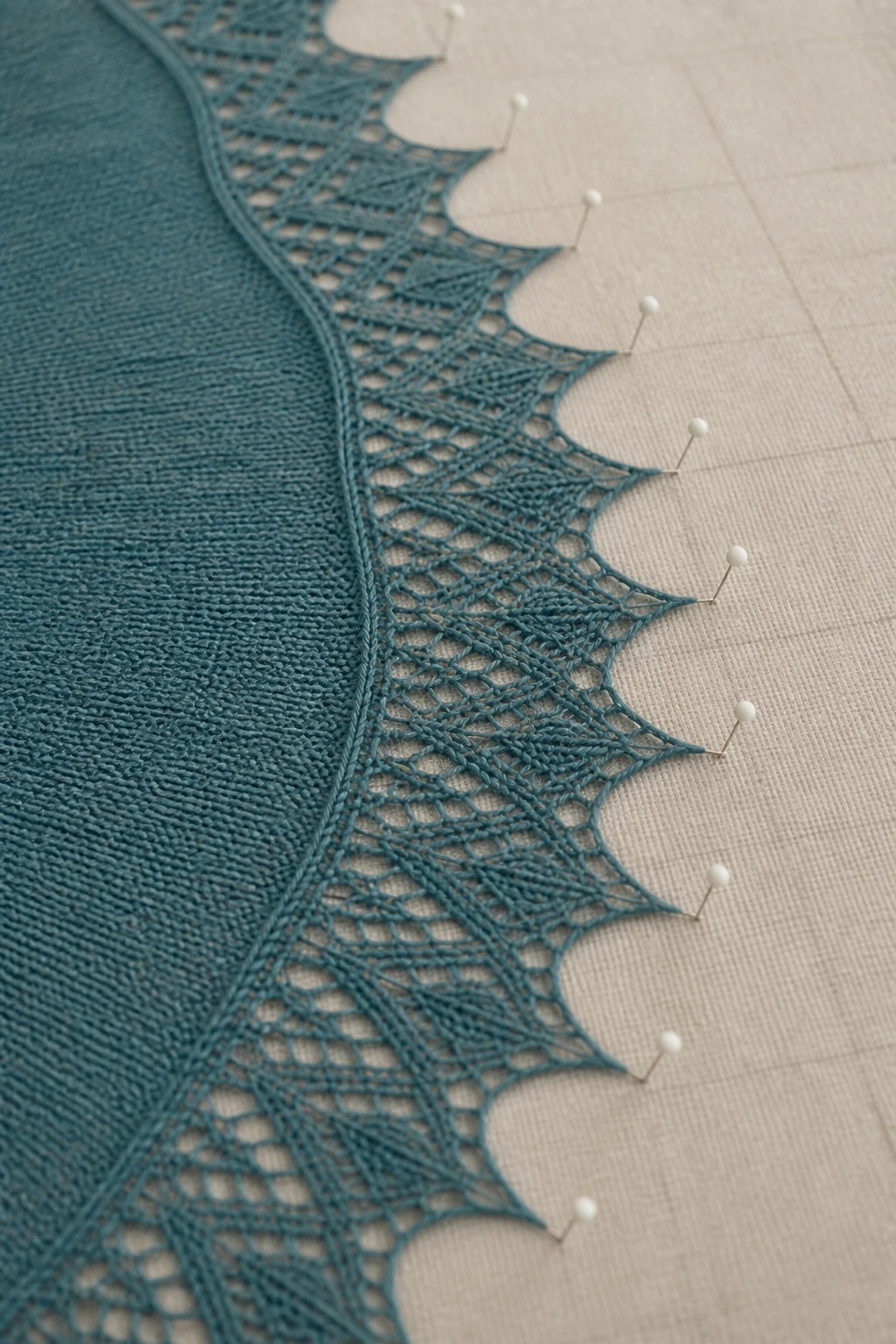
5. Block for a clean finish
– Blocking can dramatically improve the look with minimal extra effort.
– Use spray blockers or a light soak with a gentle shape guide. A quick set can make a big pattern pop.
– Pro tip: block in sections if you’re working on large pieces. It’s easier to manage and you’ll see the result faster.
Streamline your materials: the minimal kit that does the job

The right tools reduce friction. When you’re in a hurry to finish, the last thing you want is to rummage for a needle while you mutter curses at your project.
- Knitted-needle-like reliability: keep a good pair of scissors, a sharp tapestry needle, a row counter, and a few stitch markers within arm’s reach.
- Keep a “finish bag” with everything you need for weaving in ends and blocking.
- Have a dedicated hook for quick changes. If you’re in a rhythm, don’t waste time searching for a different hook.
A well-stocked kit is your best friend when you’re racing toward the finish line.
Time-saving planning rituals that actually work
Rituals might sound woo-woo, but they’re the secret sauce for steady progress.
Mini sprints, real results
– Set a timer for 15–25 minutes and commit to finishing a specific portion of a project.
– Take a short break, then rinse and repeat. It’s basically Pomodoro for crochet, minus the productivity guilt.
– Celebrate tiny wins. Finished a strip? Pat yourself on the back. You earned it.
Pre-commitment: declare your finish date
– Write down a realistic finish date for each project.
– Share your goal with a friend or your crochet group. Accountability helps you actually follow through.
– If you miss a target, reset with a new, kinder date and keep moving.
Batch ends weaving-in: one session, many finishes
– When you have several small pieces, weave in ends in one sitting rather than a little here, a little there.
– It feels like a tiny victory every time you snuggle the last end. Okay, maybe not a word, but you get the vibe.
Make-in-advance hacks: finishing while you crochet
Some finishing tasks can be folded into the crocheting itself, so you don’t have to dedicate a separate block of time later.
- As you go, crochet anchors and joins with finish-friendly methods. This reduces the number of ends you’ll have to weave later.
- When you switch colors, secure the old color with a few chain stitches at a precise moment, then continue. It saves you the end-weaving drama later.
- Document tricky sections. Take a quick photo of a tricky seam or turn method. If you forget, you’ll thank yourself later.
This kind of integrated finishing keeps momentum up and “almost-done” projects from becoming a months-long habit.
How to choose the right pace for you
Some folks sprint; others savor. The key is to know what pace fits your energy, your life, and your yarn stash.
- Energy check: if you’re jittery after two rows, switch to a calmer, simpler project for that session.
- Life check: if you have a busy week ahead, pick smaller projects or parts of a larger one you can finish in a single sitting.
- Stash-stewardship: use up older or longer-ago skeins in ongoing WIPs. It makes sense to finish when you can see the stash getting lighter.
Your pace should serve your life, not the other way around. If you’re forcing yourself, you’ll burn out and abandon more projects than you finish.
Real talk: common finish-slowdowns and how to crush them
Let’s call out the typical culprits and quick fixes so you don’t get stuck.
Fear of frogging
– If you’re worried you’ll waste yarn, remember: frogging is training wheels for better projects next time.
– Keep a “frog-friendly” rule: if you’re reworking a pattern 3 times, swap to a simpler version to finish faster.
Endless color changes
– Multiple color changes can feel glamorous but slow. Consolidate color changes where possible or choose self-striping yarns to reduce ends.
Blocking as a bottleneck
– Blocking takes time, especially for large pieces. Block in stages or opt for a light steam press to speed up the look. It’s not cheating; it’s smart finishing.
Community encouragement: share, swap, and celebrate
We crochet rebels love a little accountability. Share progress, swap finished items, and cheer each other on.
- Post a quick update in a crochet group with a photo and a goal. People will cheer you on and you’ll feel accountable.
- Host a small finish night with a friend or a virtual hangout. It’s amazing how a little social pressure can buoy productivity.
- Swap a WIP you’re over for a fresh one with a friend. It’s like trading video games but cozier and more yarny.
The social circle can turn finishing from a solo sprint into a series of small, joyful milestones.
FAQ
How do I finish more crochet projects without sacrificing quality?
Quality comes from planning, not rushing. Set a clear finish goal for each project, pick simpler patterns for sprint sessions, and weave ends as you go. A little blocking and careful finishing will keep your projects looking polished without dragging out the process.
What if I hate finishing tasks like weaving in ends?
Make it a habit by weaving in ends as you go or in short, dedicated sessions right after you finish a section. Keep a small, comfy needle and thread nearby. Pair it with something you enjoy (your favorite show or a hot beverage) to make it feel less like a chore.
Can I really finish a big project quickly, like a blanket?
Yes, but manage expectations. Break the blanket into smaller, finishing-friendly chunks. Complete a section, weave ends, block that section, and then move on. It creates many tiny wins and a sense of progress that fuels momentum.
What are the best projects for fast finishes?
Small to mid-sized items with simple stitch patterns tend to finish fastest. Scarves, hats, blankets with basic blocks, cozies, and amigurumi with straightforward shapes are great for sprint sessions. Save intricate, highly detailed pieces for when you have longer blocks of time.
How do I stay motivated to finish multiple WIPs?
Set public or friendly-ally goals, track your progress with quick photos, and celebrate every finished piece with a small reward. FYI, tiny wins accumulate into big momentum.
Conclusion
Finishing more crochet projects in less time isn’t magic; it’s smart planning, steady habits, and a dash of humor. Start by clarifying what “done” means for each piece, pick sprint-friendly projects, and stash the finishing tools where you actually use them. Build a finishing ritual that matches your energy, and don’t be afraid to frog a stubborn idea if it’s dead weight. You’ve got this.
If you want, I can tailor a 7-day finishing plan based on your current WIPs and yarn stash. We’ll map out a realistic finish date for each piece, plus simple daily steps that keep you moving without burning out.