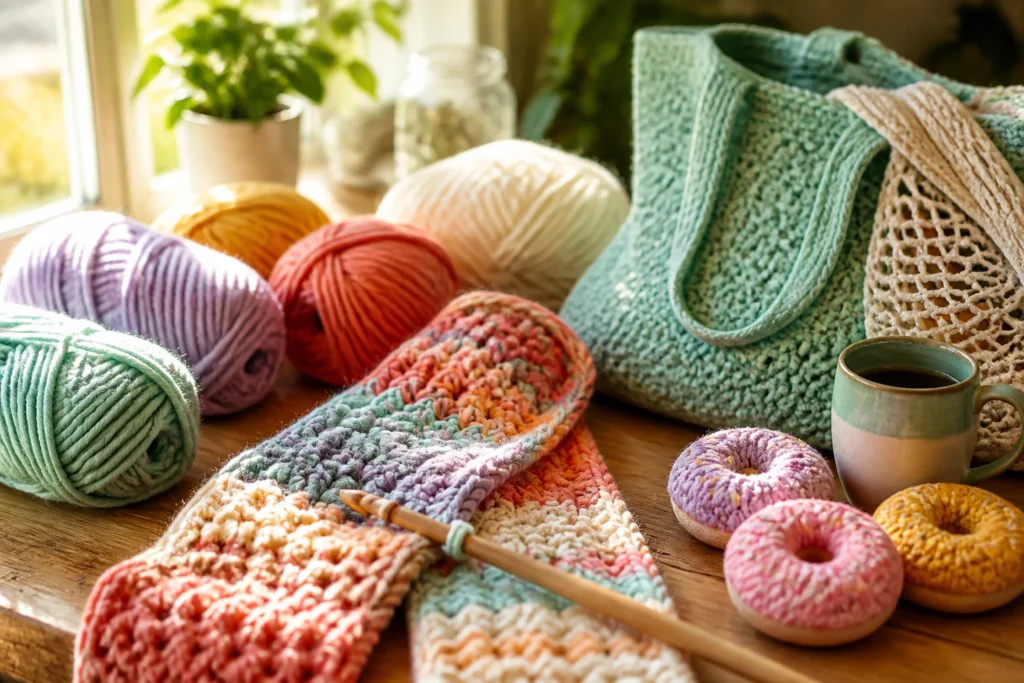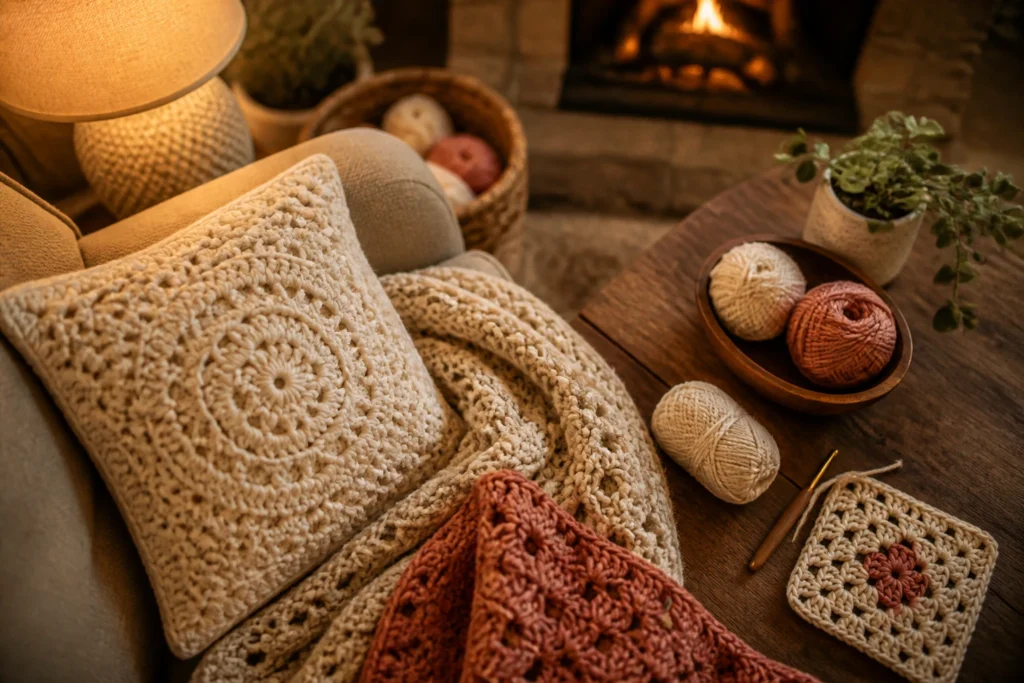

The best projects are the ones you can finish before your mug of tea goes cold. One-hour crochet bursts deliver quick wins, steady progress, and a surprising amount of skill-building clout in a single sitting. Let’s dive into why these tiny time commitments can punch way above their weight in your crochet journey.
What makes a one-hour project so powerful for learning?
When you sit down with a hook and yarn, you’re not just making something pretty—you’re teaching your hands and brain a new language. One-hour projects force you to think in bite-sized steps, not overwhelm yourself with a grand plan that never gets started. It’s like sprinting in a marathon: you get the cardio, but you don’t exhaust yourself in week one.
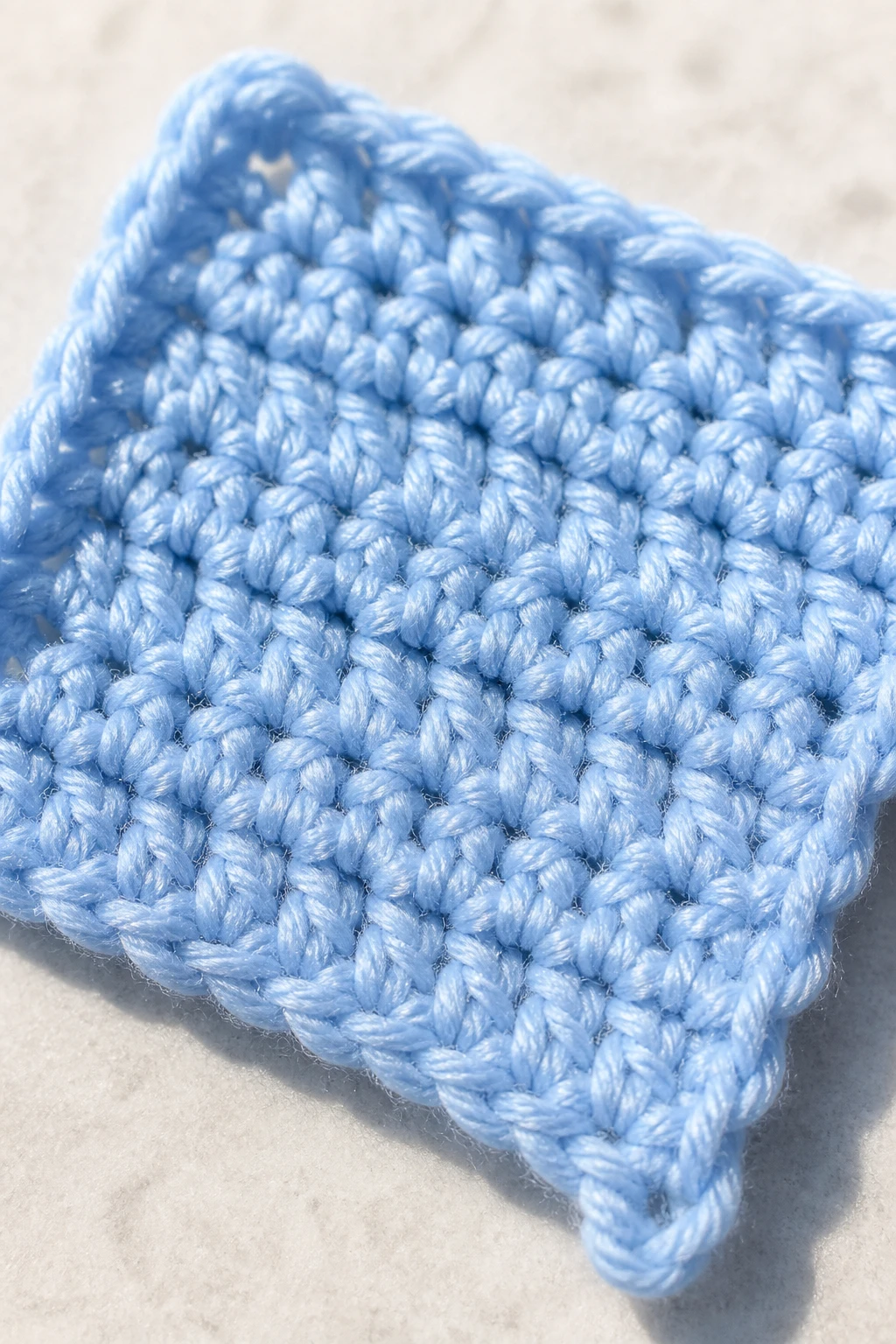
– You get immediate feedback. If your tension is off, you see it right away in a tiny swatch.
– You build momentum. Finishing something, even small, creates momentum you can ride.
– You reduce the fear of starting. A tight deadline makes you choose a simple pattern and learn fast.
FYI, the brain loves micro-wins. Those tiny victories wire in confidence and make bigger projects feel doable.
A quick-start approach: pick the right patterns

Choosing a pattern is half the battle. Pick ones that respect the one-hour limit and still push you a notch beyond your comfort zone.
- Start with clear, simple stitches. A basic scarf, dishcloth, or granny square in a round makes a satisfying finish.
- Look for repeatability. Patterns with a few repeating rows help you see progress fast and troubleshoot quickly.
- Avoid project-length traps. Patterns that require rare techniques in the last 10 minutes tend to end in frustration.
If you know your strengths, lean into them. If you love texture, go for stitch patterns that showcase texture without complicating the row count. If color thrills you, pick patterns that use a few colors to avoid fiddling with ends for ages.
Structured mini-sessions: a plan you’ll actually follow
One-hour projects work best when you treat them like a tiny sprint. Here’s a simple framework to replicate.
Before you start
– Gather everything: hook, yarn, scissors, needle, and a small timer. Yes, a timer helps prevent the “oh no, I’ve been crocheting for three hours” moment.
– Find a distraction-free zone. If you’re scrolling, you’ll scroll forever. Commit to 60 minutes of yarny joy.
During the hour
– Focus on one technique at a time. Don’t try to master 10 new stitches in 60 minutes.
– Pace yourself with a rough plan: Row 1-3, block or finish. Row 4-6, add edging. You get the idea.
– Take a breath when needed. If the tension goes wonky, pause, re-center, and keep going.
After the hour
– Quick weave-in and finish. A tidy edge makes the victory feel earned.
– Snap a photo. You’ll thank yourself later when you compare progress across weeks.
– Log the lesson learned. Did you struggle with turning? Make a note to practice a specific stitch next time.
Skill-building by design: what you actually learn

These bite-sized projects aren’t just yarn therapy; they embed concrete skills that compound over time.
Muscle memory and consistency
Repetition is your best friend. Repeated stitches train your fingers to find the right grip, wrap, and tension without thinking. Over time, you crochet faster and with steadier tension. Consistency converts into clean edges and uniform gauge, which makes bigger patterns less scary.
Reading patterns and charts
One-hour projects often come with shorter pattern sections. You practice decoding abbreviations, counting stitches, and following rounds without getting lost. The more you read patterns, the less intimidating full-length blankets become.
Technique confidence
If you’re wobbling on a new stitch, practice in small sprints. The key is deliberate repetition. Before you know it, that fancy stitch becomes a second nature move—like riding a bike.
Staying motivated with a little healthy competition (with yourself)
One-hour projects are a playground for testing boundaries without committing your whole weekend. You can challenge yourself to complete:
- A single-color dishcloth in under 60 minutes.
- A mini amigurumi animal with simple shaping.
- A bias scarf with a subtle texture just to see if you can push your gauge a touch tighter.
It’s not about racing others; it’s about beating your own best time while learning something new. And yes, a tiny brag post on social media with a smug thumbnail can provide precious accountability.
Common pitfalls and how to dodge them
Let’s not pretend every one-hour project is sunny and smooth. Here’s where folks trip up—and how to dodge it.
Over-ambition
If you pick a pattern that demands too many techniques, you’ll burn out in 15 minutes. Solution: start simple, then level up in tiny increments.
Dalling into perfectionism
You’ll inevitably notice small flaws. Don’t. One-hour projects exist to train you, not to win Awards for Fine Edges. Learn, adjust, and move on.
Ending with unfinished ends and messy edges
Finish means finish. Tidy up the last few ends, weave them in, and tailor the piece to look complete. It’s not cheating—it’s training your brain to value closure.
Decorative skills you pick up along the way
Even small pieces accumulate unexpected practical knowledge.
- Colorwork and yarn management: You’ll learn how to juggle multiple colors without tangling, which saves you from a big headache later.
- Blocking basics: A quick wash-and-block can dramatically improve the final look of a tiny project.
- Edge finishing: You’ll get smarter about edging and sewing pieces together without it looking stitched-on.
These micro-skills feel like secret hacks once you scale to bigger projects. FYI, you’ll be grateful for every trick you picked up in a few short hours.
Incorporating one-hour projects into a bigger crochet journey
One-hour pieces aren’t a detour; they’re a steering wheel. Use them to fuel growth toward your longer-term goals.
- Bridge to a larger blanket. Tackle 20 tiny squares or motifs in 60-minute bursts, then join them later.
- Build a “skills library.” Create a series of mini projects focused on a single technique; you’ll return to them as you level up.
- Rotate through themes. Color, texture, shaping—mix up the focus so you stay inspired and avoid burnout.
If you’re feeling stuck, scheduling a weekly one-hour sprint can rescue momentum. IMO, consistency beats intensity when you’re trying to learn something new.
FAQ
Can I really learn new stitches in an hour?
Yes. You can learn and practice a new stitch in a single 60-minute session, especially if you pick patterns that emphasize that stitch in a single area. You won’t become a master overnight, but you’ll internalize the basics and gain confidence with repetition.
What if I finish early? Do I start another one-hour project?
Absolutely. If you finish early, you can either push a tiny extension on the same piece, switch to a slightly more challenging pattern, or tidy up and photograph your completed piece. It’s all momentum.
How do I choose patterns that fit the time frame?
Look for patterns labeled as beginners or quick projects, with explicit time estimates or simple stitch counts. Patterns with clear, repetitive rows or rounds tend to finish faster. If you’re unsure, practice a gauge swatch first to estimate how many repeats you’ll get in an hour.
Is blocking necessary for these tiny projects?
Blocking isn’t mandatory, but it can dramatically improve finish quality on many items. If you’re short on time, a quick steam or damp cloth setting can help, but don’t stress it if you’re in a hurry.
What’s the best way to track my progress?
Keep a simple cheat sheet: pattern name, date, time spent, row counts, and a quick note on what went well or what tripped you up. Snap a photo and compare month over month to see tangible growth.
Conclusion
One-hour crochet projects aren’t cheats or shortcuts—they’re powerful learning opportunities wrapped in a cozy, finish-line-obsessed package. They teach you to read patterns, manage your tension, and persevere through the small battles that fade away when you tackle bigger projects. And the best part? They’re fun, fast, and totally binge-worthy when you’re in a creative slump.
If you’re new to this approach, start with a couple of simple, repeatable patterns this week. See how many you can complete in an hour and note what slowed you down. Then pick patterns that gently push your boundaries next time. Before you know it, you’ll be stacking a library of tiny triumphs that build into serious crochet prowess.
So grab your hook, pick a quick pattern, and set that timer. You’ve got 60 minutes to learn, create, and feel like a crochet rockstar. Let’s stitch and grow—one hour at a time.