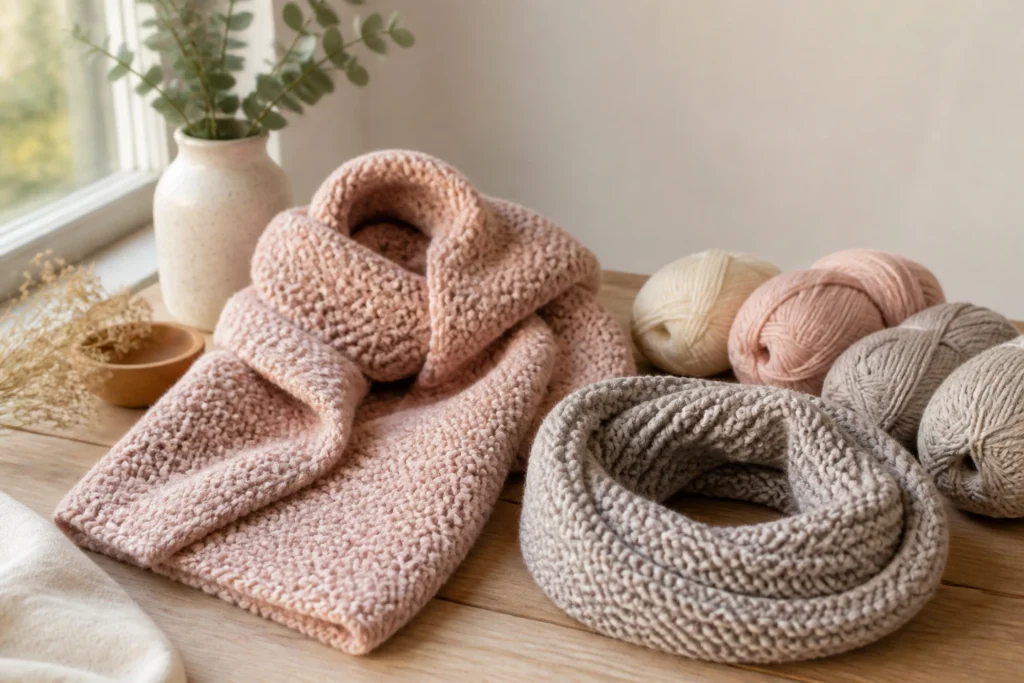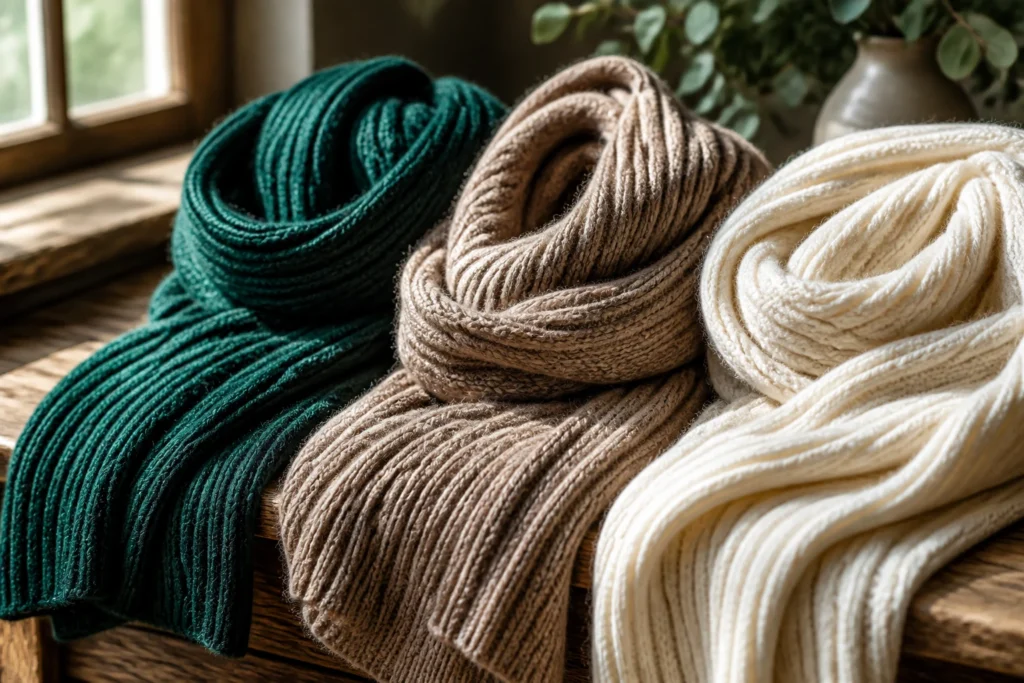
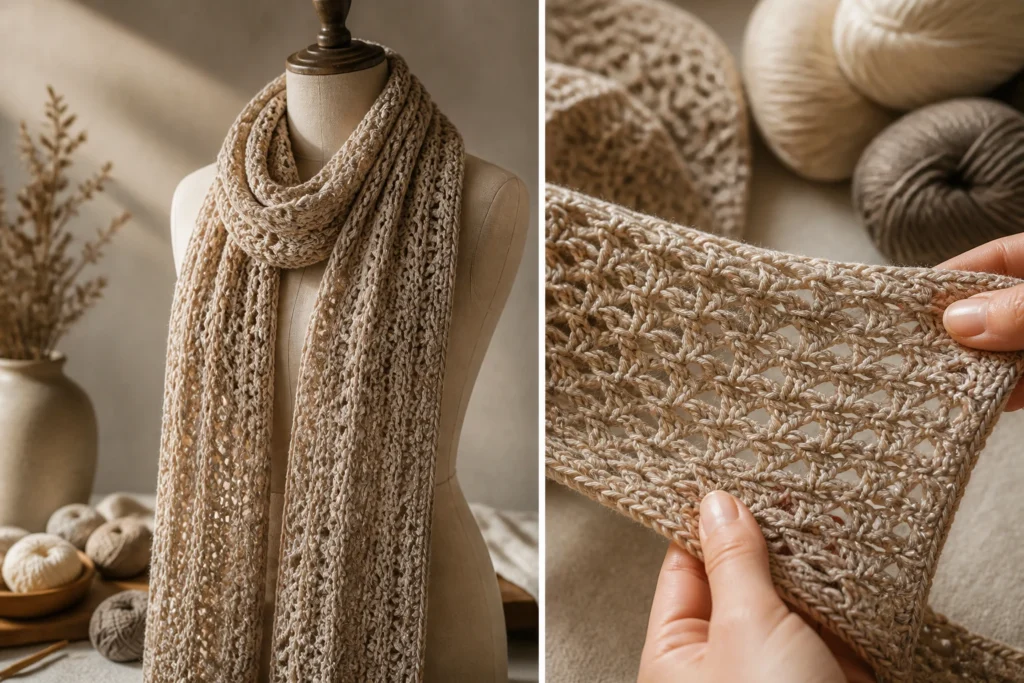
I know you’ve got a scarf project staring you down—crochet hooks clinking, yarn winding like a tiny tornado, and the endless question: how long should this scarf actually be? Let’s cut to the chase. A scarf isn’t a sculpture carved in marble; it’s a wearable project you want to finish without turning into a sewing-and-pleeading epic. Here’s the honest, friendly guide to nailing the length so you’ll want to wear it every day.
What makes a crochet scarf length “right”
So, what does “right” even mean here? In crochet, length isn’t just a preference; it’s a mix of style, function, and the type of yarn you’re using. The wrong length can feel fussy or, worse, fall off during a chilly wind tunnel moment. The right length, by contrast, should make you smile every time you wrap up and feel confident when you wear it out.
Key factors to consider:
– Your height and torso length
– The stitch pattern and its stretch
– The yarn weight and fiber
– How you typically wear scarves (snug vs. draped)
– Whether it’s a gift and who it’s for
If you’re not sure where to start, think of length as a spectrum from snug to dramatic. You’ll land somewhere on that spectrum after a few practical checks.
General guidelines: starting points you can trust
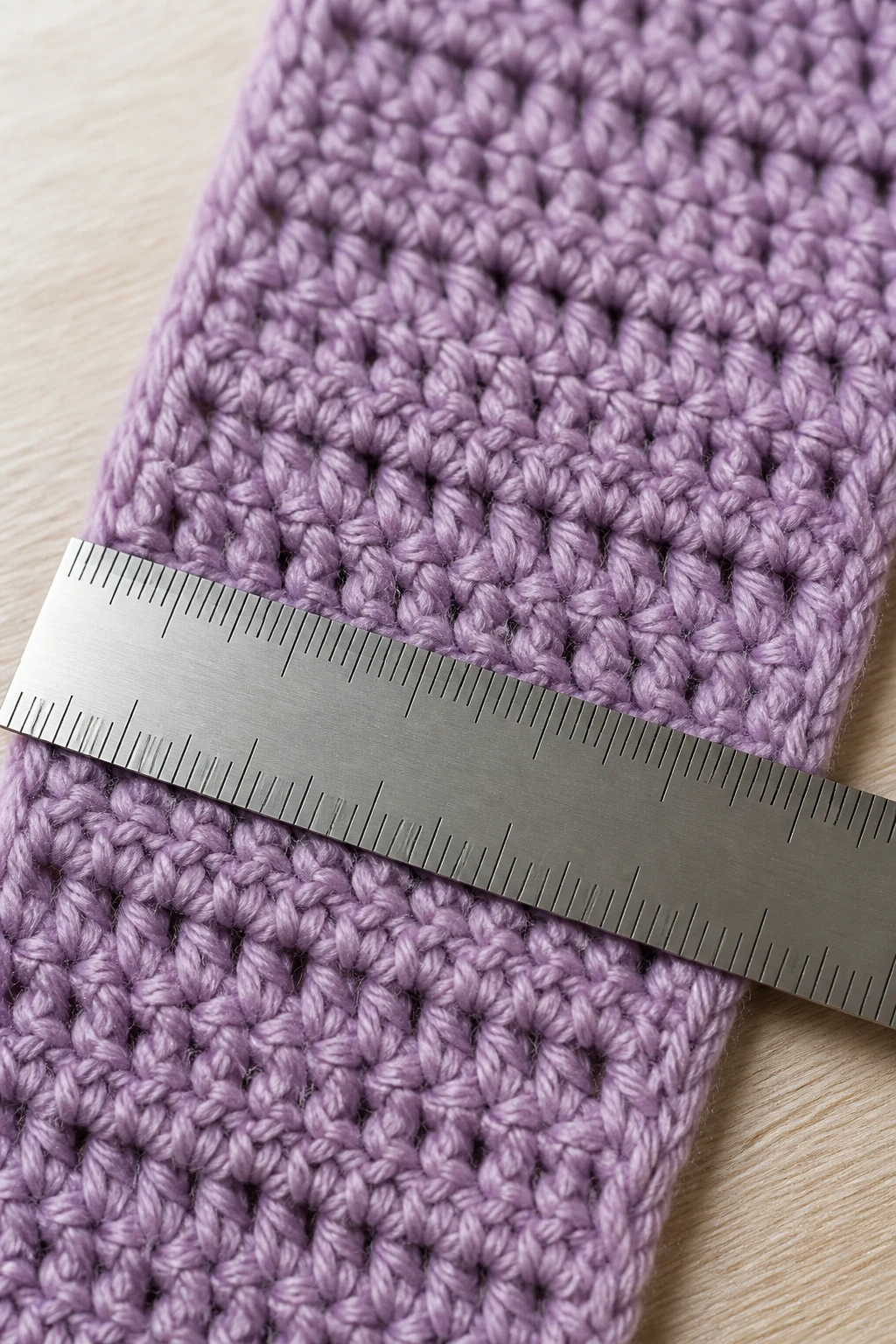
There are some widely accepted ranges that work for most people, most situations. Use these as a baseline, then tweak.
- Short and chic: 50–60 inches (127–152 cm). Perfect for a neat wrap that stays put and looks tidy.
- Classic and versatile: 60–70 inches (152–178 cm). The sweet spot for most yarns and styles, giving you options to wrap, loop, or knot.
- Drama mode: 70–90 inches (178–229 cm). For extra length that you can wrap twice or wear long and flowing.
- Oversized for cosiness: 90+ inches (229 cm+). If you live where winter feels personal and you love dramatic drape.
FYI: these aren’t hard rules. If you’re tall, you might prefer longer; if you’re petite, shorter can feel perfect. The best length hugs you, not your ego.
How long should a scarf be by height? A quick cheat sheet
If you want a fast, no-nonsense answer based on height, here’s a simple cheat:
Petite to short (under 5’4” / 162 cm)
– Aim for 50–60 inches (127–152 cm). This keeps the scarf from swallowing you whole while still giving you options to wrap.
Average height (5’4” to 5’8” / 162–173 cm)
– Go for 60–70 inches (152–178 cm). This is the most “go-to” length for most people.
Tall and long-torsoed (over 5’9” / 175 cm)
– Try 70–90 inches (178–229 cm). You’ll have enough length to wrap around a couple of times if you want that cozy look.
Stitch patterns matter: how texture changes length perception
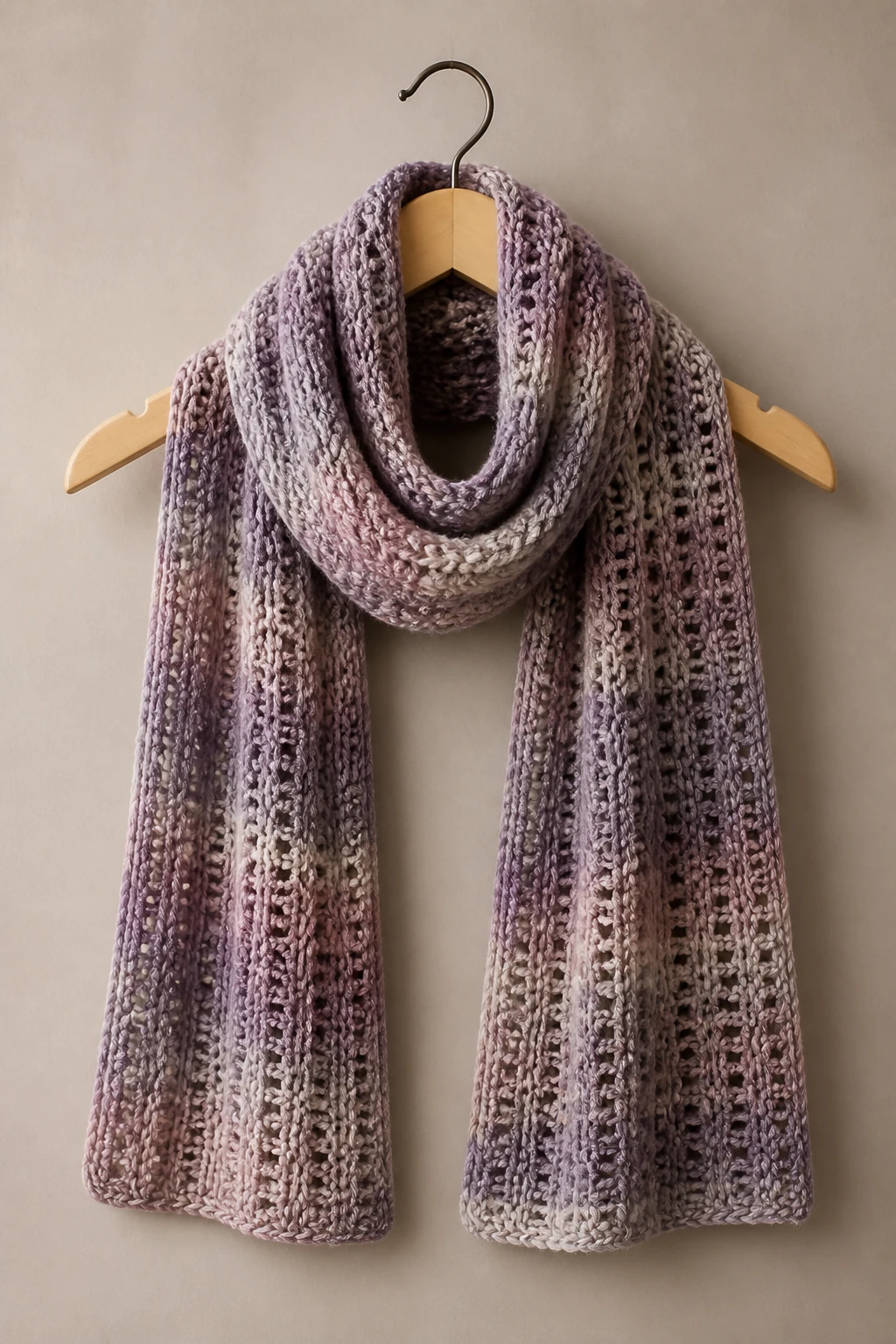
The yarn and stitch you choose can change how long your scarf actually feels when you’re done. A stretchier stitch might end up longer than you counted, while a dense, tight stitch might feel shorter.
- Loose, drapey stitches (like half double crochet with a loose gauge): longer feel.
- Tight, dense stitches (single crochet, tight gauge): shorter feel, more insulation per inch.
- Textures with a lot of ridges or cables: they look longer because of the visual rhythm even if the actual length is similar.
- Super bulky yarns: the scarf grows quickly in length before you know it, and weight can make it feel longer or shorter depending on how you drape it.
If you’re unsure, work a small sample swatch, measure its width and length, and then extrapolate. It’s not glamorous, but it saves a lot of neck-snapping regrets later.
Practical sizing tips: how to tailor your scarf on the fly
Here are some handy tricks to dial in the perfect length without redoing the whole thing.
Measure as you go
– Periodically lay the scarf out and measure the current length. If you’re aiming for a specific final length, you’ll know when you’re close. Don’t wait until you’re at the last row to realize you overshot.
Use the wrapping test
– Before finishing, measure yourself or your recipient with a quick wrap around the neck. Does it wrap nicely once? Twice? Do you still have a tail you’d actually want to sew in or knot? If you can wrap with ease and still drape nicely, you’re in the safe zone.
Consider the end hang
– Some people love scarves to hang loosely down the front; others want a clean wrap that sits flat. The final “hang” affects how long you think the scarf is. If you plan to tuck it into a coat, a longer length might become more practical.
How to choose yarn weight and fiber for length matters
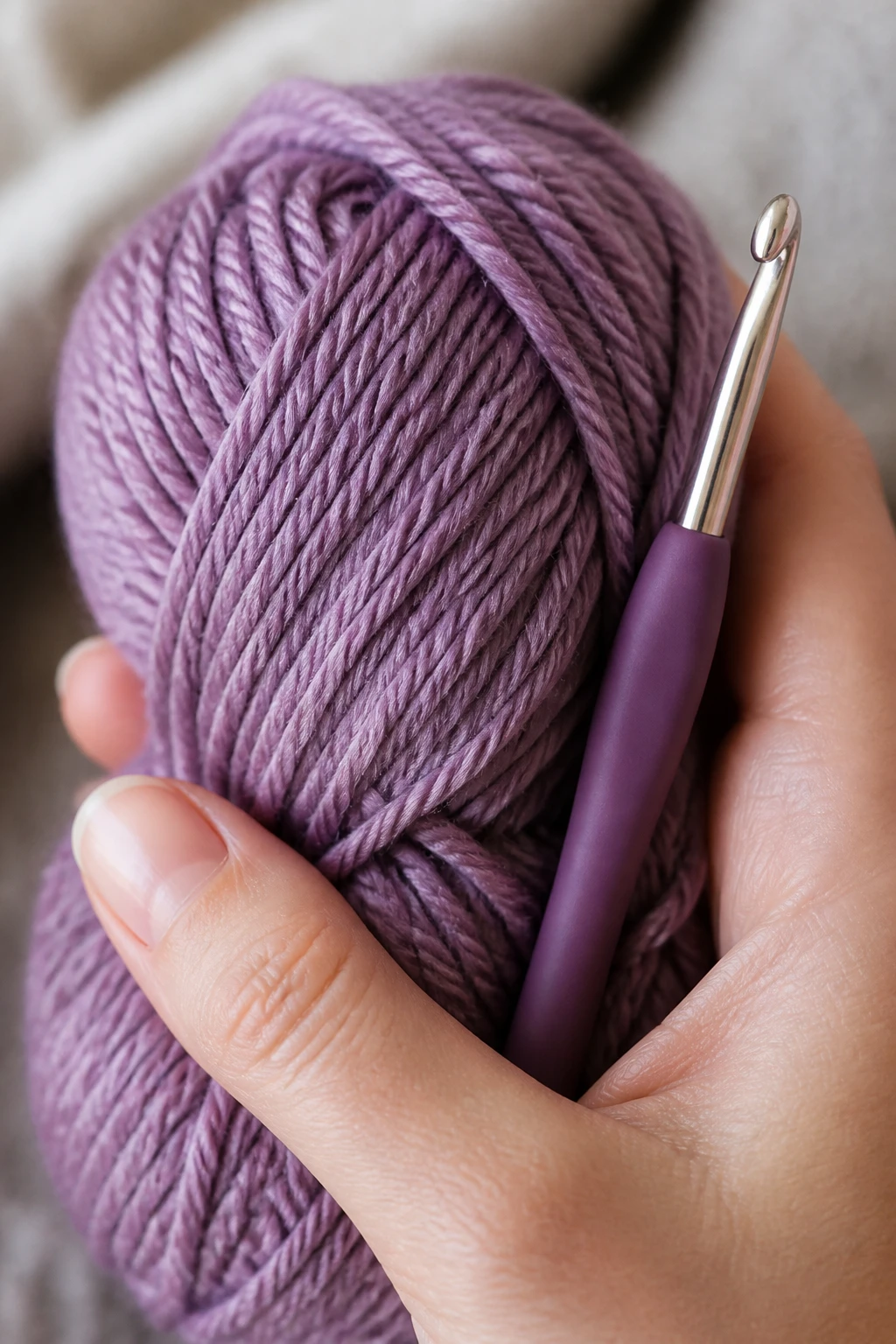
Your yarn isn’t just color and softness; it’s length-adjusting magic. Heft, warmth, drape, and stretch all play into how long your scarf should be.
- Lightweight yarns (fingering, sport): prefer longer scarves to showcase drape without bulk.
- Medium worsted weight: the classic choice. 60–70 inches is a great starting point.
- Bulky and super bulky: you’ll reach for shorter lengths or chunkier wraps, because these yarns build a lot of volume fast.
If you’re gifting someone, think about their coat length and typical outfits when picking fiber. FYI, a scarf that’s too coarse or itchy is never a winner, even if it’s a perfect length.
Seasonal and style considerations: when function meets fashion
Length isn’t just about warmth; it’s about how you’ll wear the scarf with your wardrobe.
Everyday casual
– A versatile 60–70 inches works with denim, tees, and chunky boots. It’s forgiving if you mis-measure and easy to throw on in a hurry.
Outdoor adventures
– If you’re hiking, skiing, or braving a windy city, a longer scarf that can wrap around your neck and face offers extra protection and versatility.
Workwear or more polished looks
– A slightly shorter scarf (50–60 inches) with a neat stitch sits smoothly under a coat collar and looks intentional rather than “finished-by-an-enthusiastic-cat.”
Careful not to forget the finish: finishing length with blocking
Blocking isn’t just for shawls and sweaters. A quick wash and block can stretch your scarf to the exact length you intended and set your stitches so they stay put.
– Wash according to yarn label, then lay flat to dry.
– Gently stretch to your target length while it’s damp, then pin or weigh down to set the shape.
– Blocking can add a little stretch or relaxation to a new scarf, which might nudge your final length by a few inches. Don’t panic—tiny changes are normal.
Section summary: quick recap of the length strategy
– Start with a length range based on height and how you wear scarves: roughly 50–90 inches is the broad playground.
– Consider stitch density, yarn weight, and fiber—these will affect how long the scarf actually feels.
– Use measured checks as you go: wrap tests and “measure as you go” to avoid surprises.
– Think about the wardrobe and climate; your scarf should feel natural with your coats and outfits.
– Finish with a light blocking session to lock in the final length.
Frequently asked questions
How long should a scarf be for a kid?
Kids need less length for safety and practicality. A good starting point is 40–50 inches (101–127 cm). Adjust for age, neck size, and whether you want it to tuck under a coat or wrap loosely.
Can I make a reversible scarf and does that affect length?
Reversible scarves don’t inherently change length, but you might choose a stitch pattern that sits flatter and looks even on both sides. If you’re counting rows, remember that some stitches pull a touch differently on one side, so measure both sides as you go.
What if I overestimate the length and it’s too long?
Don’t panic. You can trim and rebind the ends, or re-tie tassels in a way that shortens the visible length. If you haven’t yet cut the yarn, you can unravel and re-calculate. It happens to the best of us—crochet is forgiving, not cruel.
Is there a “one scarf fits all” length?
Nope. There isn’t. You’ll feel differently about a 60-inch scarf depending on your height, coat length, and how you style it. The joy of crochet is that you can tailor it to you, not the other way around.
How do I account for fringe or tassels in length?
Fringe adds a chunk of length at the ends. If you want a precise final length, subtract the fringe length from your target when you’re crocheting. Or, add fringe afterward and measure with the fringe fully attached to see the true look.
What about wider scarves or wraps? Does width affect length needs?
Yes, it does. Wider scarves tend to feel longer visually because there’s more surface area. If you’re making a wide wrap, you might opt for a slightly shorter length than you’d expect to maintain proportion with your body and coat silhouette.
Conclusion
So, how long should a crochet scarf be? The honest answer: there isn’t a universal standard. It’s a personal choice influenced by your height, how you wear it, the yarn, and the look you’re after. Start with the default ranges (roughly 60–70 inches for most people) and adjust based on your own drape, warmth needs, and style vibe. Use the wrap test, measure as you go, and don’t be afraid to block to set the final length. And if you’re sewing in a badge of “handmade with love,” the scarf will feel just right.
If you’ve got a specific project in mind and want a second pair of eyes, tell me your height, preferred wrapping style, yarn weight, and whether you want a casual day scarf or a dramatic wrap. I’ll help you dial in the exact length with a practical, no-nonsense plan. Happy crocheting, friend—may your loops be even and your ends neatly woven in. FYI, you’ve got this.