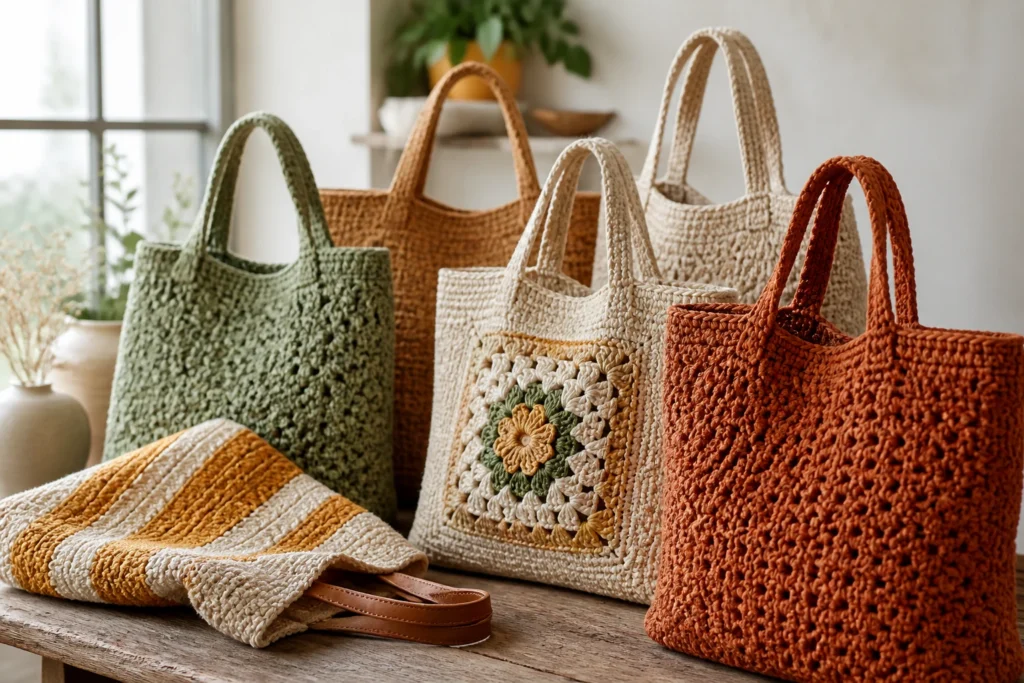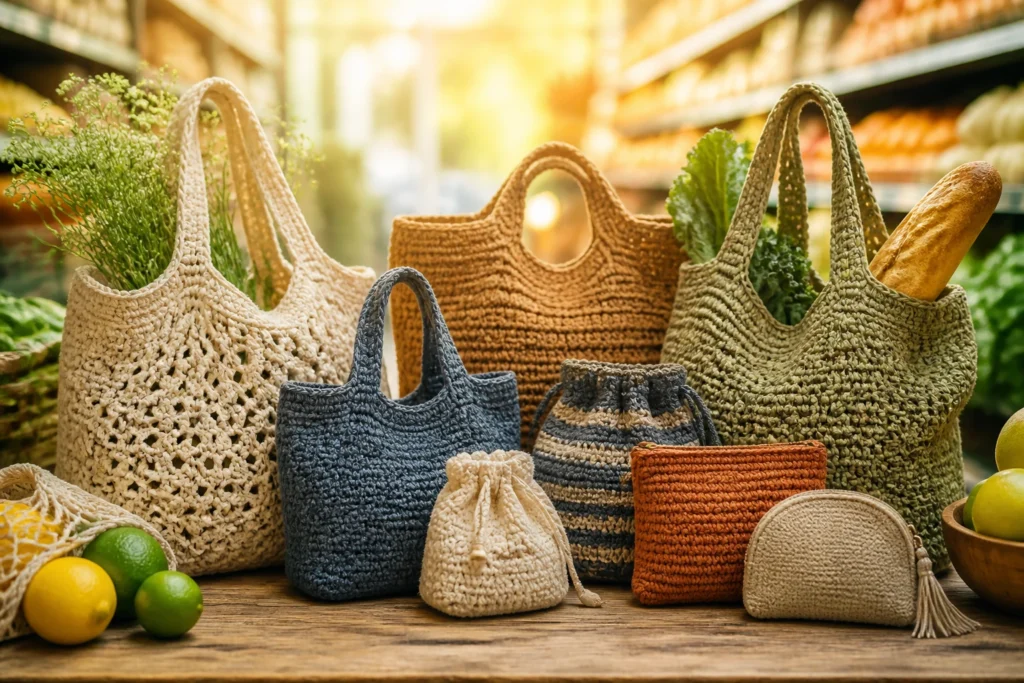
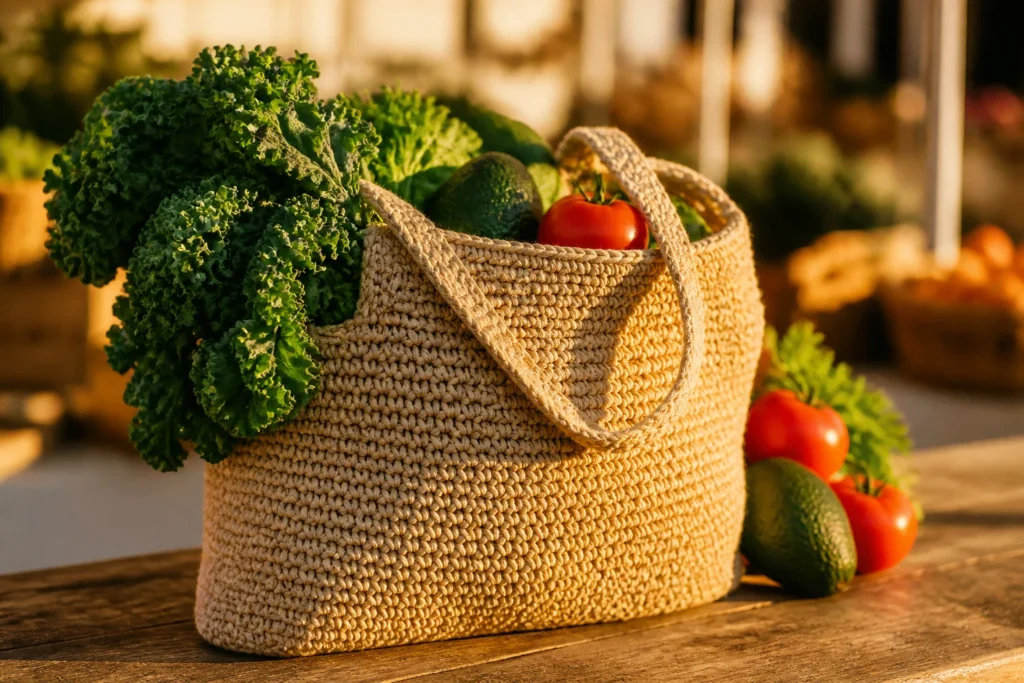
I’ll be honest: market bags need stitches that can survive a tomate-packing, a farmer’s market sprint, and a stubborn display of avocados. You want stitches that won’t quit halfway through a grocery run. Let’s talk about the best crochet stitches for those bags, without the drama.
Why the right stitch actually matters for market totes
You’re not knitting a scarf for your grandma’s yarn stash. A market bag needs structure, resilience, and a little bit of stretch so you can squeeze in that last bunch of kale without the whole thing collapsing. The right stitch choices give you:
- Strength to handle weight
- Gaps big enough for air flow and visibility
- Flexibility so the bag sits nicely on your hip or shoulder
- Stretch to accommodate bulky produce without sagging
That’s why a simple chain-and-single combo won’t always cut it. You want a system that works with heavy yarns, sturdy hooks, and your own crafting rhythm. FYI, the stitch pattern is the bag’s spine—treat it well and it’ll carry your groceries for years.
The classic: sturdy single crochet crates with a twist
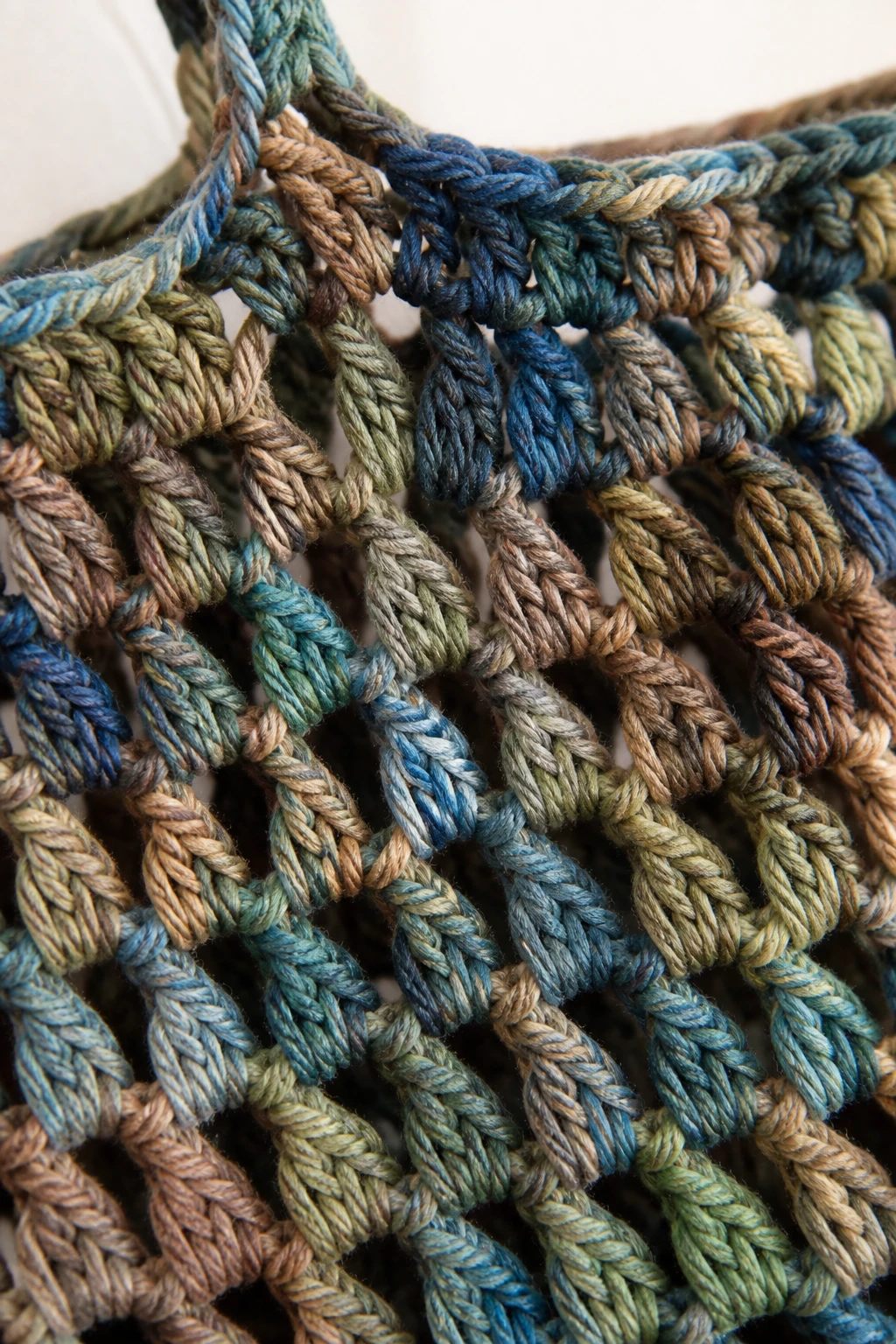
Single crochet (sc) by itself is durable. It creates tight fabric that handles weight without bulging. But, let’s amp it up so your bag doesn’t look like a dense brick.
Why sc is a solid base
– Dense fabric resists snagging and sagging
– Easier to fix when you accidentally stitch through the wrong loop
– Works well with medium to bulky yarns
How to get more structure with sc
– Use larger stitch height for more air? Not here. Keep a tight sc, but switch to a slightly smaller hook than recommended on the yarn label to add grip.
– Add a reinforced base: instead of a flat rectangle, crochet a granny-square-like base or a solid square bottom with double crochet stitches in a tight pattern, then seam to sides.
– Build a handle system: attach handles with a double or triple row of sc stitches across the top edge to keep them sturdy.
Openwork magic: lattice and mesh stitches for airflow
If you carry smelly veggies or you just hate a bag that sweats, open stitches help. Mesh and lattice patterns give you breathability, reduce weight, and still carry heavy loads.
Best mesh stitches to try
– Solomon’s knot: creates big open loops that drain water quickly and look artsy
– Spike stitches with chain spaces: add texture and airflow
– Tunisian-inspired mesh for sturdiness with open air
Tips to keep it practical
– Use a sturdy yarn that holds its shape, otherwise your bag may look like a net after one trip to the farmers’ market
– Avoid ultra-skinny yarns; they might snag and stretch too much with heavy groceries
– Line the interior with fabric or felt to add a touch of structure if you’re worried about sag
Ribbing and filet for form that lasts
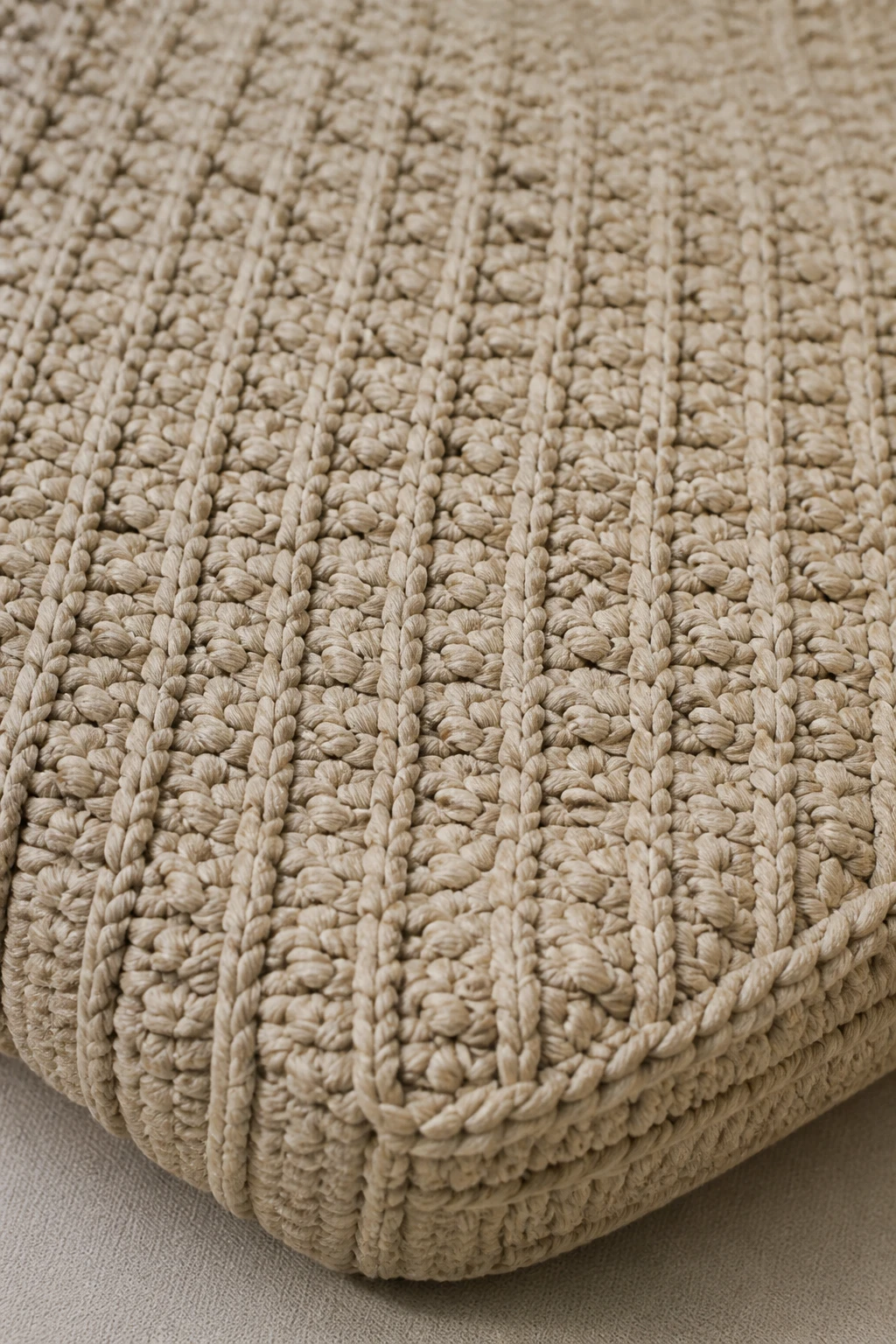
Ribbed stitches bring elasticity and grip to bag edges, while filet crochet adds decorative poise and can reinforce the sides.
Ribbing for the cuffs and top edge
– Use alternating front post/back post double crochets to create a stretchy, durable edge
– Keep the ribbing relatively tight so it holds shape when loaded
Filet crochet panels for a bit of personality
– Create a simple grid using dc and ch-1 spaces
– Fill panels with functional patterns like small textures or logos if you’re decorating
– Filet panels can be placed on sides or front to add visual interest without compromising strength
Thick yarns, thick stitches: going heavy for heavy duty
Market bags often pair with bulky or super-bulky yarns. The stitch choice changes when you’re working with thick fibers.
Big yarns, big confidence
– Use stitches that create a dense but not overly stiff fabric
– Consider a half double crochet (hdc) or double crochet (dc) with a slightly larger hook for airiness
– For added stiffness, switch to a fabric that’s tweaked with a subtle row-spaced pattern so the bag stays upright
Pattern ideas you can steal
– Herringbone stitch with bulky yarn for a rugged, washable look
– Belted rib (repeated front post/back post) to add texture and hold shape
– Combo approach: top row sc for stability, middle rows dc for structure, bottom rows hdc for gentle compromise
Bottoms up: base construction that won’t sag
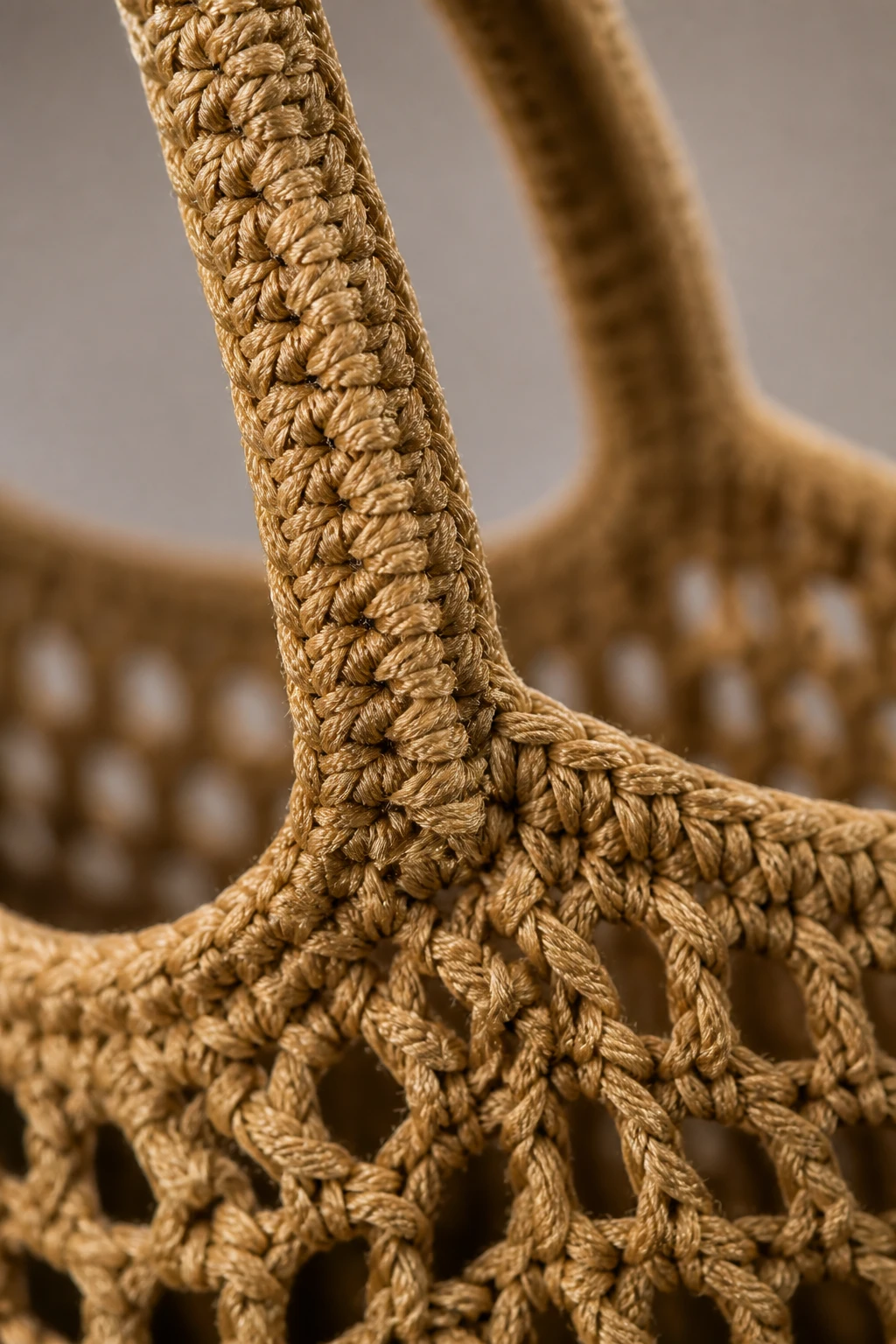
A good base is everything. If the bottom gives way, your glorious load becomes a flop at the end of your arm.
Solid base options
– Square bottom with foundation chain: anchor corners with increases every few stitches to form a sturdy square
– Circular base with a few increases: works well if you’re going round, but you’ll need to join to create a seamless bottom
– Petal or star shapes: add a bit of whimsy while keeping the load balanced
How to attach the base cleanly
– Sew the base to the sides with a tight mattress stitch
– Use matching yarn to minimize visible seams
– Optionally line the interior with fabric for extra support and a cleaner finish
Handles: comfortable carries that don’t bite your shoulders
Handles are not just a finishing touch; they’re the difference between “I forgot my bag at home” and “This bag is my ride-or-die.” Durable handles reduce strain on the crochet fabric and keep the bag from turning into a droopy mess.
Handle styles to consider
– Short handles for hand-carry: double stitching across the top edge gives you extra pull
– Long shoulder straps: crochet a long strap with a dense stitch; sew to the bag’s sides
– Padded handles: add a fabric sleeve or foam insert within the strap for comfort on long hauls
Attachment tricks for long-lasting wear
– Attach handles to a reinforced row near the top edge with a few extra sc rows
– Cross-stitch the handles at major pull points for extra security
– Use a cotton yarn for the handles that’s less likely to stretch over time
Projects, patterns, and practical tips
Let’s get practical with a few ready-to-use ideas and tips to keep your stitches reliable in real life.
Starter project: a compact market tote
– Yarn: bulky or super-bulky cotton or a sturdy acrylic blend
– Stitches: sc plus a ribbed top edge
– Base: simple square with a few increases
– Size: big enough to hold a couple of bags of groceries, not a whole supermarket
Upgrade: grocery-size tote with open compartments
– Use a mesh panel on one side for ventilation and visibility
– Add a divider using filet panel to keep items separate
– Finish with a reinforced top edge and sturdy handles
Maintenance and care
Your crochet market bag should last, not turn into a fuzzy wall hanging after one season.
- Wash: check yarn care label. Most cottons handle gentle machine wash or hand wash well.
- Dry: air dry flat to maintain shape; avoid high heat that could warp the yarn or stitches.
- Repairs: loose ends? weave them back in with a tapestry needle; reinforce high-stress points with extra sc rows.
- Storage: stuff with bubble wrap or packing tissue to keep shape when not in use.
FAQ
What’s the best stitch for a beginner market bag?
Begin with single crochet (sc) for the body, add a few rounds of ribbing at the top, and consider a simple square base. It’s forgiving and easy to fix if you slip a stitch.
Which yarn should I choose for durability?
Cotton or a cotton blend is the sweet spot for durability and washability. If you go with acrylic, make sure it’s a heavier weight to keep the bag sturdy.
Should I line my market bag?
Lining isn’t mandatory, but it helps with shape and extra protection for items that can snag or leak. A lightweight fabric lining adds structure without weighing the bag down.
How do I prevent handles from stretching?
Double-stitch the handles into the sides, use a dense stitch pattern for the top edge, and consider a stitched-on crossbar near the top to secure tension.
Can I weave decorative patterns into the bag?
Absolutely. Filet crochet panels, lattice inserts, or colorwork stripes can add personality. Just ensure the decorative elements don’t compromise strength at the load-bearing points.
Conclusion
If you want a market bag that’s stylish, sturdy, and built to last, pick stitches that balance structure and openness. Start with a solid base like a tight single crochet foundation, then layer in texture with mesh or ribbing for airflow and resilience. Don’t forget the base, the handles, and a few reinforced seams—these are the unsung heroes keeping your groceries upright and your arms happy.
So, which stitch combo are you lining up for your next tote project? IMO, a sturdy sc base with a touch of ribbing and a mesh panel on one side hits that sweet spot between functional and fabulous. FYI, your future self will thank you when you unload a heavy bag without the drama. Happy crocheting, friend.