I know the struggle. You want cozy hats that look handmade but don’t itch like a pinecone. The secret? Picking the right yarn makes all the difference. Let’s cut to the chase: the best yarn for crochet hats balances warmth, drape, durability, and that comfy-hand feel. Ready to nerd out with me?
What makes a yarn hat-worthy? The key factors you should actually care about
– Weight and drape: Hats need to sit nicely on the head without stiff bulk. Light to medium weights usually win here.
– Warmth without overheating: You want toasty fingers, not a swamp on your scalp.
– Texture and comfort: No one wants a scratchy halo of fiber right on their forehead.
– Durability: Hats take a beating—wash cycles, frigid winds, accidental snagging. Your yarn should hold up.
– Care routine: Some fibers cry when washed; others shrug it off. Pick what fits your lifestyle.
– Price and availability: You don’t want to hunt down unicorn fibers every time you start a new project.
Best all-around yarns for crochet hats
If you want a safe pick that won’t derail your project, these options are solid.
Superwash wool blends
– Why they rock: Warm, resilient, and easy to care for. Superwash fibers won’t felt in the wash, which is clutch for hats.
– What to expect: Slight sheen, good stitch definition, and a soft hand.
– Quick tip: Look for blends around 70–80% wool with nylon or acrylic for extra durability.
Acrylic for low-maintenance love
– Why they rock: Budget-friendly, machine washable, and beginners-friendly. Plus, bright colorways.
– What to expect: Excellent memory and stretch, though drape can be stiffer depending on weight.
– Quick tip: Choose high-quality acrylic blends for a softer feel and less “plastic-y” texture.
Merino wool for luxe coziness
– Why they rock: Extra soft, breathable, and warm without overheating.
– What to expect: Great drape, smooth surface, and a touch of luxury.
– Quick tip: Pure merino hats are gorgeous, but blends with nylon or acrylic can boost durability.
Choosing yarn by weight for the hat you crave
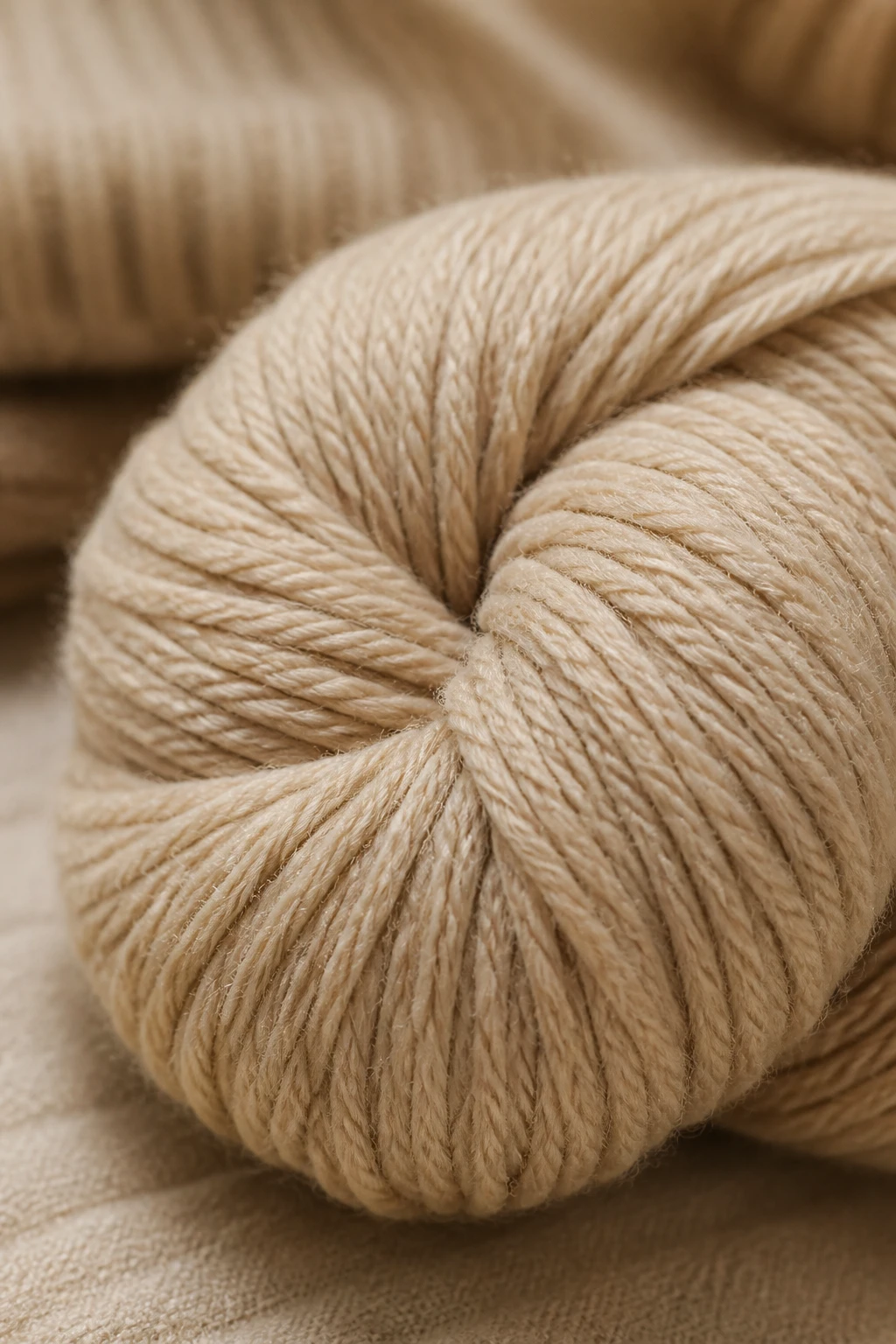
The weight you pick changes everything from fit to texture.
- <strongSport/Light DK (sweater-weight): Perfect for foxy stitch work and a lightweight winter hat. It drapes nicely and isn’t bulk-heavy.
- DK (light worsted): The sweet spot for most adult hats. Easy to measure gauge, good warmth, forgiving.
- Worsted: Warmer and chunkier. Great for slouchy beanies and quick projects, but watch for bulk.
- Bulky: Instant coziness, but you’ll want a looser gauge or larger hook to avoid a helmet vibe.
Gauge matters
– Gauge affects fit more than you think. If your gauge is tight, your hat sits snug. If it’s loose, you’ll get a slouchy dream.
– Quick test: crochet a small swatch and measure stitches per inch. Match pattern gauge or adjust hook size until you land the right fit.
Fiber vibes: finger-on-the-pulse on feel and care
What your yarn actually feels like on your forehead matters almost as much as how it looks.
Softness without sacrificing durability
– Merino blends are the goldilocks: soft, warm, and relatively sturdy.
– If you’re sensitive to itch, avoid rough wool lands and go for merino, cotton blends, or high-quality acrylics.
Washability: how much drama do you want?
– If you’re making hats for kids or someone who loses a hat in the wild, superwash wool or acrylic blends win.
– For adult hats that you’ll wear daily and hand-wash sparingly, pure wool can be a joy if you’re into the rustic vibe.
Texture and stitch definition: does the yarn show off your crochet?
If you love crisp stitches, you’ll want yarn that shows off texture without blurring.
- Merino blends tend to show stitches crisply while staying comfortable.
- Twisted or plied yarns reveal stitch definition pleasantly, especially with cables and ribbing.
- Acrylic often has great color pop; it can make textures stand out, but some feels a tad plastic-y if you pick a harsher brand.
Patterns that sing with the right yarn
– For smooth stockinette or simple rounds, go with a yarn that has a bit of elasticity and softness.
– For textured stitches (like bobbles or clusters), pick a yarn with good stitch definition so your pattern doesn’t vanish into fuzz.
Color and care: choosing colorfast, cheerful yarn
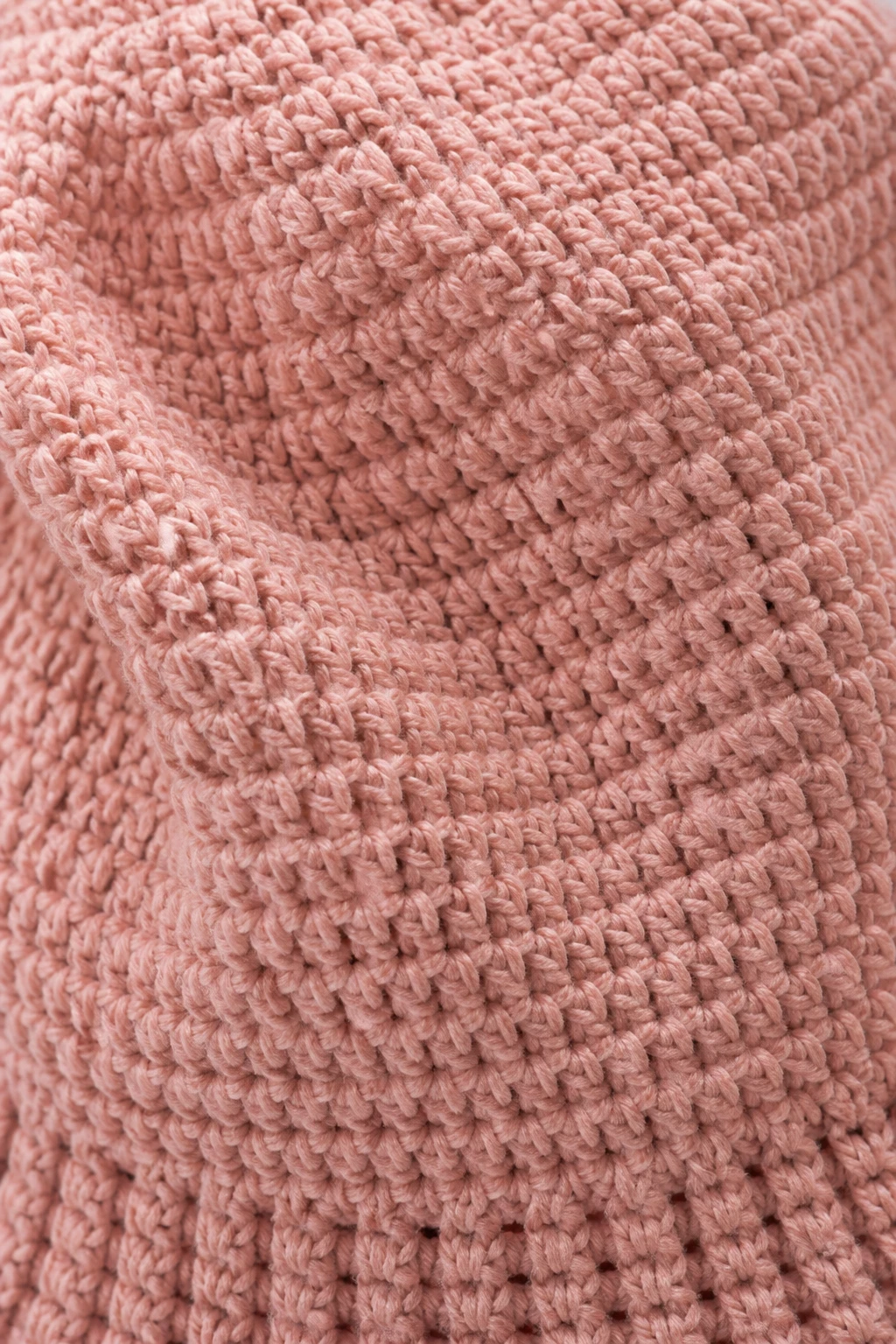
Let’s talk color for a sec. You want hats that look bright, fade-resistant, and easy to match with outfits.
- Colorfastness: Some dye lots bleed initially. If you’re making multiple hats, buy extras from the same dye lot or plan for potential color shifts.
- Dark colors hide dirt better but show pilling and fuzz more obviously on some fibers.
- Pastels look delicate but can fade with sun exposure; store away from UV light to keep them vibrant.
Care instructions matter: keeping hats fresh without headaches
– Machine washable yarns win in the “hands-off” department. Look for labels that say machine washable and gentle cycle.
– Hand wash only yarns require a little more love, but they last longer and can feel luxurious with every wear.
– Always follow the yarn label; it saves you from laundering heartbreak and hat shrinkage.
Seasonal picks: hats for every weather mood
Summer-ready? Not really. But you can still craft hats that keep your head comfy in transitional weather.
Winter warmers
– Look for >60% wool blends or merino blends. Add a touch of nylon for resilience during cold commutes.
– Consider a double-stranded approach or lined hats for extra warmth without bulk.
Transitional hats
– DK to sport-weight yarns shine here. They’re breathable enough for chilly days without making you overheat.
– Cotton blends add softness and airflow—great for those fluctuating temps.
Kid and teen options
– Prioritize machine-washable acrylic blends for busy hands and fearless adventures.
– Bright neons and fun speckled colors can be incredibly appealing to younger wearers.
Personal favorite combos: what I actually reach for
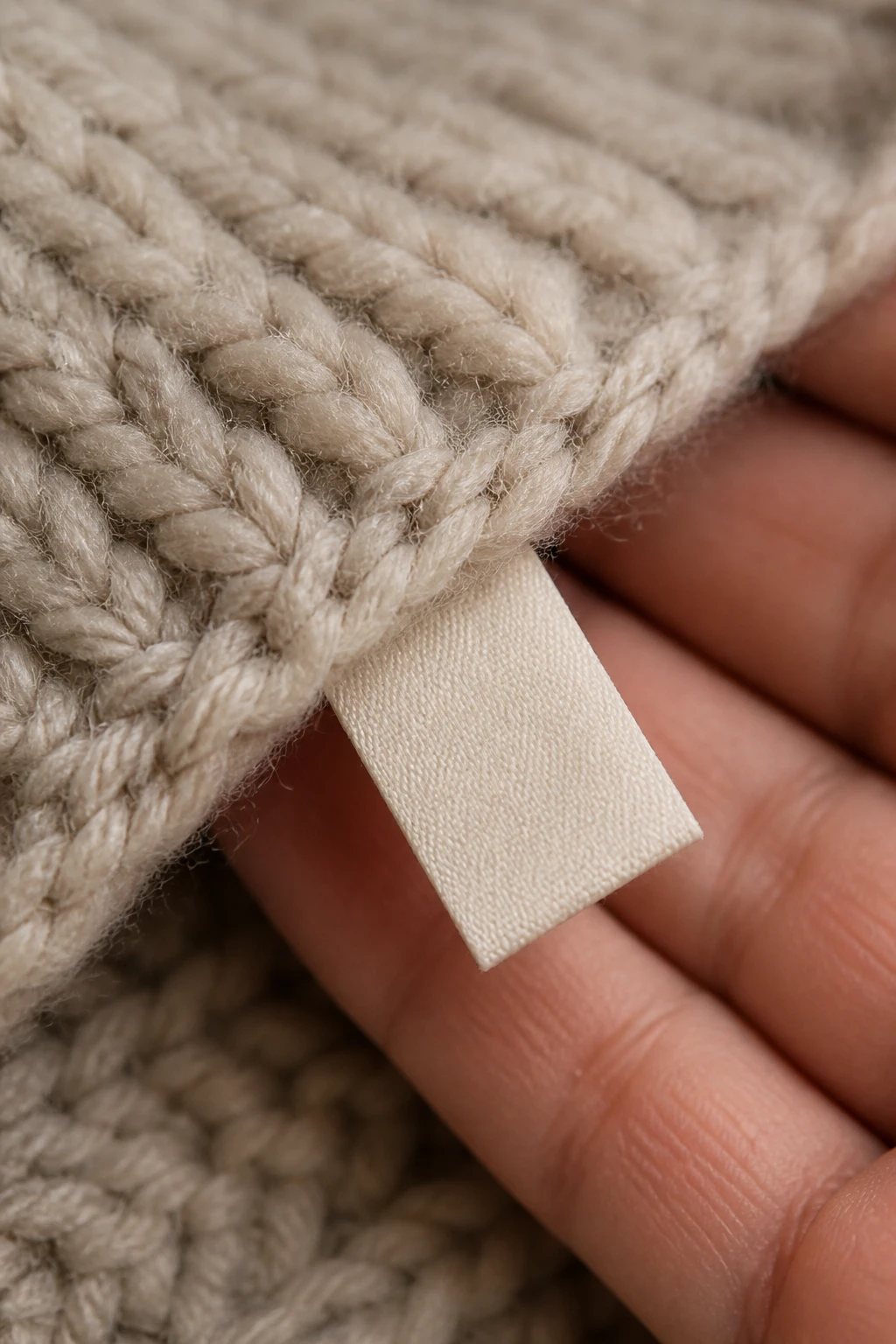
– I’m a sucker for merino-blend DK in a soft charcoal. The stitch definition kills it, and it’s cozy enough for early morning walks without making my head sweat.
– For a quick gift? A bulky, cuddly acrylic blend that’s machine washable and comes in 20 colorways makes me feel like I’m a yarn-slinging wizard.
– I’ll admit: I keep a stash of superwash wool for those “I have zero patience” days. One skein, one hat, bada-bing.
Common mistakes to avoid when picking yarn for crochet hats
– Choosing the wrong weight: Belongs in a slouchy sweater? Not ideal for a snug beanie.
– Ignoring gauge: A wrong gauge equals a surprise domino in your plans—too tight and you can’t even pull it on; too loose and it slides off your head.
– Forgetting care: A fragile fiber + hot water = hat-shaped disaster.
– Skimping on durability: Hats catch on things; if your yarn is delicate, you’ll see pilling and thinning fast.
FAQ
What is the best yarn weight for a beginner crochet hat?
– DK or sport weight yarns are forgiving and easy to work with. They give you a good balance of warmth, drape, and speed, plus you won’t struggle with tight gauge.
Is merino wool good for crochet hats?
– Absolutely. Merino is soft, warm, and less itchy than some other wools. It cups the head nicely and looks great in a range of stitches. If you’re concerned about care, check for a merino blend with nylon or acrylic to boost durability.
Can I use acrylic yarn for a fashion-forward hat?
– Yes. High-quality acrylics have great colorways, durability, and easy care. They won’t be as soft as merino, but blending with a touch of wool or using a soft-feel acrylic can get you the best of both worlds.
How do I prevent a hat from shrinking in the wash?
– Choose superwash wool or high-quality acrylic blends if you’re worried about felting. Always follow care instructions, and avoid hot water or high-heat dryer cycles unless the label says it’s OK.
How many skeins do I need for a typical adult hat?
– Most worsted-weight hats use about 100–150 yards (90–140 meters) for a basic beanie. If you’re making a slouchy or chunky version, plan for 180–260 yards (165–235 meters). Always check the pattern, and buy a little extra for color changes or mistakes.
What’s your favorite way to test a new yarn for a hat?
– I crochet a small swatch, then an inch-cuff to see how it stretches. If it feels too stiff, you might need a softer blend or a larger hook. If it pills or sheds, maybe not the best hat-yarn for a long-term friend gift.
Conclusion
If you want hats that feel comfy, look good, and actually last, start by picking yarn that hits the right weight, fiber feel, and care level for your life. Merino blends and high-quality superwash wools are reliable bets, while acrylics let you chase bold colors and washability with a friendly price tag. Remember: gauge is not your enemy, it’s your best ally. Nail the right gauge, pick a yarn that feels like a hug, and you’ll be crocheting hats that friends and family beg you to make.
FYI, the best part of this hobby is that you can tailor everything to your vibe. Prefer a sleek, minimalist beanie? Go for a soft merino DK in a muted tone. Feeling bold and playful? Try a chunky acrylic in a punchy colorway. The yarn is your canvas, and your hook is the paintbrush.
If you want, tell me what climate you’re crafting for or what kind of hat you have in mind (slouchy, beanie, cuffed, or fisherman-style), and I’ll tailor a yarn short-list just for you.