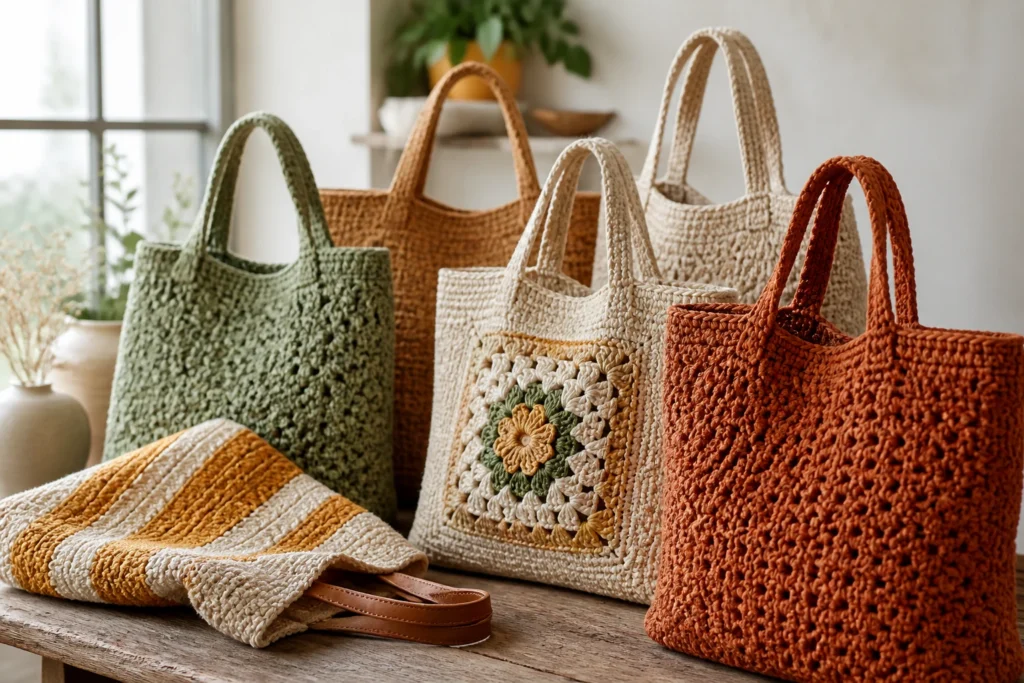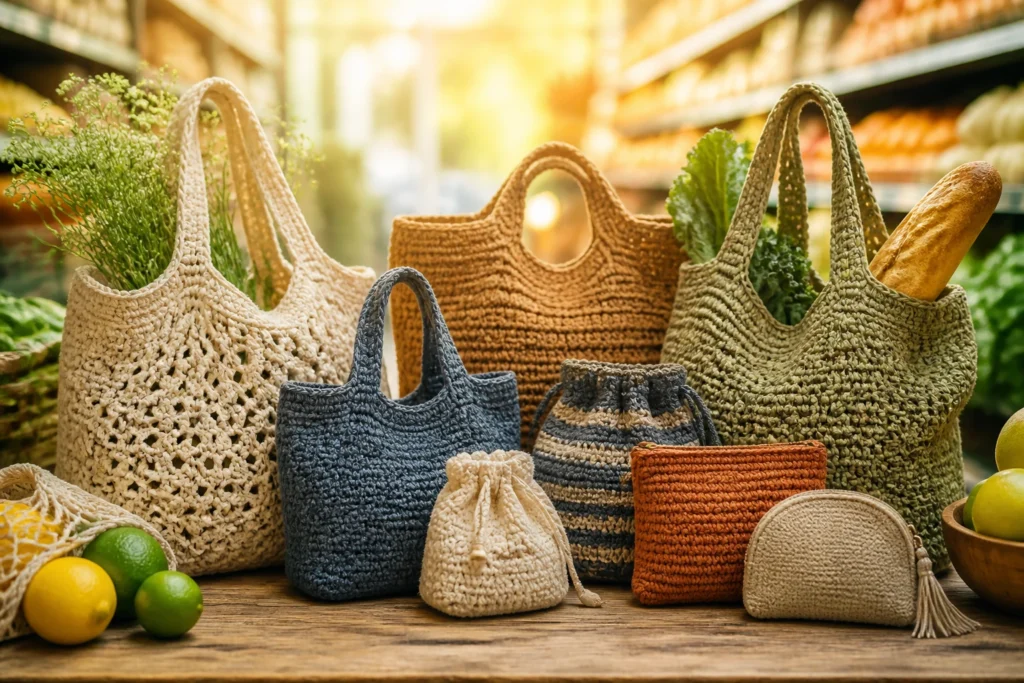
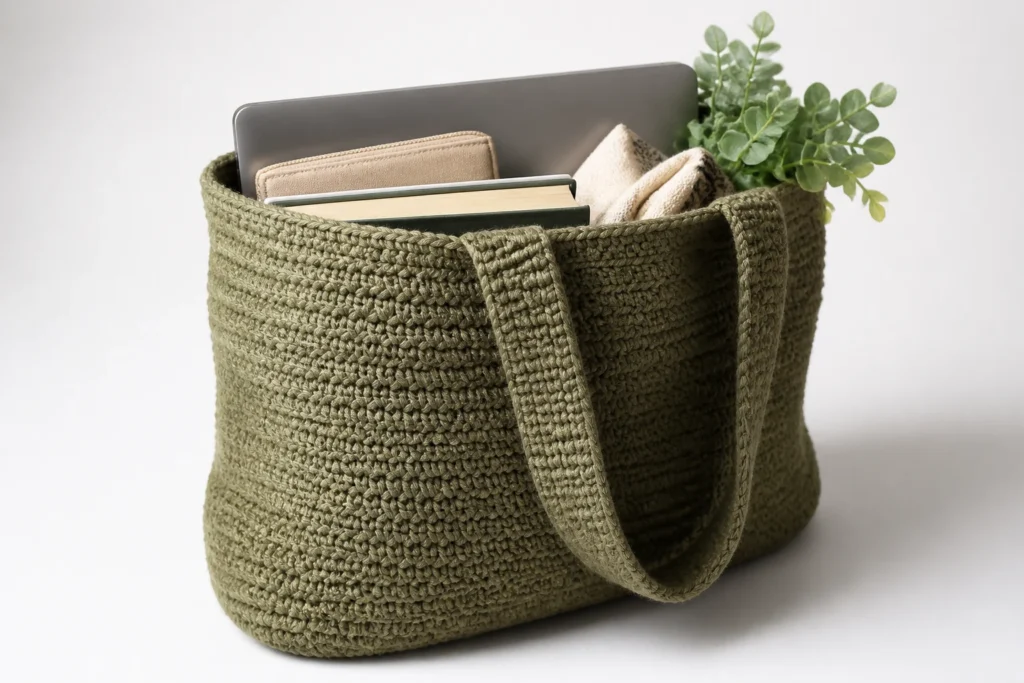
Crochet tote bags are the kind of project that instantly says “I’ve got this.” They’re practical, stylish, and a little bit bold—like you, but made of yarn. If you’re hunting for the best yarn to crochet a tote that can actually carry your world (laptop? grocery runs? snacks? yes to all), you’re in the right place. Let’s break down the options without the yarn-induced chaos.
What makes a tote bag yarn “worthy” in the first place
When you’re picking yarn for a tote, you’re not just choosing colorways you love. You’re stacking up durability, heft, and ease of care. The tote’s job is to hold stuff and look good doing it. So you want something sturdy, not too stretchy, and easy to clean. You also want texture that pops in photos, but won’t snag on every little thing in your bag. Think of it as a balance between function and flair.
– Durability: the tote will face weight, friction, and daily wear.
– Structure: you want fabric that holds its shape, not a droopy disaster.
– Ease of care: machine washable beats “hand wash only” by miles.
– Texture: a bit of rib or grain adds interest without catching on zippers or keys.
– Colorfastness: you don’t want bleeding dye on your favorite top or your laptop sleeve.
Now you’ve got the yardstick. Let’s get specific.
Best all-around picks: for every-day tote champs
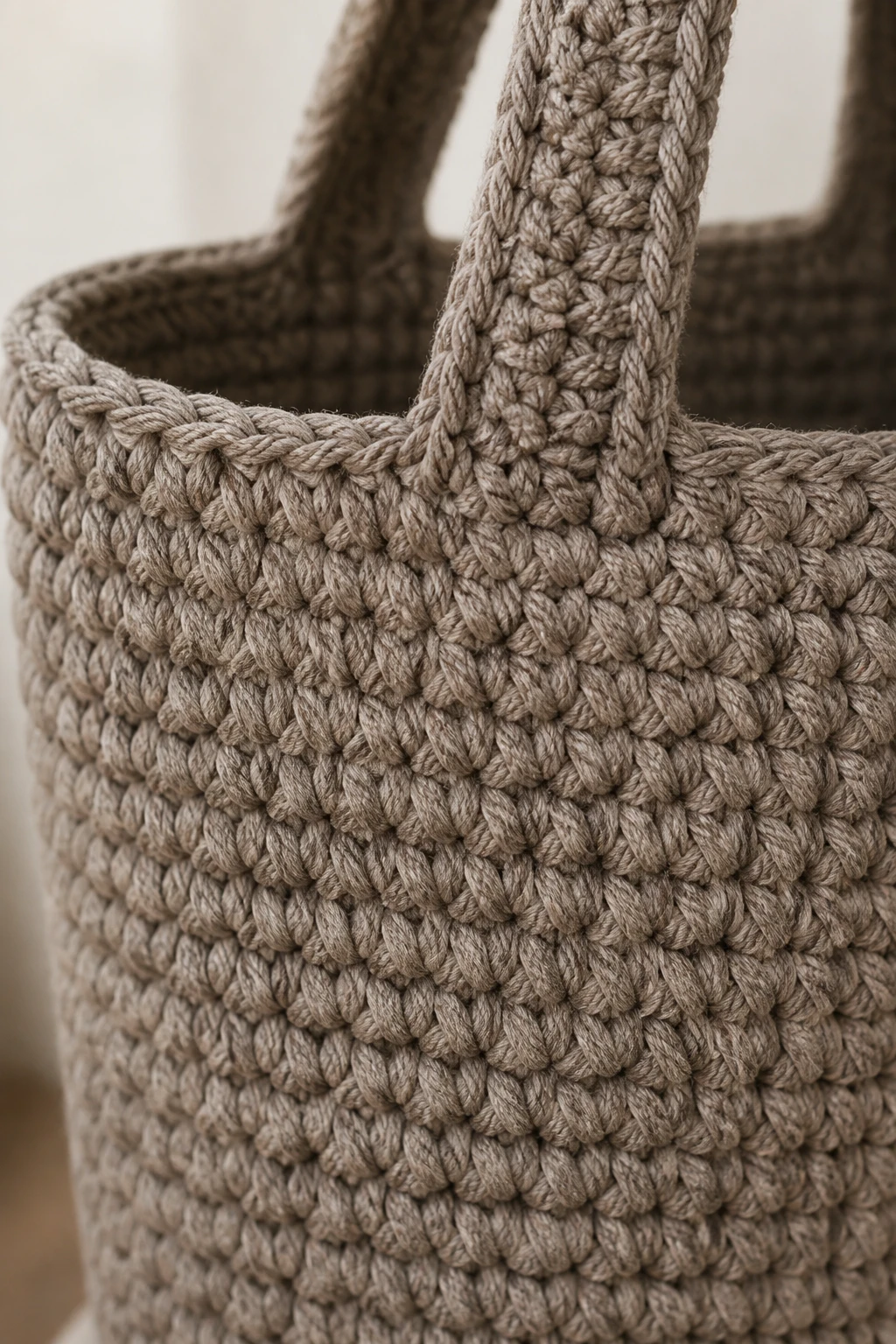
- Medium-weight cotton blends are staples for a reason. They’re durable, washable, and hold their shape pretty nicely. Look for something in the worsted ( aran) weight range. This gives you a sturdy bag that’s not a brick to work up.
- Rice paper hemp blends bring a structured feel to a tote. They resist stretching and look fabulous with natural textures. They’ll patina beautifully with use.
- Tote-friendly acrylic blends offer color pop without the bulk. They’re soft, forgiving on beginners, and machine washable. FYI, they can feel warmer in hot weather, so keep summer totes breathable.
Subsection: How weight and gauge affect tote structure
– Gauge matters more than you think. A tight gauge means a sturdier fabric that won’t sag with weight.
– If you’re worried about stretch, size down your hook a notch or two to keep the bag crisp.
– Consider lining for extra structure. A simple fabric lining can do wonders for shape and durability.
Texture matters: surface feel that smiles back at photos
Texture is more than pretty—it’s practical. A little texture can hide minor imperfections and give your tote a personality. Here are textures that work nicely without getting in the way.
– Ribbed or waffle stitches add structure and grip. They look chic and keep the bag from slipping around your shoulder.
– Basketweave patterns give a classic tote vibe. They’re sturdy and have a nice bite to them.
– Stone stitch or chevrons bring motion and depth, especially in colorwork. Just be mindful of strands catching on zippers or hardware.
Subsection: color tricks that don’t flop
– Choose 2–3 colors max for a clean, modern look. Too many colors can scream diy chaos.
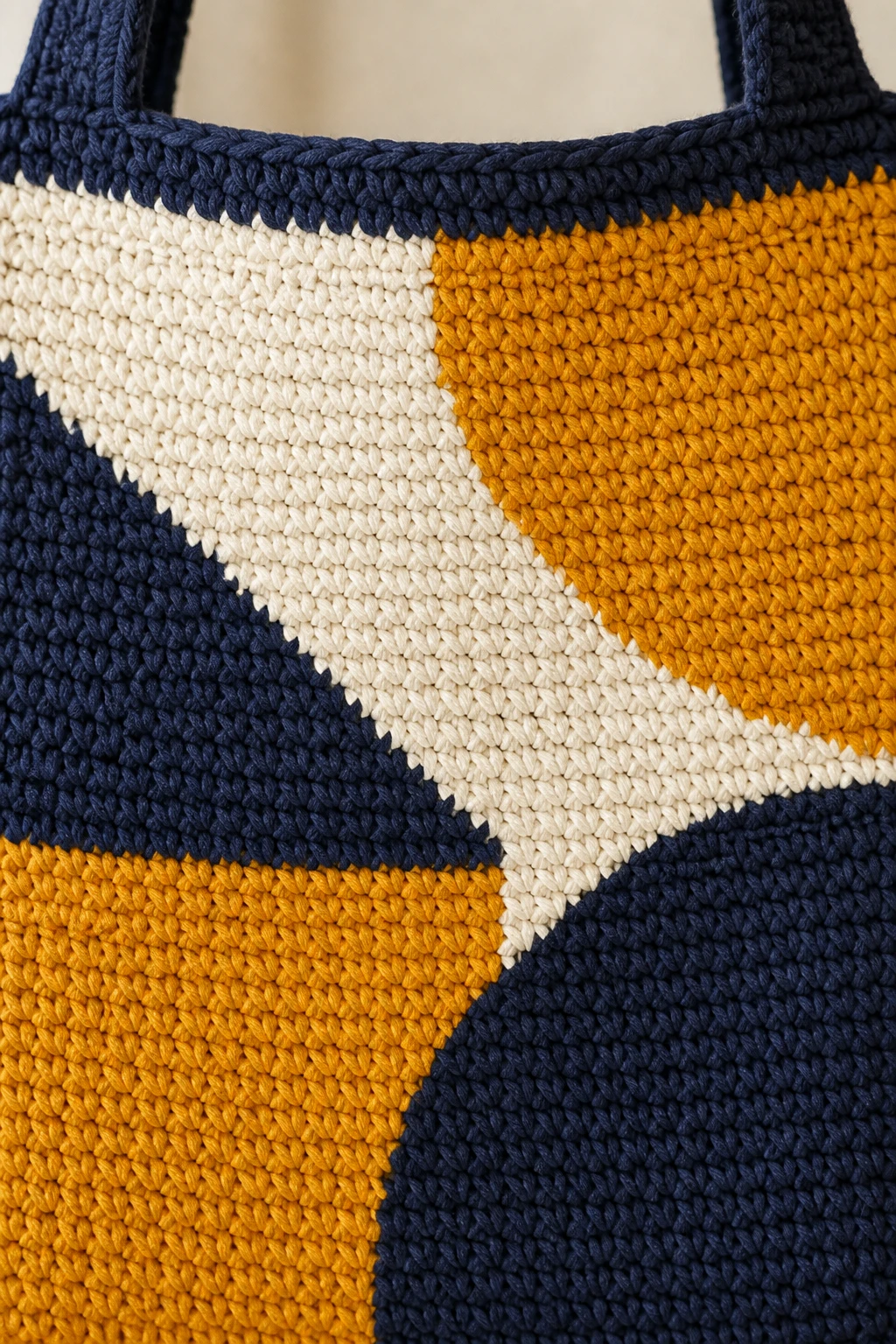
– If you want colorblocking, pick high-contrast combinations to highlight the stitch texture.
– Dark bottoms with lighter tops hide dirt better and keep your tote looking fresh, longer.
Care and maintenance: keeping your tote pretty long-term
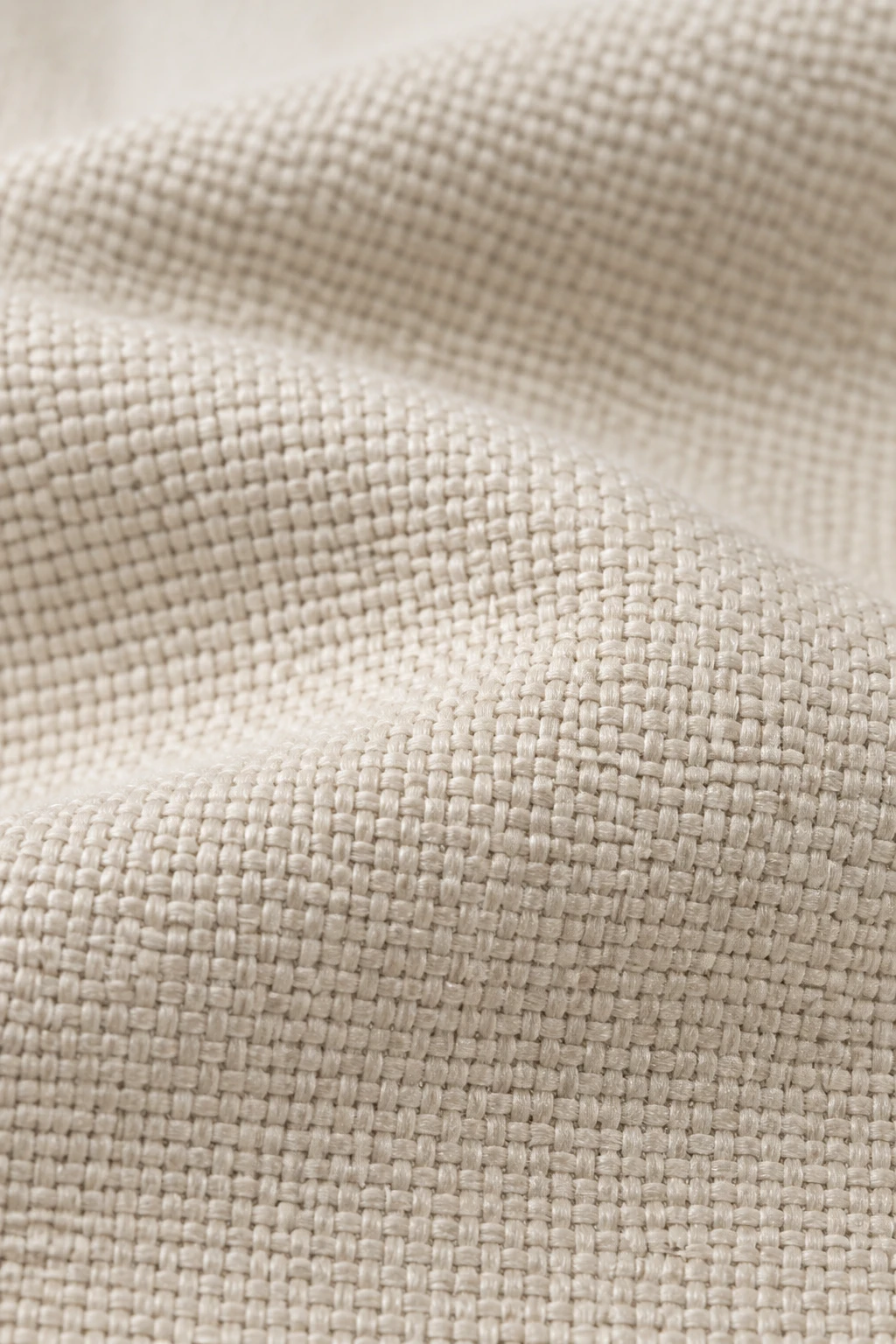
Let’s be real: totes go through life. They ride in cars, get groceries, and sometimes meet the rain. Your yarn choice should help you survive the daily grind.
– Washability: cotton, cotton blends, and acrylic blends are usually machine washable. Check the yarn label first—some fibers hate the washer or require gentle cycles.
– Drying: lay flat to dry to preserve shape, or hang if the yarn is sturdy enough not to stretch out.
– Pilling: some wooly blends pill more. If you love wool vibes, be prepared to occasionally tweeze pills or choose a smooth blend.
– Stain handling: washable yarns make stain removal easier. A quick spot clean can save your tote from becoming a science experiment.
Budget-friendly options: high vibes, low price
If you’re stitching on a budget, you still deserve a tote that doesn’t collapse under a grocery run.
– Standard worsted acrylic blends are the go-to workhorse. They’re cheap, cheerful, and stain-friendly.
– Economy cotton/acrylic blends give you a similar feel to pricier cotton blends without the splurge.
– Look for big skeins or value packs. It’s the same vibe as buying in bulk—more color options for less.
Subsection: tips to stretch your yarn budget
– Buy color families, not one-off skeins. You’ll get more cohesive totes with less waste.
– Reuse leftover scraps for small accents or pocket linings.
– Check local fiber co-ops or craft store promotions. You never know when a sale drops.
Going outer-space practical: outdoor and travel totes
If your tote’s job is groceries, beach days, or hiking trips, you need something tougher and more weatherproof.
– Peaches-and-cream cottons are classic for outdoor use thanks to their sturdiness and easy care.
– Polyester blends or poly-cotton blends add extra water resistance and color fastness. They shrug off a drizzle and keep colors brighter, longer.
– Consider a fabric lining or a coating on the outside for extra weather protection. It’s not glamorous, but it works.
Subsection: hardware and structure tips
– Strong handles/backing: Leather or faux leather handles, or reinforced cotton straps, extend tote life.
– A flat bottom insert helps keep shape and makes packing easier.
– Duh—don’t overload. There’s a difference between “stylish tote” and “mudslide of items.”
FAQ
What’s the best yarn weight for a crochet tote?
The most versatile choice is worsted weight (ar-rated). It offers a good balance between structure and ease of stitching, so your tote holds its shape without becoming a brick. If you want a lighter tote for a few items, sport or DK weight can work with a tighter gauge, but you’ll lose some durability.
Is cotton the best for totes, or should I try other fibers?
Cotton is king for durability and washability, plus it wears nicely with a natural texture. If you need more stretch or a softer hand, try cotton blends or acrylic blends. Silk, wool, or linen can be fabulous for specialty totes, but they require more care and a stiffer plan.
How do I prevent my tote from becoming misshapen?
Choose a yarn with a bit of stiffness or structure, like a cotton blend, and use a tighter gauge. Add a lightweight lining or a flat bottom insert to hold shape. Don’t skip on a sturdy handle design, and consider a slightly larger hook to keep stitches compact if your yarn is particularly fluffy.
What about colorfastness—will my tote bleed onto clothes?
Most cottons and acrylic blends are fairly colorfast, especially with modern dye methods. Always launder a small test swatch first if you’re reusing yarns from old projects. If you’re worried, stick to darker bottoms and avoid ultra-bright dyes that tend to bleed more in the first couple of washes.
Can I machine wash a crocheted tote?
Yes—most cotton blends and many acrylic blends are machine washable. Use a gentle cycle, cold water, and a mild detergent. Remove any hardware that could snag, and lay flat to dry. FYI, avoid tumble drying if you can; heat can distort shape over time.
Do I need a lining for my tote?
Lining isn’t mandatory, but it sure makes life easier. It protects your yarn from snagging on zippers and keys, provides extra structure, and can add a splash of personality. A simple fabric lining with a small pocket can be a game changer.
Conclusion
So, what’s the verdict on the best yarn for crochet tote bags? There isn’t a single “best” answer—there’s a best answer for your vibe, weight needs, and how much maintenance you’re willing to tolerate. If you want something versatile, sturdy, and easy to care for, go with a medium-weight cotton blend or an acrylic blend. If you crave a natural look with a touch of stiffness, hemp blends are your friend. For outdoor adventures, throw in a polyester blend and a lining for good measure.
Remember, the best tote yarn is the one that actually makes you reach for it every day. It should be forgiving for new stitches, forgiving to wear, and forgiving to wash. IMO, the right yarn doesn’t only carry your stuff—it carries your mood, your coffee, and your weekend plans.
If you’re ready to pick colors, you can start with a small starter project in your chosen yarn to see how it behaves. FYI, swatching a quick 6×6 inch square helps you predict how the final bag will perform. Happy stitching, and may your tote be sturdy, stylish, and forever well-loved.