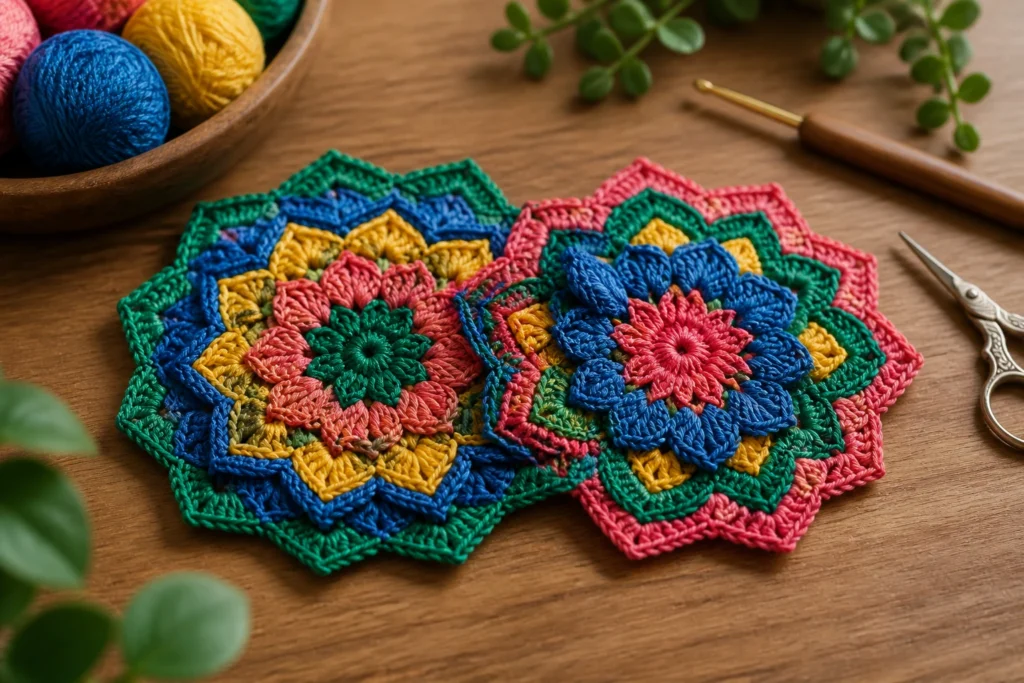
If you’re chasing a mosaic crochet project that snaps together like a glass puzzle, you’ve landed in the right yarn pond. The right yarn can make your colorwork pop, your stitches sing, and your hands thank you for not turning into a crochet-porcupine. Let’s break down the best yarn choices for mosaic crochet, without the drama.
What Mosaic Crochet Demands from Yarn
Mosaic crochet hinges on tile-like color changes and crisp, tight stitches. You want yarn that stays true to color, doesn’t bleed like a bad breakup, and handles tiny stitches without turning into a fuzzy obstacle course. In short, you need yarn that’s predictable, smooth, and bouncy enough to glide through intricate colorwork.
– You’ll mostly work with two colors at a time, so colorfastness matters.
– Fine or light-worsted weights keep your motifs clean and sharp.
– A smooth plies texture helps prevent snagging on the hook.
– A modest sheen is nice; it makes colors pop without washing out.
If you’re nodding along, you’re in the right mindset. Now, what yarn families actually fit the bill?
Best Yarn Families for Mosaic Crochet
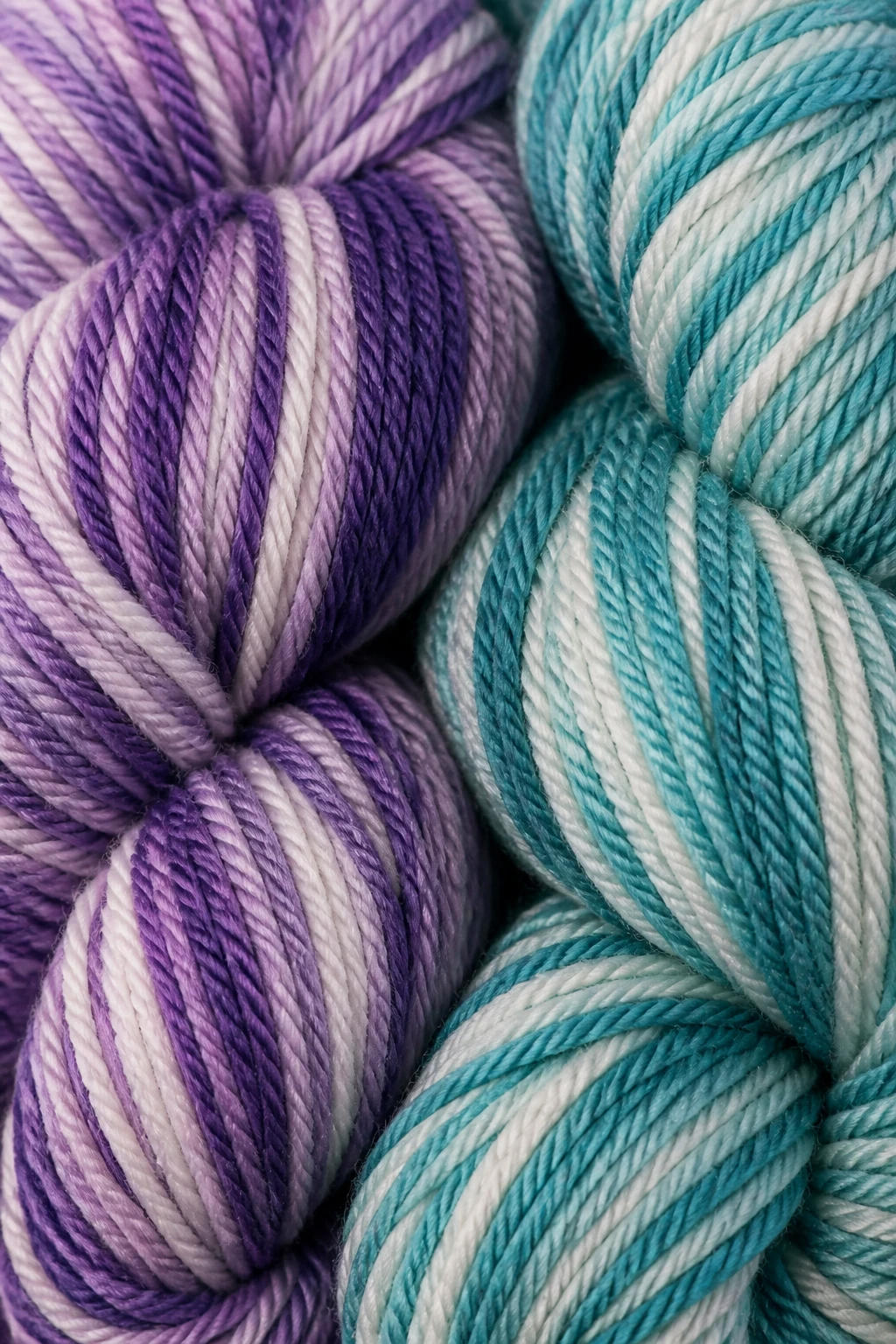
There isn’t a single “best” yarn for mosaic crochet. The magic lies in finding a blend that’s predictable, colorfast, and easy to work with at small hook sizes. Here’s a breakdown of the most reliable contenders.
Smooth, Non-Split Cotton Blends
Cotton is a favorite for sharp colorwork because it’s sturdy, washable, and holds its shape. Look for blends that slightly soften with washing but stay crisp in stitch definition.
– Pros: Excellent stitch definition, colorfast, durable, easy to block.
– Cons: Can be a bit stiff before washing; some blends may feel dry to the touch.
Try blends like cotton with a touch of modal or acrylic for a softer hand while preserving the crispness.
Plied, Smooth Worsted to DK Weight
If you want that classic mosaic look with generous stitch definition, a smooth worsted or DK works beautifully. Go for plied yarns because they wear well and reduce pilling over long projects.
– Pros: Great stitch clarity, comfortable to work with for long sessions, broad color options.
– Cons: Heavier fabrics can obscure tiny motifs if you’re not careful with tension.
Mercerized Cotton for Glitter-Free Shine
Mercerized cotton has that subtle sheen that makes colors pop without competing with your motif. It’s a joy for intricate work and is easy to thread through small hook eyes.
– Pros: Bright color saturation, smooth surface, holds stitches tight.
– Cons: Can be a touch slippery if you’re not paying attention to tension.
Bamboo-Blend for a Silky Feel
If you’re after a luxurious drape and a soft touch, bamboo blends can be delightful. They’re usually breathable, cool in warm weather, and still hold color well.
– Pros: Soft hand, nice drape, good color accuracy.
– Cons: Some blends pill faster; check your yarn’s ply and twist.
Superwash Wool Blends for Ease of Care
For mosaic projects that might survive a wash cycle (hello, wash-in friendly blankets or placemats), superwash wool blends give you bounce and resilience.
– Pros: Elasticity, forgiving if you make a mistake, easy care.
– Cons: Some fibers can fuzz with time; color bleeding is usually minimal but possible.
Color, Contrast, and Charting Your Palette
Mosaic crochet is basically painting with yarn tiles. Your color choices and how you pair them will make or break the piece.
– Pick a palette that has at least three levels of value: light, mid, and dark. You’ll create depth without needing five colors per row.
– Limit tonal similarities in adjacent tiles. If two colors sit too close, your motif blends instead of pops.
– Test color changes on a swatch. If you can’t tell the difference between colors, you’ve chosen poorly.
– Consider dye lots. If you’re planning a long project, buy extra—dye lots shift over time, and mosaic needs consistency.
How to test before you dive: wind a small swatch using your chosen colors and look at it in different lighting. If the color transitions feel muddy, swap one hue for a crisper option.
Taint, Bleed, and Care: Keeping Colors True

Color bleeding can ruin a mosaic piece faster than you can say “oops.” Here’s how to keep your yarns harmonious.
– Wash testing: Before you commit to a palette, wash a tiny swatch in the same water temperature you’ll use for the final piece. If colors run, swap to more colorfast options.
– Yarn pre-soak: A quick pre-soak in cool water with a gentle dye fixative (or a touch of wool wash) can reduce color migration in some fibers. Don’t overdo it—mosaic projects like crisp lines, not watercolor blending.
– Drying matters: Lay flat to dry to preserve stitch definition. A heat dryer tends to nudge colors around and fuzz edges.
FYI, some folks swear by a vinegar rinse for colorfastness in natural fibers. If you’re curious, do a quick test first on a swatch to see if it behaves.
Hand Feel and Texture: How Your Yarn Plays with Your Hook
Mosaic crochet demands control. The way your yarn feels in your hands affects tension, speed, and how clean your edges look.
– Slippy vs. grippy: Slippery yarns (like certain mercerized cottons or modal blends) can be tricky at tight gauges. If you’re new to mosaic, start with something a touch grippier.
– Ribbon-like strands: Some colorways come loosely spun and can split easily with fine hooks. If you notice frequent splits, switch to a more tightly plied option.
– Pilling: Fine, tightly spun yarns resist pilling longer. If your project is small motifs on a blanket, pilling is less of a concern but still annoying.
Choosing the right hook matters too. A sharp tip helps you grab the yarn cleanly, preventing extra splits on tight stitches.
Techniques and Tensions: Getting Clean Mosaic Motifs
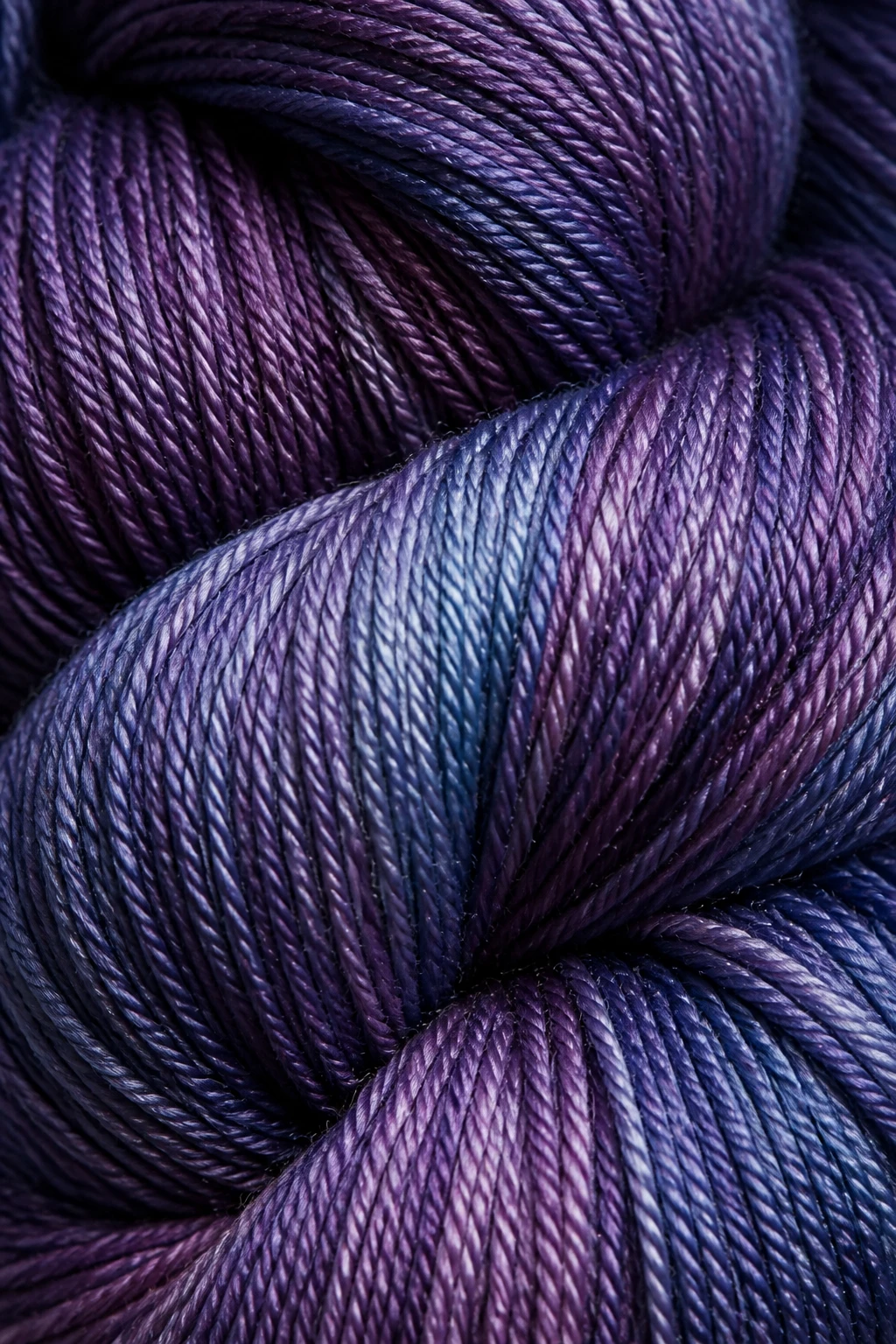
Mosaic crochet isn’t just about color choices. The technique matters as much as the yarn.
– Lock in your tension: Mosaic works are built on a consistent tension. Too tight, and you’ll mound stitches; too loose, and the color blocks swim.
– Slip stitch density: If you’re doing color changes across rows, slider strokes should be precise. Practice with a small swatch to dial in that crisp edge.
– Turning and chaining: The first chain in each row locks your edge. If you find your edges fraying, tweak your turning method or switch up your hook.
Subsection: Reading your chart like a pro
– Read color blocks from bottom to top, left to right.
– If your chart has symbols, keep a legend nearby and check as you go.
– Don’t be afraid to mark your chart with pencil or highlighter for quick reference.
Project Inspirations: What to Make Now
If you’re itching to apply these tips, here are some mosaic-friendly project ideas that celebrate yarn choices.
– Cozy wall hanging with bold contrasts: Choose a mercerized cotton palette for sharp edges and a pop of color against a neutral background.
– Geometric throw with gradient squares: Use a smooth DK blend that shifts slightly in shade, creating an illusion of depth.
– Mini motif bag or zipper pouches: Cotton blends or bamboo blends give a light, crisp finish that’s washable.
– Doily-style table mat: A fine cotton yarn with a tight gauge will give you delento-like motifs that lie flat.
Care, Maintenance, and Longevity
You’ll likely treasure these pieces, so a bit of care goes a long way.
– Hand wash or gentle cycle: Most mosaic crochet projects survive a delicate wash, but always check your yarn label.
– Dry flat: Let weighted motifs maintain their shape. Don’t hang, or you risk stretching.
– Storage: Keep away from direct sunlight to prevent fading. Zip bags or breathable totes work well for storage.
FAQ
What weight is best for mosaic crochet?
A sweet spot is DK to light worsted. They give you crisp stitch definition without bulk, making color blocks obvious and easy to follow. If you want a lighter piece, fingering weight can work, but it’s a bit trickier and requires careful tension control.
Should I mix yarn types in mosaic crochet?
Generally, you’ll want to keep fabric consistent. Mixing drastically different fibers can lead to uneven stitch tension and unwanted texture changes. If you do mix, test a swatch first and ensure the hand feels close enough to avoid drama mid-project.
How do I prevent color bleed in my mosaic project?
Do a dye-test swatch before you commit to a palette. Wash the swatch in cool water, then re-test. If colors bleed, swap to more colorfast options or use a dye fixative according to the product instructions. Pre-soaking and choosing colorfast fibers helps a lot.
Can I block mosaic crochet pieces?
Yes. Blocking helps the motifs pop and lie flat, especially with cotton or blends that want to curl. Use a gentle spray and pin into shape on a foam mat. Let dry completely before joining pieces.
Is superwash wool a good option for mosaic?
Superwash wool blends can be forgiving and easy to care for, but they might shed a bit and occasionally fuzz over time. If you’re aiming for crisp color blocks, test a swatch to see how your chosen colorways behave after blocking and washing.
What about dye lots for large palettes?
Always buy an extra skein per color if you’re planning a long project. Colorways can vary between dye lots, and mosaic pieces rely on clean, color-consistent blocks. If you can’t buy in excess, consider using a palette with fewer hues to minimize shade shifts.
Conclusion
Mosaic crochet thrives on thoughtful yarn pick, careful color planning, and a little patience for those perfect crisp lines. The best yarns for mosaic crochet balance colorfastness, stitch definition, and a hand feel you actually enjoy working with. Start with smooth cotton blends or slight mercerized options, pick a palette that sings in value rather than just hue, and test, test, test with swatches before committing to a full piece.
If you’re curious, FYI, your stitching journey will thank you for investing a bit of extra swatch time upfront. IMO, the payoff is worth it: a mosaic that reads clean, looks vibrant, and holds up through countless viewings and washings. And hey, you might even shock yourself with how quickly your technique sharpens when you’re not fighting with fuzzy edges or color bleed.
So grab a couple of skeins, a small hook, and a calm afternoon. Your future mosaic masterpiece is just a few color blocks away.