
If you’re chasing faster skill gains, grab a crochet hook and tiny projects. Tiny projects mean quick wins, less fear, and more bragging rights before lunch. You’ll see progress, get hooked, and suddenly forget all the excuses you told yourself about “learning slowly.”
Why small crochet projects actually turbocharge your skills
Let’s cut to the chase: big projects are great, but small projects build confidence, reduce overwhelm, and give you frequent feedback loops. You’ll fix mistakes sooner, memorize stitches faster, and actually finish something without turning your living room into a yarn rainbow disaster. FYI, tiny projects are like speed dating for crochet skills—short, fun, and you walk away with a couple of new tricks every single time.
What makes small projects so effective
– Instant gratification keeps motivation high
– More repetition in less time
– Easier problem-solving when you go wrong
– Clear end points help you learn from finishing
– Faster recognition of what you actually enjoy or dread
If you’re serious about leveling up, you want wins on the board regularly. Small projects give you those wins without the emotional roller coaster of a big, tangled blanket that suddenly seems sentient and plotting to eat your yarn budget.
Section 1: What counts as “small” in crochet?
What counts as “small” in crochet?
Small doesn’t have to mean a potholder that looks questionable at best. Think practical, quick-to-finish items that still teach a core technique. Here are some solid starter ideas:
– Coasters and dishcloths: simple stitch patterns, lots of practice with tension
– Keychains and mini granny squares: portable, fast, portable again
– Baby bibs or scrubbies: useful, quick, and forgiving if you make mistakes
– Headbands or bracelets: quick rows, great for colorwork and texture
– Earbud or cable organizers: tiny, functional, and satisfying
Tips to pick your first tiny project
– Choose something you’ll actually use or gift
– Pick a pattern that matches your current skill (not too many new techniques at once)
– Skim the instructions for tricky parts; if it feels scary, back up a step
Section 2: The skill feedback loop that tiny projects create
The skill feedback loop that tiny projects create
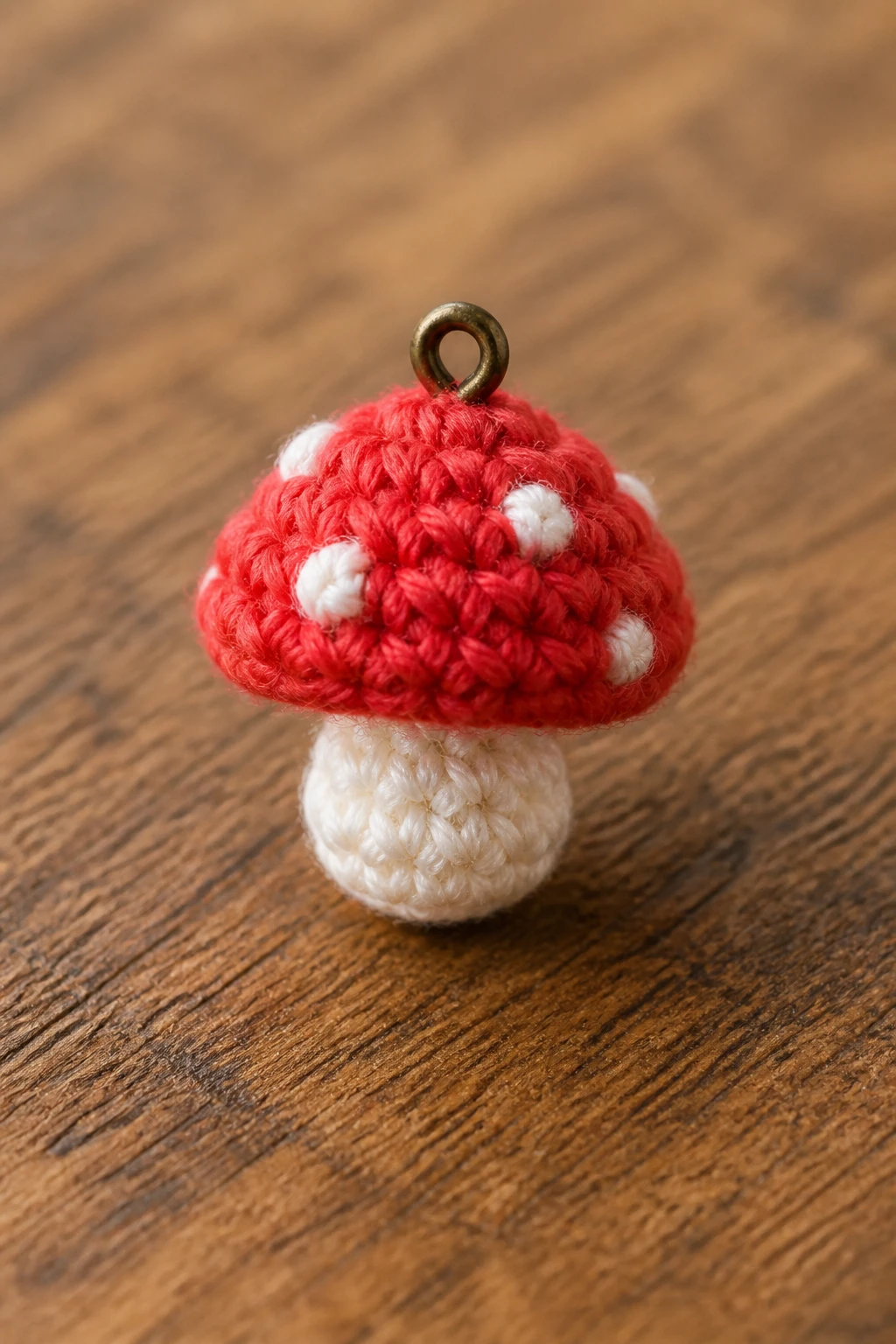
Small projects give you fast feedback. You’ll see results, adjust, and see results again in almost real time. It’s like a swear-free testing ground where your gauge, tension, and stitch alignment all get checked before you commit to a big piece.
– Pick a technique, master it on a small scale
– Compare gauge and fabric texture across a handful of swatches
– Correct mistakes quickly and see the improvement immediately
– Build muscle memory through repetition
Subsection: Gauge, tension, and fabric enjoyment
Gauge, tension, and fabric enjoyment
Gauge can feel magical until you realize it’s just math plus practice. Tiny projects let you play with your hook size, yarn weight, and stitch patterns without committing to a blanket that takes months. Will your fabric lie flat or curl at the edges? Do you actually like how it feels in your hands? These questions get answered in bite-sized experiments rather than in a crisis of “will this molt into a rug or a sweater?”
Section 3: Technique bootcamp, but friendly
Technique bootcamp, but friendly
Small projects are basically technique bootcamp disguised as fun. You’ll accumulate a toolbelt of skills without the drama.
– Tension control: You’ll notice if your stitches are looser than a weekend flyer or too tight to swear at comfortably
– Stitch recognition: You’ll be able to identify single crochet, half-double, double crochet, and more without staring at patterns like they’re hieroglyphics
– Colorwork basics: You’ll practice stripes and simple mosaic without drowning in yarn ends
Subsection: Common pitfalls and quick fixes
Common pitfalls and quick fixes
– Loose edges: Use a consistent turning chain or adjust your first stitch height
– Uneven rows: Check your turning chain height and the number of stitches per row
– Dropped stitches: Don’t panic—use a crochet hook to pick them back up from the row below
– Tension shifts: Keep a relaxed grip, and don’t white-knuckle the hook
Section 4: Color, texture, and tiny experiments
Color, texture, and tiny experiments
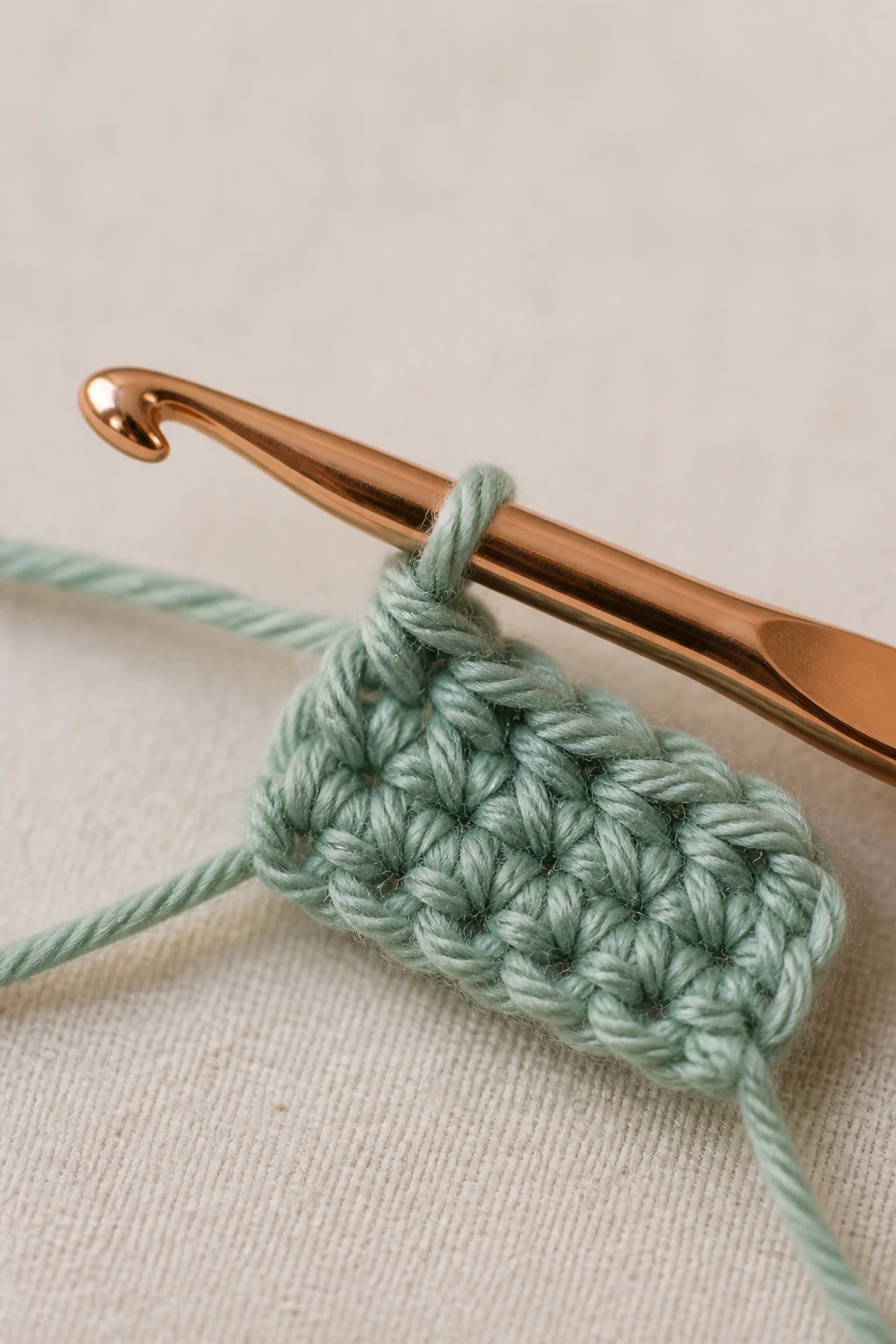
Small projects are perfect for experimenting with color combos and textures without overwhelming yourself. Try these playful ideas:
– Striped coasters with two or three colors
– Shell stitch squares that create a wavy texture
– Bobble stitches for a pop of texture on a dishcloth
– Variegated yarn scavenger hunt: learn how color changes feel in your hands
Why color planning matters
– It helps you predict how a pattern will look in your yarn choice
– It reduces “yarn gamble” decisions later on
– It teaches you about how texture can alter visual weight
Subsection: Accent projects to test color theory quickly
Accent projects to test color theory quickly
Create a mini sampler scarf or a set of mini swatches. Play with high-contrast colors and low-contrast neutrals. You’ll start noticing which combos slide together and which clash, helping you avoid costlier mistakes on larger pieces.
Section 5: From hobby to habit: finishing is learning
From hobby to habit: finishing is learning
Finishing is where you actually lock in skills. Without finishing, you’ve got beautiful yarns and a messy mental note of “I could do that someday.” Small projects insist you finish, and finishing teaches you to plan ahead.
– Block or steam properly for a neat final look
– Weave in ends with purpose so they don’t unravel in a week
– Blocked edges help you see the true size and shape of your piece
Subsection: Project planning for success
Project planning for success
Before you start, ask:
– Do I understand the pattern? If not, can I find a quick tutorial?
– Do I have all the supplies? If no, can I substitute easily?
– How many evenings will this take? Can I chunk it into a few sessions?
Short answer: plan a tiny path to the finish line. Your future self will thank you, probably with a smug selfie of a completed coaster.
Section 6: The social side of small projects
The social side of small projects

Crochet is not a solitary sport; it’s a chatty hobby. Small projects are perfect for sharing progress with friends, joining a pattern loop, or showing off a finished item in a group chat.
– Knit-and-tell vibes with your crochet circle
– Pattern swaps and tips from practical-minded folks
– Challenge yourself with a “two-week tiny project” sprint
Hanging with others helps you stay accountable. It also makes learning less intimidating. “Teach what you’ve learned” is a powerful reinforcement technique. Explaining a stitch to someone else makes you see gaps in your own understanding.
Section 7: Tools and workflow that speed up tiny wins
Tools and workflow that speed up tiny wins
Your setup matters just as much as your yarn. A clean, efficient workflow makes small projects feel effortless.
– Right-sized project bags and organizers
– A comfortable light source to avoid squinting
– A dedicated hook collection that you actually use
– A simple notes system for stitch counts and pattern tweaks
Techniques to streamline your process
– Keep a running tally of stitches per row to avoid counting fatigue
– Use stitch markers in tricky sections to prevent mistakes
– Save favorite patterns for quick reference, not hunting hours
Subsection: The power of templates and repeatable patterns
The power of templates and repeatable patterns
Templates let you repeat success. If you love a particular stitch or layout, create a mini-template you can reuse for future tiny projects. This reduces decision fatigue and speeds up the start-to-finish cycle.
FAQ: Quick answers to common tiny-project questions
What counts as a successful tiny project?
A successful tiny project finishes on time, looks tidy, and teaches you at least one new technique or solidifies a skill you’ll carry forward. It should feel like a win that you can repeat with confidence.
How many tiny projects should I do before moving to bigger things?
There’s no fixed number. If you’re consistently finishing, enjoying the process, and noticing improvements in tension, gauge, and pattern comprehension, you’re ready to scale up.
What if I mess up on the first row?
Take a breath. Unravel a few stitches if needed, fix the mistake, and continue. The beauty of small projects is you can recover quickly and still have a usable piece.
How do I stay motivated to finish multiple tiny projects?
Set achievable goals, like “three coasters this week” or “one pattern repeat per day.” Share progress with a friend or online group for accountability. Celebrate each small victory with a tiny ritual.
Should I hoard supplies or keep it simple?
Start simple. A few colors of worsted weight yarn, a versatile hook size, and a couple of patterns you love will do. As you grow, you’ll naturally expand your collection based on what you actually use.
Conclusion: small projects, big leaps
Conclusion
Small crochet projects aren’t just cute little side quests; they’re your fast track to real skill improvement. They give you rapid feedback, reduce overwhelm, and keep motivation high. You learn to manage tension, gauge, and finishing in bite-sized chunks. Plus, they’re incredibly satisfying to finish and share.
So next time you want to level up, pick a tiny project with a big payoff. Build a streak of small wins, and you’ll look up soon enough and realize your skills have grown in leaps and bounds—without the fear and drama that often come with big projects. IMO, it’s the smartest (and most fun) way to learn crochet, one cozy little piece at a time. FYI, your future ambitious, blanket-sized self will thank you for starting small today.