The old granny square has a reputation for being simple, reliable, and a little stubborn. Modern takes, on the other hand, crash the party with brighter colors and bolder shapes. So what happens when you mix them? You get a cozy, stylish conversation starter you can actually live with.
What exactly is a granny square, anyway?
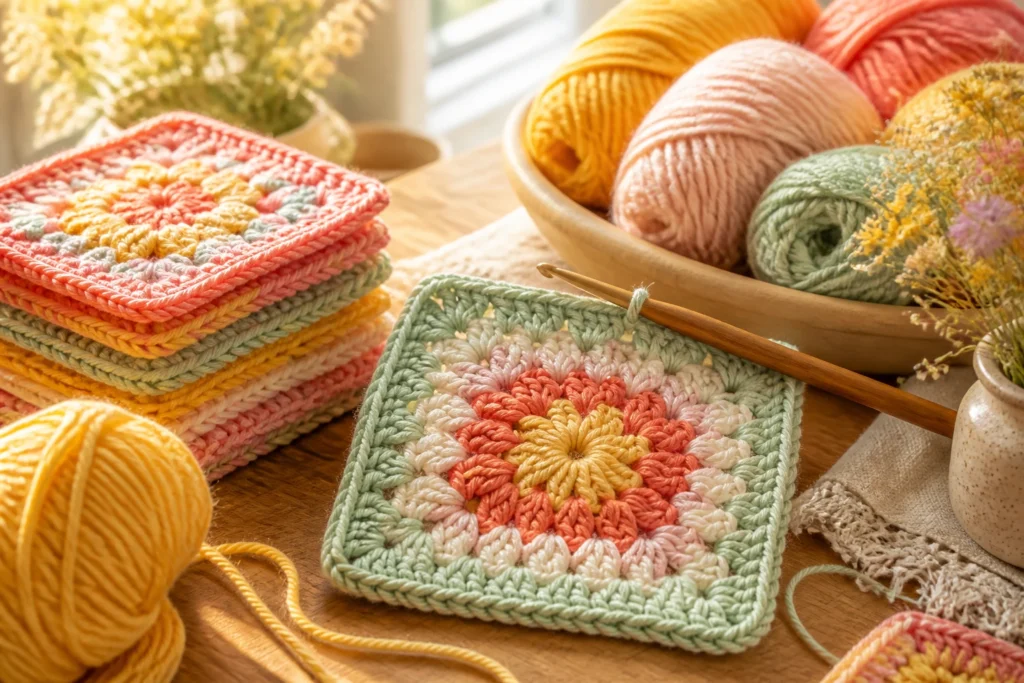
If you’ve crocheted for more than five minutes, you’ve probably made a granny square at some point. It’s basically a square made from clusters of double crochet stitches, worked from the center out. Classic granny squares are all about symmetry, tight corners, and that signature halo of yarn around each block.
But here’s the kicker: the “classic” isn’t a universal rule. The granny square has evolved, just like fashion. Some people start with a crisp center, others with a generous flyaway edge. Some use a plain color palette, while others throw in variegated yarns that look like a sunrise on a summer morning. The square that used to be a simple building block now invites experimentation.
What “modern” means in the granny square world
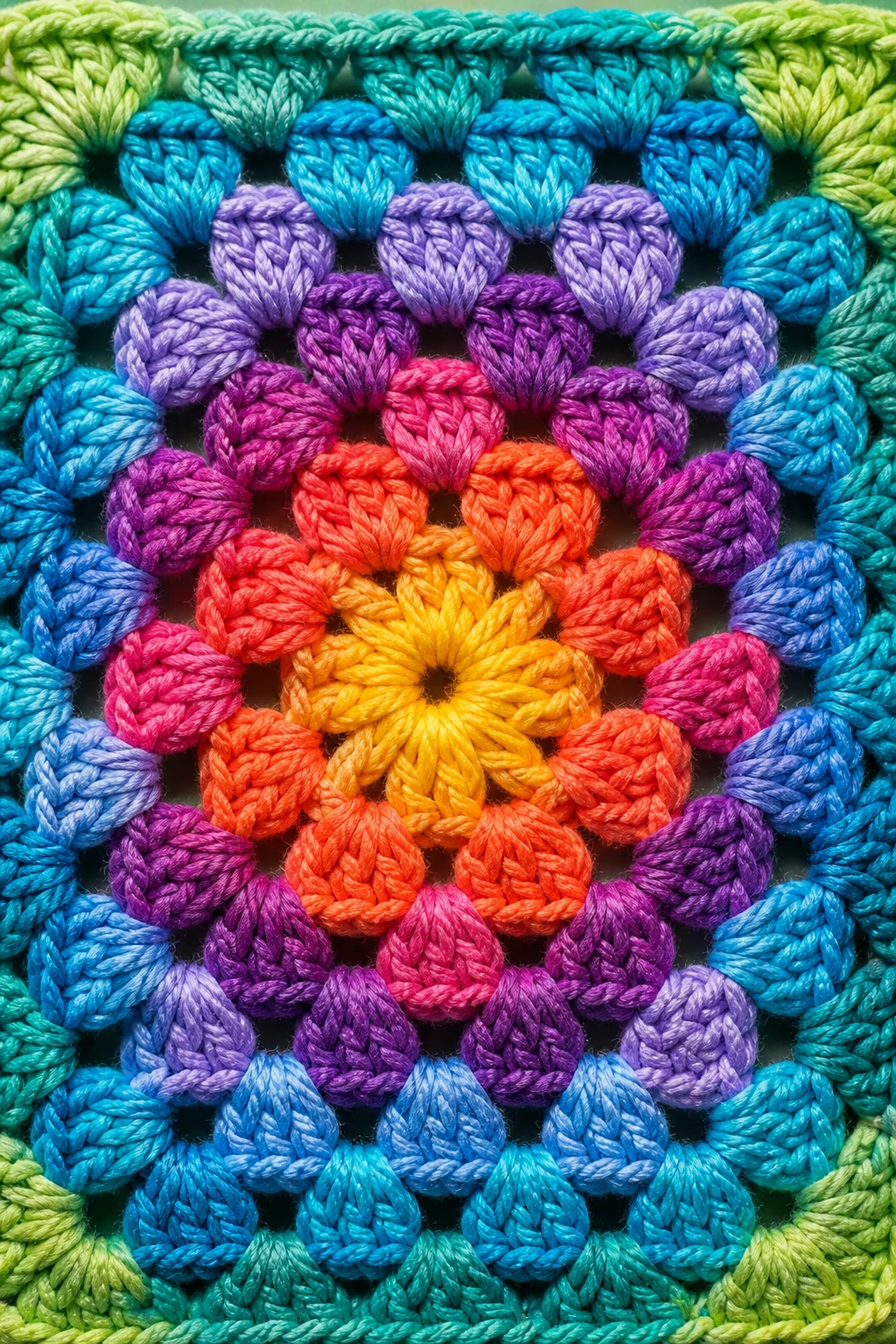
Modern granny squares usually push beyond the original constraints. They experiment with color, shape, and texture. They’re still squares, but they don’t always stay perfectly flat or perfectly uniform.
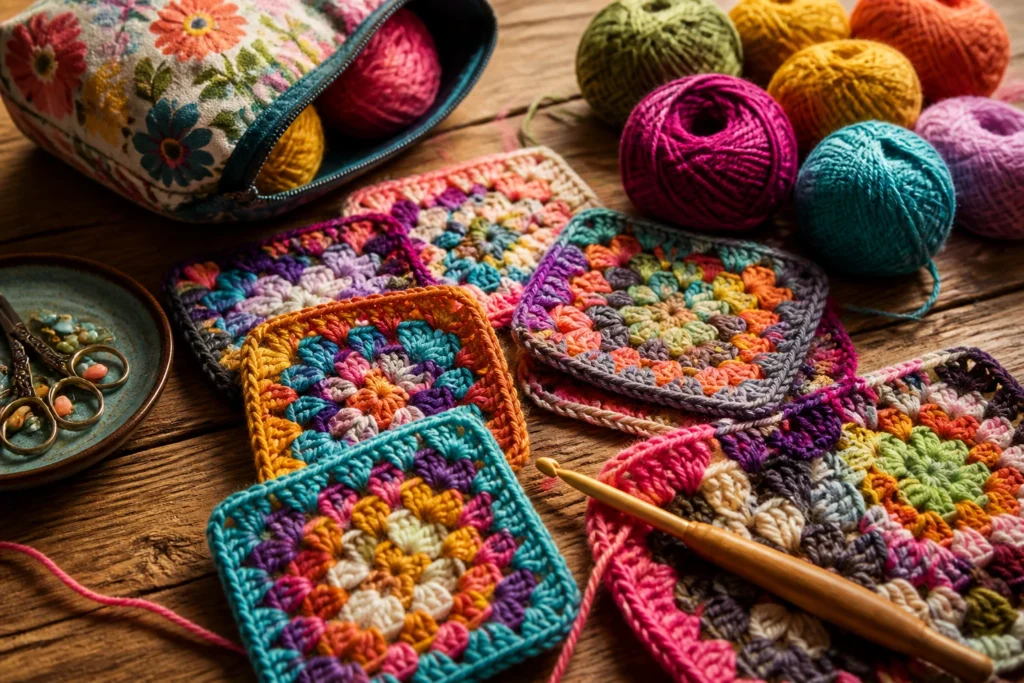
– Color: Think bold pops of neon next to soft neutrals, or color-blocking that makes the whole piece sing.
– Shape: Some modern designs ditch the classic round corners for more geometric options, or incorporate diagonal seams to create a starburst or zigzag effect.
– Texture: You’ll see mixed stitches, like the addition of puff stitches or post stitches, which add depth and a tactile feel.
– Construction: Instead of one flat panel after another, modern techniques mix granny blocks with other crochet motifs, or pile multiple squares into unexpected layouts.
FYI, “modern” isn’t a club with a password. It’s a vibe. If your squares look fresh and you’re happy stitching them, you’re on the right track.
Traditional granny squares: the timeless backbone
Traditional granny squares are reliable, comforting, and unapologetically classic. They follow a familiar rhythm: center, round, repeat, join. The color progression tends to be predictable, and the edges stay square like a cookie cutter.
Why do people love them? Because they’re forgiving. You can swap colors mid-row, you can work at a slower pace, and you still end up with something that feels complete. Traditional squares are the kitchen sink of crochet—use them for blankets, cushions, or bags, and they’ll do the job well.
– Consistency: The standard pattern makes it easy to teach to beginners.
– Compatibility: Traditional squares play nicely with nearly any other square, no drama required.
– Nostalgia factor: They’re cozy as a favorite blanket, with a wink of retro charm.
Where the two worlds collide: blending modern and traditional
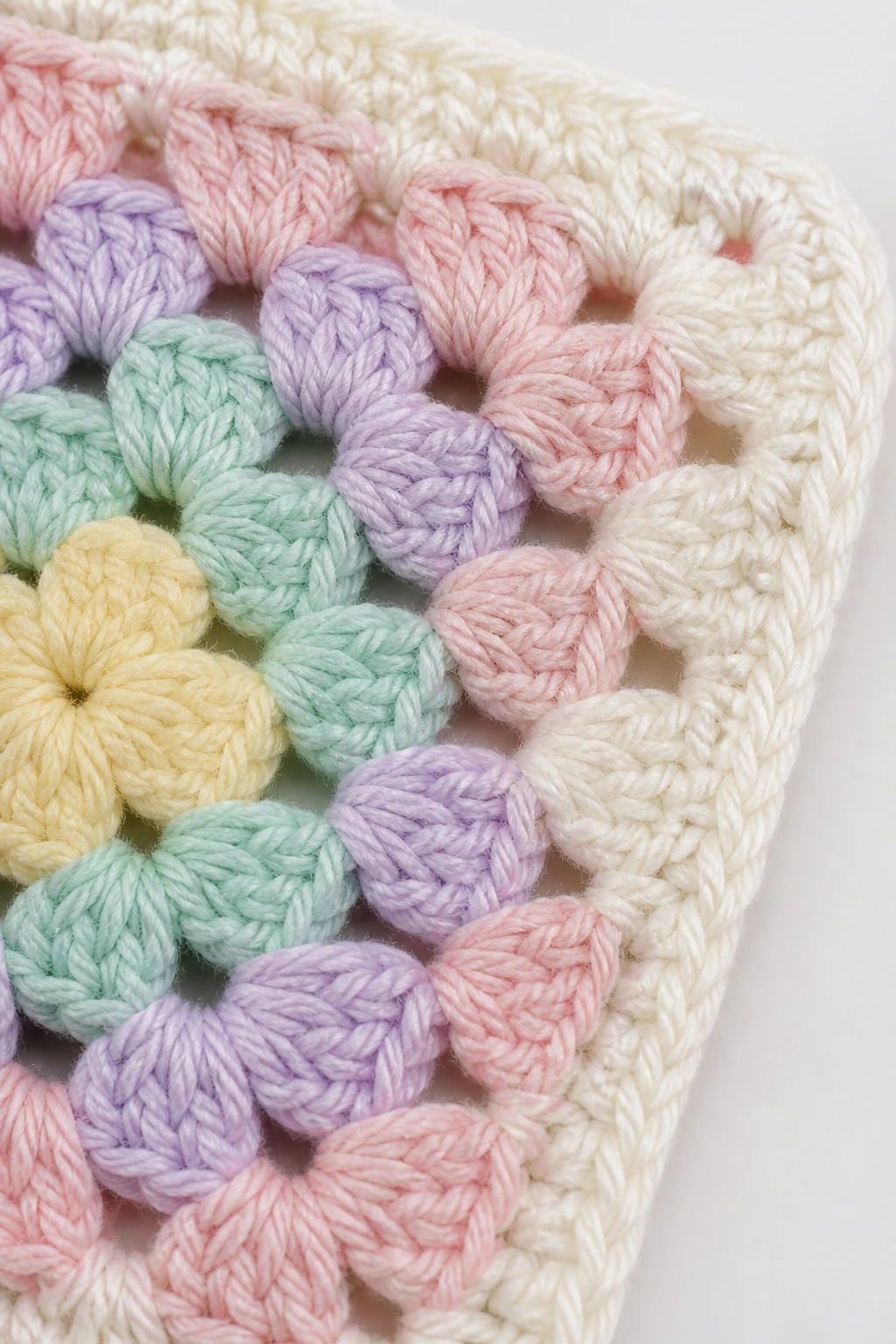
You don’t have to pick sides. You can blend modern and traditional elements to create something that feels timeless, but not stuffy.
– Color plays: Start with a traditional colorway (think creams, browns, and muted greens) and inject a single bold color to wake things up.
– Edge games: Use traditional square shapes but finish with a modern border—maybe a picot edge or a contrasting color that makes the square pop.
– Mixed motifs: Combine a traditional granny cluster with a modern lattice or a simple stitch in the back to create texture without shouting.
When you mix, you’re telling a story. Your blanket becomes a timeline: grandma’s mornings, your evenings, a little bit of funk in between. If it feels too chaotic, tone it down with one unifying color or a consistent border.
Techniques that level up your squares
This is where the fun begins. You don’t need a PhD in crochet to try these, just a little curiosity.
Color planning without chaos
– Pick a palette: 2-4 colors usually works, unless you’re going full rainbow, in which case, go for it.
– Use a neutral anchor: One color remains constant across all squares, and the others rotate.
– Plan the layout: It helps to lay out squares on the floor or a large table before sewing them together so colors don’t fight.
Texture tricks for depth
– Mix stitches: Combine double crochet with half-double or treble in the same square for texture.
– Add post stitches: They create raised ridges that catch light and add interest.
– Include puff stitches: A little puff can act like a punctuation mark in your color story.
Shape and edge play
– Curved corners: Not every square has to have sharp corners; a slight rounding can soften the look.
– Borders: A simple single crochet border in a contrasting color can “frame” each square nicely.
– Alternative shapes: Don’t panic if a square isn’t perfectly square. A square with a slightly skewed edge can be charming and modern.
Projects that showcase the best of both worlds

Blending modern and traditional squares leads to a lot of exciting projects. Here are a few that work beautifully in real life.
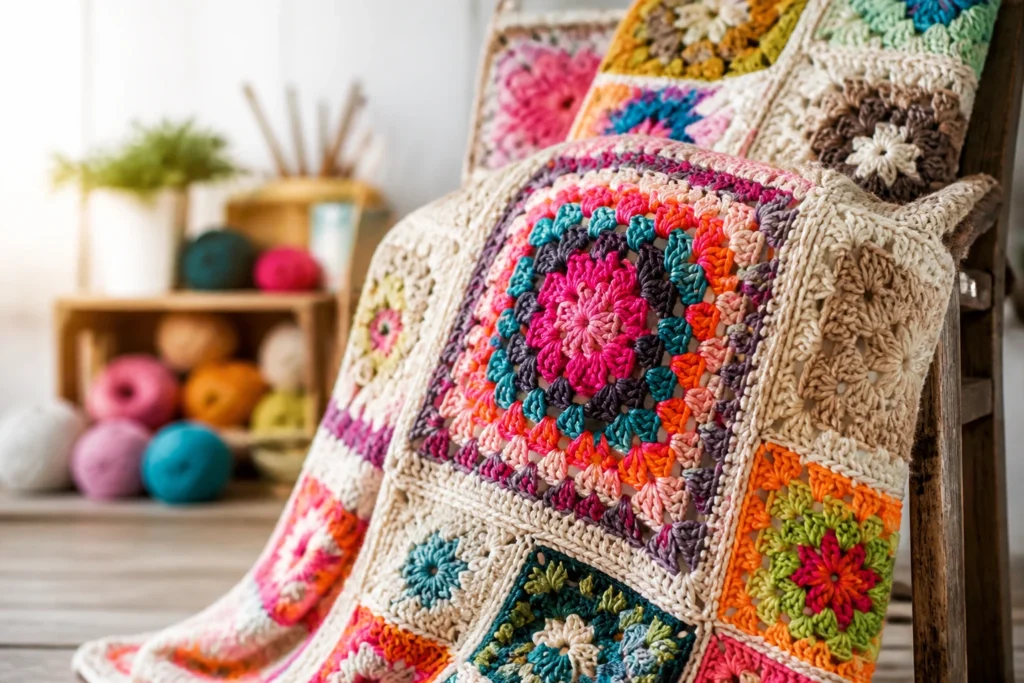
– Blanket blitz: Create a full-size blanket with a grid of traditional center-out squares, but sprinkle in a handful of modern, more geometrically shaped blocks. The result feels curated, not chaotic.
– Cushion couture: Small squares work great for cushions. Try alternating a traditional square with a modern one and finish with a bold border.
– Wall hangings: A wall piece lets you play with scale. Make one large traditional square as the anchor and fill surrounding space with modern, color-blocked squares.
– Tote bags and accessories: Smaller items are forgiving for experiments. A traditional center with a modern colorful edge on each square can be striking.
Color stories: choosing palettes that sing
Color can make or break the vibe of your granny square project. Here are some practical tips to keep things harmonious without stifling your creativity.
– Monochrome mood: Vary the shade of a single color across different squares for depth without visual chaos.
– Complementary vibes: Pair colors opposite on the color wheel (think teal and coral) for a punchy look.
– Analog warmth: Soft, adjacent colors (peach, pink, and lavender) feel cohesive and cozy.
Tips for keeping color mistakes at bay:
– Test swatches before committing to a full blanket.
– Keep a color photo or swatch board handy while you crochet so you don’t mismatch on a grand scale.
– If you’re unsure, ask a friend to weigh in—sometimes a second eye helps more than a second skein.
Practicalities: assembling, caring, and longevity
You’ll want your finished piece to last, not turn into a fuzzball after a few hot washes.
– Joining methods: Whip stitch for a neat, flat seam; mattress stitch for a nearly invisible join; or crochet join for a seamless look.
– Border finishing: A neat border hides minor inconsistencies and gives the piece a finished feel.
– Care instructions: Most cotton blends hold up well to washing, but check your yarn label. A gentle cycle and cool water work wonders. Dry flat to avoid distortion.
– Blocking: Especially for blankets, blocking can help squares align and lay flat. A light steam or a dedicated blocking mat works wonders.
Common pitfalls and how to dodge them
Even the seasoned crocheter trips up sometimes. Here’s what to watch for and how to fix it quickly.
– Uneven squares: If your gauge is off, your blanket will look wobbly. Solution? Work a gauge swatch, pick a row count, and aim for consistent stitches.
– Color bleeding: Some yarns bleed, especially early on. Wash a small swatch first and consider color-catching sheets for the first wash.
– Too busy: If your brain short-circuits looking at all those blocks, take a break and switch to a single-color border on a handful of squares to reset.
FAQ
Do modern granny squares still require the same basic techniques?
Yes. You still start from the center and work outward in rounds. The difference lies in how you choose colors, textures, and borders. The core skill—knitting the stitches without tearing your hair out—remains the same.
Can I mix wool and cotton blends in the same project?
Sure. Blending fibers can create interesting textures and warmth. Just be mindful of gauge differences and how the fibers wear over time. If you’re unsure, test a small sample first.
What’s the easiest way to join squares without a bulky seam?
Clever joining options exist: slip stitch or whip stitch for a flat seam, or a crochet join that creates a nearly seamless look. Pick the method that makes you happiest and fits your project’s vibe.
How do I choose colors without ending up with a chaotic mess?
Start with a controlled palette (2-4 colors). Add a bold accent if you want a pop, and keep one neutral anchor to tie everything together. Layout helps a lot—line up the squares before stitching them together.
Are there good substitutes if I can’t find traditional yarn colors?
Absolutely. You can use variegated yarns for a modern twist, or pick self-striping yarns to create color blocks without so much color planning. The beauty of crochet is improvisation.
Conclusion
Granny squares aren’t a museum piece locked behind glass; they’re a living, breathing craft that invites reinvention. Traditional blocks offer comfort, reliability, and that warm, familiar vibe. Modern touches inject life, surprise, and a wink of boldness. When you blend the two, you get something that feels timeless but not stodgy—like wearing your grandma’s favorite cardigan with a pair of neon sneakers.
If you’re wondering whether you should lean traditional or go bold, IMO the answer is simple: try a few squares in each camp, lay them out, and listen to your gut. Do you smile when you see a square with a big, bright center? Then go for it. Want a wall hanging that reads calm and cozy? Use traditional blocks with a modern border. The crochet hook is your compass, and your living room is the map. FYI, there’s no wrong path here, just different vibes to test on a Saturday afternoon.