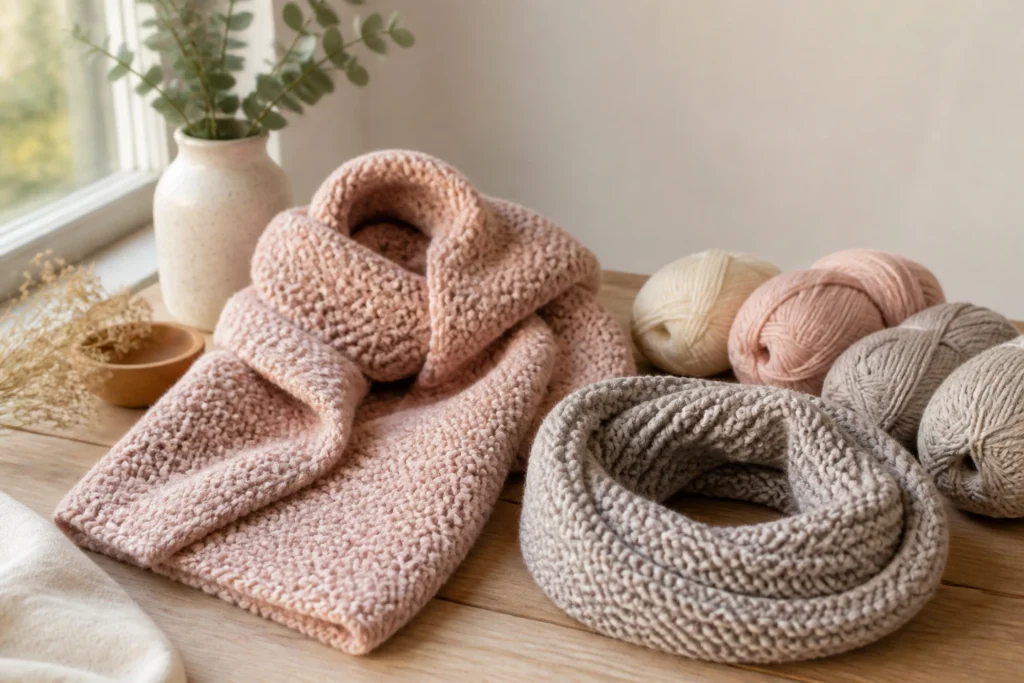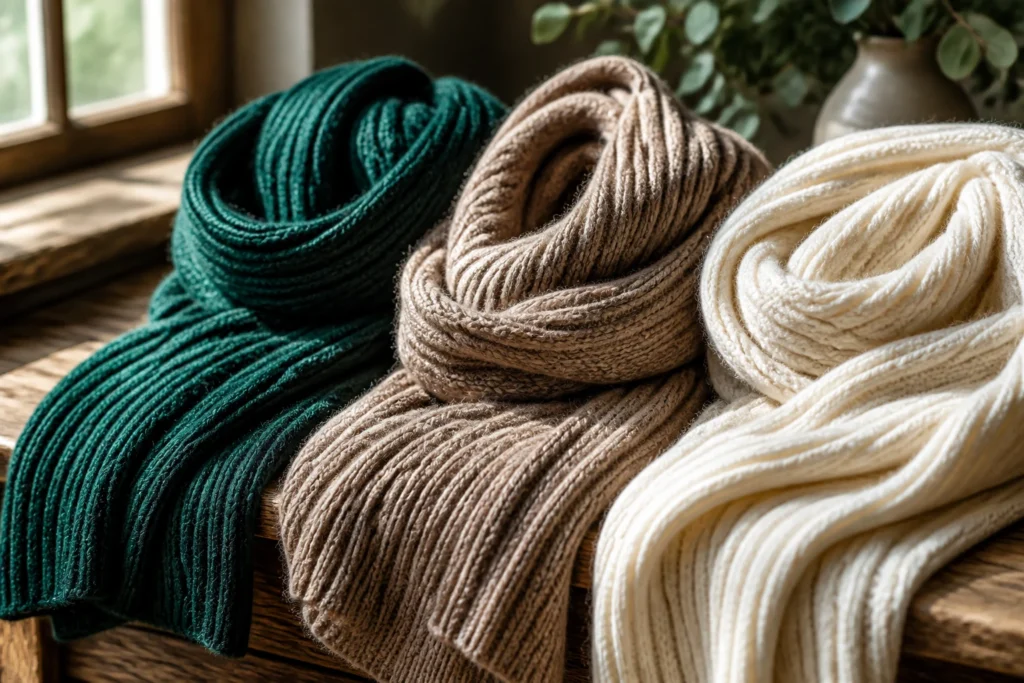

I’ll be honest: the best scarf starts with the best yarn. When you wrap a crochet scarf around your neck, you want softness, warmth, and a yarn that behaves—not a fuzzy disaster that hides your stitches. Let’s break down what really matters and why certain yarns win the game every time.
What makes a yarn ideal for crochet scarves?
– Texture that hugs your skin, not pricks you into a grumpy mood.
– Fiber content that balances warmth, washability, and drape.
– Yarn weight that creates the vibe you want—dense and cozy or light and drapey.
– Longevity and colorfastness so your scarf looks fresh after weeks of wearing and washing.
Here’s the short version: pick something soft, easy to care for, and the right thickness. After that, you can chase fancy fibers all you want, but you won’t regret starting with the basics.
Classic favorites: the reliable go-tos
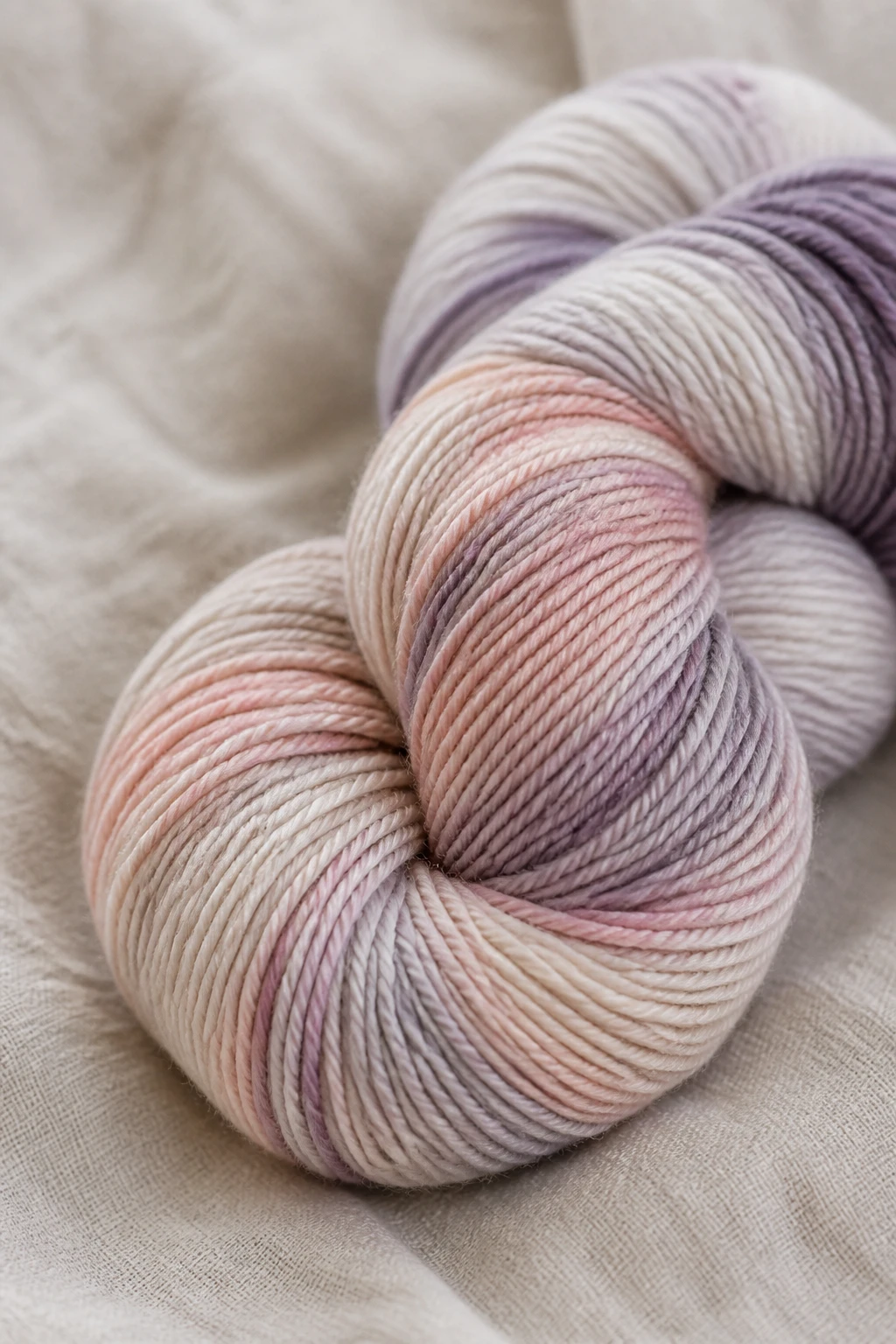
- Acrylic blends — Budget-friendly, superwash options make scarves easy to wear and wash. They’re forgiving for beginners and come in every color under the sun. FYI, they can be a bit less breathy than natural fibers, but for travel and daily wear they’re hard to beat.
- Mercerized cotton — Smooth, glossy, and great for spring and summer scarves. It drapes beautifully and holds stitches nicely, but can be a tad stiff out of the ball. A little blocking goes a long way.
- Wool blends — The warm hug without the itch if you pick the right blend. Look for merino or superwash blends for easy care. They’re perfect for chilly days, and they tend to have great stitch definition.
- Superwash wool — Wrangle with no felting fear. These babies survive machine washing, which is a serious bonus if you’re, you know, forgetful about hand-washing rules.
Texture matters: how to pick a scarf-aligner by fiber
Feel on the skin: softness first
– If you’ll wear it next to your neck, softness wins. Look for yarns labeled “soft,” “merino,” or blends with cotton or acrylic that whisper rather than scratch.
– If you notice a harsh halo or itch in the ball, keep scrolling. You’ll regret it while you’re freezing in a windy park.
Warmth vs. weight
– For a chunky winter scarf, a bulky weight wool or wool blend delivers big warmth with fewer stitches.
– For a transitional scarf, a DK or sport weight in a soft cotton or acrylic blend gives you warmth without the bulk.
– Do you want to layer or wear single-layer vibes? Your weight choice will decide.
Care tells a tale
– Machine-washable yarns save you stress. Superwash wool and most acrylics fit here.
– If you love a natural fiber and don’t mind hand-washing, go for non-superwash wools or cotton.
– Colorfastness matters for bold shades that don’t bleed all over your coat.
How stitch choice changes everything
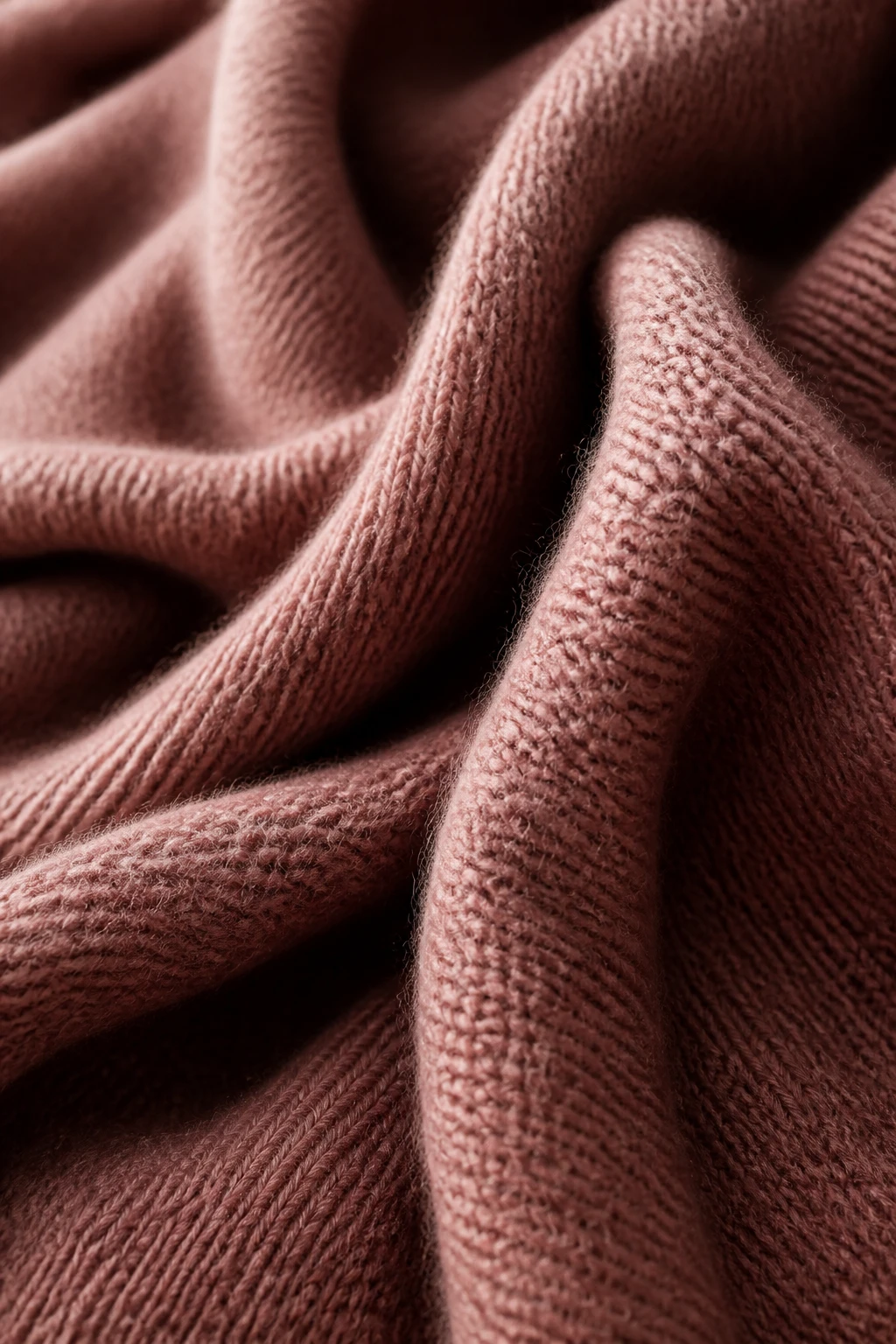
Your stitch decides how your scarf feels, hangs, and wears. A tight, dense stitch will be warm and structured; a loose, airy stitch will drape and flutter in the breeze.
Dense stitches for serious warmth
– Think solid single crochet or tight half-double crochet work for a scarf that blocks the wind.
– Best with heavier yarns: bulky wool blends, chunky acrylics, or roving-style yarns.
Open stitches for drape
– Light chains with simple stitches like a mesh or drop-stitch pattern create airiness.
– Pair these with lighter yarns: sport-weight cotton or soft acrylic for a scarf that flows around your neck.
Practical picks: best yarns by scenario
Everyday cozy for chilly commutes
– Choose: superwash merino blend or a soft acrylic blend.
– Why: warmth, washability, and a cuddly feel after a long day. Bonus: they resist pilling better than pure wools in many cases.
Colorful, easy-care streetwear vibes
– Choose: tonal or variegated acrylic blends.
– Why: bold colorways, forgiving texture, and machine wash means you can wear it twice before washing without guilt.
Lightweight luxury for spring and fall
– Choose: mercerized cotton or a light wool blend.
– Why: drapes beautifully, feels silky, and won’t overheat on a mild day.
Care tips that actually help your scarf last
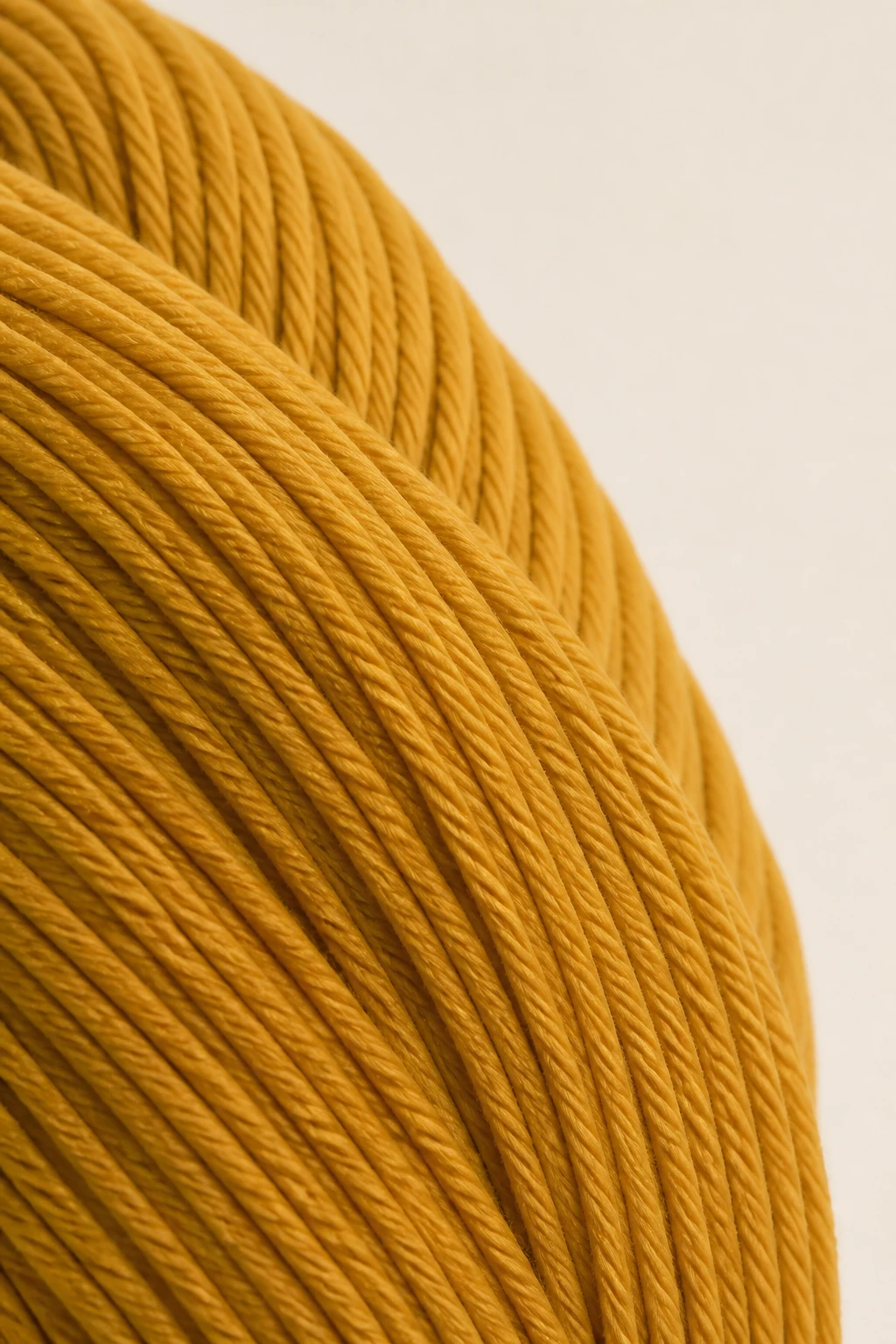
– Always check the label: “Care instructions” is your bible. If it says hand wash, honor it.
– Use a gentle detergent and cool water. You’ll thank me when your colors don’t bleed.
– Lay flat to dry. Hanging can stretch stitches and ruin drape.
– Store clean and flat to avoid misshapen shoulders in your closet.
Frequently asked questions
What yarn is best for a beginner crochet scarf?
For beginners, I recommend a soft acrylic blend or a superwash wool blend in a bulky or worsted weight. They’re forgiving, easy to see stitches, and machine washable. You’ll make mistakes early on, but these fibers save you from heartbreak when you drop a stitch and panic.
Is cotton a good choice for scarves, or is it too stiff?
Cotton can be wonderful for scarves, especially in warmer months or for folks with sensitive skin. Mercerized cotton gives you smoothness and shine, though it can be a bit stiff until you block it. If you want extra drape, pair with a lighter stitch like a simple mesh or a drapey yarn.
How do I prevent my scarf from felting or shrinking?
Choose a yarn that’s labeled machine-washable or superwash if you’re worried about felting. Then follow the care instructions, avoid high heat when washing, and lay flat to dry. Felting is much more likely with non-superwash wools or high agitation cycles.
What stitch should I start with for a first scarf?
A basic scarf in half-double crochet or extended single crochet works wonders. It’s forgiving, shows texture, and grows quickly. If you want easy texture, try a simple moss stitch or a ripple edge for a dash of personality without complexity.
How many skeins do I need?
Two to three skeins of worsted weight yarn often suffice for a standard 60–70 inch scarf. If you’re making a bulky scarf, one skein might cover most of it. Always calculate length around your neck and the desired width before you wind up with leftovers that accumulate in a skein graveyard.
Can I mix yarns in one scarf?
Absolutely. Mixing fibers can create a fun, textured effect and balance warmth with drape. Just make sure the weights are similar enough to stitch together smoothly, and keep care instructions aligned so you don’t end up with a scarf that shrinks in one place and stretches in another.
Putting it all together: a quick buying guide
– Determine your climate: heavy wool for cold regions, cotton or blends for mild weather, or a mid-weight for year-round wear.
– Decide on care level: machine-washable saves time; hand-wash-only means more delicate fibers like pure alpaca or some merino wools.
– Pick a stitch vibe: dense for warmth, airy for style. Your stitch choice should align with your fiber weight.
– Test a swatch: a quick 4-inch square tells you how the fabric feels and drapes. If it’s scratchy, try a softer blend or different yarn.
From stash to scarf: a personal note
I’ve made scarves with every fiber under the sun, and the trick isn’t chasing the “perfect” yarn. It’s finding what feels right on your neck and what fits your care routine. If you’re commuting, you want something that can stand up to a little rain and a few car seat clunks. If you’re crafting as a gift, you’ll want something that looks and wears beautifully after a handwash or two. IMO, the best yarn for crochet scarves is the one you actually pick up again next week.
Conclusion
Choosing the best yarn for crochet scarves isn’t a mystical rite—it’s about balance: softness, warmth, weight, and ease of care. Start with reliable favorites like superwash blends or mercerized cotton, then tailor your choice to climate, stitch pattern, and how much you want to wash things. With the right yarn, your scarf will be the coziest, most stylish accessory in your closet.