The debate is real: Infinity scarf or traditional scarf—which one actually wins your winter-obsessed heart? Spoiler: it’s not a simple yes or no. Both have personality, both dress up outfits, and both bring some drama to a cold day. Let’s chat through the differences, the quirks, and a few handy tips so you can pick with confidence.
What makes an infinity scarf actually infinite in fashion terms?
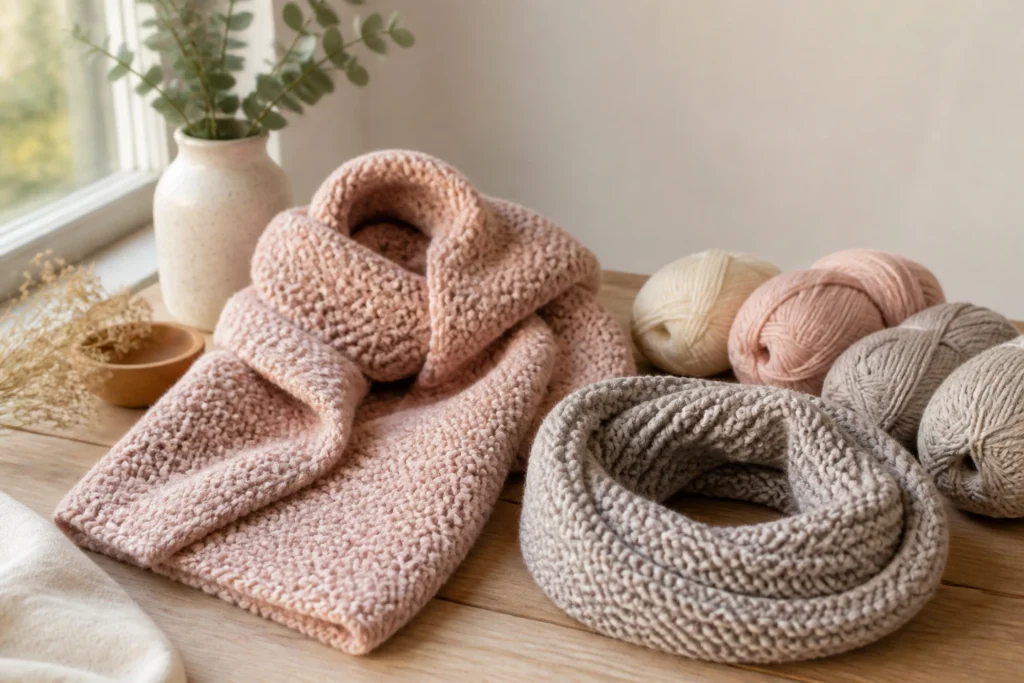
An infinity scarf is basically a looped, continuous circle you slip over your head. No ends to fuss with, no knot-tying drama, just a cozy, endless circle of fabric around your neck. Some people adore the minimalist vibe; others miss the drama of a dangling end you can flutter like a curtain behind you.
Why does it feel so effortless? Because there’s a built-in ease to it. You don’t fiddle with the ends, you don’t worry about if your knot is too tight, and you can switch up the look with minimal effort. It’s the sartorial equivalent of a lullaby—soft, reassuring, and comfortable.
But there’s a flip side. An infinity scarf can feel restrictive in very windy weather if the loop sits high up or is chunky enough to trap air. You also lose a bit of versatility—the same piece has to do all your neck-warming work without the option to drape in multiple ways. Still, some people swear it’s the coziest invention since heated sidewalks.
Traditional scarf: classic, versatile, endlessly adaptable
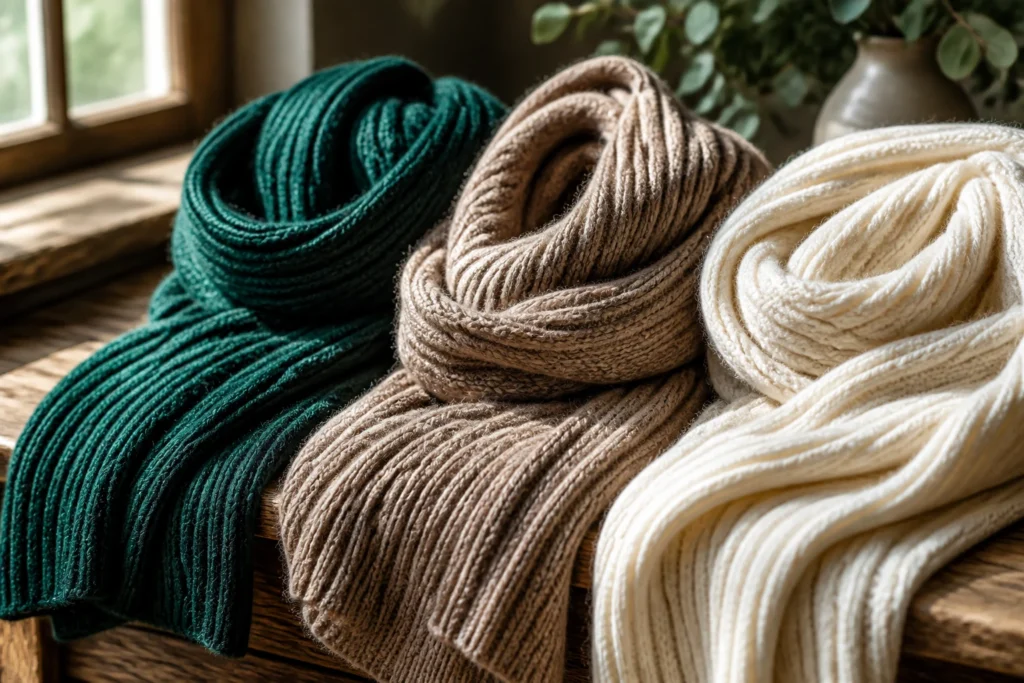
A traditional scarf has ends, length, and you’re the artist with the middleman—the fabric. You can wrap, twist, knot, or simply toss it around your neck. The options are nearly unlimited, which is part of the charm. Want a dramatic, oversized wrap? You’ve got it. Want a neat, tucked-in look? You can nail that too.
Functionality-wise, traditional scarves win in a lot of weather scenarios. You can adjust the tightness, play with volume by folding or fluffing, and use longer lengths to cover more of the face in a blustery storm. They’re also easier to replace if you spill coffee on them mid-commute—just flip to a clean end and call it a day.
The downside? Ends can slip, knots can loosen, and you might spend 30 seconds wrestling with it before heading out the door. If you’re not into drama, that may feel like a minor tragedy; if you love a little creative ritual, it becomes a cozy daily ritual.
Style, texture, and how they read on your frame

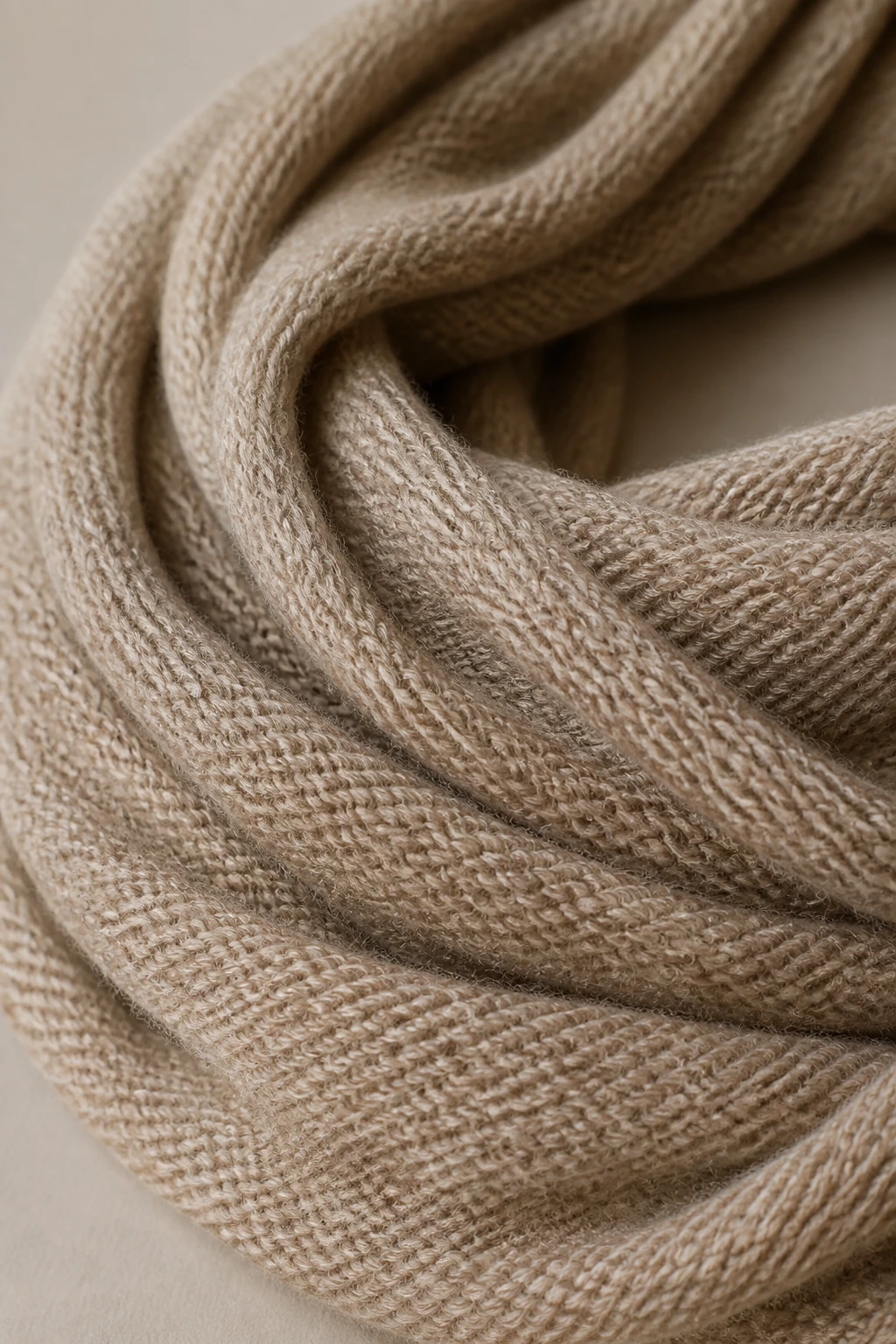
Texture matters when you’re choosing between these two. An infinity scarf often comes in chunky knits because the loop needs to feel substantial without looking too thin. Imagine a satisfyingly thick, wearable cuddle that hugs your neck and doesn’t flop around.
Traditional scarves come in a wider world of textures: delicate cashmere for a refined look, bold prints for personality, or heavy wool for winter statements. They can behave like a scarf, shawl, or even a makeshift hood when a gust hits you from nowhere. Your outfit vibe gets a lot of mileage here.
Color and pattern can push your look in two directions at once: a monochrome infinity scarf looks sleek and modern, while a patterned traditional scarf can act like a color pop or a focal point. FYI, a bright traditional scarf paired with a neutral coat almost always looks chic, even if your morning makeup is stuck in the “still waking up” zone.
Practicality in the wild: daily life with scarves
– Infini-quick: You step out the door, throw over your head, and you’re done. No mirror gymnastics required. If you’re always chasing time, this is your buddy.
– Traditional go-to: You want options. One morning you wrap it in a single loop, the next you twist it into a shawl. It’s your Swiss Army knife of neckwear.
If you commute on a windy bus or stand-still in a rainstorm, the infinity scarf can feel a touch claustrophobic in gusty situations. You get a snug hug around the neck, which is cozy until the wind makes you wish you had two layers to pull up. A traditional scarf, with its loose ends, can be adjusted to cover more of your face or chest if the weather goes from chilly to brutal.
Care, maintenance, and longevity
– Infinity scarf: care depends on the fabric, but you’ll often see simpler washing instructions because of the loop design. Some fabrics hold up really well to machine washing, while chunky knits might prefer gentle cycles and air drying to keep the loop from stretching out of shape.
– Traditional scarf: a little more forgiving in some fabrics, but ends mean more potential snag points. Wool can felt if you’re not careful, cashmere likes gentle handling, and synthetics can be a breeze in the wash.
Bottom line: follow the fabric care label, treat it kindly, and your scarf will outlive your seasonal fashion fads. And yes, if you’re on a budget, you can probably find a durable, easier-care option in either style.
Seasonality, layering, and the weather test
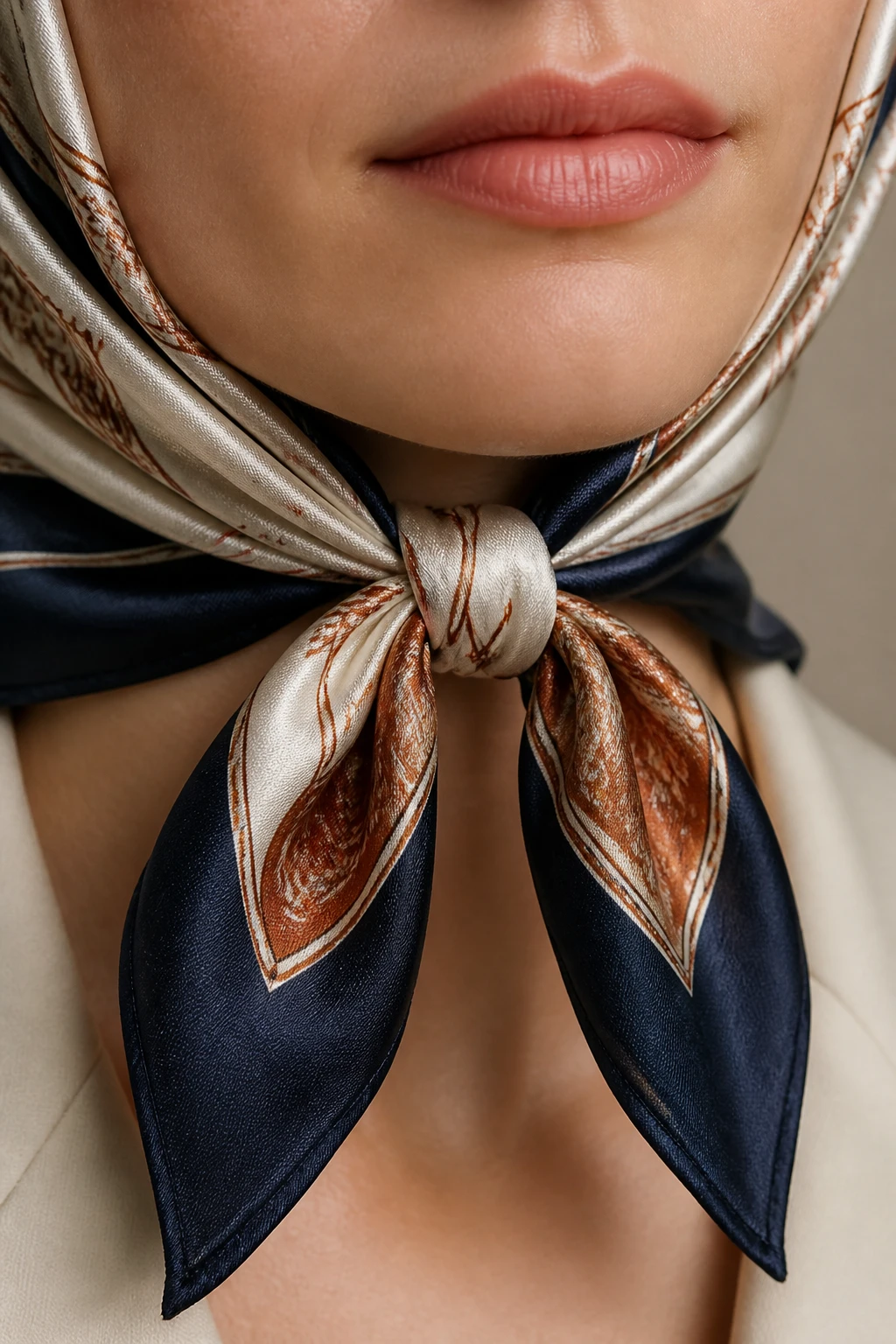
– Cold days: both types pull their weight. An infinite loop can feel like a brisk hug around the neck, which is oddly comforting. A traditional scarf can be doubled up, wrapped, or knotted to maximize warmth.
– Windy days: a traditional scarf often behaves better because you can pull the ends up to shield your nose and mouth, or twist the fabric to seal off your neck. An infinity scarf might behave like a sail in high gusts if you’re not careful with the fit.
– Rain and damp: you’ll want wool blends to shed water, or synthetics that dry quickly. The scarf you grab in a hurry should feel practical, not precious.
If you’re traveling or moving between indoors and outdoors a lot, the infinity scarf can be nice for quick transitions—slip it on when you’re cold, remove it when you’re warm. Traditional scarves can double as a light wrap on a chilly office day or a makeshift hood when the weather dislikes your hair.
Personal style: do you lean minimalist or maximalist?
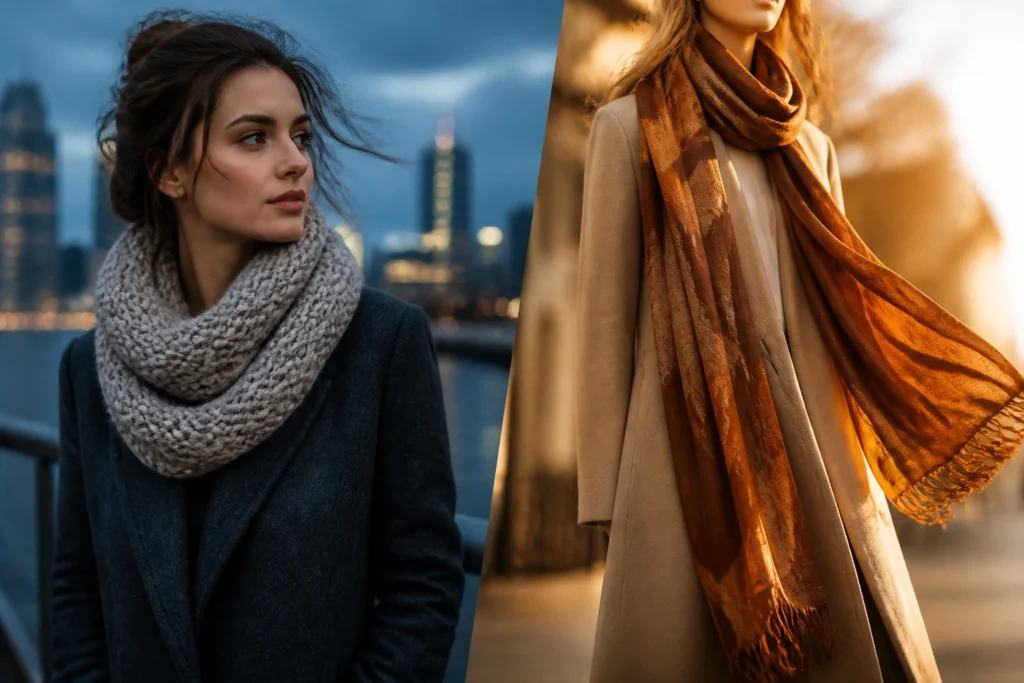
Some people adore the clean, uniform look of an infinity scarf. It feels modern, almost architectural. Others crave the drama of a traditional scarf: bold prints, long tassels, or chunky textures that become a statement accessory.
What about pairing with outfits? Infinity scarves tend to blend into the outfit while still adding volume around the neck. Traditional scarves are where you get loud with color and pattern—great for jazzing up a plain coat or adding personality to a simple dress.
A quick tip: if your closet is full of solid neutrals, a printed traditional scarf can be a game-changer. If your wardrobe already has a lot going on, a solid infinity scarf can be the balancing act that keeps everything cohesive.
Budget, accessibility, and giftability
– Infinity scarves often come as a single, cohesive piece. They can be easier to shop for if you’re buying for someone who likes low-effort style.
– Traditional scarves offer a huge range of prices, materials, and designs. You can go luxury with cashmere or keep it practical with acrylic blends. The gift market here is vast, and you can tailor textures, lengths, and patterns to the recipient’s vibe.
If you’re picking a gift, think about the recipient’s coat length, typical outerwear, and how they style their outfits. Do they layer? Do they prefer bold prints or understated pieces? A well-chosen scarf—of either type—feels personal and thoughtful.
Which one wins for you? A practical side-by-side
– If you crave speed and simplicity: infinity scarf wins.
– If you want ultimate versatility and drama: traditional scarf wins.
– If you value warmth control: both can deliver, but traditional tends to offer more adjustment options.
– If you care about ease of care: it depends on fabric, but sturdy synthetics win for low-maintenance types.
A neat way to figure it out: imagine your mornings for the next week. Do you want one thing that goes on in two seconds, or do you want to play stylist for a minute or two to achieve a different look each day?
Careful shopping: what to look for
– Material matters: wool, wool blends, cashmere, acrylic, or cotton. Each has a vibe, warmth level, and care routine.
– Weight and thickness: a chunky knit feels cozier and more casual; a lightweight knit or woven fabric reads more refined.
– Length and width (for traditional scarves): longer and wider means more wrapping options; shorter, narrower sculpts a sleeker silhouette.
– Block vs stitch: chunky loops may show gaps if the knit isn’t tight, while tighter knits can be less forgiving with bulky coats.
– Finishing touches: fringes, tassels, or neat hems change the look and weight. Fringes swing more with a traditional scarf, while infinity scarves stay concentrated in a single loop.
Also, consider climate: a region with dry, cold days might favor a heavier wool infinity scarf, while a damp, variable climate might reward the flexibility of a traditional scarf.
FAQ
Are infinity scarves warmer than traditional scarves?
Paragraph: Warmth depends on material and how you wrap it. An infinity scarf can trap a lot of heat if it sits snugly and uses a thick knit. A traditional scarf gives you more control to layer and double up for extra warmth. In general, thickness and fiber matter more than the shape, so pick a warm fabric and you’ll be fine in the cold.
Can I wear an infinity scarf with a coat that has a high collar?
Paragraph: Yes, but you’ll want to adjust your wrap so you don’t crowd the collar. If the coat already hugs your neck, a lighter infinity scarf or one with a looser knit works better. If you want extra neck coverage, a traditional scarf lets you pull fabric up to the chin or over the mouth without overstuffing the area.
How do I clean an expensive scarf without damaging it?
Paragraph: Always check the care label first. Cashmere and wool often require hand washing or dry cleaning. Use a gentle detergent, cool water, and lay flat to dry. For infinity scarves, you’ll wash the whole loop together, so handle with care to avoid stretching. If you’re unsure, a professional cleaner is worth it for precious fabrics.
Is one type more versatile for travel?
Paragraph: Traditional scarves win small-space versatility. Their ends can act as a wrap or shawl in a pinch, and you can adjust styling based on weather or mood. Infinity scarves are great for quick layering on travel days when you’re constantly moving between planes, trains, and taxis. It comes down to how much you value speed versus styling options.
Which is easier to gift, infinity or traditional?
Paragraph: It depends on the recipient. If they like minimal fuss and quick styling, an infinity scarf is a thoughtful, low-effort gift. If they adore experimenting with looks and textures, a traditional scarf with a striking pattern or a luxe fiber makes a memorable present.
Can I wear both at the same time?
Paragraph: Sure, if you’re into layering. Some people double up with a neutral infinity scarf over a more patterned traditional scarf for a fashion-forward, textured look. Just watch the bulk—overdoing it can feel bulky and restrict movement.
Conclusion
So, which wins your heart: infinity or traditional? The honest answer is: both bring value depending on the day, the mood, and the coat you’re wearing. If you want effortless style and speed, grab an infinity scarf. If you crave versatility and creative expression, reach for a traditional scarf.
Personally, I love having both options in rotation. There are days I want the clean, modern vibe of a chunky infinity loop, and other days I want the drama of a long, printed scarf that can transform a simple coat into a statement. IMO, you don’t have to choose forever—you just need a reliable scarf arsenal that covers all the moods.
FYI, the best approach is to pick one or two favorites from each style and rotate with the seasons. That way you always have a go-to that fits your outfit, weather, and energy level. Ready to upgrade your neckwear game? Grab a cozy infinity loop for quick commutes and a bold traditional scarf for weekend errands. Your neck will thank you.