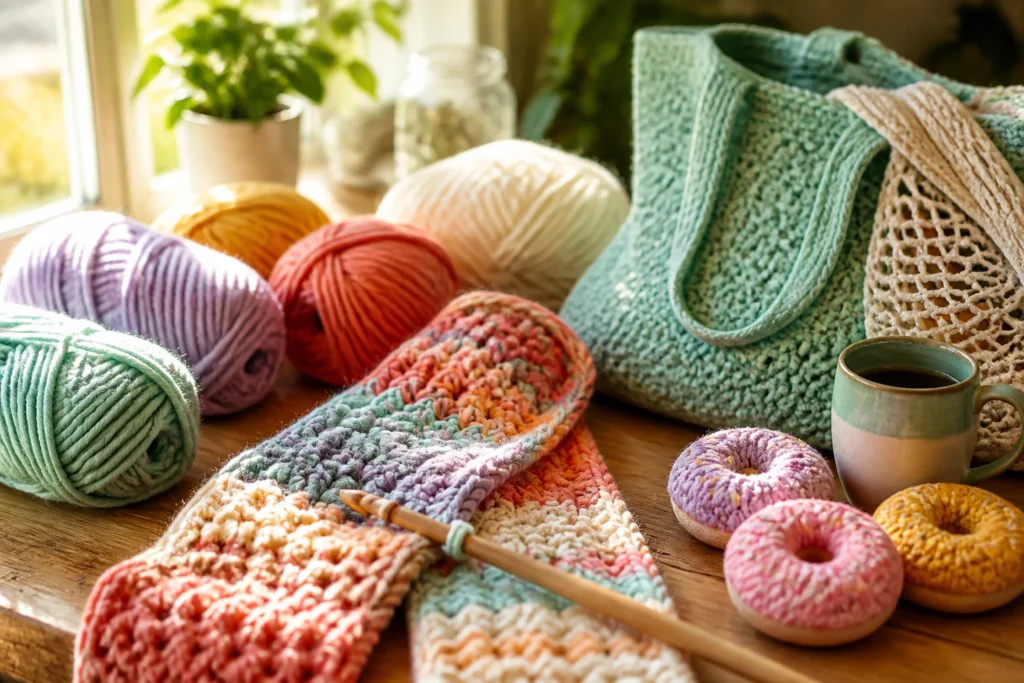
If you can cast on and chain a few stitches, you can conquer a handful of crochet projects in under an hour. No marathon session required—just a quick, satisfying hit of creative momentum. Ready to ditch the fear and actually finish something this week? Let’s go.
Quick wins: 5 crochet projects you can finish in under 60 minutes
You want projects that reward your effort fast. These five are perfect for practicing tension, learning stitches, and walking away with a usable finished item.
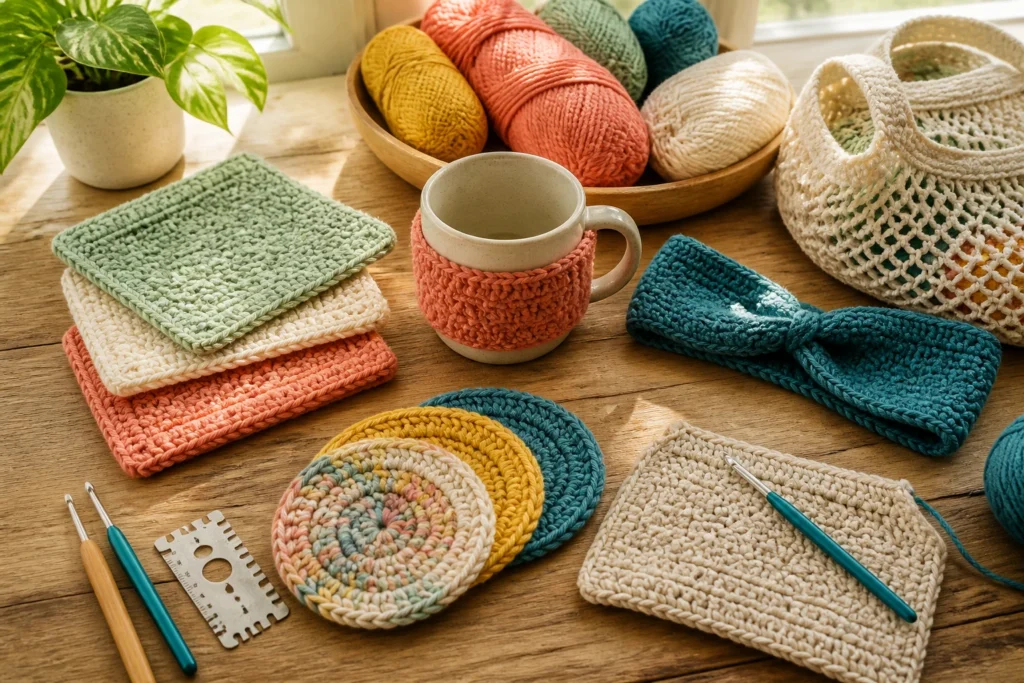
- Dishcloths and washcloths – Practical, forgiving, and you’ll actually use them. Pick a sturdy cotton yarn and a simple stitch pattern.
- Cozy coffee cup sleeves – A quick cylindrical project that teaches you chaining, half double crochet, and seaming (or slip stitching) neatly.
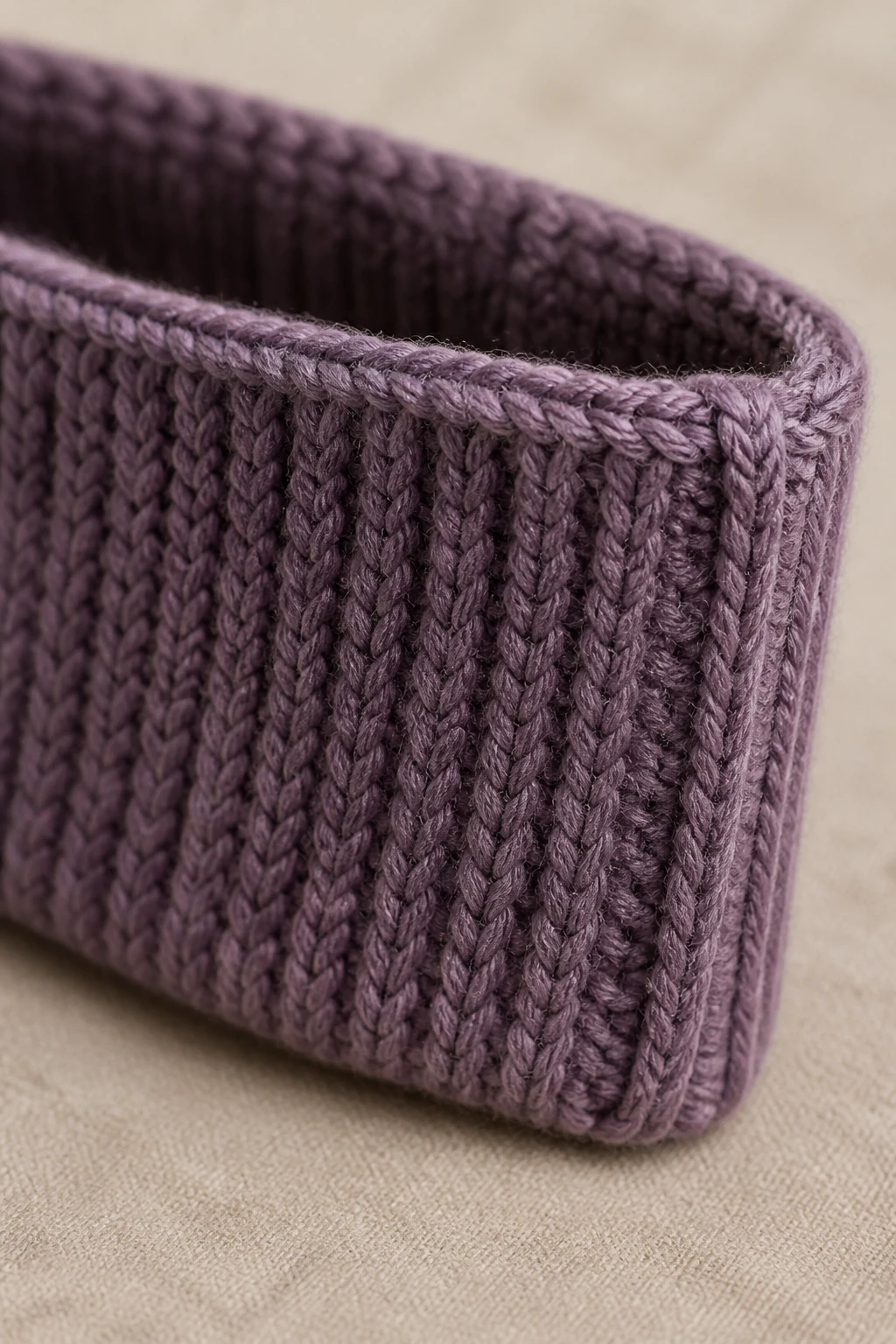
- Headband or ear warmer – A small, chic accessory that teaches seam placement and sizing without committing to a full garment.
- Scrappy coasters – Tiny squares, big satisfaction. Great for colorwork practice and using leftover yarn.
- Mini market tote – A tiny bag can be surprisingly quick and incredibly handy for little groceries or knitting notions.
The right materials to speed things up

What you pick can shave 15–30 minutes off your project, especially if you keep things simple.
- Yarn weight – Start with worsted weight (4) or DK. They’re forgiving and stitch up quickly.
- Hook size – Pair with yarn label recommendations. A larger hook makes stitches pop and speeds up your progress.
- Solid colorways – Fewer color changes mean fewer stops to switch yarns. FYI, variegated can be stunning, but it slows you down if you’re testing tension.
- Two skeins max – If you’re aiming for under 60 minutes, plan projects that use two skeins or less to avoid mid-project anxiety.
Stitching tips that actually shave time
Speed comes from smart moves, not gobbling coffee. Try these.
- Stick to a simple stitch – Single crochet or half double crochet let you move fast and see steady progress.
- Tension matters – Loose enough for airflow, tight enough for sturdy fabric. If your fabric looks like a waffle, loosen your grip a notch.
- Use a yarn needle early – A quick weave-in at the end saves you from a frantic afternoon hunting for stray ends.
- Limit your fiddly bits – Buttons, ribbons, or appliques are cute, but they slow you down. Save them for a longer project.
Section highlights: 3 beginner-friendly patterns, broken down
These patterns are chosen for clarity, speed, and the sense of accomplishment they deliver.
1) Quick dishcloth in simple stitches
Dishcloths are the gateway drug to crochet mastery. They teach you tension, foundation rows, and basic edges without drama.
- Yarn: 100% cotton works best—soft, sturdy, and machine washable.
- Stitches: Start with single crochet in the back loop for a subtle ribbed texture.
- Steps: Chain 31–40, turn, single crochet in each stitch across, repeat for 20–25 rows. Bind off and weave in ends.
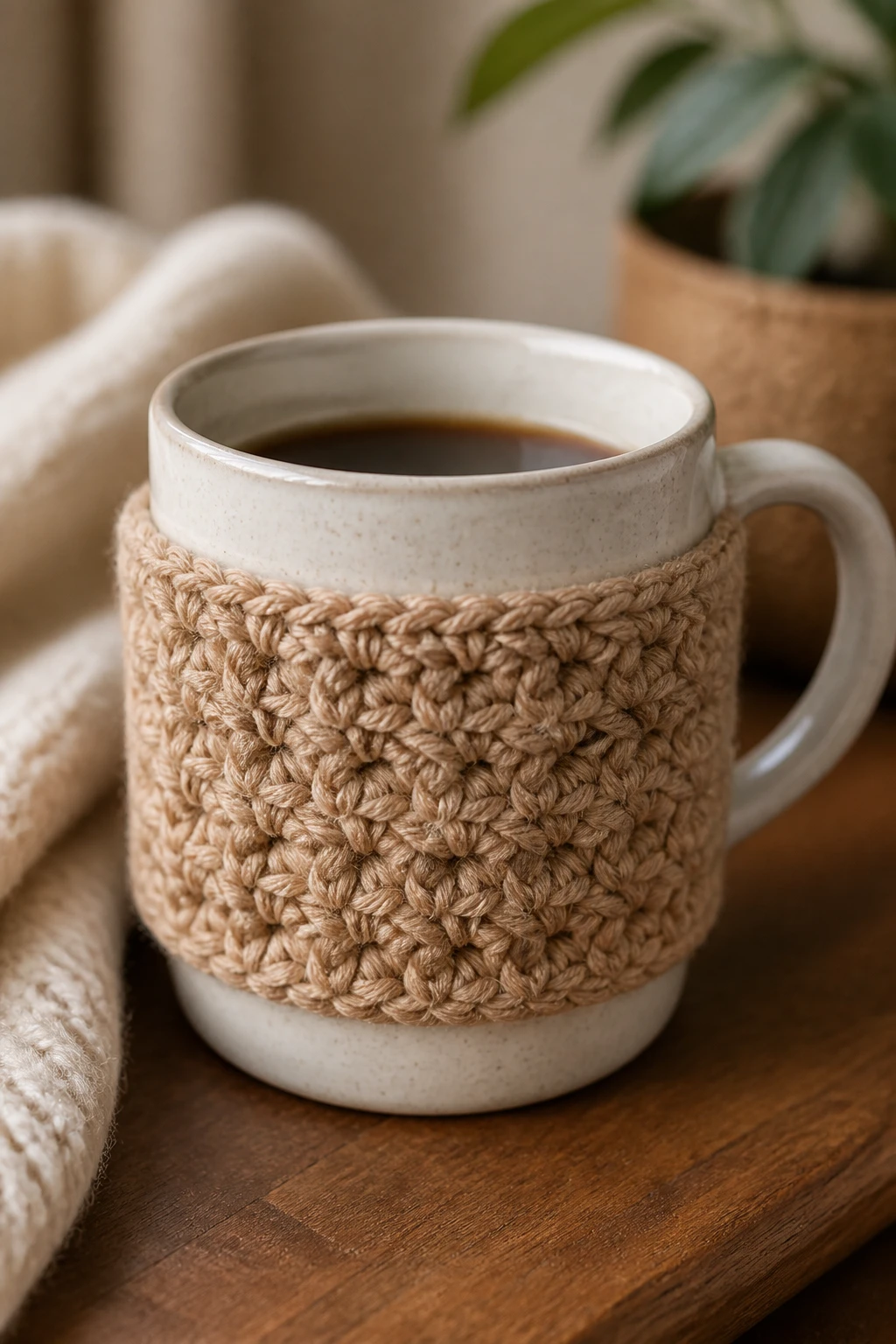
2) Snug coffee cup sleeve
A mug deserves a snug hug, and you’ll get practice with rounds and seaming here.
- Yarn: Worsted weight in a color you love.
- Stitches: Foundation ring or magic circle, then rounds of half double crochet.
- Steps: Create a cylindrical tube around your mug, measuring to fit snugly. Slip stitch to join, seam the side with a mattress stitch or whip stitch. Optional: add a simple button loop.
3) Headband for chilly mornings
This one checks sizing and in-the-round technique off your list.
- Yarn: DK or light worsted for a soft, stretchy fabric.
- Stitches: Half double crochet in the round, keeping tension consistent.
- Steps: Chain to match head circumference minus seam allowance, join in round, work about 8–12 rounds, fasten off and sew ends together. Optional: a small button closure for adjustability.
4) Scrappy coaster set
A mini project that doubles as color practice.
- Yarn: Any leftover yarn in worsted weight works well.
- Stitches: Granny square motifs or simple single crochet rounds.
- Steps: Create 4–6 small motifs, join or whip stitch them into a square or circle. Finish with a neat edge and a corner for practicality.
5) Tiny market tote
This is your “I can make something useful” moment.
- Yarn: Light or medium weight for a sturdy fabric.
- Stitches: Simple single crochet or half double crochet in the round.
- Steps: Build a sturdy handle and a square-ish base, then work up the sides. Keep the stitches even and the base flat to avoid a wobbly tote.
Adjusting projects for different beginners
Not every beginner has the same speed or comfort level. Here’s how to tailor these ideas to you or a friend.
If you’re slow in the turning rounds
Try projects that stay in the same stitch pattern in the round. It minimizes measurement juggling and makes the process feel like a familiar dance.
If you’re worried about rows vs. rounds
Rounds are your friend for under-an-hour wins. They’re predictable, and you can track progress by counting rounds rather than rows.
Color work for fun, not frustration
If color changes stress you out, pick a solid color or two and commit to a simple stripe pattern. You’ll still learn tension and stitch consistency without the headache.
Tools and tricks that keep you moving
A few well-chosen tools can keep your project flowing.
- Stitch markers – Mark the beginning of a round or a tough seam so you don’t lose your place.
- Scissors with a blunt tip – Safer and quicker to snip ends without poking your project.
- Large-eyed sewing needle – Easier to weave in ends, especially on cotton projects.
- Stitch counter app or a tiny notebook – Track rounds, rows, and stitch counts to avoid guesswork.
Common pitfalls and how to fix them fast
You’ll hit a few snags—welcome to crochet reality. Here’s how to troubleshoot quickly.
- Tension dancing – If your stitches look tight, loosen your grip a bit. If they’re loose, snug up your tension a touch.
- Rising fabric height – Ensure you’re turning correctly and not skipping stitches. A quick count-check can save you from a whole row of oopsies.
- Ends that won’t stay put – Weave them in early and snug. A little extra time on this saves you from a loose edge later.
- Wrong hook size – If you’re struggling with fabric drape, switch to a larger hook for a looser fabric, or downsize if it’s too floppy.
FAQ
Is one-hour crochet really possible for beginners?
Yes. With a simple pattern, the right materials, and a steady pace, you can reach a finished product in under an hour. It helps to pick a project designed for speed and keep the color changes minimal.
What if I’m slow at finishing?
Give yourself permission to work on more than one project at a time. That way, if you stall on one, you can switch to another and still feel productive. Short, consistent practice beats marathon sessions any day.
What yarn weight should I start with?
Worsteds or DK are great starting points. They’re not too bulky, not too delicate, and mistakes are visible but forgiving. If you have a stash full of odds and ends, keep your color changes simple to avoid slowing down.
How do I know I’m getting better?
Track a few indicators: your consistency in stitch size, your ability to finish within the planned time, and how often you complete projects without abandoning them. Look for smoother edges and fewer yarn snags. IMO, progress is visible in the tiny improvements.
Can I customize these projects for gifts?
Absolutely. Swap colors to match the recipient, add a simple embellishment, or tailor the size. A quick shawl pin or a bespoke button can elevate a quick gift into something personal without turning it into a 40-hour project.
Conclusion
You don’t need weeks to feel like a crochet rockstar. With the right patterns, a solid setup, and a few hacks, you can roll through a handful of mini projects in less than an hour. Build confidence, finish something you’ll actually use, and start stacking small wins. FYI, the best part is discovering how quickly your hands learn and your brain relaxes into the rhythm.
If you want more inspiration, I can tailor a momentum-friendly playlist of 60-minute patterns tailored to your favorite yarn weights and hooks. Ready to crochet your next speedy win?