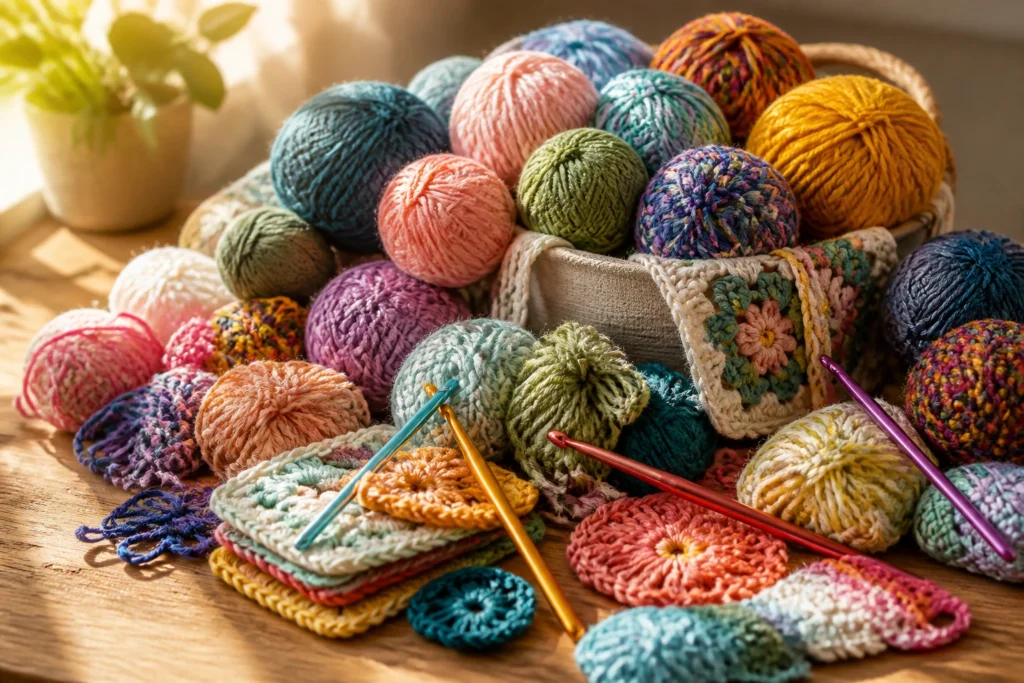
If you’ve got a stash bulging with odd balls and partial skeins, you’re in the right place. Scrap yarn isn’t just leftovers; it’s a playground for tiny crochet projects, color experiments, and budget wins. Let’s dive into the best types of scrap yarn for small crochet projects and how to make them sing.
What makes scrap yarn perfect for small crochet pieces
Scrap yarn shines in tiny projects because it’s forgiving, affordable, and endlessly mix-and-matchable. You don’t need a full skein of anything to make something adorable. Plus, experimenting with textures and colors is half the fun.
– It’s economical: use what you’ve got and save your wallet for dessert.
– It’s forgiving: uneven splits, odd weights, and weird textures can still become something cute.
– It’s a playground: tiny projects like coasters, appliqués, and stitch samplers thrive on scraps.
- Small projects: face scrubbies, coasters, bookmarks, appliqués, mini amigurumi, and swatches.
- What to look for: consistency matters less in scraps, but drape and texture still matter for results you’ll actually love.
Best yarn types for tiny crochet projects
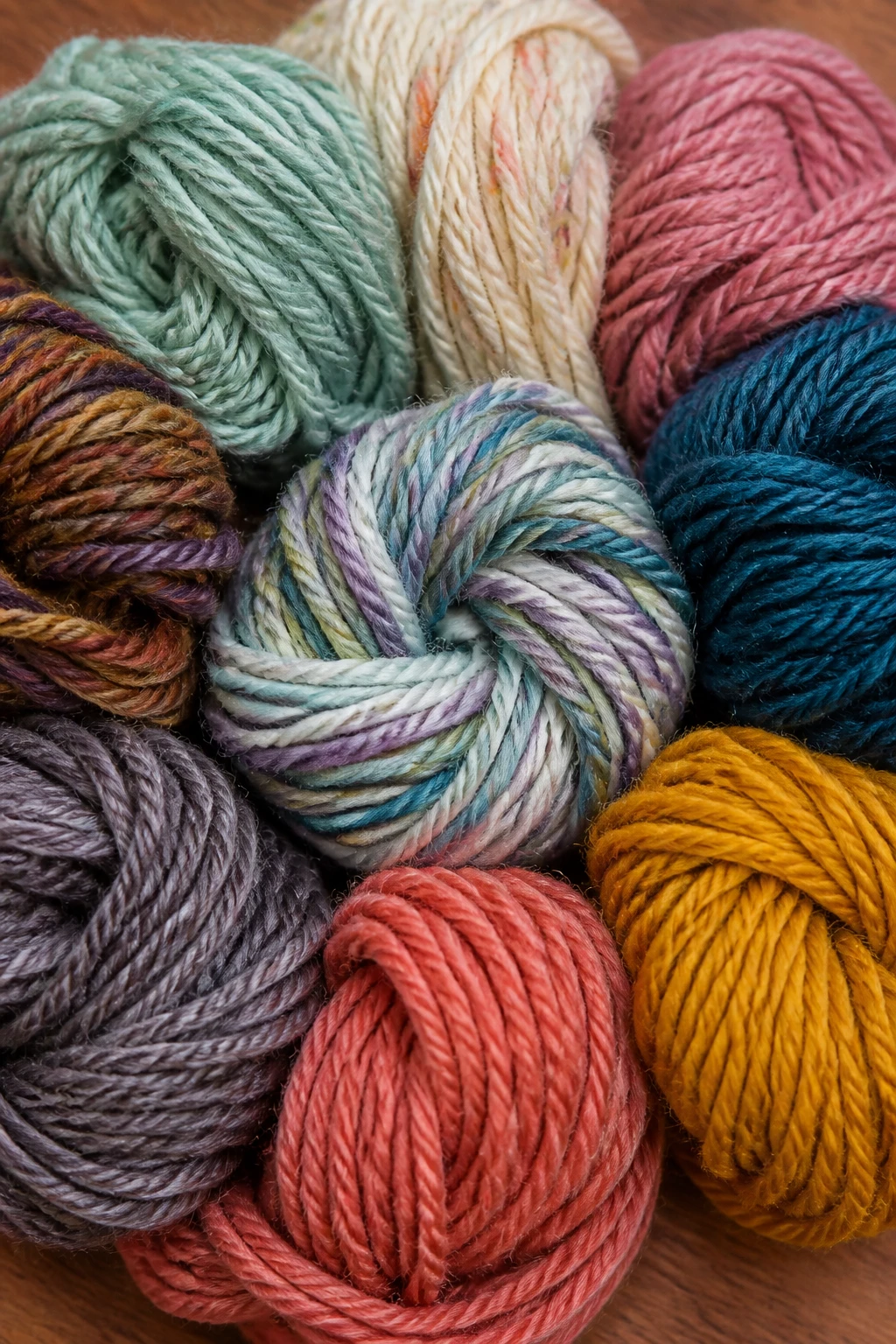
Not all scraps behave the same. Some fibers play nicer with hooks and other textures, especially when you’re stitching tight little rounds.
Cotton scraps
Cotton is a crowd-pleaser for small pieces. It’s sturdy, washable, and shows stitch definition like a champ. Look for medium-to-high twist cotton leftovers, especially if you’re making coasters, dishcloths, or appliqués.
– Pros: durable, washable, holds shape well.
– Cons: can be a bit stiff until it softens with use; some lower-quality cotton splits easily.
– Tip: wash and dry a swatch before you commit to a big project.
Acrylic scraps
Acrylic is the universal workhorse of scrap piles. It’s cheap, easy to find, and comes in every color under the sun. It’s forgiving on beginner-level stitches and ideal for blankets in tiny sections, amigurumi, or quick accessories.
– Pros: inexpensive, forgiving, wide color range.
– Cons: can pill; some lower-quality acrylics feel scratchy.
– Tip: pair a fuzzy acrylic with a smoother yarn to balance texture.
Blend or novelty yarn scraps
Blends (like wool-acrylic) and novelty yarns bring personality to small pieces. They’re perfect for texture-rich swatches, pot holders, or decorative appliqués.
– Pros: interesting texture, unique look, adds personality.
– Cons: can be hard to tension evenly; some fibers don’t play nicely with certain hooks.
– Tip: use a larger hook for bulkier novelty textures to avoid tight stitches.
Wool scraps
Wool scraps feel luxurious in tiny projects—think cozy felt-like coasters or soft amigurumi. They’re warm, compress well, and hold stitches beautifully.
– Pros: warmth, resilience, great stitch definition in the right weight.
– Cons: can fel with harsh heat; some wools shed.
– Tip: check for hot water shrinkage if you plan a washable item.
Weight and yarn consistency you actually need
Small projects demand predictability, but you don’t need perfect uniformity. Here’s how to handle weights and textures without driving yourself crazy.
Don’t stress over exact weights
If your scraps range from DK to worsted, you can still make cohesive pieces. The trick is to treat differences intentionally rather than fight them.
– Decide the dominant weight in your project and use other scraps as accents.
– If you’re panicking about gauge, don’t. Just crochet a small swatch and adjust your hook size to combine stitches evenly.
Texture as a feature, not a flaw
Texture variety can be a strength in small pieces. Mix smooth and fuzzy, or ribbed with moss stitch to create interest without needing new yarn.
– Use stitches that create uniform edges to hide small consistency quirks.
– Aim for a rhythm in your color and texture changes so the eye doesn’t notice tiny mismatches.
Practical tips to prep scrap yarn for tiny projects

A little prep goes a long way when you’re juggling scraps. Here are quick hacks to set you up for success.
Sort by fiber and weight
Grab all the cotton scraps and separate from acrylics. Then sort by approximate weight. It makes planning a project faster and less chaotic.
Label and test
If you’ve got a giant pile, label balls or loose ends by fiber and feel. Then crochet a small swatch to see how it behaves with your chosen hook.
Pre-wash when appropriate
Some yarns bloom or felt when washed. Consider washing swatches first if your end product will be washed regularly.
Creative project ideas that actually work with scraps
Tiny projects let you experiment without commitment. Here are ideas that shine with scrap yarn.
Mini coasters and placemats
Scrap yarns create quirky, colorful coasters in a few hours. You can mix textures for a retro patchwork look, or keep it simple with a single color gradient.
– Start with a tight magic circle or a small ring.
– Use sturdy stitches like single and half-double crochet to avoid stretching.
Appliqué shapes for blankets or sweaters
Tiny motifs stitched onto larger blankets turn leftovers into a cohesive design. Use simple shapes like hearts, stars, or flowers.
– Use a tight B or C hook to keep motifs neat.
– Sew motifs onto a backing fabric for extra flexibility.
Bookmarks and tags
A quick, satisfying project for odds and ends. Linen stitch or moss stitch makes a sturdy, flexible strip that lies flat.
– Add a tassel or a bead for personality.
– Double up for extra thickness if your paper will rub against yarn.
Mini amigurumi figures
Tiny toys are the perfect lab for color-blocked scraps. You can create tiny animals, fruit, or little characters with a handful of scraps.
– Keep stitches tight to maintain shape.
– Use embroidery floss for small facial features to avoid bulky yarn.
Stitch samplers
Try a series of stitches using different scraps. It’s a great way to learn tension and see how different textures look next to each other.
– Create a grid or spiral layout.
– Label each swatch with the stitch name and yarn used for future reference.
Care and finishing tips to keep scrap projects looking good

Your work isn’t just about starting; it’s also about finishing well. Tiny projects deserve a little extra love.
Weave ends like a ninja
Loose ends are the villain of small projects. Take a minute to weave them in securely. A tail of 2-3 inches is plenty; bury it under a few stitches and cut close.
Block strategically
Blocking helps even out shapes and smooths textures. For scraps, a gentle block often does wonders without risking felting or distortion.
– Cotton: a light steam block often works best.
– Acrylic: air-dry or light wet block to settle stitches.
– Wool: careful wet blocking can reshape and relax fibers.
Colorfast testing
If you’re mixing bright colors, test colorfastness on a scrap before you work into your project. FYI, some cheaper dyes bleed more than you’d expect.
Common mistakes to avoid with scrap yarn
Low-pressure, high-hilarity projects can still go wrong. Here are quick caveats to save time and threads.
– Overcomplicating: don’t force a complex pattern onto wildly different weights.
– Too tight tension: small pieces hate tight stitches; loosen up a notch for better drape.
– Ignoring edge finishing: irregular edges are more noticeable on tiny items.
Finding joy in the process
Scrap projects aren’t just about the end product; they’re about the ride. The thrill of turning odd leftovers into something usable is basically the adult version of a craft scavenger hunt.
– Embrace the mismatches as design features.
– Don’t chase perfection—chase color combos and happy accidents.
– Share your results with friends or online communities; you’ll get ideas and encouragement.
Frequently asked questions
What’s the best scrap yarn for a beginner?
If you’re just starting with scraps, acrylic leftovers are your friend. They’re forgiving, cheap, and come in countless colors. Start with simple shapes like coasters or small scarves to build confidence.
How do I join different scrap yarns in one piece without it looking chaotic?
Plan your palette ahead. Pick 2-3 dominant colors and sprinkle in the rest as accents. Use a unifying stitch or texture in the main areas to tie everything together. Also, consider a border that pulls colors inward.
Can I wash scrap yarn items safely?
It depends on the yarn. Cotton and most cotton blends wash well and hold their shape. Acrylic is typically fine in the wash but use gentle cycles. Wool may felt or shrink if washed too aggressively. When in doubt, hand wash and lay flat to dry.
How do I prevent fraying ends on small pieces?
Weave in ends securely and trim close. If you’re worried, you can use a dab of fabric glue on the ends, then weave over them again once dry. It’s not glamorous, but it works.
Should I mix fibers in one project?
Yes, if you like the look. Mixed fibers create texture; just mind the care instructions. For items that will get regular wear or washing, lean toward washable blends and avoid delicate fibers for those pieces.
Conclusion
Scrap yarn is the ultimate undoing of “waste.” It’s a playground where you can test colors, textures, and tiny shapes without guilt. With a little planning, you can turn odd skeins into charming, useful little items that spark joy every time you use them. So raid that stash, pick a small project, and let your hook do the talking. FYI, the best scraps aren’t the rarest colors—they’re the ones you actually finish and love. Happy crocheting!