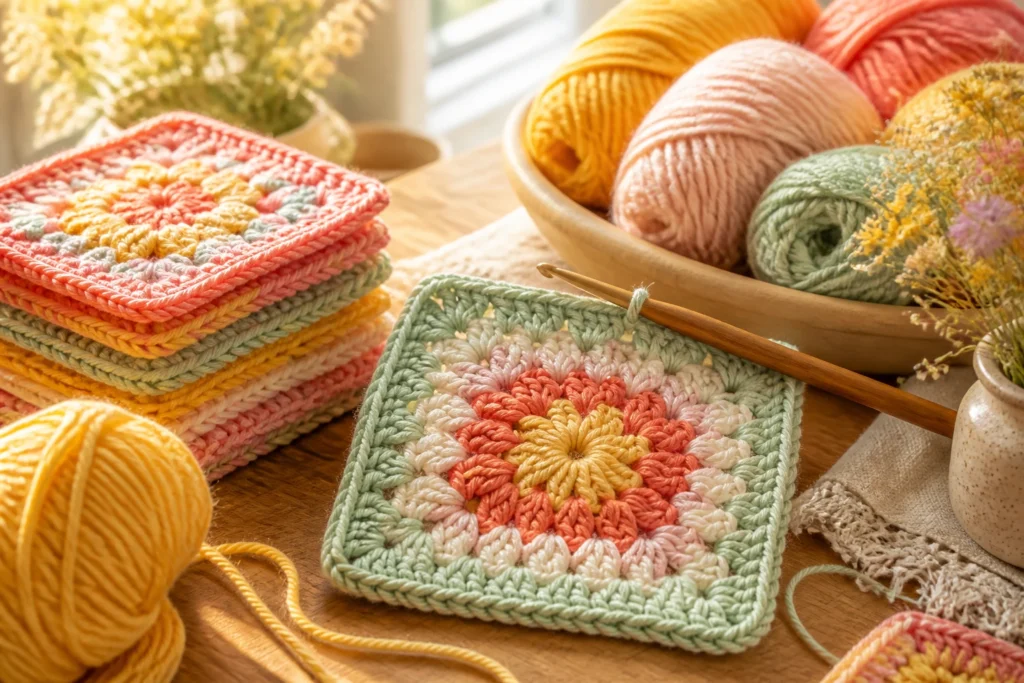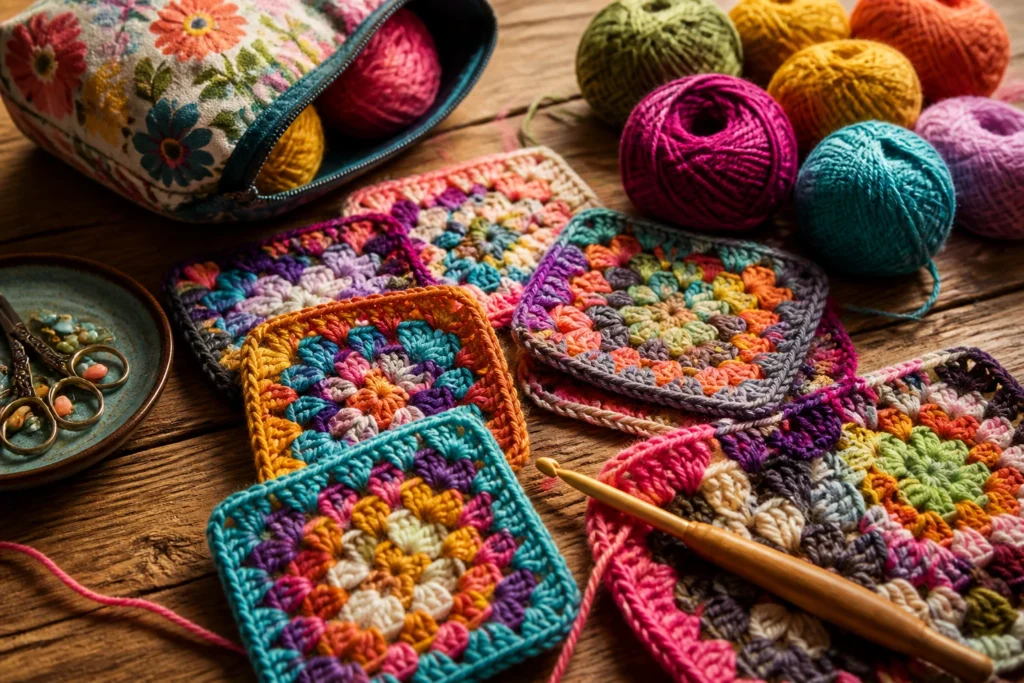
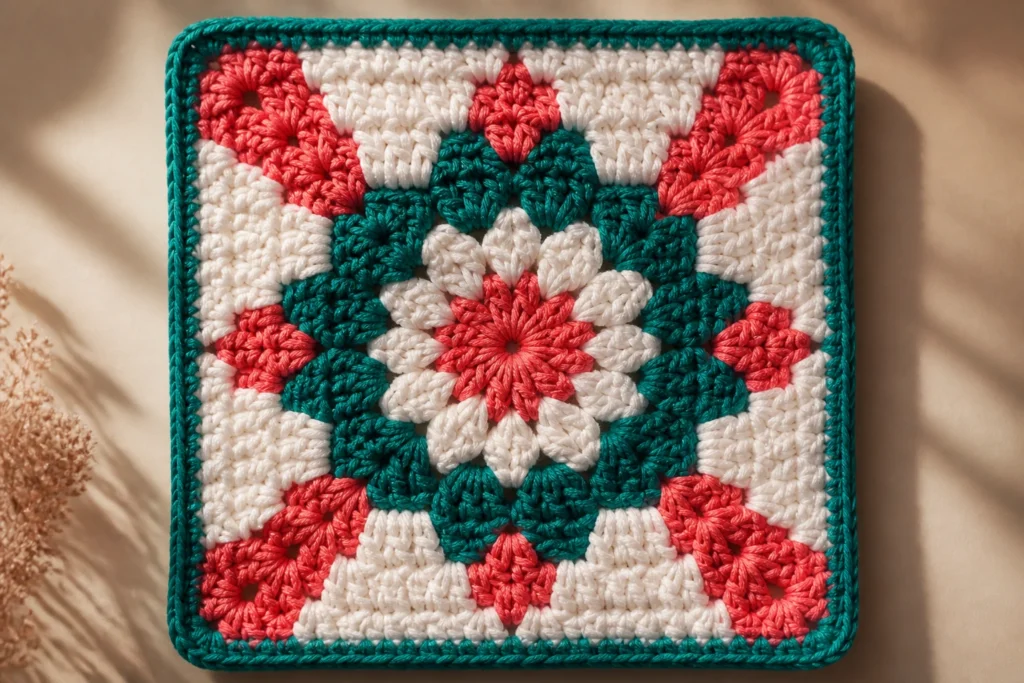
The crochet hook clicks like a little heartbeat, and suddenly you’ve got a square that could warm a café, a couch, or a cozy corner of your heart. Granny squares aren’t stuck in the past; they’re remixable, scalable, and endlessly adaptable. Ready to design modern ones that look fresh and feel personal? Let’s dive in.
What makes a modern granny square, anyway?
Granny squares have a vibe switch: old-school charm with a modern twist. The basics stay the same—stitches, rounds, color changes—but the vibe shifts with color palettes, shapes, and how you assemble them. Think: more negative space, bolder contrasts, and textures that beg to be touched. The goal isn’t nostalgia for nostalgia’s sake; it’s crafting something that looks current, feels comfortable, and travels well from project to project.
Choosing the right palette (without turning into a color wheel enthusiast)
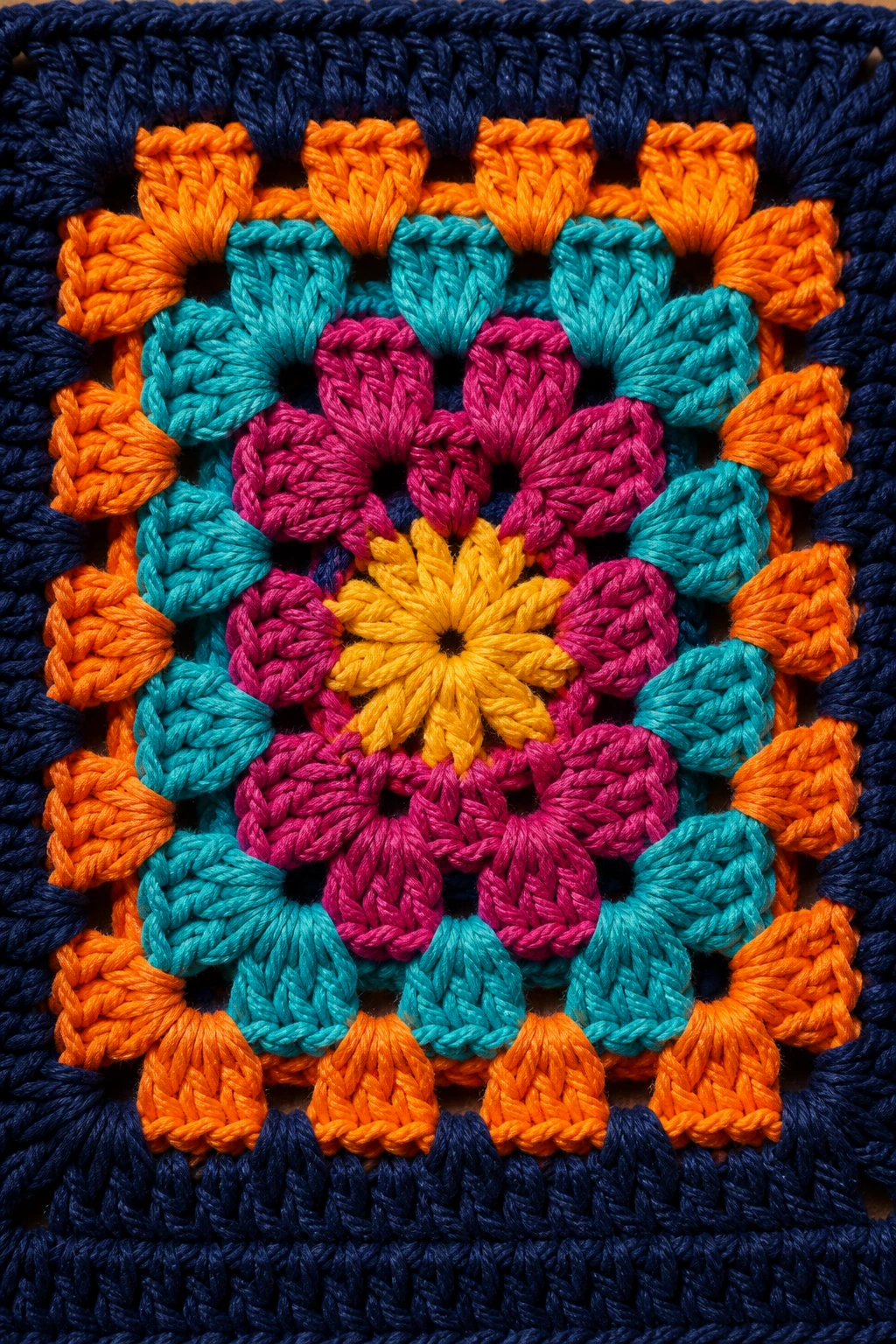
Color is the loudest voice in a modern granny square. Pick a palette that speaks to you, then let the rest of the square do the talking.
Color strategies that work
- High-contrast drama: Pair a bold, saturated color with a crisp white or bone for punchy squares that pop.
- Monochrome mood: Use varying shades of one color for a cohesive, chic look.
- Warm neutrals: Think taupe, cream, and terracotta for a cozy, contemporary feel.
- Playful pops: Add a single bright accent to a muted field to guide the eye.
Tips for choosing yarns
- Opt for a medium weight yarn (DK to worsted) for a balance of drape and structure.
- Stick to a similar fiber family if you want the finished piece to feel cohesive (all merino, or all cotton, for example).
- Check yardage in advance— Granny squares multiply quickly, and you’ll thank yourself later for not running out mid-round.
Shape, texture, and the little details that feel fresh
Classic granny squares use rounds of stitches, but you can remix the shape and texture to keep things interesting.
Texture tricks that aren’t a headache
- Try front post and back post stitches to add ribbing and depth without extra complexity.
- Incorporate clusters and picots sparingly for a modern edge.
- Alternate solid rounds with colorful rounds to create a layered look.
Shape ideas to try
- Classic with a twist: Keep the 3-round granny but add a corner-to-corner color change for a diagonal sting of color.
- Slanted squares: Offset stitches in one round to create a subtle diagonal effect when you sew them together.
- Geometric variations: Try hexagonal or elongated forms for a contemporary mosaic vibe.
From square to collection: planning the assembly
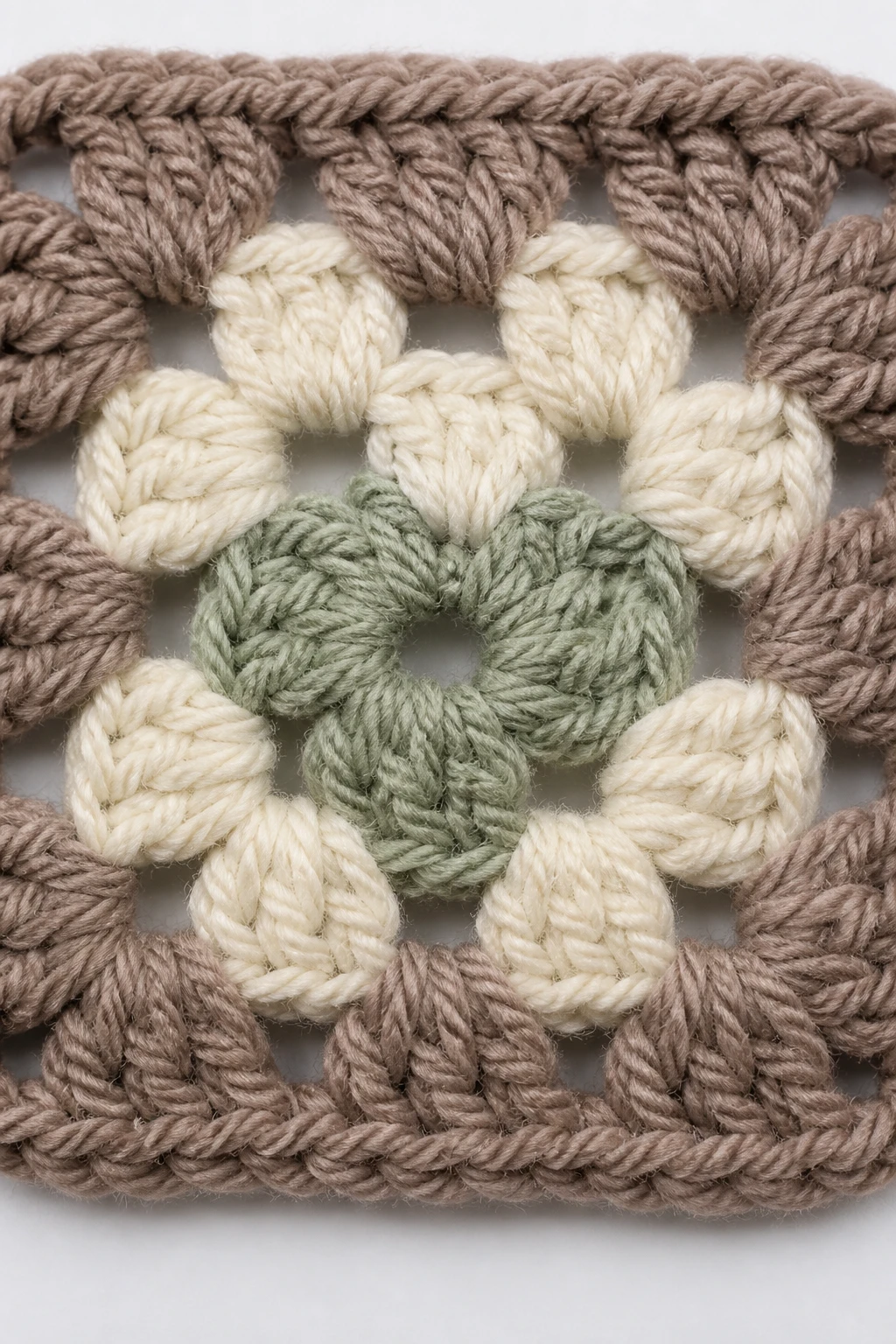
How you sew the squares together dramatically changes the final look. Do you want a snug, blanket-like surface or a lighter, airier throw? Your assembly plan guides that choice.
Common assembly methods
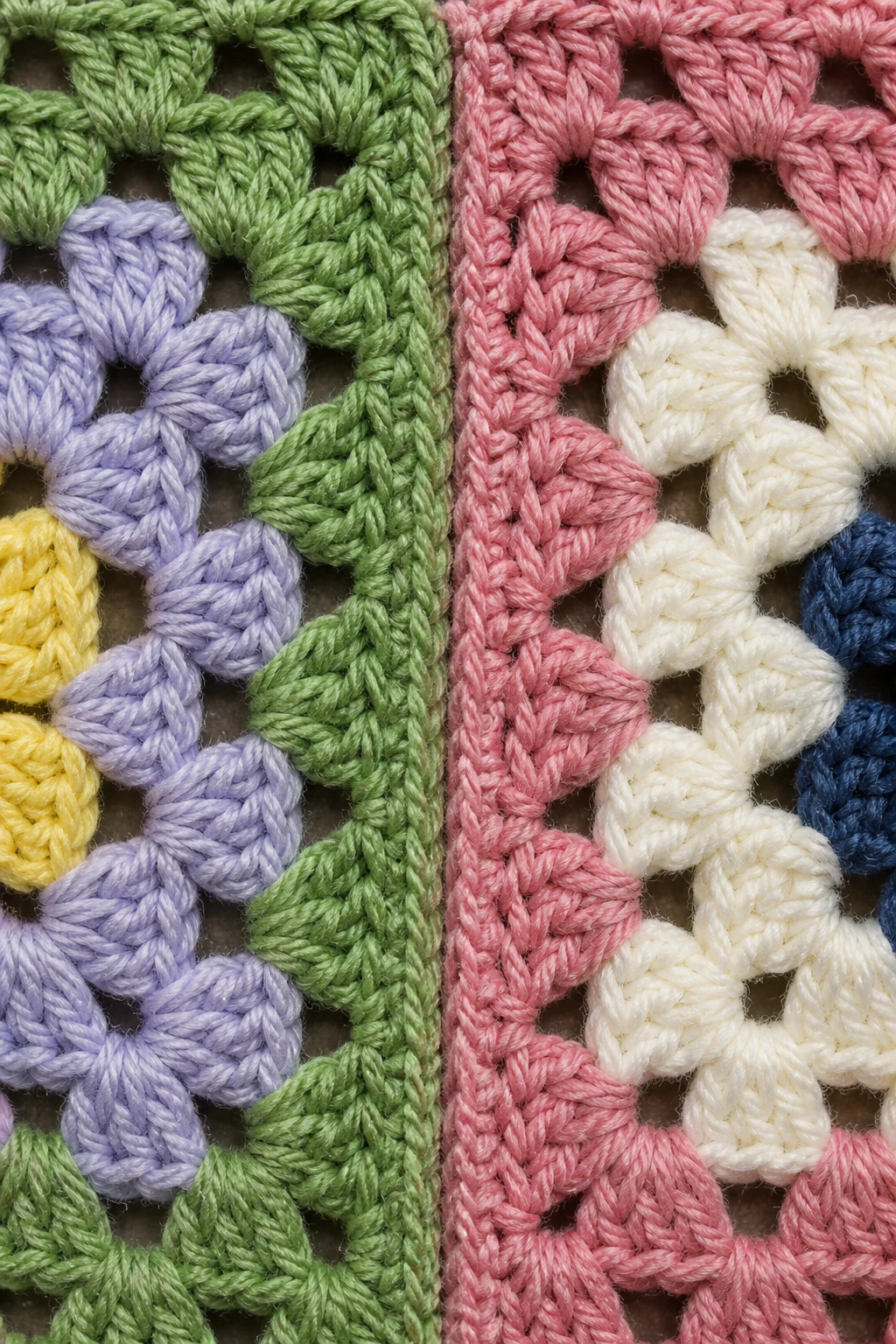
- Flat join: Slip stitches or whip stitches create a smooth, flat surface. Great for blankets that lie flat and don’t curl.
- Whip stitch on the long edge: A slightly visible seam that adds texture and coziness.
- Seamless look: Crochet a few rounds of squares directly into a bigger motif as you go, for minimal seams.
Arrangement ideas that look intentional
- Play with color blocks—group squares by color family for a modern, architectural feel.
- Let the color palette ripple across the project, like a gradient from light to dark.
- Chunky+airy mix: alternate densely stitched squares with looser, lacy rounds for texture variety.
Techniques that make modern granny squares easier and faster
If you want speed without sacrificing quality, these tips help you stay in the zone and avoid the “I’ll finish it next year” trap.
Stitch cheats that actually save time
- Use a consistent turning chain to keep edges tidy and square.
- Keep track of rounds with a simple row counter or a sticky note—your future self will thank you.
- Use a light-blocking spray or steam to tame tension and prevent curling after finishing.
Joining strategies for a polished finish
- Invisible join: A matching thread, snug stitches, and careful weaving make the seams disappear.
- Decorative joins: A contrasting slip stitch or a row of small stitches along the seam adds a deliberate design moment.
DIY-friendly patterns to spark your next modern granny square project
If you’re itching for a pattern, here are flexible concepts you can customize. FYI, you don’t need a million tiny hooks to pull this off.
- Bold border square: Start with a bright center and frame it with a crisp neutral border to create a graphic look.
- Watercolor fade: Change colors every two rounds to mimic a watercolor wash without dying your hands in dye.
- Texture-first square: Build around a textured panel in the center, then round out with fluffy stitches on the edges.
Practicalities: materials, gauge, and stash management
Let’s keep the practical bits boring enough to actually do.
Choosing the right hook and yarn for a modern feel
- Hook size matters more than you think—pick one that yields a neat stitch without overstretching.
- Yarn quantity? Plan for a project store, not a one-night miracle. Granny squares multiply when you’re not looking.
- Washability matters. If it’s a sofa throw, cotton blends are forgiving; for a soft blanket, consider merino blends.
Gauge and sizing tips
- Don’t chase exact gauge at the start—focus on consistent square size.
- Make a swatch, then measure. If your squares are 4.5 inches, multiply to reach your final size.
- Large blankets benefit from a few test squares to ensure the final dimensions align with your plan.
Common mistakes and how to dodge them
We all make missteps. Here’s the quick rescue mission for the traps that derail projects.
- Messy edges: Keep your turning chains consistent and count stitches per round.
- Color chaos: Don’t scramble cycles; plan color changes with a simple sketch or note.
- Too-tight joining: Relax your tension when joining; stiff seams steal drape and comfort.
FAQ
What’s the easiest way to get started with modern granny squares?
Pick a simple 3-round square, a forgiving color palette, and a light yarn. Learn a basic join method, then build from there. If you can chain, single crochet, and slip stitch, you’re good to go. FYI, start small—one square—before you decide to conquer the world with a blanket.
How do I decide between cotton and acrylic for a modern look?
Cotton is crisp, breathable, and has excellent stitch definition—great for summer throws and decor. Acrylic is forgiving, affordable, and super easy to care for. If you want a plush, machine-washable project, consider a cotton-acrylic blend. IMO, samples are worth a quick swatch challenge to see what feels right in your hands.
Do I need to block granny squares before joining them?
Blocking helps squares lay flat and uniform, especially if you used different yarns or stitches. A quick wash-and-snap-dry usually does the trick. If you’re aiming for tight edges, block before you join to get the most precise seams.
What’s the best way to assemble a big granny square blanket?
Map your layout first—photos or a quick sketch work wonders. Join squares in small batches, then assemble larger sections. This keeps you from dragging a mountain of pieces around and losing track of colors. Pro tip: label each square with color codes while you work.
How can I add a modern twist without reinventing the wheel?
Swap in a contemporary border, introduce a bold color pop, or mix textures. You can also vary square sizes so the blanket reads like a modern mosaic rather than a traditional grid.
Any quick tips for keeping motivation if the project grows big?
Break it into milestones: finish a color block, complete a section, and sew a panel. Celebrate small wins with a coffee break or a mini dance. And FYI, posting progress on social can be oddly addictive in a good way—polite bragging is allowed here.
Conclusion
Granny squares aren’t relics tucked away in a yarn cabinet. They’re a flexible canvas for modern design—color, texture, and assembly become your tools for storytelling. Start with one square, pick a vibe, and let the rest unfold. If you’re feeling overwhelmed, remember: every square is a tiny promise to yourself that you can finish something beautiful, one round at a time. Go forth, stitch bold, and turn cozy into couture, one square at a time.